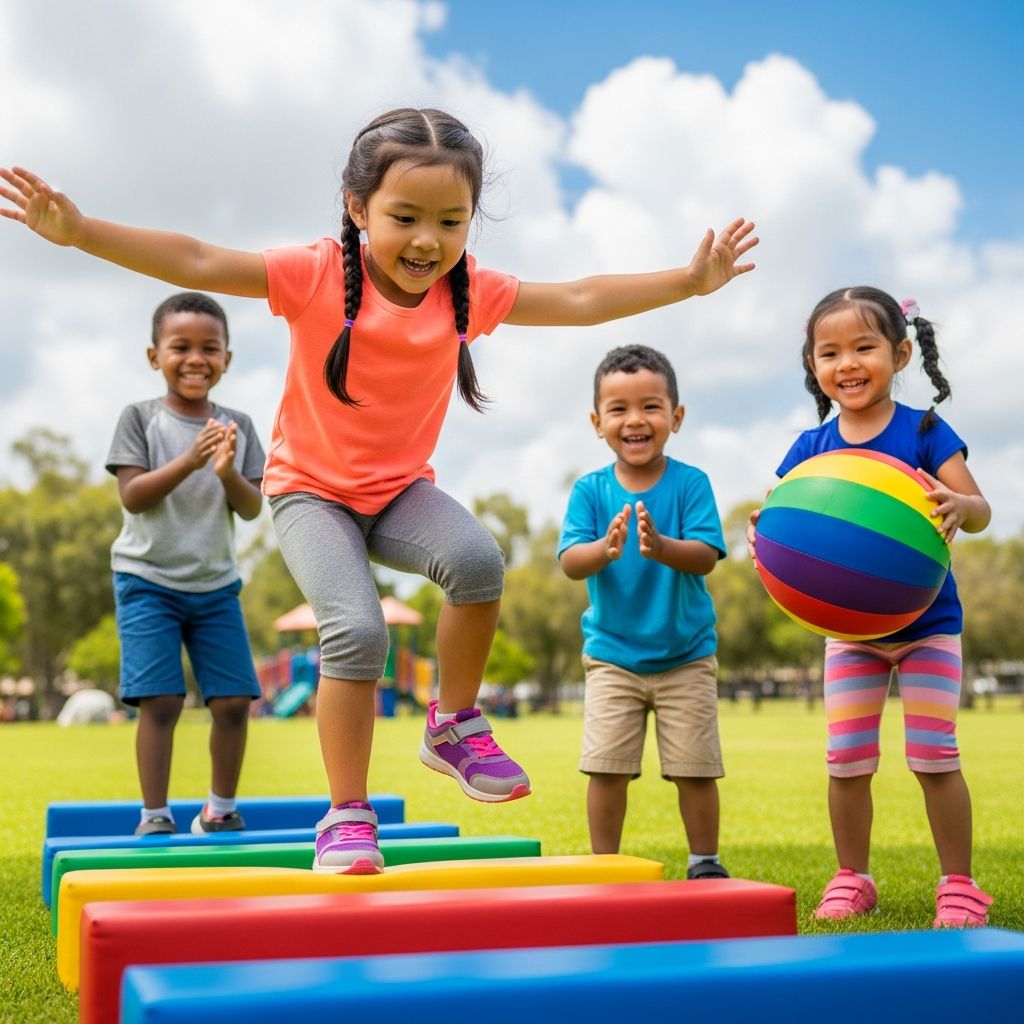
Preschoolers aged 3 to 5 years thrive when they engage in regular physical activity, which supports their rapid growth and development. According to health authorities, these young children require at least three hours of varied movement spread across the day to build strong foundations for lifelong health.
Why Daily Movement Matters for Young Children
Physical activity is more than playtime for preschoolers—it’s a cornerstone of holistic development. Regular movement strengthens bones and muscles, enhances coordination, and boosts cardiovascular endurance, reducing risks of obesity and chronic conditions later in life. The Centers for Disease Control and Prevention (CDC) emphasizes that active preschoolers show improved brain health, including better memory and problem-solving skills.
Beyond physical gains, exercise sharpens cognitive functions like attention and learning while promoting emotional well-being. Children who move often experience reduced anxiety, better sleep, and higher self-esteem through achievements in games and challenges. Socially, group activities teach cooperation, sharing, and resilience, helping kids form bonds and navigate emotions effectively.
Official Guidelines: How Much Activity Is Enough?
Health experts worldwide agree on clear benchmarks for preschooler activity. The CDC recommends preschoolers (3-5 years) be active throughout the day, aiming for at least three hours total, with one hour of moderate-to-vigorous intensity like running or jumping. The UK’s National Health Service (NHS) echoes this, specifying 180 minutes of varied play, including outdoor time, with at least 60 minutes of energetic movement.
Australia’s Healthdirect advises spreading three hours across the day through fun pursuits like dancing or chasing games, ensuring at least one hour of high-energy play. These guidelines apply flexibly—mix light activities like walking with bursts of intensity to keep children engaged without fatigue.
| Age Group | Daily Activity Recommendation | Intensity Mix | Source |
|---|---|---|---|
| Preschoolers (3-5 years) | At least 3 hours | 1 hour moderate-vigorous; rest light/varied | CDC, NHS |
| Toddlers (1-2 years) | 3 hours | Include walking, free play | CDC |
| Infants (under 1) | 30+ minutes interactive | Tummy time, reaching | CDC |
Key Benefits Across Body, Mind, and Social Growth
- Physical Strength and Health: Activity stimulates growth hormones, fortifies skeletal muscles, and prevents excess weight gain. CDC data shows it counters the 12.7% preschool obesity rate.
- Motor Skill Mastery: From hopping to throwing, play refines gross and fine motors, aiding daily tasks like dressing or drawing.
- Brain Boost: Exercise enhances oxygen flow to the brain, improving focus, creativity, and academic readiness. Recent studies link higher fitness to sharper memory in preschoolers.
- Emotional Balance: Movement releases endorphins, easing stress and building confidence through mastery of new skills.
- Social Foundations: Team games foster empathy, leadership, and conflict resolution, crucial for peer interactions.
Engaging Outdoor Adventures to Spark Energy
Fresh air amplifies activity benefits, allowing expansive movements impossible indoors. Outdoor play connects children to nature while burning energy effectively.
Classic Chases and Races
Games like tag or freeze tag deliver high-intensity cardio. One child chases to “tag” others; in freeze variations, tagged players pause until freed by a tap. These build speed, strategy, and patience.
Balance Challenges
Sack races or egg-and-spoon relays hone equilibrium. Children hop in pillowcases to a line or balance objects on spoons while walking—perfect for coordination without equipment.
Ball Skills for Precision
Kicking toward goals (using baskets) develops foot-eye sync. Start simple: roll back and forth, progressing to aimed shots for focus and triumph.
Indoor Fun: Rainy Day Fitness Solutions
Bad weather doesn’t halt progress—indoor options keep routines consistent. Focus on space-efficient, imaginative play to match outdoor vigor.
- Dance Parties: Play upbeat music for free-form dancing, adding scarves or ribbons for flair. This boosts rhythm, flexibility, and joy.
- Obstacle Courses: Use cushions, tunnels, and tape lines for crawling, jumping, and balancing. Time trials add excitement and repetition.
- Animal Mimics: Pretend to be frogs (hopping), bears (crawling), or snakes (wiggling). These enhance imaginative gross motor control.
- Balloon Volleyball: Hit balloons with hands—no net needed. Improves hand-eye and light cardio safely indoors.
Creative Movement: Dance, Yoga, and Beyond
Incorporate rhythm and mindfulness for well-rounded fitness. Dancing to favorite tunes builds endurance and creativity, while kid-friendly yoga poses like tree or cat-cow improve flexibility and calm.
Try “follow the leader” where one child invents moves—march, twirl, or flap like birds. This encourages invention and group harmony without structured rules.
Parental Strategies: Making Fitness a Family Affair
Parents model habits that last. Join activities to demonstrate enthusiasm, limit screen time to under 60 minutes daily, and provide safe spaces for free play. Schedule movement into routines: post-nap walks or pre-dinner games ensure consistency.
Variety prevents boredom—rotate sports intros like mini-soccer with nature hikes. Praise effort over wins to nurture a growth mindset, and consult pediatricians for tailored advice, especially with developmental concerns.
Overcoming Common Hurdles in Preschool Activity
Not all days are energetic. If a child resists, start small with favorites and gradually build. Weather challenges? Indoor alternatives shine. Overstimulation? Balance with quiet wind-downs. Track progress via simple charts to motivate without pressure.
| Challenge | Solution | Benefit |
|---|---|---|
| Shy or Inactive Child | Pair with friends; choose low-pressure games | Builds confidence gradually |
| Limited Space/Time | Short bursts; use household items | Maintains routine flexibly |
| Picky Interests | Offer choices; theme by stories/animals | Increases engagement |
Frequently Asked Questions (FAQs)
What if my preschooler doesn’t like sports?
Focus on playful, non-competitive movement like dancing or animal walks. Let them lead to discover joys in activity naturally.
Is unstructured play as good as organized sports?
Yes—both count toward the 3-hour goal. Free play sparks creativity, while structured adds skill-building.
How do I know if my child is active enough?
Aim for sweaty, breathless play daily. Use CDC trackers or apps for guidance.
Can too much activity harm young kids?
Moderation is key; spread it out to avoid fatigue. Hydrate and watch for overexertion cues.
What role do screens play in fitness?
Limit to 1 hour; opt for active apps sparingly. Real movement trumps digital.
References
- Physical Activities for Preschoolers: A Complete Guide — Brightwheel. 2023. https://mybrightwheel.com/blog/physical-activities-for-preschoolers
- The Benefits of Pediatric Physical Activity and Sports — Mountain Family Health Center. 2024. https://mountainfamily.org/news/the-benefits-of-pediatric-physical-activity-and-sports/
- Physical activity guidelines for children (under 5 years) — NHS. 2023-08-01. https://www.nhs.uk/live-well/exercise/physical-activity-guidelines-children-under-five-years/
- Benefits of physical activity for children — Healthdirect (Australian Government). 2024. https://www.healthdirect.gov.au/benefits-of-physical-activity-for-children
- Why Exercise Is Essential for Children’s Development and Orthopaedic Health — CFA Ortho. 2024-08. https://www.cfaortho.com/media/news/2024/08/why-exercise-is-essential-for-children-s-development-and-orthopaedic-health
- Health Benefits of Physical Activity for Children — CDC. 2024. https://www.cdc.gov/physical-activity-basics/health-benefits/children.html