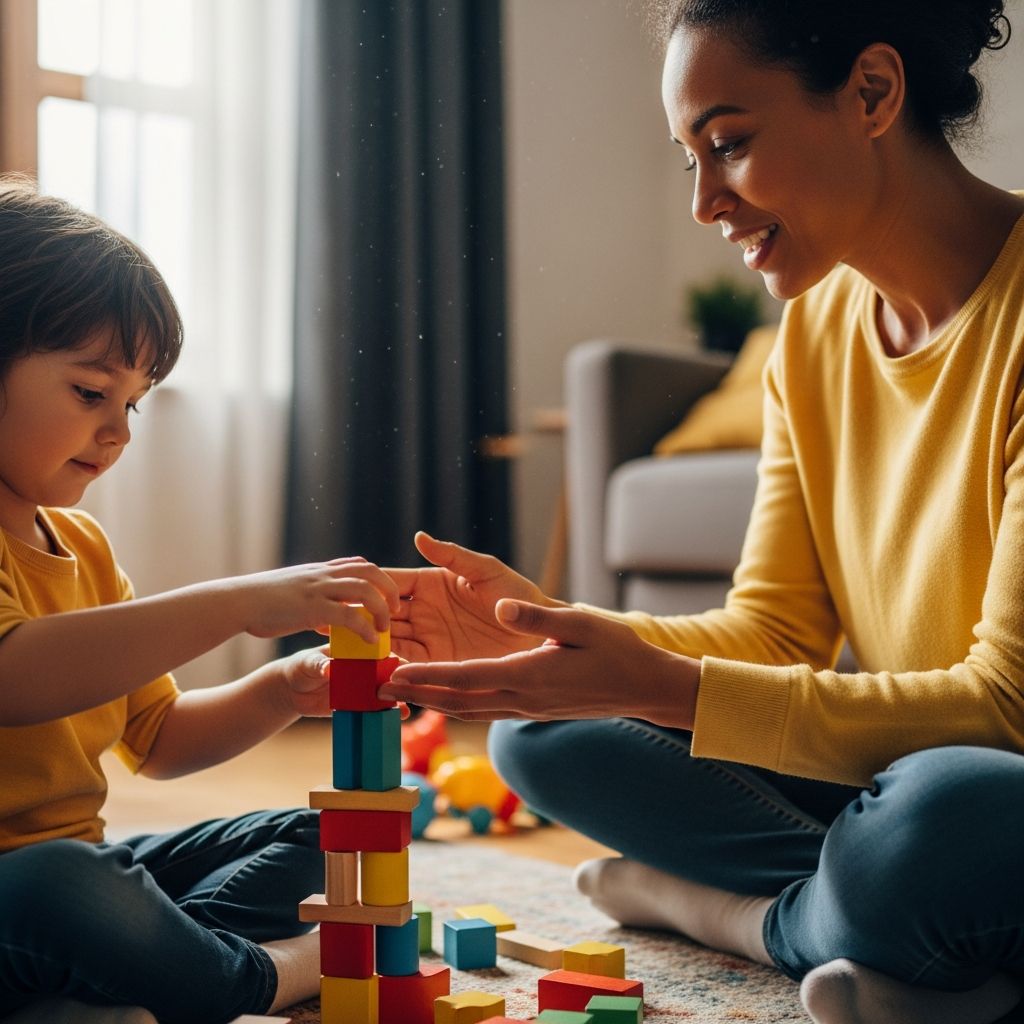
Impatience often creeps into parenting, turning everyday moments into tense battles. For many fathers, this trait disrupts family harmony, but with targeted strategies, it can be reshaped into a source of strength and connection.
Understanding the Roots of Impatience in Fatherhood
Impatience in parents frequently stems from deep-seated expectations and external pressures. Fathers may feel an urgent drive to provide stability, leading to frustration when children’s unpredictable behaviors clash with idealized schedules. This internal pressure builds like a storm, manifesting in snapped commands or dismissed conversations, which ripple through the household.
Psychological research highlights how such reactions arise from a fear of losing control. When routines derail—such as a child dawdling during morning prep—parents interpret it as personal failure, amplifying stress. Over time, this pattern erodes trust, with children withdrawing and partners feeling undervalued. Recognizing these triggers is the first step toward change.
- Common triggers: Slow mornings, game nights with endless rule explanations, or bedtime delays.
- Emotional chain: Frustration leads to raised voices, prompting family withdrawal or arguments.
- Long-term impact: Resentment builds, diminishing joy in shared moments.
The Hidden Costs of Impatience on Family Life
When a father’s impatience dominates, it creates a tense atmosphere that affects everyone. Children sense the urgency, hastening their actions out of fear rather than learning independence. Partners experience interruptions as disrespect, sparking defensiveness and conflict.
One father reflected on how his haste spoiled family activities, like rushing through board games, robbing everyone of fun. In contrast, pausing to let kids lead fostered laughter and bonding. Studies on family dynamics confirm that chronic impatience correlates with higher stress levels and poorer emotional regulation in children.
| Impatient Reaction | Family Impact | Patient Alternative |
|---|---|---|
| Raising voice over delays | Child withdraws, feels inadequate | Deep breath, gentle guidance |
| Interrupting partner | Arguments, resentment | Active listening, full attention |
| Rushing bedtime | Missed connection opportunities | Savoring the routine |
These costs extend beyond immediate tension, potentially modeling poor coping for the next generation. Breaking the cycle requires intentional effort.
Building Awareness: The Foundation of Change
Self-awareness transforms impatience from reflex to choice. Fathers can start by journaling reactions post-incident, noting physical cues like clenched jaw or racing thoughts. This practice reveals patterns, such as impatience peaking during high-workload periods.
A wake-up moment, like a family member’s feedback on tense vibes, often catalyzes action. Mindful parenting resources emphasize observing emotions without judgment, creating space between trigger and response.
Practical Techniques to Cultivate Patience Daily
Experts outline actionable methods to rewire impatient tendencies. Patience is a skill, not innate trait, improvable through consistent practice.
Cognitive Reframing for Instant Relief
Shift perspective by challenging catastrophic thoughts. View a toddler’s spill not as sabotage but as developmental exploration. This cognitive reappraisal reduces emotional intensity, allowing calm guidance. Practice: Ask, “What’s the bigger picture?” during frustration.
Mindfulness Meditation for Long-Term Gains
Daily meditation builds tolerance for discomfort. Apps guide 5-10 minute sessions focusing on breath, training the mind to stay present. Fathers report enjoying bedtime rubs more, noticing growth in real-time. Over weeks, response time to irritants lengthens.
Gratitude Journaling to Stockpile Positivity
Evening entries of three appreciations—small wins like a shared laugh—create a buffer against negativity. In crises, like public embarrassments, this reserve enables grace.
- Start small: Note one family moment daily.
- Review weekly: Track mood shifts.
- Involve kids: Share gratitudes at dinner.
Breathing Exercises for High-Pressure Moments
When tension rises, use 4-7-8 breathing: Inhale 4 seconds, hold 7, exhale 8. This physiological reset prevents escalation, modeling calm for children.
Real-Life Transformations: Stories from Dads
Fathers who’ve embraced these tools share profound shifts. One, after pants-pulling humiliation at a recital, responded with laughter thanks to built-up mindfulness. He journaled gratitude for the empathy test, echoing his own father’s patience.
Another curbed outbursts during routines, turning chaotic mornings cooperative. Family game nights became highlights, not chores, as he let kids set the pace. These anecdotes illustrate progress: calmer homes, deeper bonds, and personal pride.
Involving the Family in Patience Practices
Modeling beats lecturing. Teach kids simple breaths for upsets, turning it into family rituals. During conflicts, narrate your process: “I’m breathing to stay calm—want to join?” This fosters collective resilience.
Ideal homes feature open communication, where pace yields to presence. Flexibility replaces rigidity, prioritizing connection over perfection.
Overcoming Setbacks on the Patience Journey
Relapses happen; treat them as data. Analyze without self-judgment, adjust practices. Consistency compounds: Small daily wins yield major changes over months.
Track via app or chart:
| Week | Triggers Noted | Practices Used | Mood Rating (1-10) |
|---|---|---|---|
| 1 | Bedtime delays | Breathing, journaling | 6 |
| 4 | Morning rushes | Reframing, meditation | 8 |
| 12 | All routines | Full routine | 9 |
Frequently Asked Questions (FAQs)
What causes impatience in parents?
Impatience often arises from control needs, unmet expectations, and stress from providing for family. Awareness of these roots enables management.
How long does it take to build patience?
Noticeable shifts occur in weeks with daily practice; lasting change takes months. Consistency is key.
Can kids learn patience from parents?
Yes, through modeling breaths and reframing. Family involvement accelerates growth.
What if I snap despite efforts?
Apologize, analyze, and recommit. Setbacks refine the skill.
Is patience a sign of weakness?
No—it’s strength, enabling better focus and relationships.
Sustaining Patience for Lifelong Family Harmony
Patience evolves fatherhood from duty to delight. By prioritizing presence, dads craft resilient, joyful families. Commit today: One breath, one journal entry, one reframed moment at a time.
References
- This Simple Trick Helped Me Solve My Impatience For Good — Fatherly. 2023-12-31. https://www.fatherly.com/life/working-on-it-be-a-more-present-and-less-impatient-parent
- I’m Too Impatient And It’s Making My Family Resent Me — Fatherly. 2023-12-31. https://www.fatherly.com/life/working-on-it-impatience
- 7 Ways to Be a More Patient Parent, According to a Patience Expert — Fatherly. 2023-12-31. https://www.fatherly.com/life/how-to-be-more-patient
- Patience as a Character Strength — Sarah A. Schnitker, Ph.D., Baylor University. 2024-01-15. https://www.baylor.edu/content/services/document.php/333774.pdf
- Mindfulness-Based Interventions for Parents — American Psychological Association. 2025-06-10. https://www.apa.org/pubs/journals/releases/fam-fam0001223.pdf