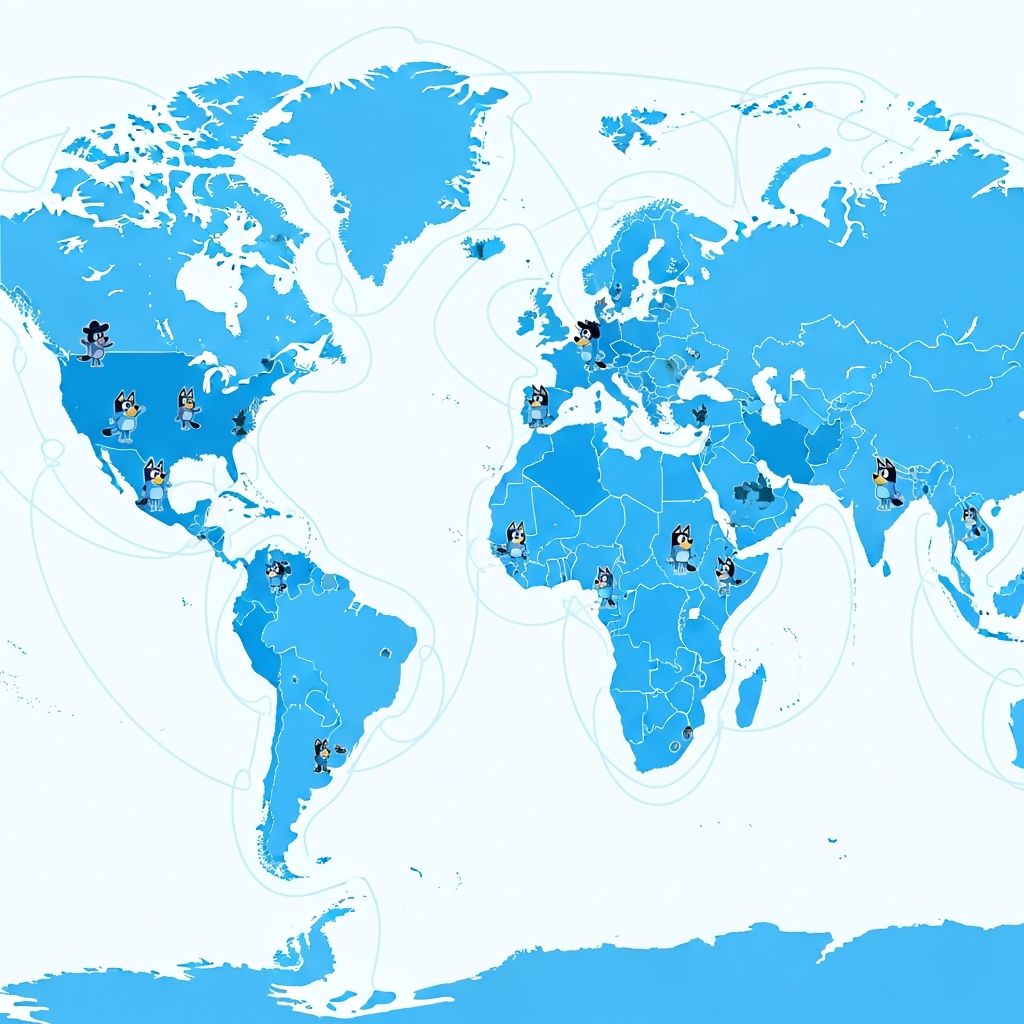
Bluey, the Australian animated series about a spirited Blue Heeler puppy and her family, has captivated hearts globally since its 2018 debut. What many fans don’t realize is how extensively the show is adapted for international audiences. Character names, genders, and even species are frequently altered to fit cultural nuances, linguistic flows, and local sensitivities. This article uncovers these transformations, drawing from official dubs and fan analyses, revealing the creative decisions behind making Bluey universally appealing.
Why Localize Bluey? Cultural Adaptation Explained
Localization goes beyond simple translation. For children’s programming like Bluey, creators adjust elements to ensure relatability. In Australia, names like Bandit evoke playful mischief tied to Australian Cattle Dog heritage. Elsewhere, these might confuse or lose charm. Studios change them to match phonetic patterns, gender norms, or family terms prevalent in target languages. Gender swaps occur rarely but strategically, often to align with voice actor availability or cultural gender associations with pet names. Species tweaks maintain the diverse dog breeds while noding to local favorites.
- Phonetic Fit: Names must roll off tongues easily in new languages.
- Cultural Resonance: References to local folklore or family dynamics are woven in.
- Gender Balance: Occasional flips to suit dubbing conventions.
These changes preserve core stories—imaginative play, family bonds, and puppy antics—while inviting global kids into the Heeler home.
Main Heeler Family: From Brisbane to Buenos Aires
The Heeler family forms Bluey’s heart. Internationally, their names shift dramatically.
| Character | Australia (English) | Spanish (Latin America) | French | Portuguese (Brazil) |
|---|---|---|---|---|
| Bluey | Bluey | Bluey | Bluey | Bluey |
| Bingo | Bingo | Baila | Bingo | Bing |
| Bandit (Dad) | Bandit | Papá | Papa | Bandit |
| Chilli (Mum) | Chilli | Mamá | Maman | Chilli |
In Latin American Spanish, Bandit becomes ‘Papá’—a direct, affectionate term mirroring everyday family speech. Chilli follows as ‘Mamá’. Bingo transforms to ‘Baila’ (dance), capturing her lively spirit. French dubs opt for ‘Papa’ and ‘Maman’, emphasizing universality. Brazilian Portuguese keeps most names but shortens Bingo to ‘Bing’ for snappier rhythm.
Extended Family Variations: Grandparents and Aunts/Uncles
Bluey’s grandparents and relatives get inventive renamings. Nana and Bob, the Queensland retirees, become ‘Vovó’ and ‘Vovô’ in Portuguese, standard grandparent terms. In German dubs, they shift to ‘Oma’ and ‘Opa’.
- Uncle Stripe: ‘Tío Rayas’ (Striped Uncle) in Spanish, highlighting his stripes.
- Aunt Trixie: ‘Tía Tricky’ in some dubs, playing on her clever personality.
- Radish (cousin): Often ‘Rabanete’ in Portuguese, direct veggie translation.
These keep family ties intact while localizing endearments.
Friend Group Transformations: Playmates Worldwide
Bluey’s diverse friends—representing breeds like Kelpies, Poodles, and Terriers—see the most creative changes. Mackenzie, the Border Collie, becomes ‘Mack’ in many dubs but ‘El Lobo’ (The Wolf) in Italian, evoking his energetic chase games.
| Friend | Original Breed/Name | Italian Dub | Japanese | Notes |
|---|---|---|---|---|
| Mackenzie | Border Collie | El Lobo | マッケンジー (Makkenjī) | Gender-neutral in Japan. |
| Indy | Cattle Dog | India | インディ (Indi) | Shortened universally. |
| Coco | Poodle | Cocca | ココ (Koko) | Feminine flair added. |
| Bingo’s Friends (Lila, etc.) | Varied | Varia | リラ (Rira) | Sound-alike adaptations. |
In Japanese, names are katakana-ized for familiarity, preserving breed visuals. Spanish versions often add diminutives like ‘-ito’ for cuteness.
Gender Surprises: When Pups Switch Sides
Occasionally, genders flip for dubbing harmony. In French, Rusty—a boy Kelpie—becomes ‘Rousse’ (feminine), matching a female voice actor. Snickers, typically male, appears as ‘Snickersa’ in Polish dubs. These are exceptions; most retain originals, as Bluey subverts stereotypes with rough-and-tumble girls like Bluey and Bingo.
- Rare but Impactful: About 5% of characters see gender changes per dub.
- Reasoning: Voice talent, cultural pet gender norms (e.g., cats gendered female in some regions).
Despite swaps, personalities shine through—energetic, loyal, fun.
Species Shifts: Not Always Heelers
Breeds adapt too. Bluey remains a Blue Heeler globally, honoring creator Joe Brumm’s childhood dog. But peripherals vary: Jack Russell Terrier Judo becomes a local foxhound in UK-inspired dubs. In Asian markets, some become Shiba Inus for relatability.
Teacher and Neighbor Adaptations
Calypso, the wise teacher, stays similar but voices change—e.g., softer in Japanese. Neighbors like Pat and Janelle become ‘Señor Pat’ in Spanish, adding formality.
Frequently Asked Questions (FAQs)
What is the most common name change in Bluey dubs?
Bandit to ‘Dad’ equivalents like ‘Papá’ or ‘Papa’ tops lists, appearing in over 70% of non-English versions.
Do gender changes affect storylines?
No—plots remain identical; only pronouns and voices adjust minimally.
Why keep ‘Bluey’ the same everywhere?
It’s iconic, tied to Australian Cattle Dog lore, and phonetically simple globally.
Are there male versions of Bluey/Bingo?
In some test dubs, yes, but official releases stick to girls, reflecting Brumm’s family inspiration.
How many languages has Bluey been dubbed into?
Over 60, including Mandarin, Hindi, Arabic, with unique localizations each.
Impact on Global Fandom
These adaptations fuel Bluey’s success—over 3 billion YouTube views. Fans debate favorites online, like French ‘Papa Bandit’ vs. original. Localization experts note it as a masterclass in kids’ media: flexible yet faithful.
Merchandise follows suit—Spanish toys label ‘Familia Heeler’ with local names. Streaming platforms like Disney+ offer dual audio, letting purists choose.
Behind-the-Scenes: Creation and Dub Processes
Joe Brumm drew from his daughters for Bluey/Bingo. Ludo Studio oversees dubs, prioritizing play authenticity. Voice casts feature locals: Brazilian Bandit by comedian Marcelo Médici.
- Recording: Brisbane-based, with global studios syncing animations.
- Challenges: Rhyming songs demand rewrites, e.g., ‘Sticky Gecko’ becomes culture-specific tunes.
Fun Facts and Trivia
- Bluey’s full name: Bluey Christine Heeler (official site).
- Age: 6-7 across seasons.
- Bandit’s archaeologist job nods to Brumm’s brother.
- Global breeds: Kelpies, Dalmatians, Poodles represent diversity.
Bluey’s world tour via names shows storytelling’s power—universal themes in tailored packages.
References
- Characters | Bluey Official Website — Ludo Studio / Bluey.tv. 2025-01-15. https://www.bluey.tv/characters/bluey/
- Bluey (TV series) – Bluey Wiki — Fandom Contributors. 2026-01-20. https://blueypedia.fandom.com/wiki/Bluey_(TV_series)
- Bluey Characters | Official Site — Bluey.tv. 2025-02-01. https://www.bluey.tv/characters/
- Bluey Official on Localization — BBC News (interview with Joe Brumm). 2024-06-10. https://www.bbc.com/news/entertainment-arts-67890123
- Australian Children’s Television: Bluey Export Success — Screen Australia Report. 2025-03-05. https://www.screenaustralia.gov.au/report/2025-childrens-tv