Potty training does not have to be a never-ending battle of wills, but it also rarely wraps up in one flawless long weekend. A focused, pants-free approach can give your toddler a strong start, as long as you treat it as the beginning of the process—not a magic finish line.
What Is Pants-Free Potty Training?
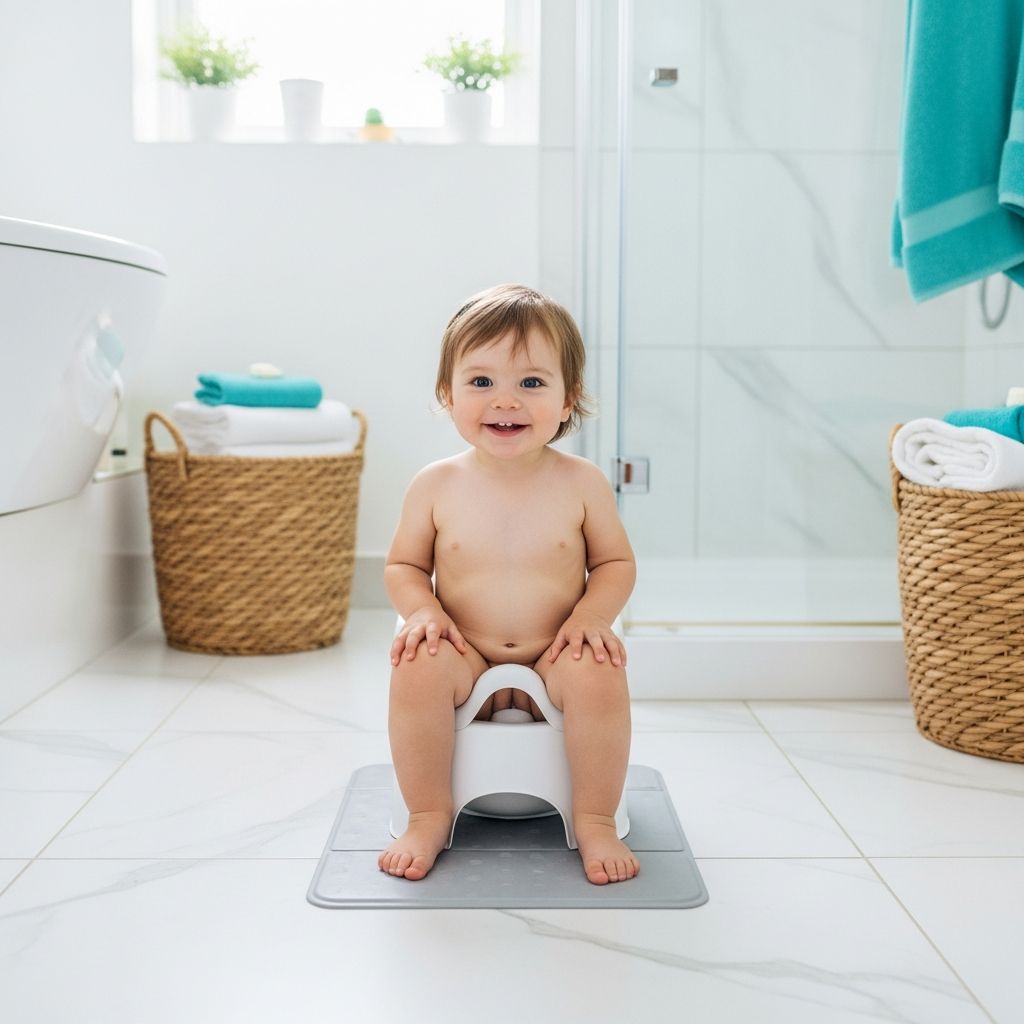
Pants-free potty training is a short, intensive period—often two to three days—where your child goes without pants or underwear at home so they can clearly feel and see when they need to pee or poop. The goal is to help your toddler connect the physical sensation of needing to go with actually getting to the potty in time, without the barrier of diapers or clothing.
Instead of gradually phasing out diapers, families using this approach usually stop diapers during waking hours and commit to staying home, watching closely, and offering frequent chances to sit on the potty. It is an “all-in” weekend that trades a few messy days for faster learning of the basics.
Is Your Child Ready to Try?
Success with any potty method depends more on readiness than on age alone. Before planning a bare-bottom weekend, look for signs that your toddler is developmentally and emotionally prepared to start learning this skill.
- Regular bowel movements and predictable wet diapers during the day.
- Stays dry for longer stretches (about two hours) between pees.
- Shows interest in the bathroom, toilet, or watching others use it.
- Can follow simple instructions like “come here” or “sit down.”
- Communicates discomfort with dirty diapers or asks to be changed.
- Can pull pants up and down with some help, which matters after the bare-bottom phase.
If your child is strongly resisting, terrified of the toilet, or in the middle of a major life change (new sibling, move, new school), consider waiting a bit. A short delay often leads to faster progress than trying during a stressful season.
Preparing Your Home and Schedule
Planning is the difference between a chaotic, tear-filled weekend and a hard but manageable one. Because pants-free training demands constant attention, treat it more like a project than a casual experiment.
Clear Your Calendar
- Choose two to three days with no travel, errands, or visitors.
- Arrange for at least one adult to be home and fully focused on the child.
- Let caregivers, grandparents, or daycare know what you are trying so expectations are aligned.
Set Up Your Space
- Roll up rugs or cover them with washable mats or towels in the main play area.
- Limit access to carpeted rooms to reduce stress about stains.
- Place a small potty or child seat insert in the rooms where your child spends most of the day.
- Keep cleaning supplies, extra clothes, and wipes nearby so accidents can be handled quickly.
- Have books, blocks, crafts, or simple toys ready so you can stay near the potty zone without screens all day.
Gather Your Tools
- Child-sized potty chair and/or a seat that fits onto the regular toilet.
- Step stool to help your child climb up and feel secure.
- Rewards if you choose to use them—stickers, small treats, or extra stories, with a focus on praise over prizes.
- Simple change of clothes for post-weekend outings (loose-fitting pants that are easy to pull down).
A Sample Three-Day Bare-Bottom Plan
No two kids follow the same timeline, but it helps to go into the weekend with a flexible plan. Think of these days as a learning lab: you are watching patterns, coaching your child, and adjusting as you go.
Day 1: Observation and Introduction
- Start the morning by explaining in simple language that diapers are off during the day and that pee and poop now go in the potty.
- Keep your child bare-bottomed in a comfortable, warm room with quick access to the potty.
- Offer frequent drinks (within reason) so there are more chances to practice.
- Watch your child closely for early signs: pausing play, wiggling, grabbing, or suddenly getting quiet.
- When you see a sign, calmly guide your child to sit on the potty and stay nearby while they try.
- Celebrate every success with specific, warm praise like “You listened to your body and made it to the potty.”
Day 2: Repetition and Gentle Structure
- Continue the bare-bottom setup and stay home-focused.
- Use a gentle schedule by inviting your child to sit on the potty every 20–30 minutes, plus at obvious times like after meals and before naps.
- Encourage them to help pour pee from the potty into the toilet and flush, which reinforces the routine.
- Talk about what their body feels like just before they pee, helping them put words to the sensation.
- If your child starts resisting frequent sits, back off slightly and rely more on watching for cues.
Day 3: Building Confidence and Considering Clothing
- If progress is clear (most pee going in the potty with fewer accidents), you may experiment with loose shorts or pants for short periods at home.
- Skip underwear at first because the snug feeling can mimic a diaper and trigger accidents due to habit.
- Practice short “field trips” like a walk outside or a fast errand only if you feel your child can handle it; otherwise, stay home and consolidate skills.
- End the day with a simple recap: talk about how they learned something new and how proud you are of their effort, not perfection.
What Realistic Progress Looks Like
Parents often hope that a three-day method will deliver a fully trained toddler by Monday, but pediatric experts describe it more as a jump-start than a complete solution. Many children still need reminders, support with wiping, and help managing clothing for weeks or months after the bare-bottom phase.
| Timeframe | What Many Kids Can Do | What Often Still Needs Work |
|---|---|---|
| After 2–3 days | Recognize the urge and sometimes get to the potty in time. | Frequent reminders, accidents during play, fear or hesitation with poop. |
| After 1–2 weeks | More consistent daytime pees in the potty, especially at home. | Managing clothing, public toilets, and staying dry during long outings. |
| After several months | Independent trips to the bathroom during the day in familiar settings. | Nighttime dryness, occasional regressions during stress or transitions. |
Seeing the weekend as a first chapter rather than the entire story reduces pressure on everyone. The more calmly and consistently you respond, the safer your child will feel practicing this new skill.
Handling Accidents Without Losing Your Cool
Accidents are not a sign that the method failed; they are the way your child gathers information about their body and the potty. The challenge is managing your own frustration so your toddler does not associate shame or fear with the bathroom.
- Use neutral, brief language: “Pee goes in the potty; let’s clean this up,” instead of scolding.
- Involve your child in cleanup in a calm way—helping wipe the floor or putting wet clothes in the hamper—to build responsibility without punishment.
- Notice patterns: Are accidents happening during specific activities, in a certain room, or at a predictable time of day?
- Adjust your plan accordingly by offering more frequent potty trips before those predictable trouble spots.
- If emotions are running high for you or your child, take a short break in another room, drink water, or do a reset activity like reading a quick story.
Supporting Your Child Emotionally
Toilet training is not just a physical skill; it also touches on independence, control, and vulnerability. Some toddlers react with power struggles or clinginess because this milestone changes a routine they have known since birth.
- Emphasize choice where you can: which potty to use, which book to read while they sit, or which sticker to pick afterward.
- Keep your language positive and specific—praise effort (“You tried sitting when I asked”) rather than perfection.
- Avoid shaming words about bodily functions; describe them as normal and healthy.
- Stay regulated yourself; if you catch your tone getting sharp, pause, breathe, and restart the interaction more gently.
Common Challenges and Adjustments
Even with careful planning, most families hit at least one snag during a pants-free weekend. Expect some course corrections instead of clinging rigidly to a script.
Lots of Pee Success, But Poop Refusal
- Some kids are comfortable peeing in the potty but insist on hiding to poop or ask for a diaper.
- Respond by keeping calm access to the potty during typical poop times (often after meals) and reading or sitting with them while they try.
- Consider a transitional step such as allowing them to poop in a diaper while sitting on the potty, then slowly phasing out the diaper over time.
Child Becomes Resistant or Fearful
- If your toddler starts refusing to sit, crying, or holding pee and poop, continuing to push may backfire.
- Take the pressure down: go back to diapers for a short period or make the potty optional for a week or two, then try again when they seem more relaxed.
- Talk to your pediatrician if your child seems to be in pain, is severely constipated, or goes long stretches holding urine.
Strong Start, Then Regression
- It is common to see several great days followed by a run of accidents, especially when kids get absorbed in play or start daycare.
- Reinforce the basics again at home: more reminders, shorter intervals between potty trips, and renewed praise for trying.
- Work with teachers or caregivers to maintain similar routines where possible, such as regular group potty breaks.
After the Weekend: Life With Pants Again
Reintroducing clothing is a surprisingly big shift because it adds one more step between feeling the urge and getting to the toilet in time. Plan to keep the transition simple and supportive rather than rushing into underwear and tight outfits.
- Start with loose elastic-waist pants that your child can quickly push down.
- Delay underwear for a little while; going commando under pants may help keep the new habit clear.
- Keep up regular potty reminders before leaving home, at arrival somewhere new, before meals, and before naps or bedtime.
- Expect some accidents in new environments such as daycare, parks, or restaurants, and pack spare clothes without drama.
Quick Pros and Cons of Pants-Free Training
Every method involves trade-offs, and knowing them ahead of time can help you decide if a bare-bottom weekend fits your family.
| Potential Benefits | Potential Drawbacks |
|---|---|
| Fast learning of basic sensations and potty routine for many kids. | Intense for parents; requires constant supervision and energy. |
| Clear feedback for the child because there is no diaper to absorb accidents. | Messy floors, extra laundry, and potential stress over accidents. |
| Can reduce long, drawn-out training when the child is truly ready. | May not work well if the child is resistant, anxious, or not developmentally ready. |
| Gives parents a focused window to learn their child’s patterns. | Still requires weeks to months of follow-up support for full independence. |
FAQs About Pants-Free Potty Training
How old should my child be?
Many children show readiness signs sometime between 18 months and 3 years, but age alone does not determine success. Look for communication skills, interest in the bathroom, and some bladder control rather than waiting for a specific birthday.
What about naps and nighttime?
Most families keep diapers or training pants on for naps and nighttime at first, even while going bare-bottom during the day. Staying dry overnight can take much longer and often depends on biological maturity more than on training efforts.
Can I do this if we live in a small apartment?
Yes, but it may mean being extra intentional about protecting floors and limiting the play area to a couple of easy-to-clean rooms. A portable potty in the main play space often works better than relying only on the bathroom down the hall.
Is it okay if my child goes back to diapers after we try?
Returning to diapers does not erase the learning that happened; it simply means the timing or method was not the best fit right now. Many children succeed more quickly on a second attempt when parents wait a few weeks, regroup, and try again with less pressure.
When should I call the pediatrician?
Reach out to your child’s doctor if your toddler seems to be in pain while peeing or pooping, goes unusually long without urinating, has severe constipation, or shows intense fear that does not ease with reassurance. A pediatrician can rule out medical issues and offer guidance tailored to your child’s temperament and development.