Babies communicate love through instinctive behaviors rooted in secure attachment, where they view caregivers as a reliable safe haven for exploration and comfort. These signs emerge from consistent responsive caregiving, promoting emotional confidence and developmental health.
Building a Foundation of Trust Through Responsive Care
Secure attachment develops when caregivers consistently respond to an infant’s cues like cries or coos with warmth and attunement, teaching the baby that their needs matter. This reciprocity fosters a sense of safety, allowing babies to express affection through balanced exploration and emotional seeking.
Infants with this foundation anticipate caregiver availability, integrating distress signals with calm returns to play after reassurance. Such dynamics create a coherent emotional world where babies feel the environment is predictable and supportive.
Exploring Boldly with You as Their Safe Anchor
One clear indicator of a baby’s affection is using parents as a ‘secure base’ for adventures. Securely attached infants venture out to investigate toys or spaces but frequently glance back, smile, or return for brief check-ins, balancing curiosity with proximity.
This pattern differs from insecure attachments, where babies either cling excessively or wander without reassurance checks. Healthy explorers pause play if the caregiver departs, signaling distress via cries or rapid returns, then resume confidently upon reunion.
- They crawl short distances, pivot to gauge your reaction, and beam with delight at your encouragement.
- Play sessions show sustained focus and creativity, reflecting trust in your nearby presence.
- In new settings like playgrounds, they wave or call out during exploits, sharing triumphs.
Expressive Smiles and Gaze That Light Up Reunions
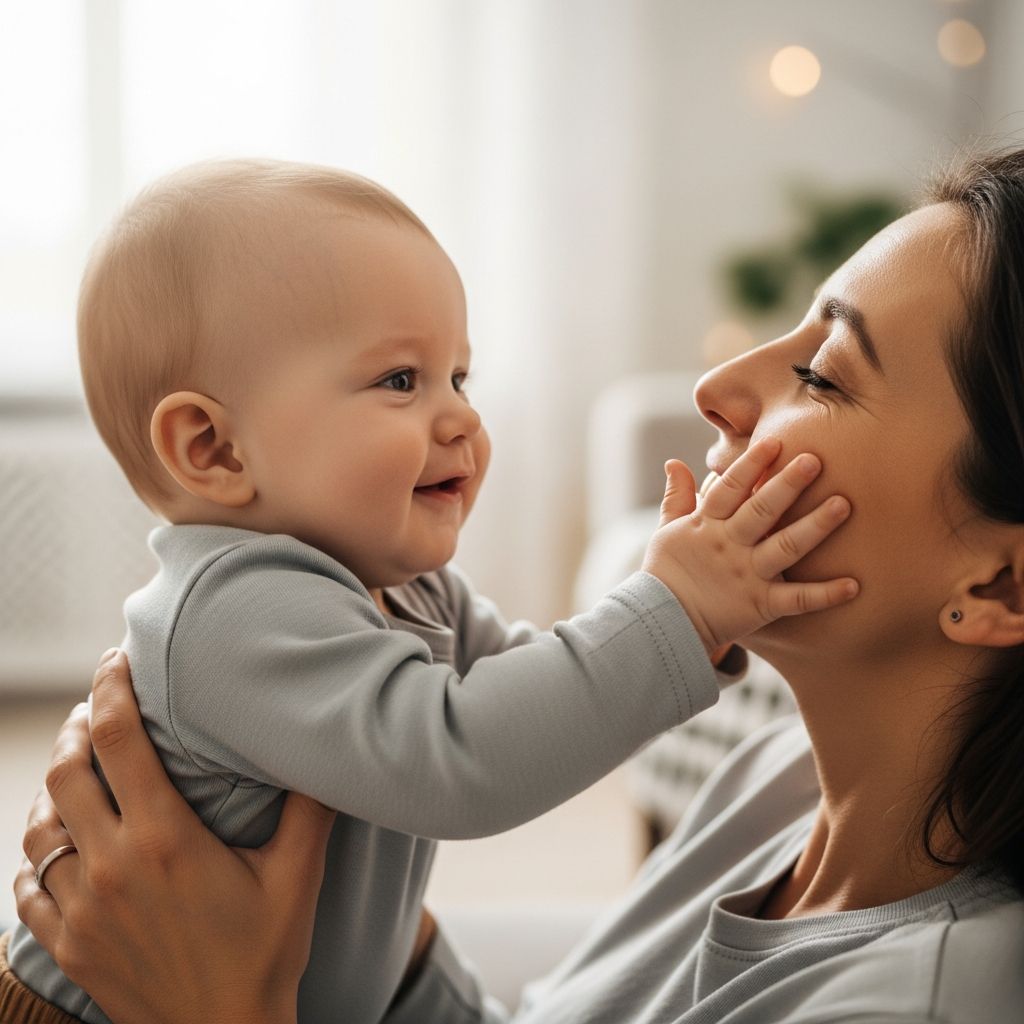
Bright, directed smiles upon seeing you, especially after separations, reveal profound attachment. These aren’t random grins but targeted joy, often paired with wide-eyed gazes and reaching gestures, conveying ‘You’re my favorite person.’
Secure babies greet returns warmly, shifting from any distress to relaxed positivity without lingering upset. This emotional reset underscores their faith in your reliability.
| Age Range | Typical Loving Gaze Behavior |
|---|---|
| 0-3 months | Social smiling at familiar faces, locking eyes during feeds. |
| 3-6 months | Excited cooing and leg-kicking at your approach. |
| 6-12 months | Anticipatory grins and arm raises before pickup. |
Turning to You First in Moments of Need
When upset, hurt, or startled, securely bonded babies instinctively seek your comfort through cries, clinging, or eye contact, trusting you’ll soothe them effectively. This preference over strangers highlights your unique role as emotional regulator.
Unlike those with attachment challenges, who may avoid solace or show indifference, loving infants calm quicker in your arms, cry less overall, and cooperate post-reassurance.
- Post-bump or fall: They scan for you immediately, melting into hugs.
- During stranger encounters: Subtle wariness resolves with your proximity.
- Bedtime routines: They settle faster with your voice or touch.
Delightful Sharing and Inclusive Play Gestures
Babies express love by offering toys, pointing at discoveries, or mimicking your actions, inviting joint engagement. This sharing stems from secure bonds, where they view you as a partner in joy, not just a provider.
Secure toddlers show empathy, consoling your mock sadness or celebrating shared wins, building mutual reciprocity. They engage strangers confidently but revert to you for validation.
Calm Cooperation and Preference in Daily Routines
Affection manifests in easier transitions: secure babies accept being set down, follow gentle directions, and delay gratification without meltdown, trusting promises like ‘toy soon.’
They prefer your company, using nuanced signals—gestures over cries—by one year, reflecting emotional maturity from attuned interactions.
Physical Closeness and Synchrony in Interactions
Cuddles, nuzzling, and synchronized ‘conversations’—mirroring coos or faces—deepen bonds. Babies lean in during holds, protest mildly if overstimulated, showing attuned connection.
Avoiding ‘proximate separation’ like distracted phone use preserves this; present responsiveness elicits more affectionate initiations.
Long-Term Benefits of Recognizing These Bonds
Spotting these signs reinforces responsive parenting, yielding resilient kids with strong social skills, empathy, and self-regulation. Secure attachment buffers stress, enhancing cognitive growth and relationships lifelong.
Consistent warmth—holding, talking, imitating—amplifies these expressions, creating cycles of mutual delight.
Frequently Asked Questions
What if my baby doesn’t show all these signs?
Development varies; focus on responsive care. Consult professionals if persistent distress or avoidance appears, as early intervention supports healthy bonds.
How can I encourage secure attachment?
Respond promptly to cues, maintain eye contact, narrate emotions, and provide consistent routines. Skin-to-skin and play build trust naturally.
At what age do these love signs appear?
Basics start at 6-8 weeks with social smiles; full secure base behaviors by 6-12 months. Track progress individually.
Do all babies prefer parents over others?
Secure ones do, showing stranger anxiety around 8 months, resolving with your reassurance—a positive attachment marker.
Can attachment change over time?
Yes, sensitive caregiving can shift insecure patterns to secure, especially before age 3, through attuned responses.
References
- Signs of Secure Attachment in Infants — Simply Psychology. 2023. https://www.simplypsychology.org/signs-of-secure-attachment-in-infants.html
- 7 Subtle Signs Your Child Lacks Secure Attachment — YouTube (Attachment Project channel). 2023-10-15. https://www.youtube.com/watch?v=H7d5YaitgD8
- Secure Attachment in Babies and Toddlers: Signs and Development — Attachment Project. 2024. https://www.attachmentproject.com/blog/secure-attachment-style-infants/
- 7 Signs of Healthy Attachment in Children — Launchpad Counseling. 2022-05-12. https://www.launchpadcounseling.com/posts/signs-your-child-has-developed-a-healthy-attachment
- Attachment and Child Development — NSPCC Learning. 2025. https://learning.nspcc.org.uk/child-health-development/attachment-early-years