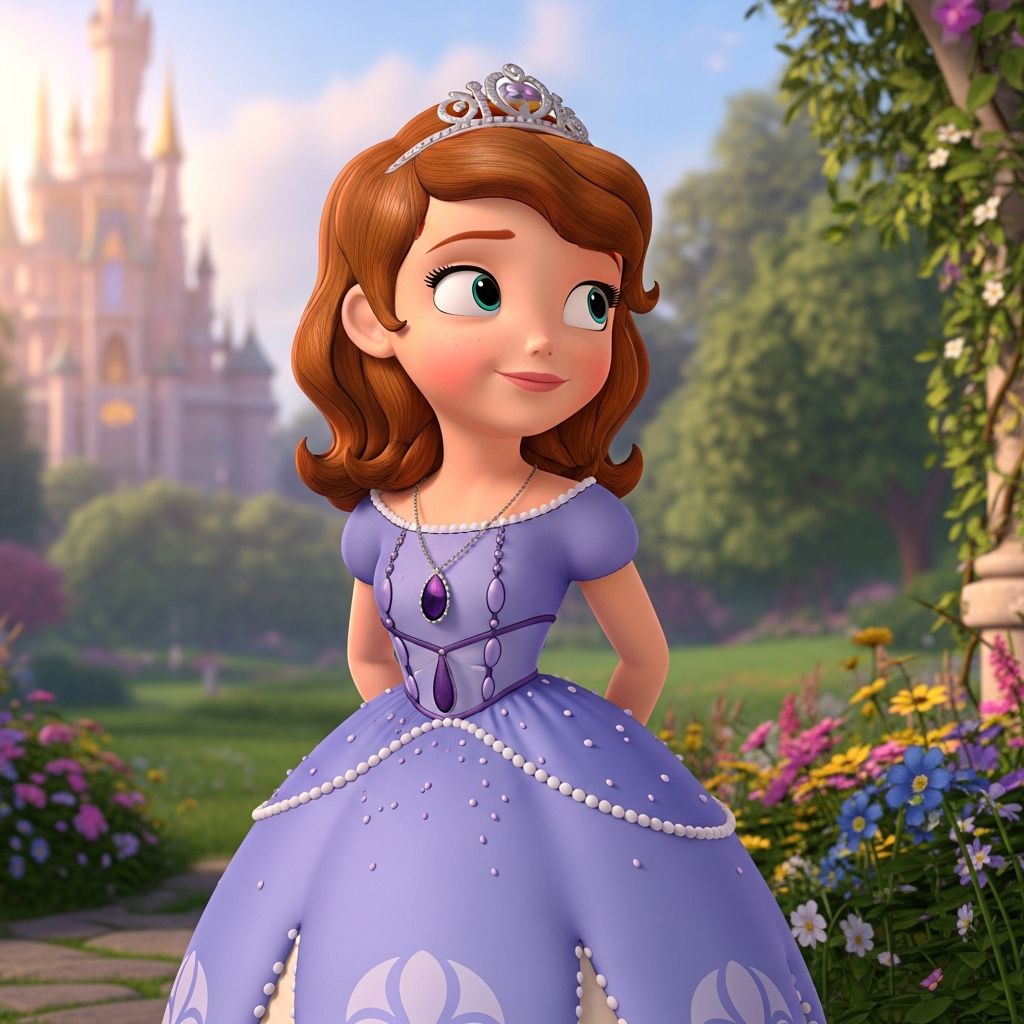
When an animated preschool show about a tiny purple-dressed princess first appeared, few parents expected it to become such a long-running fixture in their living rooms. Years later, saying goodbye to Sofia the First turned out to be surprisingly emotional — not only for kids, but also for the actress behind Sofia’s voice and the parents who watched their own children grow up alongside her.
More Than Background Noise: Why This Little Princess Hit Big
At first glance, Sofia the First looked like yet another sparkly princess show. But it quickly stood out because it treated its young audience with unusual respect. Storylines leaned into empathy, problem-solving, and moral nuance rather than simple good-versus-bad plots, helping preschoolers practice emotional skills long before they had words for them.
Parents noticed that Sofia rarely won the day through magic alone. Instead, she listened, apologized when she was wrong, and tried to understand other characters’ perspectives. That approach helped kids see kindness as a strength and turned the show into a quiet ally for caregivers trying to model emotional intelligence at home.
- Sofia navigated blended family dynamics, giving kids in similar situations a gentle on-screen mirror.
- Conflicts often ended in reconciliation and growth rather than humiliation or punishment.
- The show blended fantasy with grounded social lessons, which made it easy for parents to talk about real-life situations after each episode.
Growing Up In Real Time: The Voice Behind Sofia
Part of what made the goodbye so poignant is that the voice actress who played Sofia literally grew up with the character. She started voicing Sofia as a child and completed the role as a young adult, which meant her changing voice, timing, and performance matured season by season.
That evolution did more than just keep the character sounding authentic. It created a parallel timeline: as the actress moved through school, friendships, and early adulthood, kids watching the show were making their own leaps — from toddlerhood to early elementary school, from nap times to sleepovers.
| Stage | On-Screen Sofia | Behind the Mic |
|---|---|---|
| Early seasons | Awkward new princess learning palace rules and etiquette. | Young voice actor discovering long-form recording and character work. |
| Middle seasons | More confident, taking on leadership and protector roles. | Growing range, able to handle heavier emotional and action scenes. |
| Final episodes | Graduating, making bigger sacrifices, and facing real danger. | Seasoned performer saying goodbye to a character she had inhabited for years. |
By the final recording sessions, the goodbye was not just about the series ending. It was also about a young performer stepping out of a childhood role and into the next chapter of her career, mirroring the graduation theme that closed Sofia’s story.
A Farewell That Felt Personal
When the series wrapped, the way the actress and creative team said goodbye carried a deeply personal tone. Instead of a perfunctory sign-off, the departure emphasized gratitude, nostalgia, and a sense of shared journey with the show’s audience.
Behind-the-scenes reflections often highlighted the letters and fan encounters that meant the most: children drawing pictures of Sofia, parents sharing how episodes helped explain friendship conflicts or sibling jealousy, and kids from blended families who finally saw themselves reflected in a royal story. The farewell acknowledged those stories as central, not incidental, to the show’s legacy.
- Messages to fans tended to focus on thanking children for “growing up with” Sofia, not just for watching.
- Cast members frequently spoke about the impact of hearing from parents during difficult seasons of their children’s lives.
- The tone of the goodbye made it clear that the show’s success was measured in feelings and memories, not only in ratings or merchandise.
How Kids’ Shows Become Emotional Landmarks for Parents
For many caregivers, the end of a long-running kids’ show marks more than the conclusion of a TV storyline. It often coincides with the end of a phase in their child’s life: the last year they fit in a certain pair of pajamas, the final stretch of bedtime snuggles before they start reading alone, the slow fading of mispronounced character names.
Because Sofia the First lasted for several years, it anchored daily routines. Episodes played while parents made lunches, folded laundry, or recovered from yet another round of preschool colds. The finale signaled that the toddler who once danced to the theme song might now be grading school spelling lists or asking for more grown-up shows.
- Saying goodbye to a kids’ show lets parents grieve the earlier version of their child they watched it with.
- Finishing a series together can become a milestone moment, like measuring height on the doorframe.
- Shows that emphasize growth and graduation, like Sofia’s, intensify that sense of turning a page.
What Sofia Taught About Kindness and Courage
One reason the farewell resonated so strongly is that it forced families to look back at what, exactly, Sofia had been teaching all those years. Underneath the tiaras and talking rabbits, the show consistently framed bravery as something rooted in empathy and responsibility, not just daring stunts.
Episodes repeatedly showed Sofia making mistakes, owning them, and fixing what she could. That pattern helped normalize apologizing and trying again, which many parents echoed at home when sibling fights broke out over toys or playground slights.
- Courage was depicted as sticking up for outsiders, not just facing dragons.
- Royalty was framed as service and stewardship, countering a purely glamorous vision of princess life.
- Magic amulets and mythical creatures never replaced the importance of listening and compromise.
The Power of a Good Goodbye in Children’s Media
Children’s shows do not always get a true ending. Some vanish quietly from schedules or are replaced without explanation, leaving storylines dangling. Sofia the First was given space to wrap up, which let writers and performers craft a conclusion that respected its young viewers.
Structured farewells help kids practice closure in a safe, low-stakes environment. Watching favorite characters graduate, move on, or complete a mission can provide a gentle template for understanding preschool graduations, family moves, or changing friendships in real life.
- Intentional finales model that good things can end without being erased or forgotten.
- They offer chances for families to reminisce about early episodes and favorite moments.
- They reinforce the idea that growing up means carrying lessons forward rather than clinging to the past.
How Parents Can Mark the End of a Beloved Kids’ Show
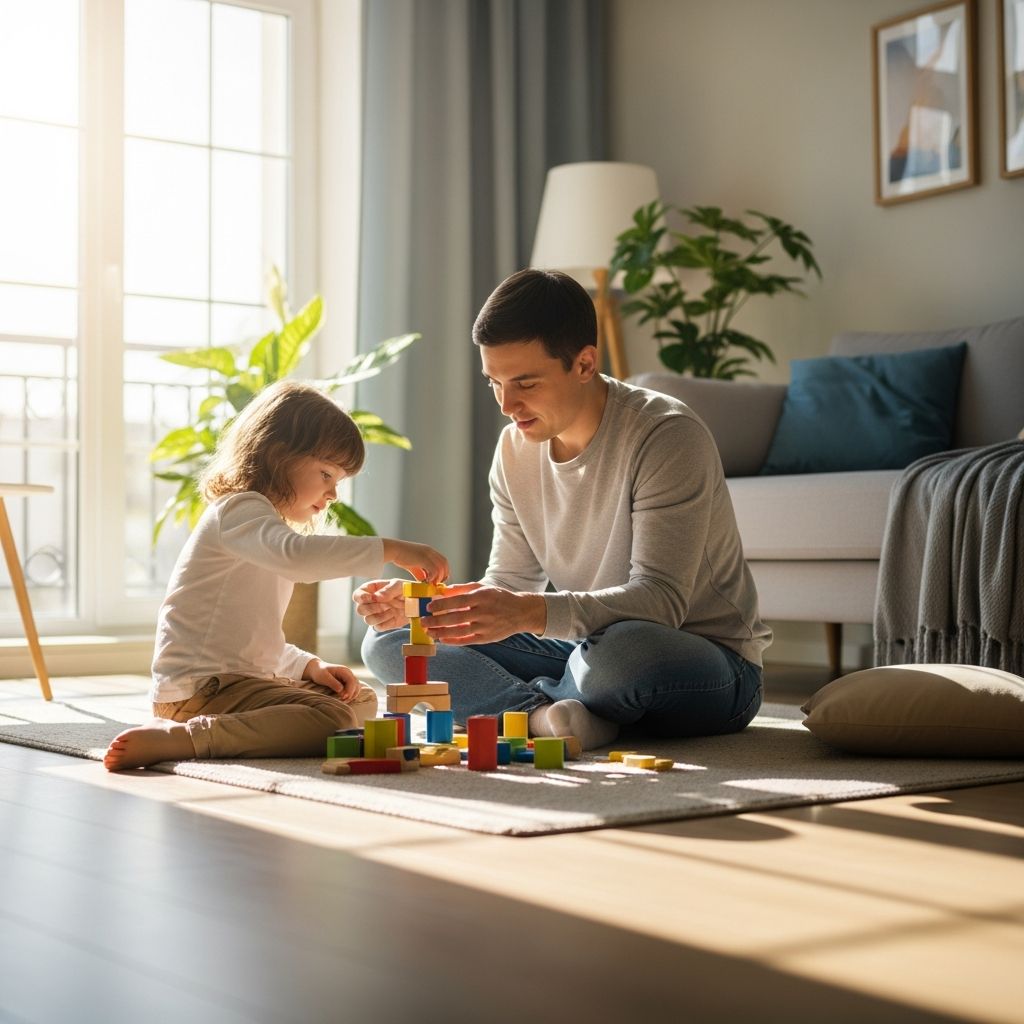
When a series that has been part of your child’s routine for years comes to an end, turning that final viewing into a small ritual can transform it from a sad moment into a meaningful one. Families can use the farewell to reflect on how their children have grown and what they have learned — both from the show and from everyday life.
Instead of simply letting auto-play roll to something new, consider turning the credits of the last episode into a pause point. That small gap in the viewing experience is where deeper conversations can happen, even with very young kids.
- Ask your child what they liked best about the show and which character they felt most similar to.
- Share a specific memory of when you first watched the series together.
- Talk about a moment when something from an episode helped your family through a conflict or tough day.
Continuing Sofia’s Lessons After the Credits Roll
Even after kids age out of a particular show, the values it modeled can keep shaping family life. Parents who appreciated Sofia’s focus on empathy and responsibility can weave those themes into new stories, games, and conversations long after the final episode.
The goal is not to stretch a show beyond its natural lifespan but to recognize that it has contributed ideas and vocabulary the whole household can still use. When a sibling shares a toy or comforts a friend, a quick callback to “that’s exactly the kind of thing Sofia would have done” can reinforce positive behavior with a familiar frame.
- Use character names as shorthand for certain virtues, like “doing it the Sofia way” when a child chooses kindness.
- Encourage kids to draw or write their own short stories where characters face similar dilemmas.
- Introduce new shows or books by comparing how their heroes solve problems compared to Sofia.
What This Goodbye Reveals About Kids’ Culture Now
The strong emotional response to the end of Sofia the First reveals how modern children’s media has shifted. Families are not just consuming content; they are forming attachments and using shows as springboards for discussion, play, and even early moral education.
A carefully handled farewell, especially one in which the lead actress shares her own gratitude and reflections, recognizes that relationship between show and audience. It acknowledges that the series has been an invisible co-parent at times: entertaining kids while adults showered, smoothing bedtime routines, and providing language for tricky feelings.
FAQs About Sofia the First and Its Farewell
Why did families react so strongly to the end of Sofia the First?
For many households, the show had been on in the background during key early childhood years, so the finale marked the end of a whole season of family life. Parents were not only losing a reliable, gentle series for their kids; they were also realizing their children had grown far beyond the toddlers who first sang along to the theme song.
How did the actress who voiced Sofia say goodbye?
The performer behind Sofia treated the goodbye as a heartfelt thank-you to fans, talking about how much the character meant to her and how honored she felt to grow up with the audience. That sincerity helped the farewell resonate beyond the usual press-release language that often accompanies kids’ TV endings.
What made Sofia the First different from other princess shows?
Unlike many princess stories that lean heavily on romance or simple fairy-tale resolutions, Sofia’s adventures centered on friendship, family dynamics, and personal responsibility. The show consistently framed kindness, listening, and fairness as the most powerful forms of magic.
Is it healthy for kids to feel sad when a show ends?
Yes. Feeling sad about a show ending is a safe, manageable way for kids to practice coping with change and loss. When adults validate those feelings and help children reflect on favorite memories, it becomes a valuable emotional learning experience rather than just a disappointing TV moment.
How can parents keep the positive lessons from Sofia alive?
Parents can keep referencing the show’s values in everyday life, like pointing out when a child shows bravery or empathy in a way that echoes Sofia. They can also introduce books and new series with similar themes, using familiar characters as stepping stones toward more complex stories as kids mature.
Beyond the Castle Gates: Carrying the Story Forward
In the end, the best measure of Sofia the First is not how many episodes it produced or how much merchandise it sold, but how it helped children — and their parents — practice being a little braver and a little kinder. The actress’s warm goodbye underscored that this was always the heart of the series.
Saying farewell to Sofia is also an invitation for families to notice just how far they themselves have come. The castle gates may close on one story, but the lessons learned inside carry on in lunchbox notes, playground choices, and the quiet moments when a child decides, entirely on their own, to do the right thing.