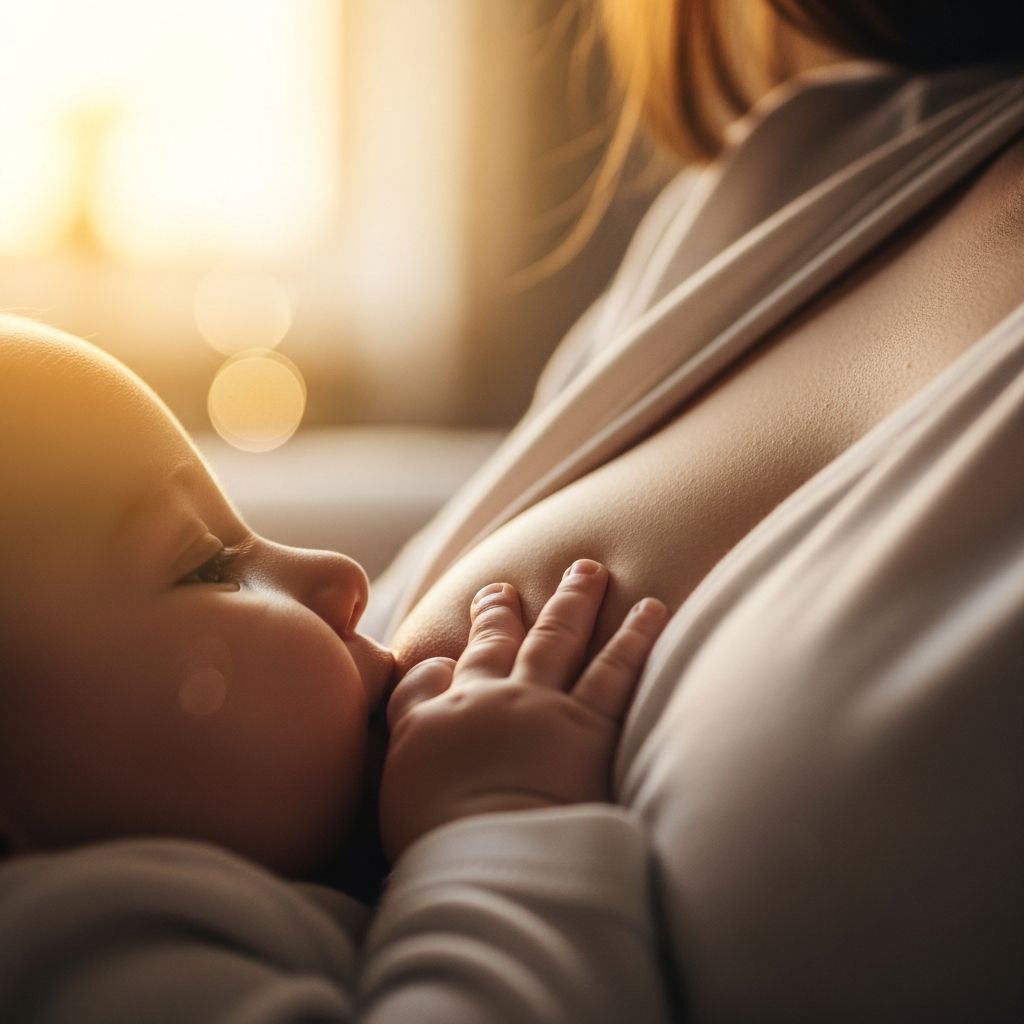
In an era dominated by fast fashion and overseas production, one determined new mother is challenging the status quo by bringing high-quality, domestically produced baby products back to the forefront. Her venture not only addresses parents’ concerns about safety and sustainability but also supports local economies and skilled American workers. This story highlights the power of maternal instinct combined with entrepreneurial grit.
The Spark of Motherhood Innovation
Becoming a parent often reveals gaps in the market that no existing product can fill. For this entrepreneur, the challenge arose shortly after welcoming her first child. Traditional baby carriers felt cumbersome, lacked breathability, or raised questions about material origins and safety standards. Frustrated but inspired, she sketched designs for a wrap-style carrier that prioritized comfort for both baby and wearer, using soft, natural fabrics sourced responsibly.
With no formal background in textiles or manufacturing, she dove into research, learning about weaving techniques, fabric durability, and ergonomic support. Her goal was simple yet ambitious: create a product that felt like an extension of the body, promoting bonding without compromising on style or function. This personal pain point became the foundation of a business now celebrated for its commitment to **American-made excellence**.
From Home Workshop to National Brand
Starting small, the entrepreneur transformed her living room into a makeshift production hub. Armed with a second-hand sewing machine and bolts of fabric purchased on credit, she handcrafted the initial batch of wraps. Local craft fairs and online marketplaces served as her launchpad, where word-of-mouth from fellow parents fueled early growth.
Scaling required bold moves. She invested in industrial equipment and partnered with U.S.-based seamstresses, ensuring every stitch met rigorous quality controls. Today, her facility hums with activity, employing local talent and producing thousands of units monthly. This shift from solo operation to structured business model demonstrates how **mom-led startups** can thrive by staying true to core values.
Business Growth Timeline
- Year 1: 50 handmade wraps sold at local markets.
- Year 2: Etsy shop launch; first wholesale orders from boutiques.
- Year 3: Dedicated U.S. factory established; national retail partnerships.
- Year 4: Expanded product line including slings and accessories.
Why American Manufacturing Matters for Baby Products
In the baby gear industry, where tiny users demand the utmost safety, domestic production offers unparalleled advantages. U.S. facilities adhere to strict federal regulations, including those from the Consumer Product Safety Commission (CPSC), minimizing risks from unregulated imports. Fabrics are inspected for harmful chemicals, and stitching withstands rigorous pull tests—standards often lax in offshore factories.
Moreover, local manufacturing reduces carbon footprints by cutting shipping distances. Parents appreciate transparency: knowing their child’s carrier was made in a community just miles away builds trust. Economically, it sustains jobs in rural areas hit hard by offshoring, injecting vitality into small-town economies.
| Aspect | American-Made | Imported |
|---|---|---|
| Safety Standards | CPSC-compliant; regular audits | Varies; potential gaps |
| Material Quality | Organic, chemical-free fabrics | Often synthetic blends |
| Environmental Impact | Lower emissions from short supply chains | High overseas shipping |
| Customization | Easy adjustments for U.S. consumers | Standardized, less flexible |
| Job Creation | Supports local workers | Offshore labor |
Balancing Diapers, Deadlines, and Dreams
Juggling newborn feedings with business calls is no small feat, yet this mom makes it look seamless. Her days begin at dawn with family routines, transitioning to factory oversight and marketing strategy. Flexible hours and a supportive partner allow her to attend school events while closing deals.
She credits motherhood for honing her resilience: “Every late-night sewing session mirrored those early wake-ups with baby.” Community plays a role too—networks of mom entrepreneurs share tips on scaling without burnout. Her approach emphasizes self-care, from quick yoga breaks to meal-prep Sundays, proving **work-life harmony** is achievable.
Product Innovation for Real Parents
The flagship wrap features adjustable panels for growing babies, moisture-wicking linings for hot days, and machine-washable materials that retain shape after dozens of cycles. Variants cater to diverse needs: organic cotton for sensitive skin, patterned designs for fashion-forward parents, and plus-size options for inclusive fit.
Customer feedback drives evolution. One parent suggested reinforced seams for active toddlers; another requested instructional videos for first-time users. These iterations keep the brand ahead, with a loyalty rate exceeding 70% among repeat buyers.
Top Features of the Signature Baby Wrap
- Ergonomic design supports hips and spine development.
- Breathable fabrics prevent overheating.
- Quick-drape system for hands-free setup in seconds.
- 100% Made in USA with lifetime stitch guarantee.
- Available in 20+ colors and prints.
Building a Community Around Conscious Parenting
Beyond products, the brand fosters a tribe of like-minded parents through social media challenges, virtual workshops on babywearing safety, and pop-up events at family festivals. Collaborations with pediatricians and lactation consultants add credibility, positioning the company as a trusted authority.
This relational focus yields organic growth: user-generated content floods feeds, with hashtags garnering millions of views. Retailers stock the line not just for quality, but because it resonates with shoppers seeking authenticity in a commoditized market.
Challenges and Triumphs on the Path
Supply chain hiccups, like fabric shortages during peaks, tested resolve. Early funding came from personal savings and family loans, with bootstrapping teaching frugality. Competition from cheap imports loomed, but emphasis on provenance differentiated the brand.
Triumphs include features in national parenting magazines and awards for sustainable business practices. Revenue milestones—hitting six figures in year two—validated the vision, funding expansions like a dedicated R&D team.
Frequently Asked Questions (FAQs)
What makes these baby wraps superior to imports?
They undergo U.S. safety testing, use premium domestic fabrics, and support local jobs, ensuring durability and peace of mind for parents.
Are they suitable for newborns?
Yes, the adjustable design fits from 7 lbs up, with built-in support mimicking natural positions recommended by pediatric experts.
How do I care for the wrap?
Machine wash cold, tumble dry low—retains softness and strength for years of use.
Can dads or caregivers use them too?
Absolutely; unisex designs and simple instructions make them family-friendly.
What’s the return policy?
30-day satisfaction guarantee with free U.S. shipping returns.
The Broader Impact of Mom-Driven Enterprises
This success story mirrors a surge in mother-led businesses addressing family needs. From allergy-safe snacks to innovative nursing gear, these ventures inject fresh ideas into stagnant markets. They prioritize ethics—fair wages, eco-materials—while delivering practical solutions.
Statistically, women-owned firms grow faster in the parenting sector, per U.S. Chamber of Commerce data, as personal experience informs product development. This trend revitalizes communities, empowers women post-maternity, and meets rising demand for transparent supply chains.
For aspiring mompreneurs, the lesson is clear: start where you are, solve problems you know intimately, and scale with purpose. This brand exemplifies how one family’s need can spark a movement, proving American ingenuity still leads in nurturing the next generation.
References
- Mother’s Side Hustle Turned Full-Time Sees Up to $20M a Year — Entrepreneur.com. 2024-10-15. https://www.entrepreneur.com/starting-a-business/mothers-side-hustle-turned-full-time-sees-up-to-20m-a-year/471189
- 5 Small Businesses Nurturing New and Expectant Moms — U.S. Chamber of Commerce. 2023-06-12. https://www.uschamber.com/co/good-company/growth-studio/maternity-based-small-businesses
- The Making of California Baby — The Story Exchange (YouTube Podcast). 2024-03-20. https://www.youtube.com/watch?v=vfTnnO7Jjzs
- Moms start business to make baby carriers more inclusive, fun — WCCO – CBS Minnesota (YouTube). 2023-11-08. https://www.youtube.com/watch?v=QWI4kVIMCQM
- Top 21 Successful Mom Entrepreneurs 2026 — Invedus Outsourcing. 2026-01-15. https://invedus.com/blog/successful-mom-entrepreneurs/