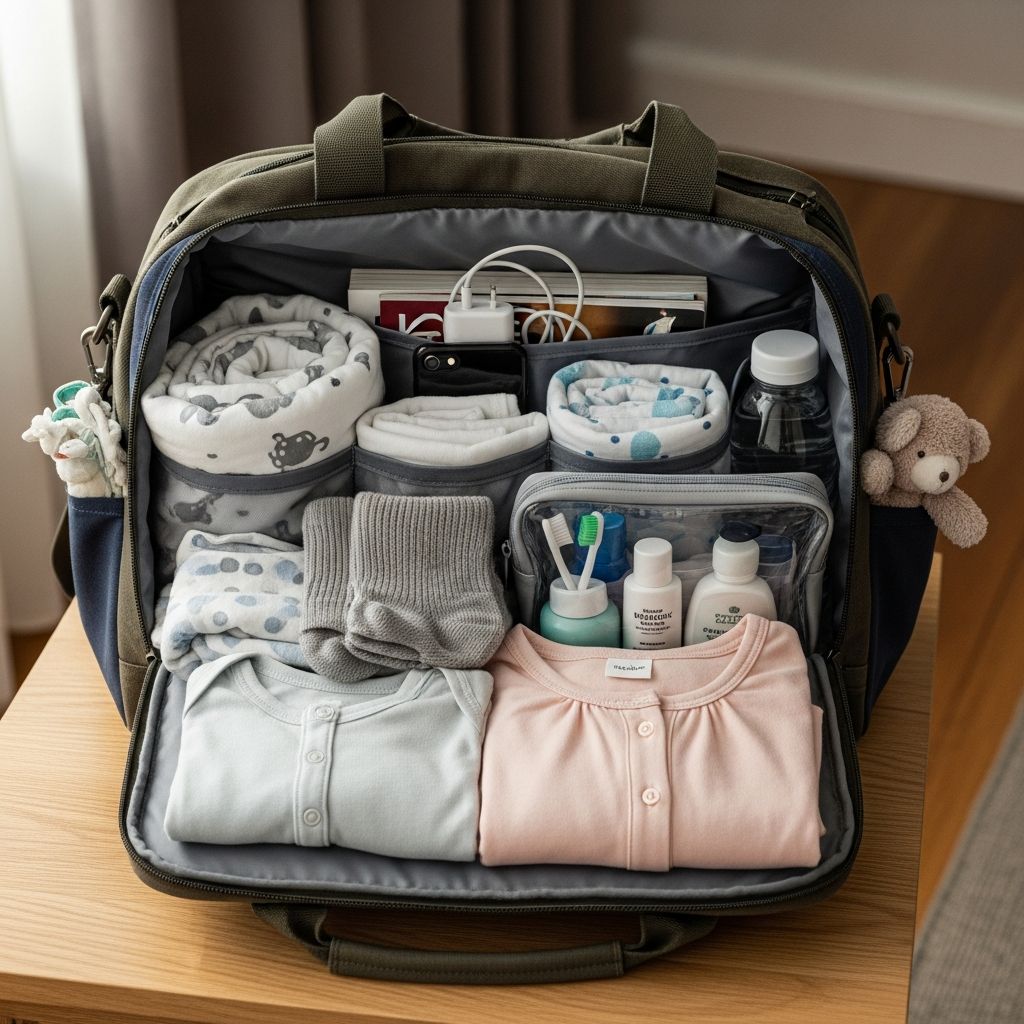
Expecting mothers often experience a mixture of excitement and anxiety as their due date approaches. One way to ease some of this stress is to prepare a well-organized hospital bag well in advance. Having a carefully curated collection of items ready ensures you won’t scramble at the last minute while also guaranteeing you have everything needed for a comfortable hospital stay during labor and recovery.
The process of packing for delivery requires thinking about three distinct groups: yourself, your birth partner or support person, and your newborn. Each category has unique needs, and understanding these differences helps create a comprehensive packing strategy. This guide breaks down the essentials across all three areas, combining medical expertise with practical considerations.
Timing Your Packing Strategy
Determining when to pack your hospital bag is crucial for peace of mind. Healthcare providers recommend completing your hospital bag packing between 35 and 38 weeks of pregnancy, depending on your individual circumstances. If your pregnancy is considered high-risk or if your doctor has indicated a possibility of early labor, aim for the earlier end of this timeline—around week 35.
For mothers carrying multiple babies or those with specific health conditions, even earlier preparation may be appropriate. The goal is to have everything ready well before your expected delivery date so that if labor begins unexpectedly, your bag is simply waiting by the door.
Keep your packed bag in an easily accessible location near the entrance of your home or in a designated nursery closet. This ensures your partner or support person can quickly grab it without wasting precious time searching through your home during early labor.
Critical Documents and Information
Before focusing on comfort items and clothing, prioritize the administrative essentials that hospitals require for admission and processing. These documents should be placed in a waterproof folder or designated pocket of your hospital bag for easy access.
- A valid government-issued photo identification (driver’s license or passport)
- Your insurance card or cards if you have multiple coverage plans
- Hospital pre-registration paperwork or any forms your healthcare facility provided during pregnancy
- A copy of your birth plan if you have created one; consider bringing multiple copies for nursing staff
- Any pre-written medical directives or consent forms your hospital requires
- A list of medications you currently take and any known allergies
Additionally, bring your cell phone and a charger with an extended cable—hospital beds are often positioned far from electrical outlets. Having a reliable power source ensures you can make calls to family members, take photos of your newborn, and stay connected without searching for charging stations throughout the facility.
Clothing for Labor and Recovery
Selecting appropriate clothing for your hospital stay requires balancing comfort with practicality. Your body will undergo significant changes during labor and the immediate postpartum period, so versatility becomes essential.
Garments for Labor Itself
Many hospitals provide gowns for labor and delivery, which offer ease of access for monitoring and medical procedures. However, many mothers prefer wearing their own clothing during early labor when contractions are manageable and they’re moving around. Consider packing two to three loose-fitting outfits that allow freedom of movement.
- Oversized t-shirts or casual dresses you wore before pregnancy
- Maternity pajamas with button-front closures for easy nursing and skin-to-skin contact
- A bathrobe or zip-up sweatshirt for easy access during examinations and temperature regulation
Postpartum Comfort Clothing
After delivery, your priorities shift toward recovery and bonding with your baby. Comfortable, loose-fitting clothing becomes paramount, particularly if you’ve had a cesarean delivery.
- Soft, stretchy pants with elastic waistbands (avoid anything tight around your abdomen)
- Button-up or zip-front pajama tops designed for easy nursing and skin contact
- A lightweight cardigan or hoodie for layering and temperature adjustment
- Slip-on slippers with non-skid soles for safe walking during recovery
- Several pairs of cozy, grippy socks to prevent slipping on hospital floors
Going-Home Outfit Considerations
Pack an outfit in your pre-pregnancy size for leaving the hospital. Most women don’t return to their pre-pregnancy weight immediately, but your belly will be noticeably smaller than during pregnancy. The outfit should be comfortable and forgiving rather than restrictive.
Personal Care and Hygiene Essentials
While hospitals provide basic toiletries, many mothers feel more comfortable and confident using their own familiar products. Maintaining personal hygiene during your hospital stay contributes to your emotional well-being and recovery.
Daily Hygiene Items
- Your preferred toothbrush and toothpaste (hospital-provided versions may not meet your standards)
- Deodorant or a natural alternative if you prefer
- Shampoo and conditioner if you anticipate showering during your stay
- Body wash or soap you’re accustomed to using
- A hairbrush or comb and hair ties to keep hair out of your face during labor
- Face wash suitable for your skin type
- Lip balm—hospitals can be dry, and you may experience chapped lips
Postpartum-Specific Care Products
Certain items become especially important during postpartum recovery and are worth bringing in your preferred brands.
- Your preferred brand of maxi pads if you have sensitivities to hospital-provided options
- Nipple cream or lanolin if you plan to breastfeed
- Extra washcloths for cleansing and comfort (bring colored ones to distinguish from hospital supplies)
- Contact lens solution and extra lenses if you wear contacts
- Glasses if you wear them for vision correction
- Any prescription skincare products or medications you use regularly
Nursing and Feeding Preparations
If you plan to breastfeed, specific items will enhance your comfort and success during this critical bonding and nourishment period.
- Two to three comfortable, well-fitting nursing bras that allow easy access without complete removal
- Nursing pads to prevent milk leakage and protect your clothing
- Lanolin or nipple cream designed for breastfeeding comfort
- A nursing pillow to reduce strain on your arms, neck, and back during feeding sessions
- Breast pads or reusable nursing pads if you prefer eco-friendly options
Even if you plan to bottle-feed, a nursing pillow remains beneficial for supporting your baby during feeding while protecting your healing body from uncomfortable pressure.
Comfort Items from Home
Hospital environments, while medically necessary and sterile, can feel impersonal and uncomfortable. Bringing familiar items from home creates a more soothing atmosphere during an intense physical and emotional experience.
- Your own pillow from home with a colored pillowcase to distinguish it from hospital pillows
- A lightweight blanket or quilt from home if permitted by your hospital
- Photos or meaningful items that bring you comfort
- A tablet, e-reader, or book if you anticipate downtime between contractions
- Headphones and a curated playlist of music that soothes or energizes you
- Entertainment options like magazines or downloaded podcasts for early labor
- A massage roller or massage oil if your partner will be providing labor support
- A birth ball if your hospital permits bringing your own (many have these available)
Essential Items for Your Birth Partner
Your partner or support person will spend significant time at the hospital during labor and immediately postpartum. Ensuring their comfort supports your emotional needs during labor.
- A change of comfortable clothes in case their initial outfit becomes soiled or uncomfortable
- Pajamas or loungewear for extended stays, particularly if they’re sleeping at the hospital
- Personal toiletries including toothbrush, deodorant, and preferred hygiene products
- A swimsuit if your hospital offers water birth options or birthing pools during labor
- Snacks they enjoy—labor can be lengthy, and hospital cafeteria hours may not align with their needs
- A cooler with drinks and food items if hospital policies allow
- Entertainment for downtime between active labor phases
- Comfortable, supportive shoes for standing during labor support
Newborn Essentials and Baby Care
While hospitals provide essential newborn items including diapers, blankets, and basic clothing, selecting and bringing a few specific items ensures your baby has familiar, preferred items for the journey home and early days.
Critical Baby Items You Must Bring
- An approved infant car seat—hospitals legally require one before discharge, and bringing your own ensures it’s properly installed
- One going-home outfit in newborn and 0-3 month sizes (babies vary in size at birth)
- A weather-appropriate blanket or bunting for the car ride home
- A small knit hat and mittens if born during cooler months (babies lose significant body heat through their heads)
Optional But Recommended Baby Items
- Several sleepers or onesies in your preferred fabric—cotton options are gentler on delicate newborn skin
- A small pack of disposable wipes for diaper changes, particularly if you prefer a specific brand
- Newborn mittens to prevent accidental scratching
- Receiving blankets for swaddling and comfort
- Booties or soft socks for temperature regulation
Most hospitals provide diapers, so bringing them is unnecessary unless you have specific preferences or sensitivities. Similarly, hospitals typically have infant clothing available, so bringing extras is optional unless you prefer specific styles or materials.
What Hospitals Routinely Supply
Understanding what your hospital provides prevents unnecessary packing and reduces stress about missing items.
| Category | Hospital Supplies |
|---|---|
| Maternal Care | Disposable underwear, maxi pads, perineal spray bottles, hospital gowns, towels, washcloths, pillows, blankets |
| Infant Care | Diapers (typically Pampers newborn size), cotton onesies, hats, mittens, blankets, formula if needed |
| Toiletries | Basic toothpaste, toothbrush, soap, shampoo, basic toiletries |
Contact your hospital during pregnancy to confirm their specific provisions. Some facilities have more comprehensive supply lists than others, allowing you to customize your packing accordingly.
Advanced Planning Tips
Beyond gathering items, strategic packing and organization make your hospital stay more manageable.
Bag Organization Systems
Consider using multiple smaller bags organized by category rather than one large suitcase. This approach allows your partner to quickly locate specific items without searching through everything. Suggested organization categories include:
- Documents and important papers in a waterproof folder
- Your personal care items in a toiletries bag
- Clothing organized in a separate bag with labor clothes, postpartum clothes, and going-home outfits separated
- Partner essentials in their own designated bag
- Baby items in a clearly labeled container
- Entertainment and comfort items grouped together
Communication Strategy
Place a sticky note on your packed bag reminding your partner of last-minute items to grab on delivery day. These might include medications you’re currently taking, your phone charger, and any snacks you want available during early labor.
Special Considerations for Different Delivery Scenarios
Certain circumstances warrant additional planning and packing adjustments. If you’re planning a water birth, ensure your partner has a swimsuit available. For planned cesarean deliveries, prioritize soft, loose clothing that won’t irritate your incision site. If you’re expecting multiples, you may need additional baby clothing and items for multiple newborns.
Frequently Asked Questions
How early should I start packing my hospital bag?
Begin packing between 35 and 38 weeks of pregnancy. For high-risk pregnancies, start at week 35. Completing your packing well in advance ensures everything is ready if labor begins unexpectedly.
Can I bring my own pillow to the hospital?
Yes, many hospitals allow personal pillows. Use a colored pillowcase to distinguish your pillow from hospital pillows, and consider bringing it in a waterproof cover to protect against potential stains.
What if I forget something in my hospital bag?
Don’t worry—hospitals provide essential items, and your partner can return home to retrieve forgotten items. Most hospitals allow partners to leave briefly during postpartum recovery phases to gather anything you’ve missed.
Do I need to bring diapers for my newborn?
No, hospitals typically provide newborn diapers. However, if you have a strong preference for a specific brand or type, you may bring your own.
Should my partner pack a separate bag?
Yes, having a separate bag for your partner’s items ensures they have quick access to their essentials and prevents confusion about whose items are whose in a shared hospital room space.
What goes in a car seat for the ride home?
The car seat itself is required and must be properly installed. Bring a weather-appropriate blanket or bunting to wrap around your baby, and pack an extra set of clothing in case of diaper accidents during the drive.
Is it necessary to bring maternity pads if the hospital provides them?
Hospitals provide maxi pads, but some mothers prefer bringing their preferred brand if they have sensitivities or specific comfort needs. Check your hospital’s policies before bringing your own.
Can I bring my own entertainment during labor?
Absolutely. Headphones with your preferred music playlist, tablets, e-readers, and other entertainment options can provide comfort during early labor and downtime. Confirm your hospital allows electronic devices in delivery rooms.
References
- Hospital Bag Checklist: What to Pack in Hospital Bag — The Bump. 2024. https://www.thebump.com/a/checklist-packing-a-hospital-bag
- Packing Your Hospital Bag: Midwife-Approved Checklist — Oula Health. 2024. https://oulahealth.com/blog/packing-your-hospital-bag-labor-postpartum/
- Hospital Bag Packing List for Your Partner — American Pregnancy Association. 2024. https://americanpregnancy.org/healthy-pregnancy/labor-and-birth/hospital-bag-packing-list/
- Hospital Bag Checklist: What to Pack in Your Hospital Bag — Tabeeze. 2024. https://tabeeze.com/blogs/press/hospital-bag-checklist-what-to-pack-in-your-hospital-bag
- Ultimate Hospital Bag Checklist for Mom and Baby — Babylist. 2024. https://www.babylist.com/hello-baby/what-to-pack-in-your-hospital-bag