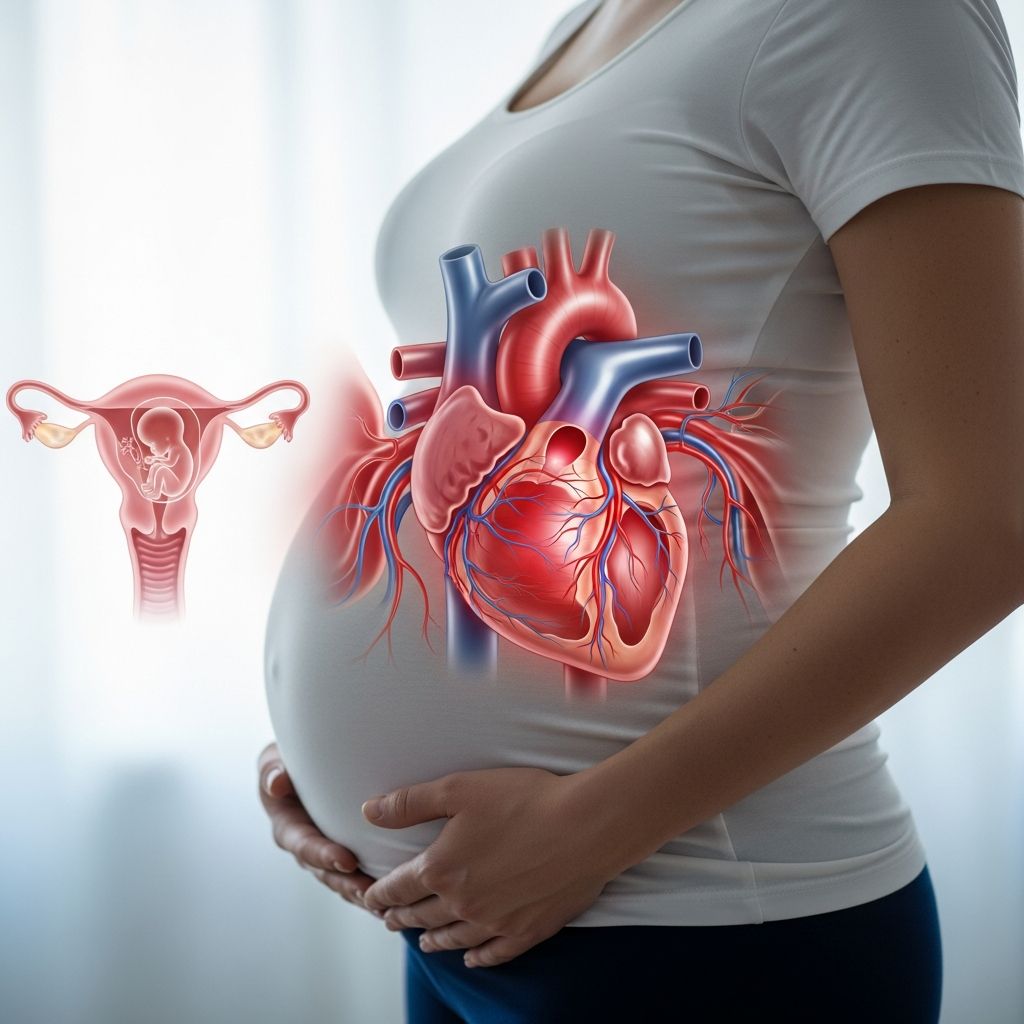
Cardiovascular Adaptation During Pregnancy: What Every Mother Should Know
Pregnancy fundamentally transforms how your cardiovascular system operates. As your body prepares to nurture a developing baby, your heart and blood vessels undergo significant physiological changes that can create unfamiliar sensations. One of the most commonly reported experiences is a noticeable pounding or fluttering in the chest, which can understandably cause concern for expectant mothers. Understanding these changes helps distinguish between normal pregnancy adaptations and symptoms that warrant medical evaluation.
The Physiology Behind Increased Heart Demand
Your heart’s increased workload during pregnancy stems from several interconnected physiological mechanisms. The most dramatic change involves blood volume expansion. During pregnancy, your body produces significantly more blood to support both maternal tissues and the developing fetus. This expansion can increase total blood volume by 40 to 50 percent, meaning your heart must circulate substantially more blood with each beat. To accomplish this increased demand, your heart rate typically elevates by 10 to 20 beats per minute from your baseline rate.
A woman with a typical resting heart rate of 70 beats per minute may experience rates between 80 and 90 beats per minute during pregnancy, with further increases possible in the later stages. This elevated heart rate represents your cardiovascular system’s adaptive response to meet oxygen and nutrient demands for both you and your baby.
Beyond blood volume changes, your heart’s structure itself adapts. The increased volume of circulating blood causes cardiac chambers to stretch and enlarge slightly, allowing them to pump more blood per contraction. While these adaptations are normal and reversible, they can make you acutely aware of your heartbeat, particularly during periods of increased activity or stress.
Hormonal Influences on Cardiac Function
Pregnancy triggers dramatic shifts in hormone production, particularly elevated levels of progesterone and estrogen. These hormones play multiple roles in cardiovascular adaptation. Progesterone acts to relax blood vessel walls, reducing systemic vascular resistance and allowing blood to flow more easily throughout your body. However, this relaxation also makes your heart more sensitive to stimulation, sometimes triggering palpitations or irregular heartbeats.
Estrogen affects how your body regulates fluids and electrolytes, creating additional influences on heart rhythm. The combined effect of these hormonal changes can cause your heartbeat to feel faster or more pronounced than usual. Additionally, hormonal fluctuations affect catecholamine concentrations and adrenergic receptor sensitivity, further contributing to increased heart rate and cardiac responsiveness.
Common Cardiac Sensations During Pregnancy
Understanding what constitutes normal cardiac sensations helps you recognize when symptoms warrant attention. Most pregnant women experience one or more of the following:
- Palpitations: A sensation that your heart is racing, skipping beats, or fluttering irregularly. These episodes typically last from several seconds to a few minutes and may recur throughout the day
- Pounding sensation: A pronounced awareness of your heartbeat, particularly noticeable during rest or physical activity
- Lightheadedness or dizziness: Caused by blood pressure changes associated with hormonal effects on blood vessels
- Mild shortness of breath: Related to increased cardiac output and oxygen demands
- Warm flushes or excessive sweating: Connected to cardiovascular changes and increased metabolic demands
These symptoms typically emerge gradually and tend to become more noticeable as pregnancy progresses. Many women report that symptoms are particularly pronounced during the second and third trimesters when blood volume expansion and hormonal changes peak.
Contributing Factors Beyond Pregnancy Changes
While physiological adaptations account for most cardiac sensations, several other common pregnancy-related conditions can intensify symptoms:
Anemia represents a particularly important consideration. During pregnancy, your body often develops anemia due to iron deficiency coupled with dramatically increased oxygen demands. When oxygen-carrying capacity decreases, your heart must work harder and beat faster to maintain adequate oxygen delivery to tissues. Anemia can independently cause rapid heartbeat, shortness of breath, fatigue, and dizziness, compounding the effects of normal pregnancy changes.
Hydration and electrolyte balance directly influence cardiac function. Dehydration reduces blood volume, forcing your heart to work harder to maintain circulation. Electrolyte imbalances affecting sodium, potassium, and magnesium can trigger arrhythmias or palpitations.
Emotional stress and anxiety amplify cardiac symptoms significantly. Pregnancy-related anxiety about labor, motherhood, and fetal development can trigger physical stress responses, elevating heart rate and blood pressure.
Blood sugar fluctuations can cause palpitations and dizziness. Low blood sugar, common during pregnancy due to increased fetal demands on maternal glucose, can trigger compensatory increases in heart rate.
Low blood pressure develops frequently during pregnancy due to hormonal effects on blood vessels. Peripheral vasodilation can cause temporary dizziness and compensatory increases in heart rate to maintain adequate cerebral perfusion.
Understanding Heart Murmurs in Pregnancy
Nearly 90 percent of pregnant women develop a heart murmur during pregnancy. A murmur represents an unusual “swishing sound” heard between heartbeats during cardiac auscultation. Despite its concerning name, this physiological murmur results from the increased volume of blood flowing through the heart and is entirely benign. These murmurs typically disappear after pregnancy when blood volume returns to baseline levels. Your healthcare provider can distinguish between benign physiological murmurs and those indicating underlying cardiac concerns through physical examination and, if necessary, echocardiography.
When Symptoms Require Medical Evaluation
While most cardiac sensations during pregnancy are benign adaptations, certain symptoms demand prompt medical attention. Understanding this distinction protects both your health and your baby’s wellbeing:
| Normal Symptoms | Symptoms Requiring Evaluation |
|---|---|
| Brief palpitations lasting seconds to minutes | Persistent or frequent palpitations lasting longer than a few minutes |
| Mild shortness of breath with exertion | Severe shortness of breath at rest |
| Occasional lightheadedness | Fainting or near-fainting episodes |
| Awareness of heartbeat during rest | Chest pain or pressure |
| Mild warm flushes | Severe sweating with other symptoms |
Cardiac symptoms paired with chest discomfort, syncope, or severe dyspnea may indicate arrhythmias, valve disorders, cardiomyopathy, or other serious conditions. Pregnant women with pre-existing heart disease or anemia face elevated risk and require closer monitoring, potentially including electrocardiography (ECG) or echocardiography. Prompt medical evaluation ensures proper diagnosis and appropriate management to safeguard maternal and fetal health.
Risk Factors Requiring Special Attention
Certain maternal conditions increase the likelihood of clinically significant arrhythmias during pregnancy. Women with congenital heart disease, previous cardiac surgery, mitral stenosis, peripartum cardiomyopathy, or other structural heart disease face increased vulnerability to serious arrhythmias. A family history of sudden cardiac death, unexplained premature deaths, or genetic arrhythmia syndromes warrants heightened vigilance.
Additionally, conditions such as congestive heart failure can worsen significantly during pregnancy as blood volume and cardiac demands increase. Women with these risk factors benefit from comprehensive cardiac evaluation before pregnancy and close monitoring throughout gestation and postpartum period.
Diagnostic Approaches for Concerning Symptoms
When you report cardiac symptoms to your obstetrician, a thorough assessment begins with detailed history taking and physical examination. Your healthcare provider will ask about symptom characteristics, timing, associated symptoms, and family history of cardiac disease. Physical examination includes blood pressure assessment, heart rate measurement, and cardiac auscultation to identify murmurs or irregular rhythms.
If symptoms suggest potential cardiac pathology, additional testing may include electrocardiography (ECG) to assess electrical activity or echocardiography to visualize cardiac structure and function. These tests pose minimal risk to pregnancy and provide valuable diagnostic information. In some cases, continuous cardiac monitoring or stress testing may help clarify the diagnosis.
Practical Strategies for Managing Symptoms
Several approaches can help minimize cardiac symptoms and improve overall cardiovascular health during pregnancy:
- Maintain adequate hydration: Drink sufficient water throughout the day to support expanded blood volume and prevent compensatory heart rate increases
- Ensure iron-rich nutrition: Adequate iron intake prevents anemia, which can dramatically worsen palpitations and dyspnea
- Manage stress and anxiety: Prenatal classes, meditation, deep breathing exercises, and counseling can reduce emotional stress-related cardiac symptoms
- Maintain balanced blood sugar: Regular meals with appropriate protein and complex carbohydrates prevent hypoglycemic episodes
- Avoid cardiac stimulants: Limit caffeine and avoid decongestants or other stimulating medications without medical approval
- Practice gentle exercise: Regular, moderate activity supports cardiovascular health and emotional wellbeing without excessive strain
- Optimize sleep and rest: Adequate sleep supports cardiac function and reduces symptom severity
- Avoid supine positioning in late pregnancy: Remaining supine can compress major vessels, reducing venous return and triggering symptoms
The Postpartum Cardiovascular Transition
Cardiac changes resolve gradually during the postpartum period as blood volume contracts, hormones normalize, and your heart returns to pre-pregnancy function. Most cardiac symptoms improve significantly within days to weeks after delivery, though complete normalization may take several months. Understanding this timeline helps you recognize whether symptoms warrant evaluation in the postpartum period.
Frequently Asked Questions
Q: Is heart pounding during pregnancy dangerous?
A: Most cardiac sensations during pregnancy represent benign physiological adaptations. However, symptoms like persistent palpitations, chest pain, fainting, or severe dyspnea require medical evaluation to rule out serious conditions.
Q: When does heart pounding typically begin during pregnancy?
A: Cardiac changes may begin as early as the 10th week of gestation, with most women noticing increasing symptoms in the second and third trimesters as blood volume expansion peaks.
Q: Can I take medication for heart palpitations during pregnancy?
A: Treatment depends on the underlying cause. Some medications are safe during pregnancy while others are not. Always consult your obstetrician before taking any medication for cardiac symptoms.
Q: Does heart pounding indicate a problem with my baby?
A: Most maternal cardiac symptoms do not reflect problems with fetal development. However, severe maternal cardiac symptoms may affect fetal oxygen delivery, making prompt evaluation important.
Q: Will my heart return to normal after pregnancy?
A: Yes, cardiac function typically normalizes within months postpartum as blood volume contracts and hormones return to pre-pregnancy levels. Cardiac murmurs and rhythm changes usually resolve completely.
References
- Pregnancy and Heart Flutters: What’s Normal and What’s Not — CVG Cares. 2025. https://cvgcares.com/pregnancy-and-heart-flutters-whats-normal-and-whats-not-explained/
- Palpitations During Pregnancy? Here’s What You Should Know — Jeffrey Graf, MD. 2025. https://www.jeffreygrafmd.com/blog/palpitations-during-pregnancy-heres-what-you-should-know
- Managing palpitations and arrhythmias during pregnancy — National Center for Biotechnology Information (NIH). 2008. https://pmc.ncbi.nlm.nih.gov/articles/PMC2095764/
- Overcoming Shortness of Breath and Rapid Heartbeat During Pregnancy — Vinmec International Hospital. 2025. https://www.vinmec.com/eng/blog/overcome-shortness-of-breath-heart-palpitations-during-pregnancy-en
- Pregnancy Strains the Heart—Here’s How to Protect Yours — Be Well @ SHBP. 2024. https://bewellshbp.com/heart-health/pregnancy-strains-the-heart-heres-how-to-protect-yours/
- Heart conditions and pregnancy: Know the risks — Mayo Clinic. 2024. https://www.mayoclinic.org/healthy-lifestyle/pregnancy-week-by-week/in-depth/pregnancy/art-20045977