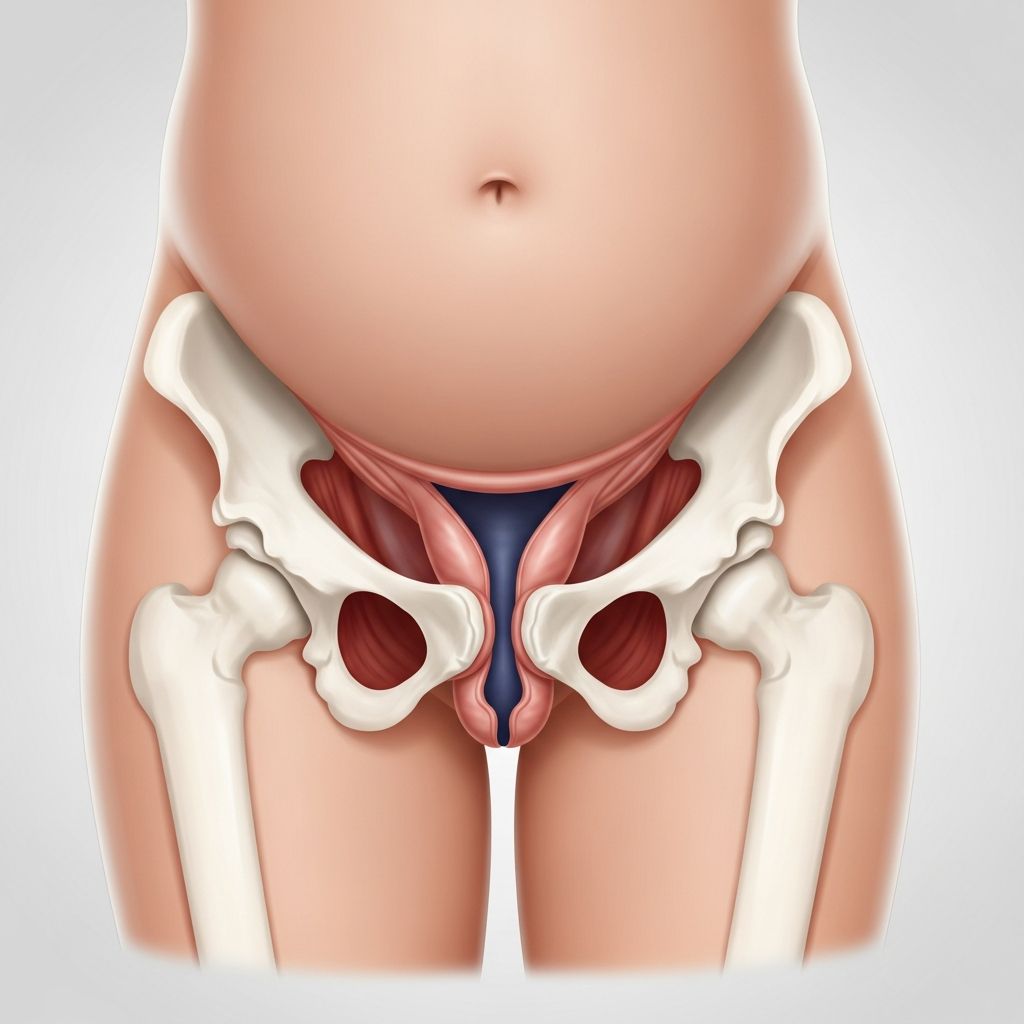
Round ligament pain affects many pregnant individuals, manifesting as sudden sharp sensations in the lower abdomen or groin. This normal pregnancy occurrence typically arises as the uterus expands, stretching supporting ligaments.
The Anatomy Behind the Discomfort
The round ligaments are fibrous bands that anchor the uterus to the pelvic sidewall, extending from the uterine front to the groin area. During pregnancy, hormonal changes like increased relaxin loosen these structures, allowing the uterus to grow from roughly the size of a pear to a watermelon.
As the fetus develops, the uterus rises into the abdomen, elongating these ligaments up to 12 times their original length. This rapid expansion creates tension, making the ligaments prone to spasms, especially with abrupt motions.
When Does It Typically Occur?
Most women first notice round ligament pain between weeks 14 and 27 of pregnancy, aligning with the second trimester’s rapid uterine growth. However, it can start earlier in the first trimester or persist into the third.
Primiparous women (first-time mothers) may experience it later than multiparous ones, whose bodies have already adapted to pregnancy changes. Pain intensity varies; some feel mild twinges, while others endure brief but intense stabs.
Recognizing the Symptoms
Symptoms include quick, stabbing pains on one or both sides of the lower abdomen, often radiating to the groin, hip, or inner thigh. Episodes last seconds to minutes, triggered by position changes.
- Sharp, jabbing sensations, like a rubber band snapping
- Pulling or cramping feelings in the lower belly
- Unilateral pain, more common on the right side due to the uterus’s slight rightward tilt
- Aggravation from coughing, sneezing, laughing, or rolling in bed
Unlike labor contractions, these pains don’t follow a pattern or intensify over time.
Common Triggers to Avoid
Sudden movements strain the already taut ligaments. Identifying and minimizing triggers can reduce episodes significantly.
| Trigger | Description | Why It Hurts |
|---|---|---|
| Rapid position changes | Standing quickly from sitting or lying | Forces ligaments to contract faster than usual |
| Coughing/sneezing | Sudden abdominal pressure spikes | Stretches ligaments abruptly |
| Prolonged standing | Extended upright posture | Increases gravitational pull on uterus |
| Intense exercise | Running, jumping, or twisting | Causes excessive ligament pull |
| Laughing or deep breaths | Abdominal muscle engagement | Tightens core, straining supports |
Effective Relief Strategies
Immediate relief often comes from pausing and resting. Lie on the unaffected side with knees bent to relax the ligaments.
- Heat therapy: Apply a warm compress or take a warm bath for 15-20 minutes to soothe spasms.
- Gentle stretching: Slowly extend the leg on the painful side while lying down, holding for 30 seconds.
- Supportive garments: Maternity belts provide abdominal stability, reducing ligament strain.
- Pain relievers: Acetaminophen (Tylenol) is generally safe; consult your provider first.
- Massage: Light circular motions on the lower abdomen can ease tension.
Prenatal yoga or swimming offers low-impact strengthening, improving posture and ligament resilience over time.
Prevention Through Lifestyle Adjustments
Proactive habits minimize occurrences. Maintain good posture to distribute weight evenly, avoiding slouching.
- Practice slow, deliberate movements when rising from bed or chairs.
- Incorporate daily walks on flat surfaces instead of high-impact activities.
- Strengthen pelvic floor with Kegel exercises: contract for 5 seconds, relax, repeat 10 times daily.
- Stay hydrated and eat fiber-rich foods to prevent constipation, which exacerbates pressure.
- Sleep on your side with a pregnancy pillow between knees for spinal alignment.
Regular prenatal checkups ensure overall health supports ligament adaptability.
Distinguishing from Serious Conditions
While benign, round ligament pain mimics concerning issues. Consult a healthcare provider if pain persists beyond minutes, worsens, or accompanies:
- Vaginal bleeding or spotting
- Fever, nausea, or vomiting
- Regular contractions or back pain
- Fluid leakage or decreased fetal movement
- One-sided pain with swelling or urinary issues
Differential diagnoses include urinary tract infections, appendicitis, ovarian cysts, or preterm labor. Ectopic pregnancy or placental abruption require urgent evaluation.
Round Ligament Pain Beyond Pregnancy
Though rare, non-pregnant individuals can experience similar pain from endometriosis, pelvic inflammatory disease, or inguinal hernias. Postpartum persistence may signal varicosities or unresolved tension; most resolve within days.
Expert Insights and Statistics
Up to 30% of pregnant women report round ligament pain, per clinical observations. Studies confirm its benign nature, with no long-term effects on mother or baby.
Obstetricians emphasize education: “Awareness empowers women to differentiate normal aches from alarms,” notes Cleveland Clinic.
Frequently Asked Questions
Is round ligament pain dangerous for my baby?
No, it poses no risk to the fetus; it’s solely maternal ligament adaptation.
Can I exercise with round ligament pain?
Opt for low-impact activities like walking or swimming; avoid anything causing pain and get provider clearance.
How long does an episode last?
Typically seconds to a few minutes; persistent pain warrants medical attention.
Does it always happen on the right side?
Often, due to uterine dextrorotation, but bilateral or left-sided occurrences are common.
Will it go away after delivery?
Yes, ligaments return to pre-pregnancy state within weeks postpartum.
Empowering Your Pregnancy Journey
Understanding round ligament pain transforms fear into familiarity. Track symptoms in a journal, noting triggers and relief efficacy, to discuss at appointments. Support networks, like prenatal classes, offer shared experiences and tips.
Holistic care—balancing rest, nutrition, and movement—optimizes comfort. As your body nurtures new life, these temporary discomforts underscore its remarkable adaptability.
References
- Round Ligament Pain During Pregnancy — WebMD. 2023-10-15. https://www.webmd.com/baby/pregnancy-round-ligament-pain
- Round ligament pain — Wikipedia. 2024-05-20. https://en.wikipedia.org/wiki/Round_ligament_pain
- Round Ligament Pain — Cleveland Clinic. 2024-02-12. https://my.clevelandclinic.org/health/symptoms/21642-round-ligament-pain
- Round ligament pain in pregnancy — HSE.ie. 2023-11-08. https://www2.hse.ie/conditions/round-ligament-pain-pregnancy/
- Round ligament pain — Pregnancy Birth and Baby. 2024-01-22. https://www.pregnancybirthbaby.org.au/round-ligament-pain
- Round Ligament Pain During Pregnancy — American Pregnancy Association. 2023-09-05. https://americanpregnancy.org/healthy-pregnancy/pregnancy-complications/round-ligament-pain-during-pregnancy/