Extreme heat poses unique threats to children, whose bodies heat up faster and struggle to regulate temperature effectively. Youngsters are particularly vulnerable during heat waves due to higher metabolic rates and less efficient cooling mechanisms compared to adults. This comprehensive guide draws from authoritative health recommendations to equip parents with actionable strategies for prevention, daily management, and rapid response to heat-related issues.
Why Children Face Greater Heat Risks
Children’s smaller bodies and developing systems make them prone to rapid overheating. Infants and toddlers cannot articulate thirst or discomfort, while active older kids may ignore warning signs during play. Heat exhaustion and heatstroke can escalate quickly, leading to severe outcomes if unaddressed. Official data underscores that never leaving children in vehicles, even briefly, is critical as interior temperatures can surge lethally within minutes.
Dehydration strikes faster in kids because they produce less sweat initially and lose fluids readily through play. Environmental factors like direct sun exposure amplify risks on playgrounds where surfaces reach scalding levels.
Essential Hydration Habits for Young Ones
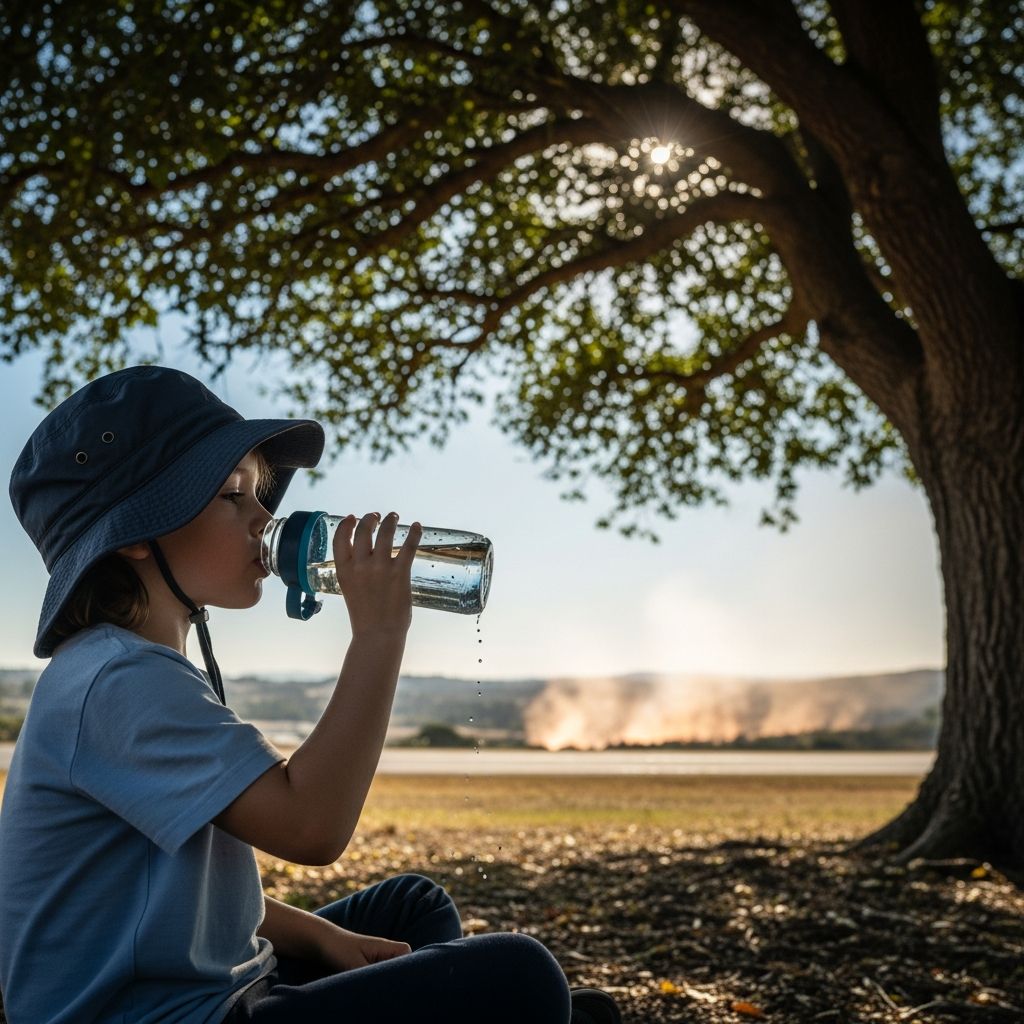
Hydration forms the cornerstone of heat protection. Encourage frequent sips of water throughout the day, regardless of thirst cues, as dehydration sneaks up silently in children. Aim for water-rich foods such as watermelon, cucumbers, berries, and spinach to supplement intake naturally.
- Offer water every 20 minutes during outdoor time, starting before activities begin.
- Avoid sugary beverages, ice-cold drinks, or caffeine, which hinder absorption or increase dehydration.
- For infants, ensure breast milk or formula intake remains steady; supplement with small amounts of electrolyte solutions if advised by a pediatrician.
- Monitor urine color—pale yellow signals good hydration; darker shades demand immediate fluids.
During sports or intense play, pair hydration with salty snacks to replenish electrolytes lost through sweat.
Smart Clothing and Sun Defense Choices
Dressing appropriately minimizes heat absorption and UV damage. Opt for loose-fitting, lightweight garments in light colors that reflect sunlight rather than absorb it. Cotton and moisture-wicking fabrics promote airflow and evaporation cooling.
| Clothing Type | Benefits | Examples for Kids |
|---|---|---|
| Light Colors (White, Pastels) | Reflects heat | T-shirts, shorts |
| Long Sleeves (UV-protective) | Shields skin without trapping heat | Lightweight rash guards |
| Breathable Fabrics | Allows sweat evaporation | Cotton blends, linen |
| Avoid | Absorbs heat | Dark synthetics, tight fits |
Complete the outfit with broad-brim hats, UV-blocking sunglasses, and broad-spectrum sunscreen (SPF 30+) reapplied every two hours or after water exposure. Footwear is non-negotiable on hot surfaces to prevent burns.
Timing Outdoor Fun Wisely
The sun’s peak intensity from 10 a.m. to 4 p.m. demands indoor alternatives. Shift play, sports, or errands to early mornings or evenings when temperatures dip. For unavoidable midday exposure, seek shade frequently and limit sessions to 15-20 minutes.
- Early morning walks or bike rides.
- Evening sprinkler play or backyard games.
- Indoor options: crafts, board games, yoga stretches to maintain activity without heat buildup.
At playgrounds, test slides, swings, and pavement with your hand first—metal and plastic can burn skin instantly. Insist on shoes and frequent shaded breaks.
Cooling Techniques for Home and Outdoors
Beat the heat proactively inside and out. Close curtains during peak sun to block radiant heat, focusing on lower floors which stay cooler. Air-conditioned public spots like malls, libraries, or cooling centers provide relief.
Avoid fans above 90°F (32°C) indoors, as circulating hot air raises body temperature; use them only to exhaust heat or intake cooler air. Effective cooling includes:
- Misting skin with water sprays or cool sponges.
- Wet towels around necks during activity.
- Shallow baths or pools with constant supervision to prevent drowning.
- Ice packs wrapped in cloth on pulse points (wrists, neck).
Water-based play like sprinklers or shallow paddling pools regulates temperature safely when monitored closely.
Sports and Exercise in Sweltering Conditions
Young athletes need tailored precautions. Gradually ramp up training intensity over the first two weeks of hot seasons to build heat acclimation. Mandate breaks every 15-20 minutes with water, shaded rest, and cooling aids like wet towels or ice bags.
- Schedule practices before 9 a.m. or after 6 p.m.
- Monitor for fatigue; cancel if heat index exceeds safe thresholds.
- Ensure coaches track hydration and symptoms.
A nutritious diet with balanced electrolytes supports endurance.
Never Leave Kids in Vehicles
Car interiors transform into ovens rapidly, even with cracked windows. A child’s body heats three to five times faster than an adult’s, risking fatal heatstroke in under 10 minutes on hot days. Protocols include:
- Place a stuffed animal in the car seat; move it to the front upon buckling up as a reminder.
- Always verify the back seat before locking.
- Keep vehicles locked and keys inaccessible to children.
Spotting and Treating Heat Illness
Recognize symptoms early: heavy sweating, dizziness, nausea, rapid heartbeat, confusion, or fainting signal heat exhaustion. Heatstroke emergencies feature hot dry skin, temperatures over 104°F, seizures, or unconsciousness—call 911 immediately.
First aid steps:
- Move to cool shade or AC.
- Remove excess clothing; apply cool wet cloths or ice packs to skin folds.
- Offer small sips of cool water if alert.
- Fan gently; immerse in cool bath if conscious.
- Seek medical help without delay for severe signs.
Post-exposure, monitor for 24 hours as complications can arise later.
Building a Family Heat Safety Plan
Customize a plan: assign hydration checks, designate cool zones, and practice emergency drills. Educate kids on thirst signals and break requests. Stock a heat kit with water bottles, cooling towels, sunscreen, and electrolyte packets.
For infants: Frequent cool-room checks, lightweight swaddles, and skin-to-skin cooling. Teens benefit from wearable hydration trackers and peer accountability during sports.
Frequently Asked Questions
What are the first signs of overheating in babies?
Watch for flushed skin, irritability, rapid breathing, or lethargy. Cool them promptly and consult a doctor if persistent.
Is it safe to use ice cream for hydration?
No—sugary treats dehydrate further. Stick to water and hydrating fruits.
How hot is too hot for playground visits?
Avoid if ground temperature exceeds 100°F or air hits 95°F with humidity. Test surfaces first.
Can air conditioning be harmful?
Not if balanced; sudden shifts cause chills. Dress in layers indoors.
What if my child refuses water?
Flavor mildly with fruit slices; make sipping fun via games or timed challenges.
Implementing these measures empowers families to thrive through heat waves, turning potential hazards into manageable routines. Stay vigilant, informed, and proactive for worry-free summers.
References
- Keeping Kids Cool and Safe During Heat Waves: Tips for Beating the Heat — Miller Children’s & Women’s Hospital. 2023. https://www.millerchildrens.memorialcare.org/blog/keeping-kids-cool-and-safe-during-heat-waves-tips-beating-heat
- Children and Heat — Protect infants, kids, and teens — California Office of Environmental Health Hazard Assessment (OEHHA). 2024-04-29. https://oehha.ca.gov/risk-assessment/children-and-heat-protect-infants-kids-and-teens
- Heat Advisory Safety: Protect Your Child During Hot Weather — Children’s Nebraska. 2023. https://www.childrensnebraska.org/health-hub/heat-advisory-safety-tips-for-children
- Extreme Heat: Tips to Keep Kids Safe When Temperatures Soar — American Academy of Pediatrics (healthychildren.org). 2024. https://www.healthychildren.org/English/safety-prevention/at-home/Pages/Protecting-Children-from-Extreme-Heat-Information-for-Parents.aspx
- Infants and Children and Heat — Centers for Disease Control and Prevention (CDC). 2024. https://www.cdc.gov/heat-health/risk-factors/infants-and-children.html