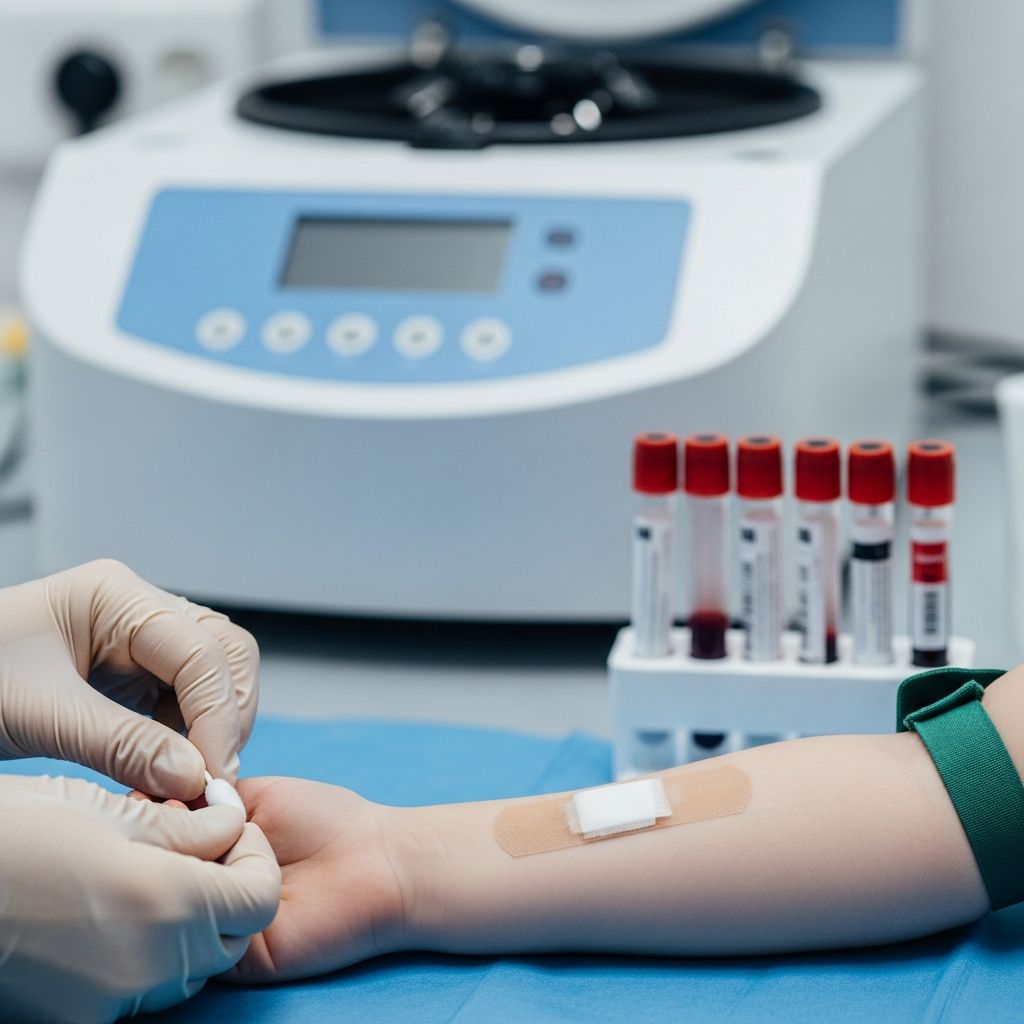
What Is the H. pylori Antigen Test?
When a child has ongoing stomach discomfort, doctors may suspect an infection with a common bacterium called Helicobacter pylori, often shortened to H. pylori. One of the most reliable ways to check for this infection is a stool test that looks for H. pylori antigens. This is known as the H. pylori stool antigen test.
An antigen is a substance that triggers the immune system to respond. In this case, the test detects specific proteins from the H. pylori bacteria in a stool sample. If these antigens are present, it means the bacteria are actively living in the stomach and upper digestive tract.
Unlike blood tests that show past exposure, or breath tests that require special preparation, the stool antigen test is non-invasive, easy to perform, and gives a clear picture of whether the infection is currently active. It’s especially useful in children because it doesn’t require fasting, sedation, or complex equipment.
Why Test for H. pylori in Children?
H. pylori is a spiral-shaped bacterium that lives in the lining of the stomach and the first part of the small intestine. It’s surprisingly common worldwide, and many people carry it without ever knowing. In most cases, it causes no symptoms and doesn’t need treatment.
However, in some children, H. pylori can cause problems such as:
- Chronic gastritis (inflammation of the stomach lining)
- Peptic ulcers in the stomach or duodenum
- Unexplained abdominal pain that comes and goes
- Iron deficiency anemia that doesn’t improve with iron supplements
- Recurrent nausea, vomiting, or poor appetite
Because these symptoms can also be caused by many other conditions, doctors don’t test every child with belly pain. Instead, they look for patterns that suggest H. pylori might be involved, such as:
- Pain that gets worse when the stomach is empty and improves after eating
- Pain that wakes the child at night
- Family history of ulcers or H. pylori infection
- Signs of bleeding in the digestive tract (black, tarry stools or vomiting blood)
When these clues are present, the H. pylori antigen test becomes a valuable tool to confirm or rule out the infection.
How the Stool Antigen Test Works
The H. pylori stool antigen test is a simple laboratory test that analyzes a small sample of a child’s bowel movement. Here’s how it typically works:
1. Sample Collection
The parent or caregiver collects a small amount of stool in a special container provided by the doctor or lab. The sample doesn’t need to be large—just enough to cover the bottom of the container is usually sufficient.
Key points for collection:
- Use clean hands and avoid contaminating the sample with urine or toilet water.
- Follow the lab’s instructions exactly about how much stool is needed and how to store it.
- Some labs ask for a sample collected in the morning; others accept any time of day.
- If the child is on certain medications (like antibiotics or proton pump inhibitors), the doctor may ask to stop them for a few days before the test, as they can affect the result.
2. Laboratory Analysis
The sample is sent to a lab where technicians use a method called an immunoassay to detect H. pylori antigens. This involves mixing the stool with special antibodies that bind only to H. pylori proteins. If antigens are present, the test will show a positive result.
The test is highly sensitive and specific, meaning it’s good at correctly identifying both infected and uninfected children. It’s also useful for checking whether treatment has successfully cleared the infection.
3. Getting the Results
Results are usually available within a few days. The doctor will explain what the result means in the context of the child’s symptoms and medical history.
When Is This Test Ordered?
Doctors don’t order the H. pylori antigen test for every child with an upset stomach. It’s typically used when:
- A child has persistent or recurrent abdominal pain that suggests a peptic ulcer or gastritis.
- There are signs of gastrointestinal bleeding, such as black, tarry stools or anemia without an obvious cause.
- A child has a family history of H. pylori infection or peptic ulcer disease.
- Other tests (like blood tests or imaging) are inconclusive, and a more direct method is needed.
- After treatment, to confirm that the bacteria have been eradicated.
In some cases, especially if symptoms are severe or there’s concern about complications, the doctor may also recommend an upper endoscopy (EGD) with biopsy. But for many children, the stool antigen test is the first and only test needed to make a diagnosis.
Interpreting the Results
The H. pylori stool antigen test result is usually reported as either positive or negative:
| Result | What It Means | Next Steps |
|---|---|---|
| Positive | H. pylori antigens were found in the stool, indicating an active infection. | The doctor will likely recommend treatment with antibiotics and acid-reducing medications. |
| Negative | No H. pylori antigens were detected in the sample. | The doctor will look for other causes of the child’s symptoms, such as functional abdominal pain, food intolerances, or other digestive conditions. |
It’s important to remember that a negative result doesn’t always rule out H. pylori completely, especially if the child has recently taken antibiotics or certain stomach medicines. In those cases, the doctor might suggest repeating the test after a break from medication or using a different type of test.
How It Compares to Other H. pylori Tests
There are several ways to check for H. pylori in children. Each has its own advantages and limitations:
- Stool antigen test: Detects active infection, non-invasive, no fasting required, good for children. Best for initial diagnosis and follow-up after treatment.
- Urea breath test: Also detects active infection, very accurate, but requires the child to drink a special solution and breathe into a bag. Less practical for very young children.
- Blood test (antibody test): Shows whether the child has ever been exposed to H. pylori, but can’t tell if the infection is still active. Not ideal for diagnosing current infection or checking treatment success.
- Endoscopy with biopsy: The most direct method, allowing doctors to see the stomach lining and take tissue samples. Used when symptoms are severe, there’s bleeding, or other tests are unclear. More invasive and usually done under sedation.
For most children with suspected H. pylori infection, the stool antigen test strikes the best balance between accuracy, ease of use, and comfort.
What Happens If the Test Is Positive?
If the H. pylori antigen test comes back positive, the doctor will usually recommend a treatment plan to clear the infection. This typically includes:
- Antibiotics: Two different antibiotics are usually prescribed together to kill the bacteria and reduce the risk of resistance.
- Acid-reducing medication: A proton pump inhibitor (PPI) or H2 blocker is used to reduce stomach acid, which helps the stomach lining heal and makes the antibiotics more effective.
- Treatment duration: The full course usually lasts 10–14 days, and it’s very important to complete all the medication as prescribed, even if symptoms improve quickly.
After treatment, the doctor may repeat the stool antigen test (usually 4–8 weeks later) to confirm that the infection has been eradicated. This is especially important if the child had an ulcer or complications like anemia.
When to Seek Medical Attention
While many children with H. pylori have mild or no symptoms, some warning signs should prompt an immediate visit to the doctor:
- Severe or worsening abdominal pain
- Vomiting blood or material that looks like coffee grounds
- Stools that are black, tarry, or contain visible blood
- Unexplained weight loss or loss of appetite
- Persistent nausea or vomiting that interferes with eating
- Signs of anemia, such as pale skin, fatigue, or shortness of breath
If any of these occur, it’s important to seek medical care right away, as they could indicate a serious complication like a bleeding ulcer.
Common Questions Parents Ask
Can H. pylori be spread from one child to another?
Yes, H. pylori can spread through close contact, especially in households. It’s thought to spread through saliva, vomit, or fecal matter that gets into the mouth (for example, by sharing utensils, kissing, or poor hand hygiene). Good handwashing and not sharing food or drinks can help reduce the risk.
Does every child with H. pylori need treatment?
No. Many children with H. pylori have no symptoms and never develop ulcers or other problems. Treatment is usually recommended only if the child has symptoms, ulcers, or complications like anemia. The decision is made based on the child’s overall health and test results.
Will my child outgrow H. pylori without treatment?
Some children may clear the infection on their own, but many carry it for years. Without treatment, there’s a small but real risk of developing ulcers or other complications later in life. If treatment is recommended, it’s best to follow the doctor’s advice to reduce long-term risks.
Is the stool test painful or scary for kids?
No, the stool antigen test is completely painless. The child just needs to have a normal bowel movement, and a small sample is collected at home. Most children don’t even notice the process, and parents can explain it in simple terms to reduce any anxiety.
Can diet or probiotics cure H. pylori?
While a healthy diet and probiotics may support overall digestive health, they cannot reliably cure an H. pylori infection. Antibiotics are the only proven way to eliminate the bacteria. Some studies suggest certain foods (like broccoli sprouts) or probiotics might help reduce symptoms or support treatment, but they should never replace prescribed medication.
Supporting Your Child Through Testing
For many parents, the idea of a stool test can feel awkward or worrying. But with a little preparation, it can be a smooth and stress-free experience:
- Explain the test in simple, age-appropriate language: “The doctor wants to look at a tiny bit of your poop to see why your tummy hurts.”
- Reassure your child that it doesn’t hurt and that many kids have this test.
- Follow the lab’s instructions carefully to avoid having to repeat the test.
- Keep a record of any medications the child is taking, as some may need to be paused before the test.
- Stay calm and positive—your attitude can help your child feel more at ease.
Remember, the goal of the H. pylori antigen test is to find out what’s causing your child’s discomfort so they can get the right care. A clear diagnosis often brings relief, even if treatment is needed.
Final Thoughts
The H. pylori stool antigen test is a safe, accurate, and child-friendly way to check for a common stomach infection. It helps doctors distinguish between simple tummy troubles and conditions that need specific treatment, like H. pylori-related gastritis or ulcers.
If your child has ongoing stomach pain, poor appetite, or other digestive symptoms, talk to your pediatrician about whether an H. pylori test might be helpful. With the right information, you and your child’s care team can make informed decisions to support long-term digestive health.
References
- Helicobacter pylori Infection in Children — PMC, National Institutes of Health. 2020-07-01. https://www.ncbi.nlm.nih.gov/pmc/articles/PMC7402006/
- Helicobacter Pylori in Children — University of Rochester Medical Center. Accessed 2025. https://www.urmc.rochester.edu/encyclopedia/content?contenttypeid=90&contentid=p019996
- Pediatric H. pylori Infection — Children’s Health. Accessed 2025. https://www.childrens.com/specialties-services/conditions/helicobacter-pylori-h-pylori-infection