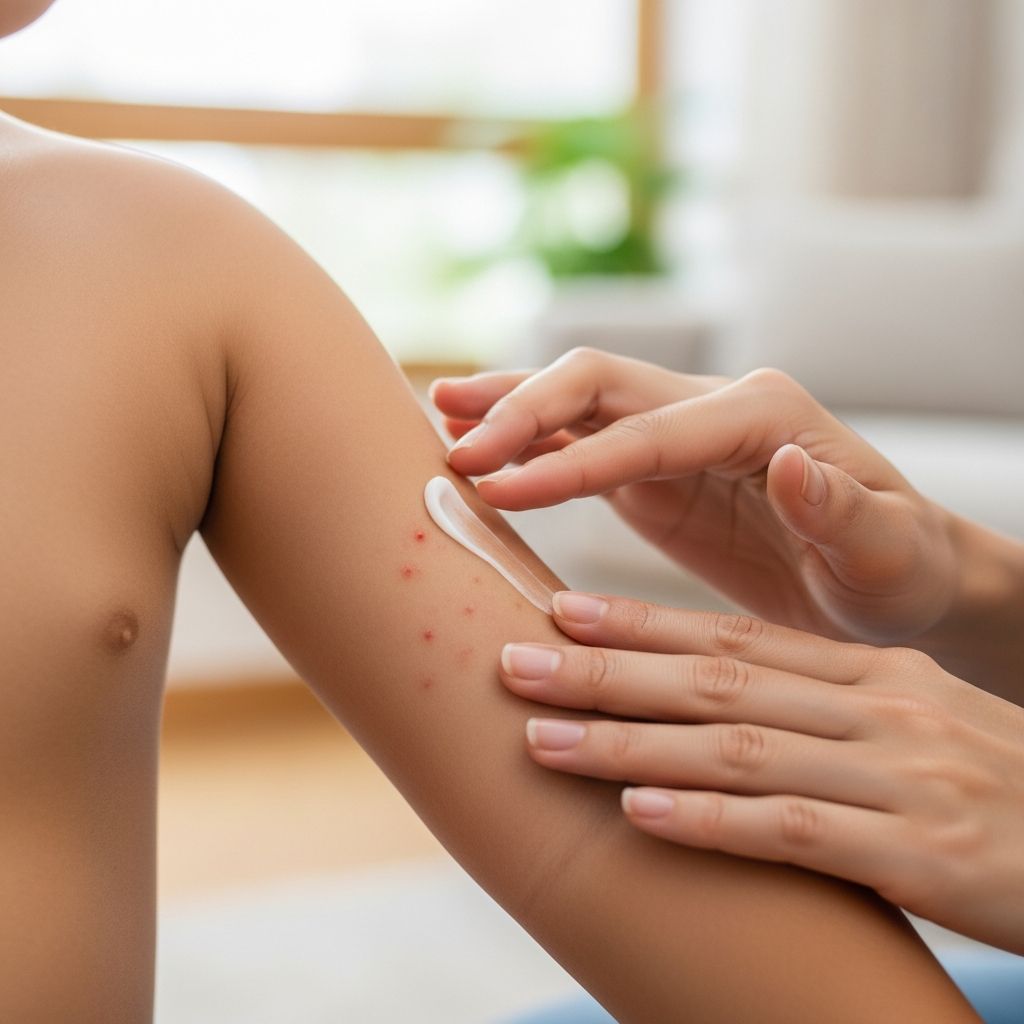
Heat rash, often called prickly heat or miliaria, affects many children during warm periods, appearing as small red bumps due to sweat trapped under the skin. This common condition arises when sweat ducts clog, particularly in humid environments, and is especially prevalent in infants whose glands are still maturing.
Why Heat Rash Develops in Young Ones
The primary trigger for heat rash is excessive sweating in hot, humid conditions where sweat glands become overactive and blocked. In children, this happens because their sweat ducts are narrower and less developed, making blockage easier when pores fill with dead skin or dirt. Overdressing exacerbates the issue, trapping heat and moisture against the skin, while tight clothing or non-breathable fabrics like synthetic materials worsen it.
Babies face higher risks since they regulate body temperature less efficiently and often wear layers or diapers that retain moisture. Even in cooler months, factors like fever, heavy ointments on the skin, or excessive bundling can provoke outbreaks. Physical activity in older kids, such as running or playing outdoors, increases sweat production, heightening vulnerability.
Spotting the Signs Early
Recognizing heat rash promptly allows for quick relief. It typically presents as clusters of tiny pink or red bumps, often feeling prickly or itchy, concentrated in sweat-prone areas. In infants, look for these on the neck, chest, back, armpits, groin, or diaper region; in older children, elbows, knees, or thighs may be affected.
- Tiny bumps or blisters filled with clear fluid
- Mild redness and inflammation around the spots
- Itching or a pins-and-needles sensation, more noticeable in toddlers
- No accompanying fever unless secondary infection occurs
Symptoms usually emerge after prolonged heat exposure and resolve with cooling, distinguishing it from allergies or infections.
Distinguishing from Similar Skin Issues
Heat rash can mimic other conditions, so careful observation matters. Unlike hives, which are larger, raised welts from histamine release often linked to allergies or stress, heat rash stems purely from sweat blockage. Eczema features drier, scaly patches, while infections show pus, swelling, or fever.
| Condition | Key Features | Triggers |
|---|---|---|
| Heat Rash | Small bumps, prickly itch, no fever | Heat, humidity, overdressing |
| Hives | Large welts, intense itch, may swell | Allergies, exercise, sun exposure |
| Bacterial Infection | Pus, warmth, fever | Scratching breaks skin |
This comparison aids parents in deciding if home care suffices or professional evaluation is needed.
Proven Home Remedies for Fast Relief
Most cases clear within 2-3 days using simple strategies focused on cooling and drying the skin. Start by moving your child to a shaded, air-conditioned space to halt sweating.
- Cool Baths: Submerge in lukewarm water (not cold) for 10 minutes, 3+ times daily, skipping soap to avoid irritation. Air-dry afterward.
- Compresses: Apply cool, wet cloths to small areas for 5-10 minutes, then pat dry.
- Air Circulation: Use fans during sleep or play, ensuring loose cotton clothing or none on affected spots.
- Itch Relief: Dab 1% hydrocortisone cream on itchy areas up to 3 times daily; avoid ointments as they clog pores. Calamine lotion offers soothing alternative.
For sleeping children over 1 year, place a cotton towel beneath to wick moisture. Never use oils, menthol rubs, or heavy creams, as they block ducts further.
Prevention Strategies for Hot Seasons
Proactive steps minimize recurrences, especially during summer or humid spells. Dress kids in lightweight, breathable cotton outfits, one layer lighter than adults in the same conditions. Schedule outdoor time for cooler parts of the day and ensure hydration to support sweat evaporation.
- Opt for loose-fitting clothes; avoid synthetics or tight elastics.
- Maintain indoor coolness with AC or fans.
- Post-bath, let skin air-dry fully before dressing.
- For babies, use breathable diapers and skip unnecessary ointments.
During exercise, take breaks in shade and change sweaty clothes promptly.
When to Consult a Pediatrician
Home treatments handle most instances, but seek help if the rash persists beyond 3 days, spreads, or shows infection signs like pus, increased swelling, warmth, or fever. Babies with widespread rashes or irritability warrant immediate checks to exclude other issues. Doctors may prescribe stronger creams or test for underlying conditions.
Understanding Types of Heat Rash
Heat rash varies by depth: Miliaria crystallina features clear, non-itchy blisters from superficial blocks; miliaria rubra, the prickly red version, involves deeper inflammation; and miliaria profunda, rare in kids, causes flesh-colored bumps. Infants mostly get the milder forms, resolving quickest with cooling.
Seasonal and Lifestyle Factors
Beyond weather, fevers from illness or sunburn can trigger episodes by elevating skin temperature. Breastfed babies might develop facial rash from lanolin on maternal nipples, while chest applications for coughs pose risks. Teaching older kids to recognize overheating encourages self-care like pausing play.
Long-Term Skin Health Tips
Build habits like daily gentle cleansing with mild soap, moisturizing with lotions (not ointments), and monitoring for sensitivities. Sunscreen use prevents burns that trap sweat, and balanced sodium intake avoids hypernatremia-linked risks. These foster resilient skin year-round.
Frequently Asked Questions
Can heat rash lead to serious complications?
Rarely, scratching invites bacterial infections, marked by fever or pus; treat promptly with antibiotics if needed.
Is hydrocortisone safe for babies?
1% cream is fine for short-term use on kids over 2 months; consult a doctor for infants.
How long until heat rash disappears?
Typically 2-3 days with proper cooling; persistent cases need medical review.
Does heat rash only happen in summer?
No, overdressing, fevers, or ointments can cause it anytime.
Can diet influence heat rash?
High sodium with low water may contribute indirectly; ensure hydration.
References
- Heat Rash (Prickly Heat) — Cleveland Clinic. 2023. https://my.clevelandclinic.org/health/diseases/22440-heat-rashprickly-heat
- Healing Heat Rash — St. Louis Children’s Hospital. 2024. https://www.stlouischildrens.org/health-resources/pulse/healing-heat-rash
- Heat Rash — Seattle Children’s Hospital. 2024. https://www.seattlechildrens.org/conditions/a-z/heat-rash/
- Heat Rash – Treatments and Causes — Healthdirect (Australian Government). 2024. https://www.healthdirect.gov.au/heat-rash
- Recognizing Heat Rashes & Hives for Kids — Olansky Dermatology. 2023. https://www.olanskydermatology.com/recognizing-heat-rashes-hives-for-kids/
- Heat Rash (Prickly Heat) — NHS. 2024-05-09. https://www.nhs.uk/conditions/heat-rash-prickly-heat/