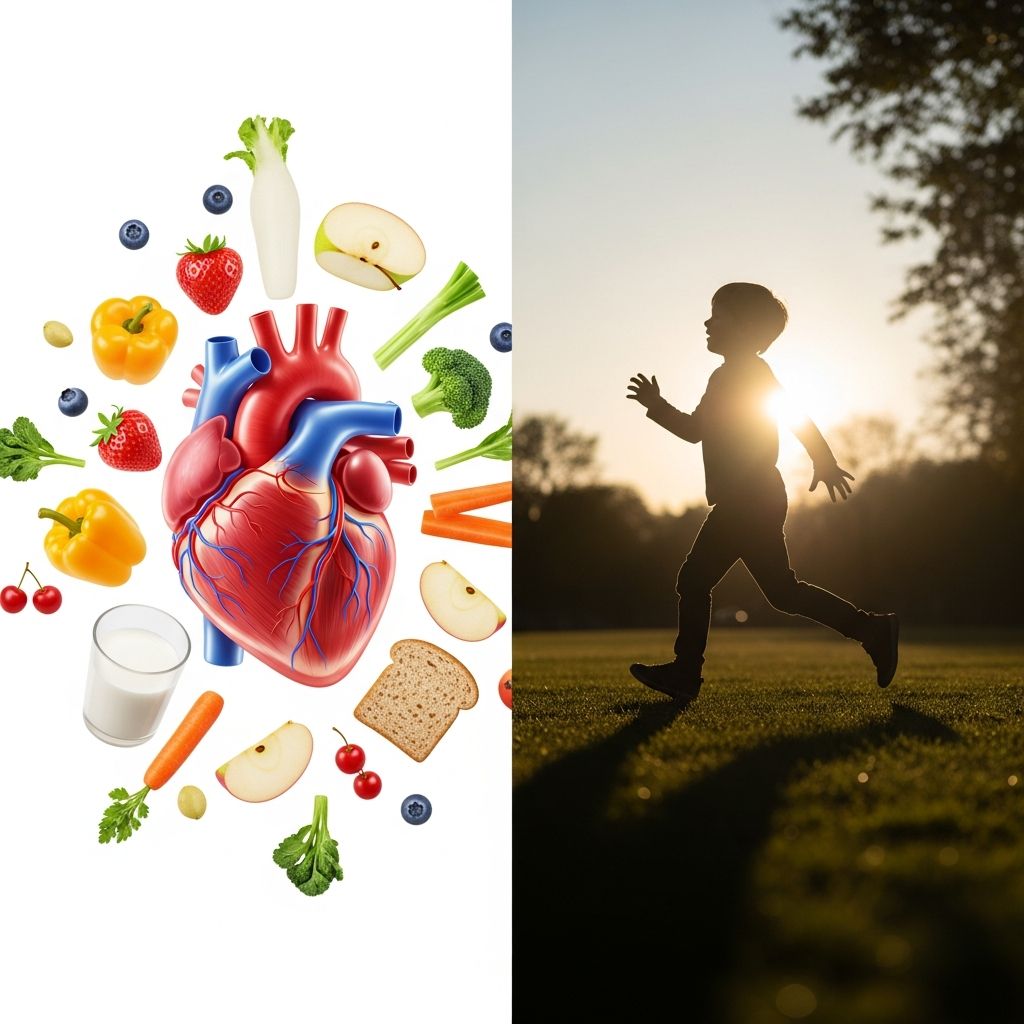
Cholesterol might sound like something only adults need to worry about, but it matters for kids too. About 7% of children and teens ages 6–19 in the United States have high total cholesterol, which can raise their risk for heart disease later in life. Learning what cholesterol is and how to keep it in a healthy range is one of the best gifts families can give a growing child’s heart.
What Exactly Is Cholesterol?
Cholesterol is a waxy, fat-like substance that your body needs in small amounts to work properly. It helps:
- Build cell walls all over the body
- Produce hormones that control growth and many body functions
- Make vitamin D, which is important for strong bones
- Create bile acids that help digest fats
Our bodies make all the cholesterol we need in the liver, and we also get some from animal-based foods like meat, cheese, eggs, and whole milk.
Good vs. Bad Cholesterol: Understanding the Different Types
Cholesterol travels through the bloodstream inside tiny “packages” called lipoproteins. The main ones you will hear about are:
| Type | Full Name | What It Does | Why It Matters |
|---|---|---|---|
| LDL | Low-density lipoprotein | Carries cholesterol from the liver to the rest of the body | Often called “bad” cholesterol because too much can build up in blood vessels and form plaque. |
| HDL | High-density lipoprotein | Picks up extra cholesterol in the blood and carries it back to the liver | Often called “good” cholesterol because it helps protect arteries. |
| Triglycerides | Type of blood fat | Stores extra energy from food | High levels can raise the risk of heart and pancreas problems. |
Healthy levels of total cholesterol, LDL, HDL, and triglycerides lower the chance of clogged arteries and heart disease in adulthood.
Healthy Cholesterol Levels for Children and Teens
Doctors use blood tests to check cholesterol levels. For most kids and teens, the goal is to stay in the healthy range below.
| Cholesterol Type | Healthy Level (Age ≤19) |
|---|---|
| Total cholesterol | Less than 170 mg/dL |
| Non-HDL cholesterol (total minus HDL) | Less than 120 mg/dL |
| LDL cholesterol | Less than 110 mg/dL |
| HDL cholesterol | More than 45 mg/dL |
Doctors may also look at triglyceride levels, which have slightly different healthy cutoffs depending on a child’s age.
Why Cholesterol Matters Even in Childhood
High cholesterol can start causing damage silently in childhood, long before any symptoms appear. Fatty deposits, called plaque, can begin forming in the walls of arteries during youth. Over many years, these deposits can narrow or block blood vessels, leading to:
- Coronary artery disease (blocked heart arteries)
- Heart attack
- Stroke
Keeping cholesterol in a healthy range early in life lowers the risk of these problems as an adult.
What Can Raise Cholesterol in Kids?
High cholesterol in children usually comes from a mix of genetic and lifestyle factors.
Genetic Causes
Some kids inherit conditions that cause very high cholesterol from birth. One of the most common is familial hypercholesterolemia (FH), where LDL cholesterol is high even if a child eats a healthy diet.
A child is more likely to have FH if:
- A parent or close relative had a heart attack or stroke at a young age
- One or both parents have very high LDL cholesterol
- Blood tests show LDL levels much higher than normal from early childhood
Lifestyle and Health Factors
Other common reasons kids develop high cholesterol include:
- Eating lots of foods high in saturated fat, trans fat, and added sugars
- Drinking many sugary beverages such as soda, sweet teas, and flavored juices
- Being overweight or having obesity
- Not getting enough physical activity
- Having diabetes, high blood pressure, or kidney disease
- Exposure to cigarette smoke
Does High Cholesterol Cause Symptoms in Kids?
Most children with high cholesterol feel completely normal. There are usually no symptoms to warn parents that something is wrong.
In rare cases of extremely high levels, especially due to genetic conditions, kids might develop signs like:
- Fatty bumps under the skin (called xanthomas)
- Cloudy or white rings around the colored part of the eye
Because symptoms are uncommon, blood tests are the only reliable way to know if a child’s cholesterol is too high.
When Should Kids Have Their Cholesterol Checked?
Health experts recommend routine cholesterol checks for most children, even if they seem healthy. According to national guidelines:
- First test: between ages 9 and 11
- Repeat test: about every 5 years
Some kids need earlier or more frequent testing, including those who:
- Have a strong family history of high cholesterol, heart attack, or stroke at a young age
- Have obesity, diabetes, high blood pressure, or kidney disease
- Have known or suspected familial hypercholesterolemia
In these higher-risk situations, testing may begin as early as age 2.
What Happens During a Cholesterol Test?
The test is usually a simple blood draw from a vein in the arm. There are two main types:
- Non-fasting test: The child can eat and drink normally beforehand. This is often used for initial screening.
- Fasting lipid profile: The child does not eat or drink anything except water for about 9–12 hours before the test. This gives more detailed information about LDL, HDL, and triglycerides.
The doctor will explain which test is needed and how to prepare.
How Families Can Support Healthy Cholesterol
The good news is that many of the same habits that keep kids strong and energetic also help keep cholesterol in a healthy range. For most children, doctors start with lifestyle changes before considering medication.
Heart-Healthy Eating for Kids
Parents do not need to follow a strict or complicated diet. Small, realistic changes over time can make a big difference. Helpful food habits include:
- Offer plenty of fruits and vegetables at meals and snacks.
- Choose whole grains like oatmeal, whole-wheat bread, and brown rice instead of refined grains.
- Pick lean proteins such as beans, lentils, skinless poultry, fish, and lean cuts of meat.
- Serve low-fat or fat-free dairy (milk, yogurt, cheese) if advised by the child’s doctor.
- Use healthy fats from foods like nuts, seeds, avocado, and vegetable oils instead of butter or shortening.
- Limit foods high in saturated fat, such as fatty meats, full-fat cheese, butter, and many fast foods.
- Avoid trans fats, often found in fried foods and some baked snacks made with partially hydrogenated oils.
- Cut back on added sugars from desserts, candies, and sweetened cereals.
Smart Drink Choices
What kids drink can strongly affect both weight and cholesterol. Helpful guidelines include:
- Make water the main drink throughout the day.
- Limit sugary beverages such as soda, sports drinks, energy drinks, and sweet iced teas.
- Offer 100% fruit juice only in small portions, if at all.
- Choose low-fat or fat-free milk, based on age and pediatric advice.
Keeping Kids Active
Regular movement helps raise HDL (“good”) cholesterol, lower LDL (“bad”) cholesterol, and support a healthy weight.
Experts generally encourage school-age children and teens to aim for:
- About 60 minutes of physical activity most days of the week
This can include:
- Active play (tag, jumping rope, playground games)
- Sports (soccer, basketball, swimming)
- Walking or biking (with safety gear) instead of always riding in a car
- Dancing, martial arts, or fitness videos made for kids
Other Heart-Healthy Habits
- Avoid smoking and vaping: Secondhand smoke can harm blood vessels and lungs. Kids and teens should also be protected from starting smoking themselves.
- Maintain a healthy weight: Working with a healthcare provider, families can make gradual changes to eating and activity that support a healthy growth pattern.
- Manage other conditions: If a child has diabetes, high blood pressure, or kidney disease, careful treatment helps reduce cholesterol-related risks.
When Are Medicines Needed?
Some children, especially those with very high LDL cholesterol or strong genetic risk, may need medication in addition to lifestyle changes. Doctors usually consider medicines like statins when:
- The child is at least 10 years old
- LDL cholesterol stays above 190 mg/dL after several months of diet and activity changes
- LDL cholesterol is above 160 mg/dL and the child has high risk for heart disease
- The child has familial hypercholesterolemia with very high LDL levels
These decisions are made carefully, with close monitoring and regular follow-up visits.
Talking with Kids About Cholesterol
Conversations about cholesterol do not need to be scary. Instead of focusing on numbers and disease, families can talk about:
- Energy and strength: Healthy foods and exercise help kids play, learn, and grow.
- Taking care of the heart: Keeping blood vessels clean and strong helps them stay active for many years.
- Teamwork: The whole family can work together to build better habits, so no one feels singled out.
Involving kids in grocery shopping, cooking, and choosing activities can give them a sense of control and teach lifelong skills.
Frequently Asked Questions (FAQs)
Can a child with high cholesterol ever eat treats?
Most children with high cholesterol can still enjoy occasional treats. The goal is to make everyday choices—like what to drink, what snacks to keep at home, and how often to eat fast food—healthier overall. A doctor or dietitian can suggest how often treats fit into a child’s plan.
Is high cholesterol only a problem for kids who are overweight?
No. Many children with high cholesterol have a higher body weight, but some are thin and still have high levels, especially if they inherited a condition like familial hypercholesterolemia. That is why doctors sometimes test cholesterol based on family history or other risk factors, not just weight.
How long does it take to lower cholesterol in a child?
It depends on how high the levels are and what is causing the problem. When high cholesterol is mainly related to diet and activity, improvements can sometimes appear after a few months of consistent changes. If genetics play a big role, lifestyle changes still help, but medicine may also be needed.
Do kids with high cholesterol need a special diet forever?
Rather than a short-term “diet,” most experts recommend long-term eating patterns that the whole family can follow—more fruits, vegetables, whole grains, and healthy fats, and fewer sugary drinks and high-fat, processed foods. These habits support heart health at every age.
Should parents be tested if their child has high cholesterol?
Often, yes. If a child has very high LDL cholesterol, doctors may recommend that parents and siblings be tested. This can uncover inherited conditions like familial hypercholesterolemia and help protect other family members who might also be at risk.
References
- High Cholesterol in Children and Teens — MedlinePlus, U.S. National Library of Medicine. 2024-02-28. https://medlineplus.gov/highcholesterolinchildrenandteens.html
- High Cholesterol in Children — Cleveland Clinic. 2023-09-20. https://my.clevelandclinic.org/health/diseases/12113-high-cholesterol-in-children
- High Cholesterol Facts — Centers for Disease Control and Prevention (CDC). 2023-04-11. https://www.cdc.gov/cholesterol/data-research/facts-stats/index.html
- Cholesterol and Your Child — Children’s National Hospital Preventive Cardiology Program. 2022-08-15. https://www.childrensnational.org/get-care/departments/preventive-cardiology-program/family-resources/cholesterol-and-your-child
- What Causes High Cholesterol in a Child? — Children’s Health. 2022-10-05. https://www.childrens.com/health-wellness/high-cholesterol-in-children
- Children as Young as 10 Years Old May Be at Risk for High Cholesterol — RWJBarnabas Health. 2025-02-01. https://www.rwjbh.org/blog/2025/february/children-as-young-as-10-years-old-may-be-at-risk/
- Cholesterol and Kids: What Parents Should Know — CHOC Health. 2021-11-10. https://health.choc.org/cholesterol-and-kids-what-parents-should-know/