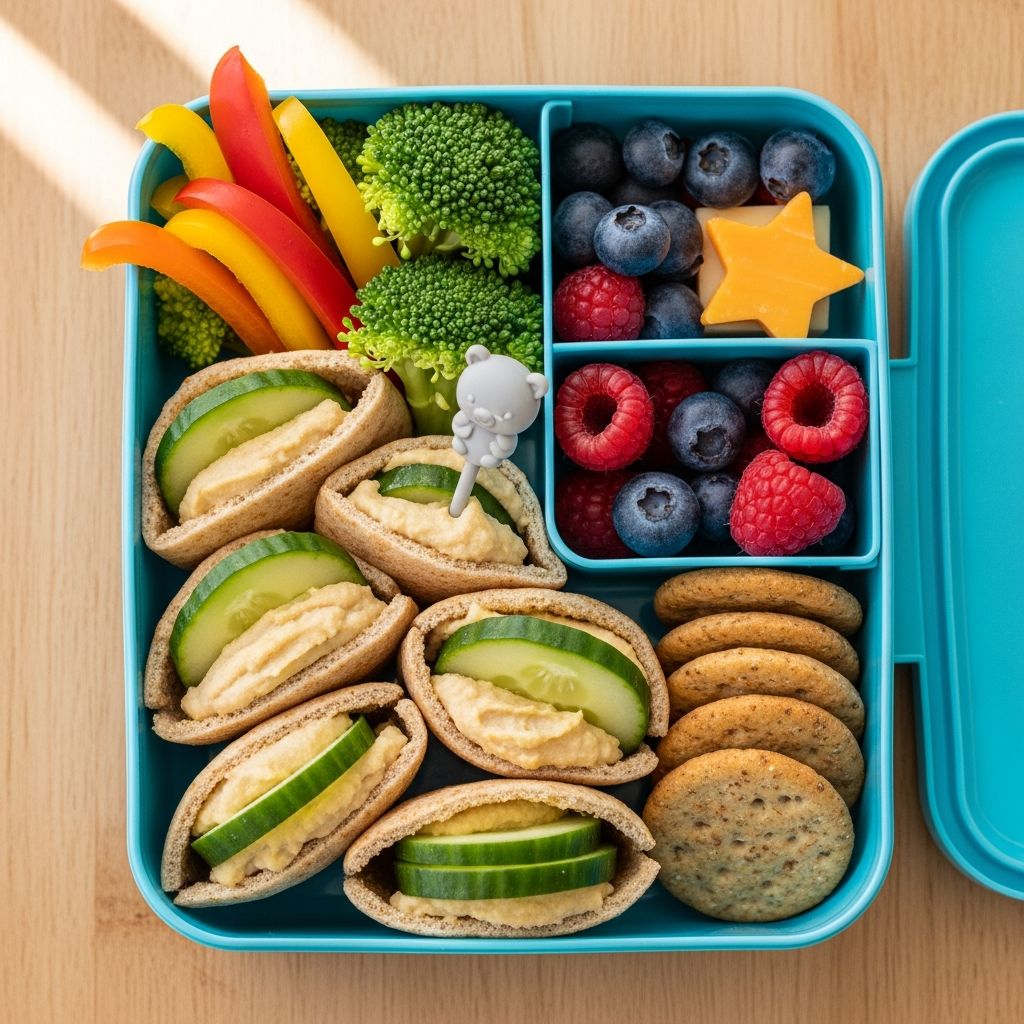
Preschool lunch does not have to be stressful, complicated, or time-consuming. With a little planning, you can send your child to school with tasty meals that provide the energy and nutrients they need to grow, learn, and play.
Why Healthy Preschool Lunches Matter
Preschoolers are developing quickly, both physically and mentally, and the food they eat directly affects their concentration, behavior, immunity, and long-term health. A nutritious lunch can help stabilize blood sugar, prevent afternoon meltdowns, and support better focus during play and learning activities.
At this age, children are also building lifelong habits, so offering a variety of wholesome foods teaches them to enjoy fruits, vegetables, whole grains, and lean proteins rather than relying on ultra-processed snacks.
Key Components of a Balanced Preschool Lunch
A simple way to build a balanced preschool lunch is to include four main parts: protein, fruits, vegetables, and whole grains, with healthy fats appearing naturally in some of these foods.
- Protein: Helps with growth, supports muscles, and keeps kids full.
- Fruits and vegetables: Provide vitamins, minerals, and fiber for digestion and immunity.
- Whole grains: Offer steady energy and additional fiber.
- Healthy fats: Support brain development and nutrient absorption.
Example Building Blocks
| Food Group | Kid-Friendly Options |
|---|---|
| Protein | Shredded chicken, turkey slices, beans, hummus, cheese, yogurt, hard-boiled eggs |
| Fruits | Banana slices, berries, seedless grapes (quartered), melon cubes, apple slices, mandarin segments |
| Vegetables | Cucumber rounds, carrot sticks (soft for younger kids), cherry tomatoes (quartered), peas, sweet bell pepper strips |
| Whole grains | Whole wheat bread, mini pitas, quinoa, brown rice, whole grain crackers, whole wheat pasta |
| Healthy fats | Avocado, nut or seed butters (if allowed), olive oil in dressings, full-fat yogurt or cheese |
Simple Lunch Formulas Parents Can Follow
Instead of starting from scratch every morning, think in terms of formulas you can repeat and adapt. Rotating a few standard combinations keeps shopping and prep manageable while still feeling varied to your child.
- Sandwich + fruit + veggie + snack: Whole grain sandwich, sliced fruit, raw vegetable, and one fun extra.
- Leftovers + grain + produce: Small serving of last night’s dinner, plus a simple grain and ready-to-eat fruits or vegetables.
- Bento bites: A mix of small portions—protein cubes, bite-sized vegetables, fruit, and crackers—presented in a divided container.
- Breakfast-for-lunch: Whole grain waffles, scrambled egg muffins, or overnight oats with fruit and a side of vegetables.
Healthy Sandwich and Wrap Ideas
Sandwiches and wraps are popular for preschool because they are portable and easy for little hands. To make them healthier, focus on whole grain breads, soft fillings, and plenty of color.
- Use whole grain or sprouted bread, tortillas, or mini pitas instead of white bread when possible.
- Choose soft textures and thin layers so young children can chew and swallow comfortably.
- Cut sandwiches into small squares, strips, or fun shapes to make them more appealing.
Kid-Friendly Sandwich Combinations
- Turkey and cheese with thin cucumber slices on whole wheat bread.
- Hummus and shredded carrot in a soft tortilla wrap, sliced into rounds.
- Mashed avocado and thinly sliced egg on mini pitas.
- Cream cheese and thin apple slices on raisin bread.
Non-Sandwich Preschool Lunch Ideas
Some preschoolers refuse sandwiches or simply get tired of them. Non-sandwich lunches can still be well-balanced and easy to pack by focusing on bite-sized foods, simple seasonings, and familiar flavors.
- Pasta salad: Whole wheat or legume pasta tossed with olive oil, peas, cheese cubes, and finely chopped vegetables.
- Snack-style boxes: A mix of cheese, crackers, fruit, sliced vegetables, and a dip.
- Rice or grain bowls: Brown rice or quinoa with beans, small veggie pieces, and shredded chicken or tofu.
- Mini muffins or egg cups: Savory or lightly sweet muffins with hidden vegetables, paired with fruit and veggies.
Sample Weekly Lunch Menu for Preschoolers
The sample menu below reflects the type of content often included in a detailed lunch-planning article. It shows how the same basic building blocks can be rearranged to create variety throughout the week.
| Day | Main Item | Fruit | Vegetable | Whole Grain / Extra |
|---|---|---|---|---|
| Monday | Turkey and cheese roll-ups | Grapes (quartered) | Cucumber rounds | Whole grain crackers |
| Tuesday | Hummus with soft pita triangles | Strawberry halves | Carrot sticks (steamed if needed) | Plain yogurt with a drizzle of honey (if age-appropriate) |
| Wednesday | Whole wheat pasta salad with peas and cheese | Mandarin orange segments | Cherry tomatoes (quartered) | Mini oat muffin |
| Thursday | Leftover baked chicken pieces | Apple slices | Steamed broccoli florets | Brown rice |
| Friday | Mini egg and veggie muffins | Banana slices | Sugar snap peas (strings removed) | Whole grain pretzels |
Lunchbox Packing Tips and Time-Savers
Time-saving strategies are often a major focus in parent-friendly lunch articles. Planning ahead and simplifying choices can make the morning rush much easier.
- Prep once, use twice: Roast a tray of vegetables or cook a batch of grains on the weekend, then use them in different lunches all week.
- Use a small set of repeating items: Keep a list of favorite fruits, vegetables, and proteins so you can quickly assemble meals without overthinking.
- Rely on a divided lunchbox: A bento-style container makes portions visible and reduces the need for disposable bags.
- Pack the night before: Prepare as much as possible after dinner and store in the fridge to avoid morning stress.
Making Healthy Food Fun and Appealing
Preschoolers often eat with their eyes first, so simple presentation tricks can make nutritious food more attractive. Color, variety, and playful shapes encourage curiosity and help picky eaters feel more interested in trying new foods.
- Cut sandwiches into shapes using cookie cutters or slice into easy-to-hold strips.
- Offer a “rainbow” of fruits and vegetables over the course of the week, pointing out different colors.
- Use small containers for dips like hummus, yogurt, or guacamole to make raw vegetables more fun.
- Include one tiny treat or favorite familiar item so the lunch feels comforting, not overwhelming.
Handling Picky Eating at Lunch
Many preschool lunch articles devote space to coping with picky eating, since it is extremely common at this age. The goal is to offer structure and variety without turning meals into a power struggle.
- Pair new with familiar: Include one well-loved food alongside any new or less-favored item.
- Keep portions small: A few bites of each food look less intimidating and help reduce waste.
- Stay consistent: Offer vegetables regularly, even if they are rejected at first; repeated exposure matters.
- Avoid pressure: Let preschool staff handle eating without telling children they must finish everything.
Food Safety and Preschool Lunches
Food safety is essential when packing lunches that may sit for several hours before being eaten. Keeping food at safe temperatures helps prevent spoilage and protects your child’s health.
- Use an insulated lunch bag with one or more ice packs, especially for dairy, meat, eggs, or leftovers.
- Choose insulated containers for hot foods, preheating them with hot water before filling.
- Wash fruits and vegetables thoroughly and dry them before packing.
- Cut foods into age-appropriate pieces and avoid choking hazards such as whole grapes, large chunks of hot dog, or hard raw vegetables.
Working With Preschool Policies and Allergies
Most preschools have specific rules about food due to allergies, choking risks, and cultural or religious considerations. Before planning elaborate lunches, review any written guidelines or talk to the teacher about what is allowed.
- If your child’s classroom is nut-free, rely on seeds, beans, dairy, and meats as alternative protein sources.
- Label lunch containers clearly with your child’s name and communicate any allergies or dietary needs to staff.
- Keep ingredients simple and recognizable to make it easier for teachers to supervise safe eating.
Involving Your Preschooler in Lunch Planning
Including children in age-appropriate ways often appears in parenting lunch guides, because it helps them feel ownership over their food choices. When kids are part of planning and preparation, they are more likely to try and enjoy what is packed.
- Offer two or three healthy options and let your child pick which fruit or vegetable goes in the lunchbox.
- Let them help wash produce, place food into compartments, or choose which container to use.
- Talk briefly about what each food helps their body do, such as “carrots help your eyes” or “chicken helps your muscles grow.”
Frequently Asked Questions About Preschool Lunches
How much food should I pack for a preschool lunch? Portion sizes for preschoolers are smaller than for older children or adults. A good guideline is to offer a few bites of each component—protein, fruit, vegetable, and grain—while remembering that appetite can vary from day to day. What if my child comes home with most of the lunch untouched? Look for patterns over time rather than reacting to one day. If problems persist, ask teachers how much time is allowed for eating, whether your child is distracted, and whether the portions or textures feel manageable. Can I send warm foods to preschool? Yes, many parents send warm items such as pasta, rice bowls, or soups in insulated containers. Preheat the container with hot water, heat the food thoroughly, and check school rules about hot lunches. How do I avoid sending too much sugar? Focus on whole foods most of the time, such as fruit, plain dairy, and minimally processed grains. If you include a small dessert, balance it with plenty of nutrient-dense items so sweets are part of the meal, not the main attraction. My child is allergic to nuts. What are good alternative protein sources? Nut-free options include hummus, beans, lentils, seeds (like sunflower or pumpkin seeds, if allowed), eggs, cheese, yogurt, and leftover meats or poultry cut into bite-sized pieces.
Putting It All Together
Healthy lunches for preschoolers are built from simple, familiar ingredients arranged in balanced combinations. By including a source of protein, colorful produce, whole grains, and some healthy fats, you can feel confident that your child’s midday meal is nourishing and satisfying.
With a few go-to formulas, some basic advance prep, and a willingness to keep trying new ideas, packing preschool lunches can become a quick routine rather than a daily challenge.