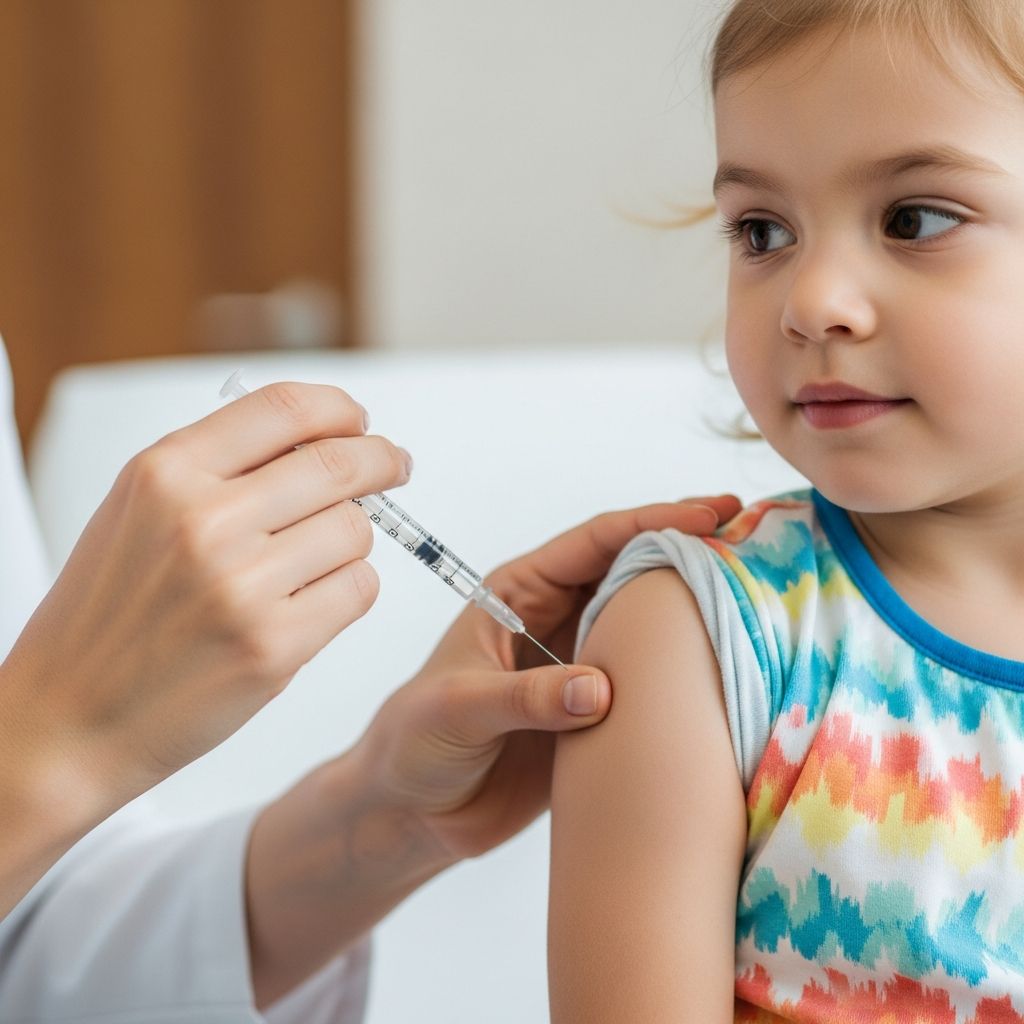
The MMRV vaccine combines protection against four serious childhood illnesses—measles, mumps, rubella, and varicella (chickenpox)—in a single injection, simplifying immunization schedules for toddlers and preschoolers. Approved for children starting at 12 months, it offers convenience while maintaining high efficacy against these preventable diseases.
Understanding the Diseases MMRV Targets
Each component of the MMRV vaccine addresses a highly contagious virus that can lead to severe complications in young children. Measles causes high fever, cough, and a distinctive rash, potentially resulting in pneumonia or encephalitis. Mumps leads to swollen salivary glands and risks like meningitis or hearing loss. Rubella, though milder, poses dangers to pregnant women and fetuses. Varicella, or chickenpox, brings itchy blisters and complications such as bacterial skin infections or rare brain inflammation.
Vaccination dramatically reduces these risks. Before widespread immunization, measles alone infected millions annually in the U.S., hospitalizing thousands. Today, cases are rare due to herd immunity from vaccines like MMRV.
Who Qualifies for the MMRV Vaccine?
Health authorities recommend MMRV for healthy children aged 12 months to 12 years. The first dose typically occurs at 12-15 months, with a second at 4-6 years, aligning with routine pediatric visits. It’s particularly useful for the initial dose in toddlers, though separate MMR and varicella shots remain options.
- Ages 12-47 months: First dose preference for MMRV if no contraindications.
- Ages 48 months-12 years: Either MMRV or separate vaccines for the second dose.
- High-risk children: Separate vaccines may be advised for those with seizure history or fever-prone conditions.
Children with compromised immunity, severe allergies to vaccine components like gelatin or neomycin, or prior life-threatening reactions should avoid MMRV. Pregnant individuals and those with active tuberculosis are also ineligible.
Vaccination Timeline and Administration
The standard schedule ensures overlapping immunity builds gradually. Here’s a breakdown:
| Age Range | Dose | Vaccine Option | Purpose |
|---|---|---|---|
| 12-15 months | First | MMRV preferred | Initial protection against all four diseases |
| 4-6 years | Second | MMRV or MMR + Varicella | Booster for lifelong immunity |
| 12+ years (catch-up) | As needed | Separate vaccines often | Address missed doses |
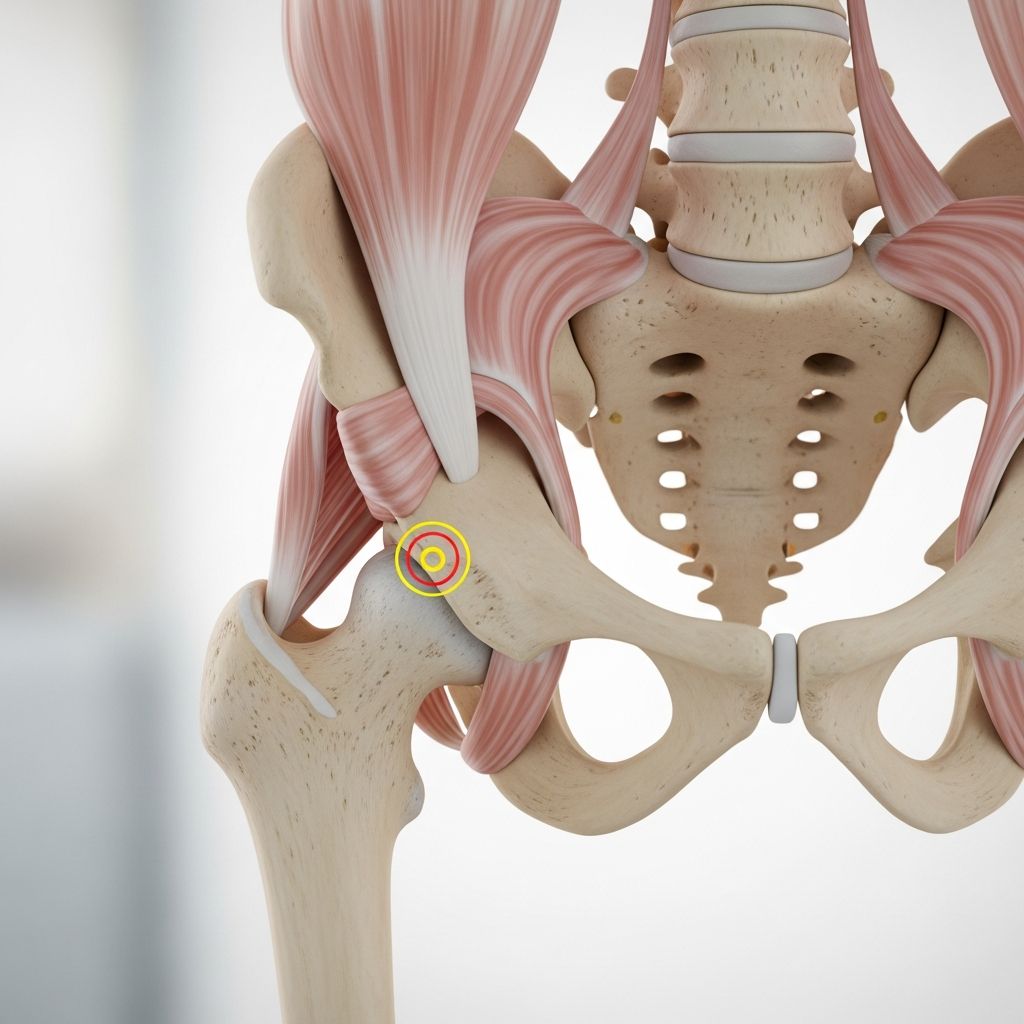
Administered via subcutaneous injection in the upper arm or thigh, MMRV requires no special preparation beyond routine health checks.
Expected Mild Reactions After Vaccination
Most children experience no issues or only temporary mild effects. Common reactions mirror natural infection responses but at lower intensity:
- Soreness, redness, or swelling at the injection site.
- Fever (often 102°F or higher) 7-12 days post-vaccination.
- Mild rash resembling chickenpox spots.
These typically resolve within days without intervention. Acetaminophen can manage fever, but avoid pre-vaccination dosing to prevent masking symptoms.
Addressing Concerns About Febrile Seizures
A key discussion point is febrile seizures—brief convulsions triggered by fever, common in children aged 6 months to 5 years. MMRV carries a slightly elevated risk compared to separate MMR and varicella vaccines, particularly after the first dose in 12-23 month olds.
Data shows about one extra febrile seizure per 2,300-2,600 children receiving MMRV versus separate shots, occurring 5-12 days post-vaccination. Rates: 8.5 per 10,000 for MMRV vs. 4.2 per 10,000 for separates.
Importantly, these seizures lack long-term consequences like epilepsy or developmental delays. They resemble those from natural fevers (1 in 25 children experience one by age 5). For seizure-prone kids, providers often suggest separate vaccines.
Rare but Serious Adverse Events
Infrequent issues include temporary low platelet counts (thrombocytopenia) or swelling in cheeks/neck from mumps component. Anaphylaxis is extremely rare, affecting those with specific allergies. Post-marketing studies confirm overall safety, with no new signals beyond known risks.
A 2024 analysis found higher febrile seizure reporting for MMRV but affirmed both formulations’ strong safety profiles, with positive outcomes for all tracked events.
Benefits Outweighing the Risks
MMRV reduces doctor visits and needles, improving compliance. One fewer injection means less stress for child and parent. Protection rates exceed 95% for measles, mumps, rubella, and two doses near 98% for varicella.
Compared to disease risks—measles encephalitis (1 in 1,000 cases), mumps orchitis (1 in 20 adult males)—vaccine risks are minimal. Unvaccinated children face far higher seizure odds from wild viruses.
Practical Tips for Parents
Discuss options with your pediatrician. Monitor for fever post-vaccination; seek care for prolonged seizures (over 5 minutes) or breathing issues. Report concerns to VAERS for surveillance.
Stay on schedule to contribute to community immunity, preventing outbreaks.
Frequently Asked Questions (FAQs)
What is the MMRV vaccine?
A single shot protecting against measles, mumps, rubella, and chickenpox (varicella).
Is MMRV safe for 1-year-olds?
Yes, licensed from 12 months; CDC prefers it for first dose in healthy toddlers.
Does MMRV increase seizure risk?
Slightly higher (about 2x) than separate shots for first dose, but no long-term harm; 1 extra case per ~2,300 doses.
Can allergic kids get MMRV?
No, if history of severe reaction to gelatin, neomycin, or prior vaccine dose.
When is the second MMRV dose given?
At 4-6 years, either as MMRV or separates.
What if my child misses a dose?
Catch-up possible at any age-appropriate visit; consult provider.
Empowering Informed Decisions
Armed with facts, parents can confidently choose MMRV or alternatives. Routine vaccination safeguards individual and public health against resurging threats like measles outbreaks.
References
- Measles, Mumps, Rubella, Varicella (MMRV) Vaccine Safety — Centers for Disease Control and Prevention (CDC). 2023-10-05. https://www.cdc.gov/vaccine-safety/vaccines/mmrv.html
- Adverse events following Measles-Mumps-Rubella and Varicella vaccinations — di N Soriolo et al., Vaccine (PMC). 2024-04-15. https://pmc.ncbi.nlm.nih.gov/articles/PMC11007536/
- MMRV Vaccine Factsheet – Information for Parents and Caregivers — UK Government (gov.uk). 2023-11-20. https://www.gov.uk/government/publications/mmrv-vaccine-factsheet-information-for-parents-and-caregivers/mmrv-vaccine-factsheet-information-for-parents-and-caregivers
- MMRV Vaccine: What It Is, US Guidance & Side Effects — Tua Saúde (summarizing CDC). 2024-02-10. https://www.tuasaude.com/en/mmrv-vaccine/
- What to Know About MMR and MMRV Vaccines — Johns Hopkins Bloomberg School of Public Health. 2025-01-10. https://publichealth.jhu.edu/2025/what-to-know-about-mmr-and-mmrv-vaccines