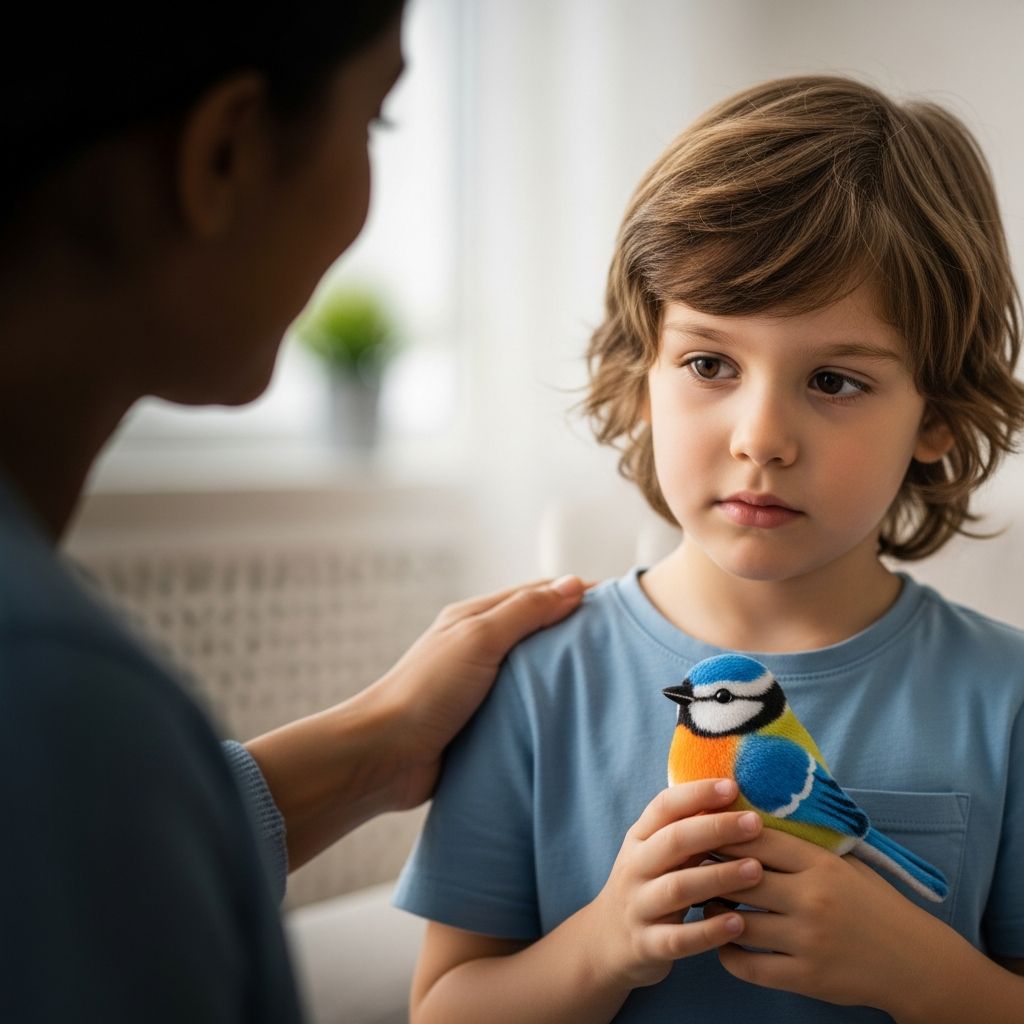
Pain is a natural signal from the body alerting children to potential injury or illness, but it can be especially challenging for kids to express or endure. Effective management starts with recognition and tailored approaches that consider a child’s age and development.
Why Kids Experience Pain Differently
Children’s pain perception evolves with age. Infants feel pain intensely but can’t verbalize it, relying on cries and movements. Toddlers might point or use simple words, while school-age kids can describe intensity better. Teens often compare it to past experiences. This developmental variance requires customized strategies to ensure comfort and recovery.
The nervous system in young bodies transmits pain signals via nerves to the brain, where it’s interpreted. Factors like fear, fatigue, or prior pain episodes can amplify it, making holistic care vital.
Spotting Pain: Signs to Watch For
Observing behavioral cues is crucial since not all kids articulate discomfort clearly. Common indicators include:
- Facial grimacing or furrowed brows, especially in babies.
- Crying that’s high-pitched or inconsolable.
- Body movements like guarding an area, pulling away, or restlessness.
- Changes in sleep or appetite refusal.
- Verbal complaints in older kids, such as ‘It hurts here.’
In medical settings, tools like the FLACC scale (Face, Legs, Activity, Cry, Consolability) help assess nonverbal infants by scoring observable behaviors from 0-10.
Age-Appropriate Tools for Measuring Pain
Selecting the right assessment method ensures accurate evaluation and treatment. Self-reports are gold standard when possible; otherwise, observational scales apply.
| Age Group | Tool | Description | Scale Range |
|---|---|---|---|
| Infants/Nonverbal | FLACC | Observes face, legs, activity, cry, consolability | 0-10 |
| 3-7 years | Faces Pain Scale-Revised (FPS-R) | Child picks from 6 faces showing pain levels | 0-10 |
| 8+ years | Numerical Rating Scale (NRS) | Child rates pain from 0 (none) to 10 (worst) | 0-10 |
| Young kids | Word Scale | Uses words like ‘a little’ or ‘a lot’ | Descriptive |
These tools guide dosing and monitor relief effectiveness.
Non-Drug Ways to Ease Discomfort
Non-pharmacological techniques form the foundation of pain relief, often used alone for mild cases or alongside meds for stronger relief. They empower kids, reduce anxiety, and avoid side effects.
- Distraction: Games, stories, videos, or bubbles shift focus. Evidence shows tablets or music lower procedural distress.
- Comfort Positions: Holding, cuddling, or skin-to-skin for infants; upright seating for older kids.
- Breathing Exercises: Guided deep breaths or blowing pins reduce tension.
- Heat/Cold Therapy: Warm packs soothe muscles; ice numbs acute areas (supervised).
- Massage & Movement: Gentle rubs or short walks improve circulation.
Psychological methods like guided imagery—picturing a favorite place—or hypnosis prove effective in studies for needle sticks and burns.
Medications: Safe Choices for Children
When non-drug options fall short, medications target pain pathways effectively. Always follow provider guidance to balance relief and risks.
First-Line Options:
- Acetaminophen (Tylenol): For mild-moderate pain; dosed by weight.
- NSAIDs (Ibuprofen): Reduces inflammation too; avoid in dehydrated kids.
For Severe Pain: Opioids like morphine via PCA (patient-controlled analgesia) allow kids to self-dose small amounts safely in hospitals, improving control and satisfaction.
Side effects management includes laxatives for constipation and rotation of drugs for tolerance.
Handling Pain During Medical Procedures
Needles, IVs, and dental work spike anxiety and pain. Combined strategies optimize outcomes:
- Sucrose solution for infants (soothes via sweet taste).
- Topical numbing creams 30-60 minutes prior.
- Distraction with child life specialists using toys or VR.
- Parental presence with coaching on calm support.
Preparation—explaining steps simply—builds trust and reduces fear.
Acute vs. Ongoing Pain: Tailored Strategies
Acute pain from injuries resolves quickly with rest and meds. Chronic pain (lasting 3+ months), like from conditions such as arthritis, needs multidisciplinary plans focusing on function over total elimination.
For chronic cases:
- Physical therapy to build strength.
- Cognitive behavioral therapy (CBT) for coping skills.
- Low-dose meds and lifestyle tweaks.
The Role of Families and Caregivers
Parents are key: Validate feelings (‘I see you’re hurting; let’s fix it’), stay calm, and advocate in care settings. Educating kids about pain normalizes it, fostering resilience.
Potential Complications and When to Seek Help
Untreated pain heightens stress, delays healing, and risks chronic issues. Watch for worsening signs like fever with pain or limb discoloration—seek immediate care.
Frequently Asked Questions
Can babies feel pain like adults?
Yes, infants experience pain similarly; use behavioral scales for assessment.
Is it safe to use ibuprofen in kids?
Yes, for ages 6 months+, dosed correctly; consult a doctor first.
How does distraction really help during shots?
It diverts attention from pain signals, proven to lessen distress in studies.
What if my child says pain is ’10/10′ at home?
Try non-drug relief first; if no improvement, contact healthcare provider.
Are opioids ever used in children?
Yes, sparingly in hospitals for severe pain, with monitoring.
This guide equips families with tools for confident pain management, promoting quicker recoveries and less fear around healthcare.
References
- A practical guide to acute pain management in children — PMC. 2020-05-26. https://pmc.ncbi.nlm.nih.gov/articles/PMC7256029/
- Managing Pain in Children: A Clinical Guide — Wiley Online Library. 2010-01-01. https://onlinelibrary.wiley.com/doi/book/10.1002/9781444322743
- Pain Management in Infants, Children, Adolescents — AAPD. 2023-01-01. https://www.aapd.org/media/Policies_Guidelines/BP_Pain.pdf
- Best practices in pain assessment and management for children — Canadian Paediatric Society. 2022-11-01. https://cps.ca/en/documents/position/pain-assessment-and-management
- Guidelines on the management of chronic pain in children — World Health Organization. 2020-12-18. https://www.who.int/publications/i/item/9789240017870