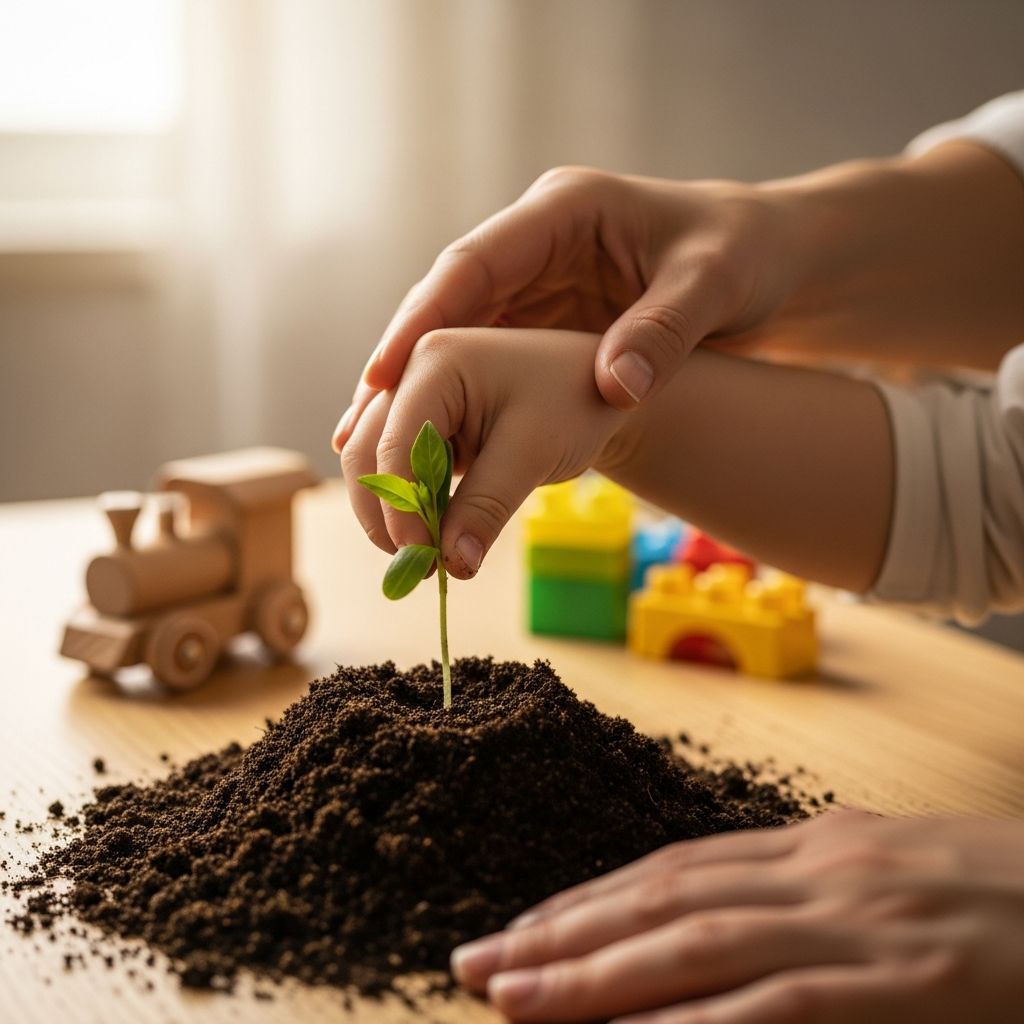
In today’s world of instant gratification, many parents struggle with creating balanced children who value what they have. Spoiling occurs when kids expect everything immediately, leading to entitlement and poor coping skills. This guide offers fresh, actionable steps to instill gratitude, responsibility, and resilience from an early age, drawing on expert-backed principles for long-term family well-being.
Understanding the Roots of Entitlement
Entitlement in children often stems from well-intentioned but misguided parenting choices, such as avoiding conflict or overcompensating with material rewards. Parents may fear damaging their child’s self-esteem by saying no, resulting in a cycle where kids learn that demands always yield results. Research shows that without structure, children miss opportunities to develop self-discipline, which is crucial for adult success.
Common signs include frequent tantrums over small denials, reluctance to share, and difficulty handling boredom. Addressing this early prevents deeper issues like poor peer relationships or academic underachievement. By recognizing these patterns, parents can shift toward proactive strategies that promote emotional maturity.
Establishing Firm Boundaries from Toddlerhood
Boundaries are the foundation of disciplined growth. Starting in infancy, introduce age-appropriate rules to teach that the world has limits. For toddlers, simple commands like “no touching” build the understanding that actions have consequences.
- Enforce rules consistently, even during playtime, to avoid mixed messages.
- Respond to protests with extra affection when calm, reinforcing positive behavior.
- Avoid negotiating with young children; clear directives like “that’s the rule” maintain parental authority.
This approach helps kids internalize self-control, reducing manipulative behaviors over time. Consistency is vital—giving in occasionally undermines progress and prolongs tantrums.
Building Responsibility Through Daily Chores
Chores teach that privileges require effort, countering the notion that life owes anyone anything. Assign tasks matching a child’s age, such as sorting laundry for preschoolers or loading the dishwasher for tweens.
| Age Group | Suggested Chores | Benefits |
|---|---|---|
| 2-4 years | Putting toys away, watering plants | Builds habit formation and pride |
| 5-7 years | Folding clothes, setting table | Teaches teamwork and routine |
| 8-12 years | Vacuuming, pet care | Fosters independence and accountability |
Implement a milestone-based reward system, linking completion to family privileges rather than cash. This connection between work and outcomes boosts self-esteem and prepares kids for real-world challenges.
Cultivating Gratitude and Empathy Daily
Gratitude combats comparison and entitlement. Daily practices like bedtime reflections on “three good things” shift focus from lacks to abundances. Encourage empathy by discussing others’ struggles, prompting kids to treat everyone kindly regardless of circumstances.
Model graciousness yourself—express thanks openly and avoid complaining. These habits help children appreciate small joys, reducing demands for more. Over time, they develop a mindset of contentment, essential for mental health.
Mastering Money: Allowances and Wise Spending
Financial literacy prevents spoiled attitudes toward possessions. Provide a modest allowance for kids to manage, teaching saving, budgeting, and delayed gratification. Discuss family financial decisions transparently to demystify money.
- Divide allowance into jars: save, spend, give.
- Guide purchases by comparing value—experiences often yield lasting happiness over toys.
- Review post-purchase: Did it bring ongoing joy? This reflection reinforces thrift as thriving, not stinginess.
Start young to build patience; mistakes with small amounts are low-stakes lessons in consequences.
Choosing Experiences Over Material Rewards
Shift incentives from stuff to memories. Reward achievements with outings like park visits or family game nights instead of gadgets. Material items lose appeal quickly, while shared adventures create bonds and teach appreciation for non-tangibles.
This strategy combats instant gratification culture, where social media amplifies wants. Kids learn that true fulfillment comes from relationships and efforts, not acquisitions.
Handling Emotions: No More Tantrum Wins
Tantrums test resolve—never let them succeed, or they repeat. Stay firm with compassion: “I see you’re upset, but no means no.” Distract or hug during calm moments to balance discipline with love.
Teach coping with boredom and frustration by providing supplies but expecting self-entertainment. Enroll in playgroups if needed, but avoid constant entertainment. Praise effort and completion specifically: “Great job finishing that puzzle!” to build intrinsic motivation without overpraising.
Balancing Family Rights and Needs
Children aren’t the center; teach that adults have needs too, like rest or couple time. Prioritize basics first, then wants as time allows. This realism fosters respect and prepares for cooperative living.
Don’t rescue from everyday stressors like new schools—support problem-solving to grow resilience. Model service, such as helping neighbors, to instill selflessness.
Common Pitfalls and How to Avoid Them
Avoid these traps for lasting change:
- Over-relying on treats or bribes—use verbal praise instead.
- Praising existence (“you’re so good”) over actions—focus on specifics.
- Inconsistent enforcement—take back power if lost by resetting limits.
Patience yields results; progress may take weeks, but persistent families see transformed behaviors.
Frequently Asked Questions (FAQs)
What age should I start chores?
Begin at 2-3 years with simple tasks like picking up toys to normalize contribution early.
How do I handle begging without giving in?
Be firm and empathetic: Acknowledge feelings but enforce no. Consistency prevents escalation.
Is allowance necessary?
Yes, for hands-on money management, emphasizing saving over spending.
What if my child resists rules?
Enforce calmly without negotiation; extra cuddles during compliance reinforce positively.
Can praising too much spoil kids?
Yes—target effort and achievements to avoid dependency.
Long-Term Benefits of Un-Spoiled Parenting
Families who prioritize these methods raise confident, empathetic adults ready for life’s realities. Kids gain self-reliance, stronger relationships, and financial savvy, breaking generational entitlement cycles. Commit today for a harmonious tomorrow.
References
- Parenting 101: How Not to Raise a Spoiled Brat — Counseling Now. 2023-05-15. https://counselingnow.com/parenting-101-how-not-to-raise-a-spoiled-brat/
- Spoiled Children – Prevention — CPCMG Health Hub. 2024-02-10. https://healthhub.cpcmg.net/docs/spoiled-children-prevention
- First with Kids: How to avoid spoiling your children — YouTube (Focus on the Family). 2023-11-20. https://www.youtube.com/watch?v=M356nfxsIMY
- How to Avoid Spoiling Your Child — Focus on the Family. 2024-01-05. https://www.focusonthefamily.com/family-qa/how-to-avoid-spoiling-your-child/
- How to Raise Kids Who Aren’t Spoiled — Greater Good Science Center, UC Berkeley. 2023-09-12. https://greatergood.berkeley.edu/article/item/how_raise_kids_are_not_spoiled