Head lice represent a frequent yet manageable issue among school-aged children, prompting concern among parents worldwide. These tiny parasites thrive on human scalps, feeding on blood and laying eggs known as nits. While not dangerous, infestations cause intense itching and require prompt action to prevent spread. This article explores the biology of lice, reliable detection methods, evidence-based treatments, household management, prevention tactics, and addresses frequent parental questions.
Understanding the Nature of Head Lice
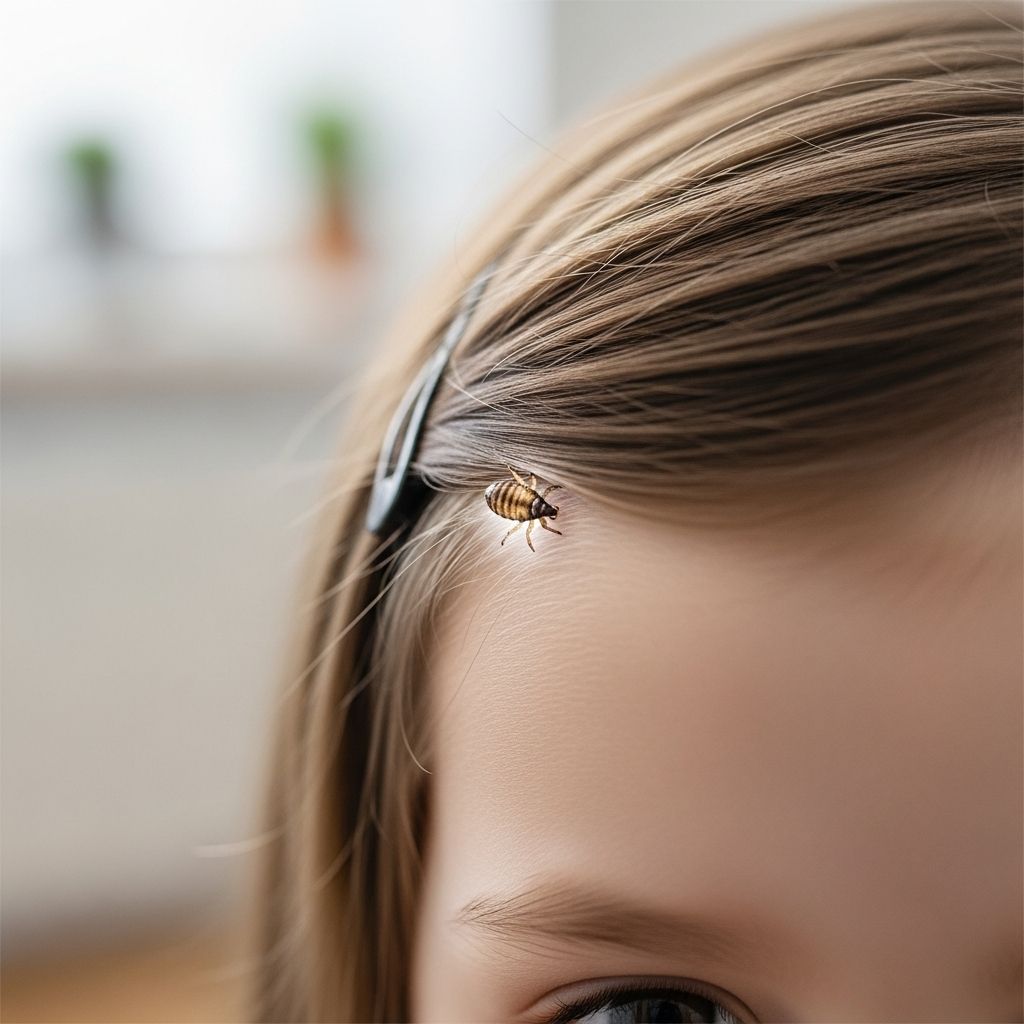
Head lice, or Pediculus humanus capitis, are wingless insects about the size of a sesame seed, measuring 2-3 millimeters in length. They cannot jump or fly but crawl quickly from one host to another, primarily through direct head-to-head contact common in play, sports, or classrooms. Nits are cemented to hair shafts near the scalp, hatching into nymphs after about a week, with full maturity in 9-12 days. A single louse lives roughly 30 days on a human head but dies within 1-2 days off the host.
Infestations peak in children aged 3-11, especially girls due to longer hair and closer play styles, though boys are not immune. Contrary to myths, lice do not signify poor hygiene; they affect all socioeconomic groups equally. Transmission via shared hats, combs, or bedding is possible but less common than direct contact.
Spotting the Signs of Infestation
The primary symptom is relentless scalp itching, caused by lice saliva triggering an allergic response. Scratching may lead to sores, secondary infections, or visible trails of tiny blood spots on bedding. Other clues include:
- Visible lice or nits: Nits appear as tiny white or yellowish ovals firmly attached 1/4 inch from the scalp, often behind ears or at the nape.
- Irritability and difficulty sleeping due to nighttime itching.
- Occasional dandruff-like flakes that do not slide off easily when touched.
Differentiate nits from dandruff: True nits resist removal and feel like grains of sand. Use a fine-toothed louse comb under bright light for inspection. Part hair into sections, comb from scalp to ends, and wipe residue on white paper—live lice leave dark streaks, nits may appear as dots. Regular checks every few days are vital if exposure is suspected.
Effective Treatment Approaches
Treatment combines medication with mechanical removal. Always confirm live lice before starting; empty nits do not warrant action. Consult a doctor for children under 2, pregnant individuals, or those with scalp sensitivities.
Over-the-Counter and Prescription Medications
Pediculicides target lice nervous systems. Key options include:
| Medication | Age Minimum | Application | Notes |
|---|---|---|---|
| Permethrin (Nix) or Pyrethrins (Rid) | 2 months | Apply to wet hair, rinse after 10 min; repeat in 9-10 days | Comb nits after; may cause mild stinging |
| Spinosad (Natroba) | 6 months | Apply to dry hair, rinse after 10 min; repeat if needed in 7 days | Prescription; avoid shampooing 24-48 hrs post-use |
| Ivermectin (Sklice lotion or Stromectol oral) | 6 months (lotion); 33 lbs (oral) | Lotion: once on dry hair; Oral: as prescribed | For resistant cases; repeat oral if needed |
Follow labels precisely—overuse risks resistance or irritation. No product kills 100% of eggs, so nit combing is essential. Avoid chrysanthemum-allergic reactions with pyrethrins.
Non-Chemical Mechanical Removal
Wet combing stands out as a safe, chemical-free primary or adjunct method. Saturate hair with conditioner or vinegar-water mix (1:1), divide into sections, and comb with a metal nit comb every 3-4 days for 2-3 weeks. This dislodges lice and nits effectively, especially early infestations. Suffocants like olive oil or mayonnaise applied thickly for 12+ hours aid immobilization but require thorough combing.
Steps for wet combing:
- Wash hair, apply conditioner, keep wet.
- Section hair, comb slowly from scalp outward 10-20 times per strand.
- Wipe comb on tissue, inspect for lice/nits.
- Repeat daily until no activity for 2 weeks.
Managing the Household Environment
Lice spread minimally off-head, but clean to avoid re-infestation:
- Machine wash bedding, clothes, towels used 48 hours pre-treatment in hot water (130°F), dry on high heat 20+ minutes.
- Seal non-washables in plastic bags 2 weeks or dry clean.
- Soak combs/brushes in 130°F water 10 minutes.
- Vacuum furniture, rugs, car seats; discard bag.
- No need to fumigate or treat rooms—lice die quickly without hosts.
Treat all household members with detected lice simultaneously, checking others routinely.
Proven Prevention Strategies
Prevention hinges on vigilance and habits:
- Instruct no head-to-head contact during play or sports.
- Avoid sharing hats, brushes, helmets; store belongings separately.
- Weekly comb checks with louse comb detect early.
- Shorten hair if feasible, though not foolproof.
- Educate schools on non-exclusion policies post-treatment.
Repellents like essential oils lack evidence and are not endorsed.
Debunking Persistent Myths
Many misconceptions fuel anxiety:
- Poor hygiene causes lice: False; lice prefer clean hair.
- Pets transmit lice: No, human-specific.
- All nits need treatment: Only live ones; old shells persist months.
- Shaving heads cures: Unnecessary and traumatic.
Psychological impacts like stigma harm children—emphasize it’s common and treatable without blame.
Frequently Asked Questions (FAQs)
Can head lice make my child sick?
No, lice do not spread disease but scratching risks bacterial infections.
How long until treatment works?
Most lice die within hours of proper treatment; full clearance takes 1-2 weeks with combing.
Is it safe to treat infants?
Under 2 months, use only wet combing; consult pediatrician for others.
What if treatments fail?
Switch active ingredients or seek prescription; resistance occurs.
Should I keep my child home from school?
Many policies allow return post-treatment; check local rules.
References
- Head Lice: Common Childhood Condition — Seattle Children’s Hospital. 2023. https://www.seattlechildrens.org/conditions/head-lice/
- Prevention and treatment of head lice in children — PubMed (Pediatr Dermatol). 2000-07-01. https://pubmed.ncbi.nlm.nih.gov/10937452/
- Head Lice — Rady Children’s Health. 2023. https://www.rchsd.org/health-article/head-lice/
- Treatment of Head Lice — Centers for Disease Control and Prevention (CDC). 2024-01-15. https://www.cdc.gov/lice/treatment/index.html
- Head lice – Diagnosis & treatment — Mayo Clinic. 2024-05-20. https://www.mayoclinic.org/diseases-conditions/head-lice/diagnosis-treatment/drc-20356186
- Head lice and nits — National Health Service (NHS). 2023-11-10. https://www.nhs.uk/conditions/head-lice-and-nits/