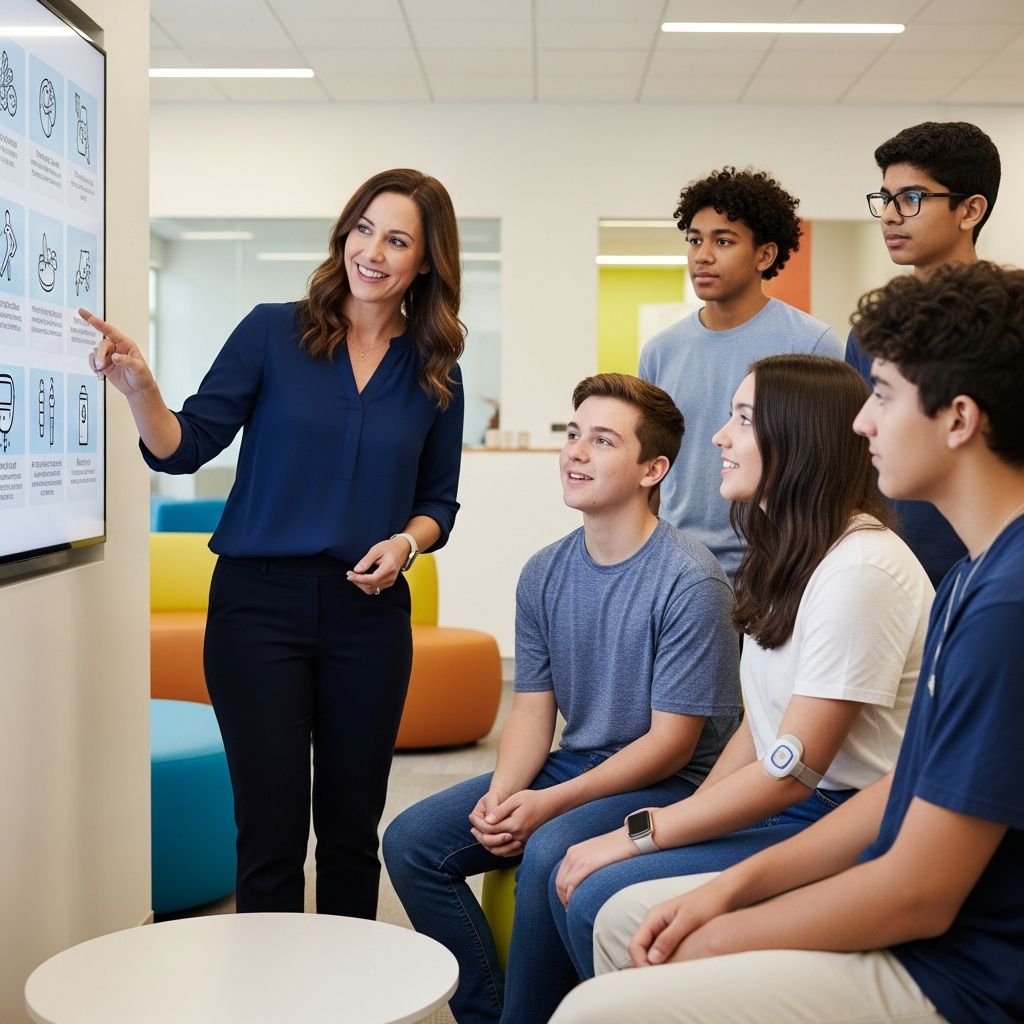
Living with diabetes involves more than taking medicine or checking your blood sugar. It is about learning daily skills so you can stay healthy, active, and confident. A Certified Diabetes Educator (CDE) – now more commonly called a Certified Diabetes Care and Education Specialist (CDCES) – is a health professional trained to teach you exactly how to do that.
What Is a Certified Diabetes Educator?
A certified diabetes educator is a health care professional who has advanced training and certification in helping people understand and manage diabetes. They focus on practical, day-to-day tools you can use to control blood glucose, prevent complications, and feel more in control of your health.
In many places, the older title CDE has been updated to CDCES (Certified Diabetes Care and Education Specialist). The role is the same, but the new name better reflects their expertise in both care and education.
Types of Professionals Who Can Be CDEs
Many different health careers can lead to diabetes education certification.
- Registered nurses (RNs) who work with people living with diabetes
- Registered dietitian nutritionists (RDNs) who specialize in food and blood sugar management
- Pharmacists who understand medications and how they affect blood glucose
- Physicians, including those in primary care or endocrinology
- Clinical social workers or counselors who support emotional and social aspects of diabetes
- Exercise specialists or physiologists who focus on safe physical activity with diabetes
To use the CDE or CDCES credential, these professionals must meet strict experience requirements and pass a national certification exam.
Why Diabetes Education Matters for Teens
Teen years are a time of change – school, friends, sports, jobs, and more. Diabetes adds another layer, and it does not come with an automatic instruction manual. Education from a certified specialist helps you:
- Make sense of lab numbers and device readings
- Adjust diabetes tasks around school, sports, and social life
- Build confidence in making your own health decisions
- Lower the risk of long-term complications from high blood sugar
Research shows that structured diabetes education improves blood glucose control and quality of life, especially when it focuses on self-management skills.
What Does a CDE Help You Learn?
A diabetes educator’s main job is to teach you how to manage diabetes in real life. They combine medical information with everyday tips you can actually use.
Key Topics a CDE May Cover
- Understanding your type of diabetes (Type 1, Type 2, or other forms)
- Blood glucose monitoring – how and when to check, what numbers mean, and how to respond
- Insulin and other medicines – how they work, how to take them safely, and what side effects to watch for
- Using devices such as insulin pens, syringes, insulin pumps, or continuous glucose monitors (CGMs)
- Healthy eating strategies including carb counting, portion sizes, and reading food labels
- Physical activity – how exercise affects blood sugar and how to prevent lows during sports
- Preventing and treating lows and highs (hypoglycemia and hyperglycemia)
- Planning for sick days – how illness changes your diabetes plan
- Long-term health – preventing complications that can affect eyes, kidneys, nerves, and heart
Skills You May Practice Together
During appointments, you are not only listening – you are usually practicing. A CDE may help you:
- Practice using a blood glucose meter correctly
- Walk through setting up a CGM or insulin pump
- Calculate insulin doses for meals or corrections
- Role-play how to tell friends, teachers, or coaches about your diabetes needs
- Plan snacks and meals for school, parties, or travel
How a CDE Fits Into Your Diabetes Care Team
Your CDE is one part of a larger team that may include your primary care doctor, an endocrinologist, nurses, a dietitian, and sometimes a mental health professional. They communicate with the rest of your team so your education matches your medical plan.
| Team Member | Main Focus | How They Work With a CDE |
|---|---|---|
| Primary care provider | Overall health, basic diabetes care | Refers you to a CDE for detailed teaching and follow-up support |
| Endocrinologist | Hormones and complex diabetes treatment | Sets medical plan; CDE helps you carry it out day to day |
| Registered dietitian | Nutrition and meal planning | May also be a CDE; coordinates food plans with your diabetes goals |
| Mental health professional | Emotional well-being, coping skills | CDE can flag stress or burnout and suggest counseling support |
| Certified Diabetes Educator | Daily self-care skills and education | Connects all parts of your plan into practical routines you can follow |
What to Expect at an Appointment With a CDE
Seeing a diabetes educator is usually more like a coaching session than a quick doctor visit. They often have more time to talk, answer questions, and help you problem-solve.
Before the Visit
- Gather your blood glucose logs, meter, pump, or CGM data
- Make a list of questions or situations that have been hard (sports, sleepovers, exams)
- Think about your goals – better numbers, fewer lows, or more independence
During the Visit
The educator might:
- Ask about your daily schedule, school, and activities
- Review your blood sugar patterns with you
- Explain how food, stress, or hormones may be affecting your levels
- Suggest changes you can try – such as adjusting meal timing, activity, or insulin doses (always within your care plan)
- Teach new skills, like using a new device or counting carbs more accurately
After the Visit
- You may leave with a written action plan or handouts
- There may be follow-up appointments, phone calls, or secure messages to check how changes are going
- You and your family can keep building skills over time instead of learning everything at once
How CDEs Support Your Emotional Health
Managing diabetes every day can be frustrating, tiring, or even scary at times. Educators are trained to recognize these emotional challenges and help you cope.
A CDE can:
- Listen to your worries about needles, devices, or complications
- Validate that diabetes burnout and stress are real and common
- Offer strategies for handling tough days, like breaking tasks into smaller steps
- Encourage you to involve friends, teachers, or coaches when needed
- Refer you to a counselor or mental health specialist if extra support would help
Where CDEs Work and How to Find One
Certified diabetes educators work in many different settings, so there are several ways you might meet one.
- Hospital diabetes clinics or outpatient education programs
- Endocrinology or primary care offices
- Community health centers
- Pharmacies that offer diabetes education services
- Telehealth or virtual education platforms
If you want to see a CDE or CDCES, you can:
- Ask your doctor if there is a diabetes educator in your clinic or nearby
- Check whether your local hospital has a diabetes education program
- Look for recognized diabetes education services listed by national diabetes organizations in your country
How Someone Becomes a CDE or CDCES
Diabetes educators do not simply decide to use the title – they must qualify for it. In the United States, the Certification Board for Diabetes Care and Education Specialists (CBDCE) oversees the CDCES credential.
Common Steps to Certification
- Hold a license or registration in an approved health profession, such as nursing, dietetics, pharmacy, medicine, or clinical social work
- Gain years of professional experience caring for people with diabetes
- Complete a required number of hours providing diabetes self-management education
- Pass a national certification examination
- Maintain certification through continuing education and periodic renewal
These requirements help ensure that certified educators have both knowledge and real-world experience teaching people with diabetes.
Tips for Getting the Most From Your CDE Visits
To make your time with a diabetes educator more useful, try these ideas:
- Be honest. Share what you really do day to day, not what you feel you “should” be doing. Accurate information helps them help you.
- Ask all your questions. There are no silly questions. If something confuses you, speak up.
- Take notes or photos. Write down steps or snap pictures of settings or handouts so you can check later.
- Bring a support person. A parent, caregiver, or friend can listen, take notes, and help remember the plan.
- Set small goals. Choose one or two changes to focus on at a time, such as checking before every meal or counting carbs more carefully at lunch.
Frequently Asked Questions (FAQs)
Is a CDE the same as my endocrinologist?
No. An endocrinologist is a doctor who specializes in hormones and medical treatment of diabetes. A CDE/CDCES is a certified educator – often a nurse or dietitian – who focuses on teaching you how to follow your treatment plan in everyday life. They usually work closely together.
Do I have to see a certified diabetes educator if I already know the basics?
Diabetes changes over time, and so does your life. A CDE can help when you start high school, join a sports team, begin driving, go to college, or switch devices. Education is not just for diagnosis; it is helpful at many points along the way.
Is there a difference between a CDE and a CDCES?
They refer to the same type of professional. In many regions, the official title has changed from Certified Diabetes Educator (CDE) to Certified Diabetes Care and Education Specialist (CDCES), but the role and training are very similar.
Will a CDE change my insulin doses?
In most cases, your main diabetes provider (such as your endocrinologist) is responsible for major changes to your prescription. A CDE may suggest adjustments within your standing plan or discuss possible changes with your doctor, but they stay within the rules and safety limits your team has set.
Can a diabetes educator help if I have prediabetes?
Yes. Many CDCES professionals work with people who have prediabetes to teach lifestyle changes that can lower the risk of developing Type 2 diabetes, such as healthier eating, more physical activity, and weight management when appropriate.
References
- Certified Diabetes Educators (CDEs) (for Teens) — Nemours KidsHealth. 2023-01-01. https://kidshealth.org/en/teens/cde.html
- Certified diabetes educator — Hartford Hospital Health Library. 2020-06-01. https://hartfordhospital.org/health-wellness/health-resources/health-library/detail?id=tv7078
- A Certified Diabetes Care and Education Specialist (CDCES) — Cleveland Clinic. 2023-03-01. https://my.clevelandclinic.org/health/articles/certified-diabetes-care-and-education-specialist-cdces
- Welcome to CBDCE — Certification Board for Diabetes Care and Education. 2022-09-01. https://www.cbdce.org
- Your CDE is Now Your Diabetes Care and Education Specialist! — diaTribe / Association of Diabetes Care & Education Specialists. 2019-09-10. https://diatribe.org/diabetes-management/your-cde-now-your-diabetes-care-and-education-specialist
- Diabetes-Related Certifications: CDCES Credential — Association of Diabetes Care & Education Specialists. 2022-05-15. https://www.adces.org/dces-career/cdces-credential