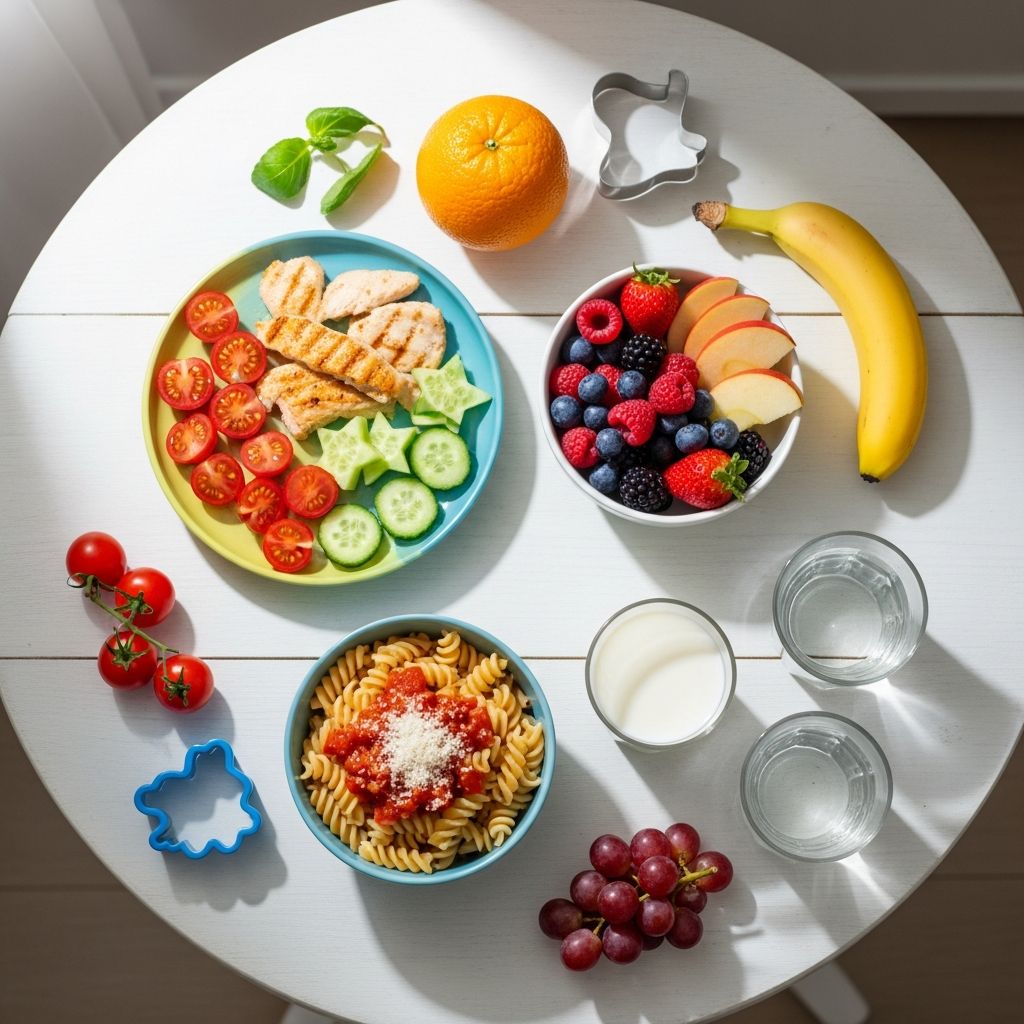
Creating nutritious meals for children lays the foundation for their growth, energy, and long-term well-being. The MyPlate visual guide, developed by the U.S. Department of Agriculture (USDA), simplifies this process by dividing a plate into key food groups: fruits, vegetables, grains, proteins, and dairy. This approach encourages variety, balance, and moderation, helping parents serve meals that fuel active young bodies and minds.
Understanding the MyPlate Foundation
MyPlate replaces traditional food pyramids with a relatable plate model, making it easier for families to visualize balanced eating. Half the plate should feature fruits and vegetables, a quarter grains, another quarter proteins, and a side of dairy. This division promotes nutrient-dense choices over empty calories, supporting everything from bone development to immune function.
Key principles include prioritizing whole foods, limiting added sugars and sodium, and incorporating healthy fats. Parents don’t need perfection at every meal; consistency across the day matters most. For instance, if breakfast skips veggies, compensate with fruits or add them later.
Fruits: Nature’s Sweet Powerhouses
Fruits bring vibrant colors, natural sweetness, and essential vitamins like C for immunity and fiber for digestion. Aim to fill a significant portion of the plate with options such as berries, apples, oranges, or bananas. Fresh, frozen, canned in juice, or dried (without added sugar) all count.
- Start mornings with fruit-topped yogurt or oatmeal to boost appeal.
- Offer sliced fruits as snacks to curb sweet cravings healthily.
- Experiment with seasonal picks like peaches in summer or pears in fall for variety and affordability.
Incorporate fruits into smoothies, salads, or baked goods using whole fruit purees instead of sugar. This habit not only satisfies taste buds but also models mindful eating.
Vegetables: The Growth Engine
Vegetables, the largest plate section, deliver vitamins A and K, potassium, and antioxidants crucial for vision, skin health, and disease prevention. Include a rainbow: dark greens like spinach and broccoli; red/orange like carrots and peppers; starchy like peas and potatoes; and others like cucumbers.
Preparation matters—roast, steam, or stir-fry to enhance flavors without excess oil. For picky eaters, hide pureed veggies in sauces or muffins. Weekly variety ensures broad nutrient coverage.
| Vegetable Type | Examples | Key Benefits |
|---|---|---|
| Dark Green | Broccoli, Kale | Vitamin K for bones |
| Red/Orange | Carrots, Tomatoes | Vitamin A for eyes |
| Beans/Peas | Lentils, Chickpeas | Protein + fiber |
| Starchy | Potatoes, Corn | Energy source |
Grains: Fuel for Active Days
Whole grains provide sustained energy through B vitamins, iron, and fiber, aiding concentration and digestion. Make at least half your grains whole: brown rice, quinoa, whole-wheat pasta, or oats. Check labels for ‘whole grain’ as the first ingredient.
- Swap white bread for whole-grain versions in sandwiches.
- Use oatmeal or whole-grain cereals for breakfast.
- Try barley or farro in soups for texture and nutrition.
Limit refined grains like white rice, which spike blood sugar. Portion control prevents overfilling plates.
Proteins: Building Blocks of Strength
Proteins support muscle repair, hormone production, and satiety. Opt for lean sources: poultry, fish, eggs, nuts, seeds, beans, and tofu. Seafood low in mercury, like salmon, offers omega-3s for brain health—aim for twice weekly.
Plant-based options like lentils reduce saturated fat intake. Avoid or limit processed meats high in sodium and preservatives.
| Protein Source | Portion Idea | Health Perk |
|---|---|---|
| Chicken/Turkey | Grilled strips | Low-fat muscle builder |
| Fish | Baked salmon | Omega-3s for heart |
| Beans | Chili or salad | Fiber-rich, versatile |
| Nuts/Seeds | Handful sprinkle | Healthy fats |
Dairy and Alternatives: Bone Boosters
Dairy provides calcium, vitamin D, and protein for strong bones and teeth. Choose low-fat (1%) or fat-free milk, yogurt, or cheese for kids over 2. Fortified soy products work for plant-based diets.
Limit flavored options laden with sugar. Alternatives like almond milk may need fortification checks for calcium. Serve a cup alongside meals.
Practical Meal Planning Strategies
Translate MyPlate into daily routines:
- Breakfast: Whole-grain toast with peanut butter, banana slices, and low-fat milk.
- Lunch: Turkey wrap on whole-wheat tortilla, carrot sticks, apple, yogurt.
- Dinner: Grilled chicken, quinoa, steamed broccoli, side salad, milk.
- Snacks: Hummus with veggies, fruit, or cheese cubes.
Batch-prep components like chopped veggies or cooked grains for quick assembly. Involve kids in shopping and cooking to build excitement.
Navigating Challenges with Picky Eaters
Resistance is common; persistence pays off. Offer new foods alongside favorites, up to 10-15 times before acceptance. Avoid pressure—make it fun with shapes or dips. Lead by example; family meals where adults eat the same promote adoption.
Monitor portions: use child-sized plates to avoid overload. Thirsty kids fill on drinks—prioritize water over juice.
Healthy Beverages and Hydration
Water is the top choice, enhanced with fruit slices for flavor. Limit sugary drinks; opt for fat-free milk at meals. Toddlers need sips between, not gulps that spoil appetite.
Incorporating Healthy Fats
Fats are vital for brain development and absorption of fat-soluble vitamins. Sources: avocados, nuts, seeds, olive oil, fatty fish. Use sparingly in cooking.
Age-Adapted Tips
- Toddlers (1-3): Small portions, finger foods, self-feeding practice.
- Preschoolers (4-8): Variety in textures, involve in prep.
- School-age (9+): Larger portions, sports fuel focus.
Frequently Asked Questions (FAQs)
Q: Can I skip a food group at some meals?
A: Yes, balance over the day. No veggies at breakfast? Add fruit, and include them elsewhere.
Q: What about vegetarian kids?
A: Emphasize beans, lentils, tofu, eggs, dairy, nuts for complete proteins.
Q: How much dairy daily?
A: 2-3 cups of low-fat options, adjusted by age.
Q: Are treats allowed?
A: Occasionally, in moderation; prioritize nutrient-rich foods.
Q: How to handle allergies?
A: Substitute with equivalents, like fortified plant milks or seeds for nuts.
Adopting MyPlate fosters habits that extend beyond childhood, reducing risks of obesity, diabetes, and heart issues. Track progress with family charts or apps for motivation.
References
- MyPlate Food Guide — Nemours KidsHealth. 2023. https://kidshealth.org/en/parents/myplate.html
- MyPlate California for Children Ages 2-12 — California Department of Public Health. 2022-05-01. https://www.cdph.ca.gov/Programs/CFH/DMCAH/NUPA/CDPH%20Document%20Library/MyPlate_Child_2-12.pdf
- USDA MyPlate Nutrition Information for Kids — USDA MyPlate. 2024. https://myplate4chatbot.stg.platform.usda.gov/life-stages/kids
- Kid’s Healthy Eating Plate — Harvard T.H. Chan School of Public Health. 2023. https://nutritionsource.hsph.harvard.edu/kids-healthy-eating-plate/
- Back to School with MyPlate — USDA MyPlate. 2024. https://www.myplate.gov/back-school-myplate