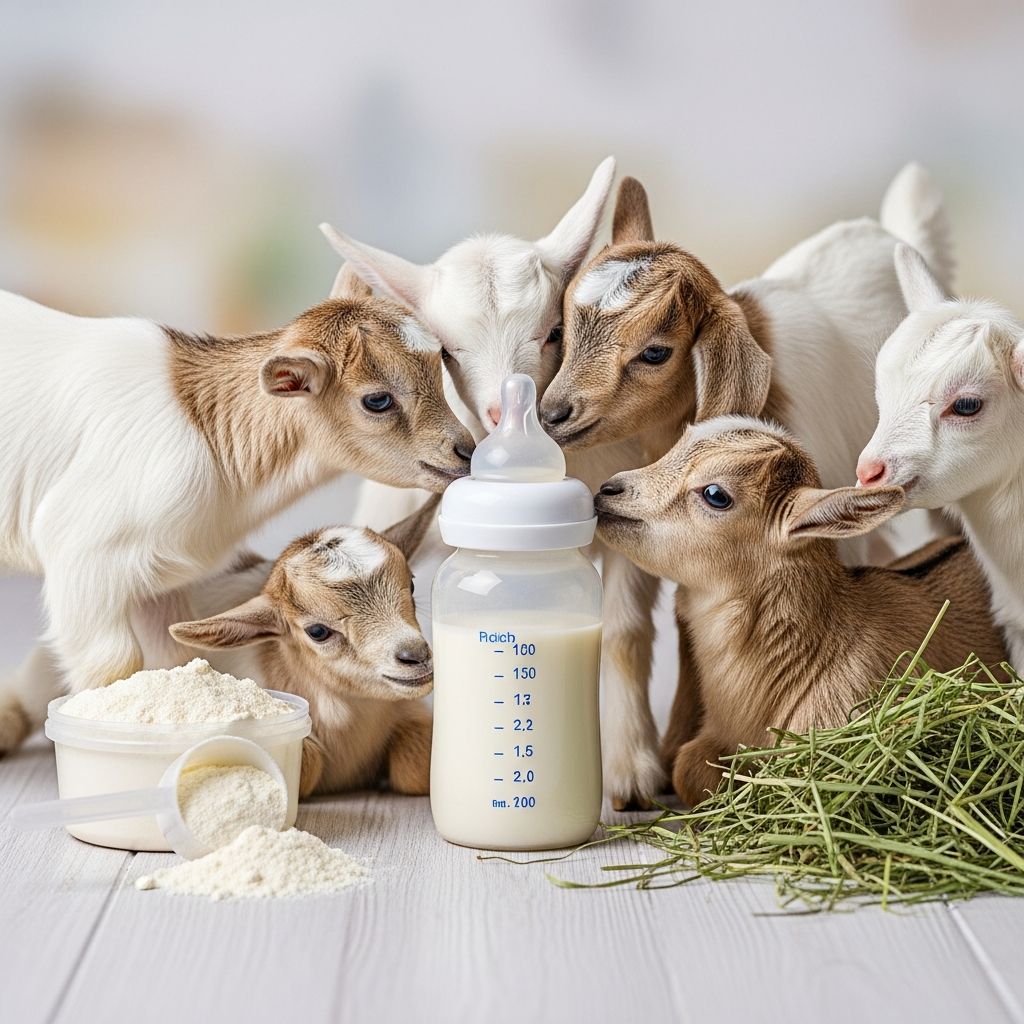
Goat milk-based infant formulas offer a promising alternative for babies who struggle with standard cow’s milk options, providing easier digestion while meeting essential nutritional needs when properly formulated.
Understanding the Basics of Infant Nutrition
Infants require precise balances of proteins, fats, vitamins, and minerals for optimal growth, brain development, and immune function. Breast milk sets the gold standard, but when breastfeeding isn’t possible, formulas bridge the gap. Traditional cow’s milk formulas dominate the market, yet not all babies tolerate them well due to digestive challenges or sensitivities.
Goat milk formulas enter this space as a viable option, mimicking human milk more closely in fat globule size and protein structure. These formulas are not raw goat milk but specially processed and fortified products designed for infant use from birth.
Key Nutritional Differences: Goat vs. Cow Milk Formulas
Goat milk naturally contains smaller fat globules and different casein proteins compared to cow’s milk, leading to softer curds in the stomach for better digestibility. It also has higher levels of certain oligosaccharides that support gut health similar to those in breast milk.
| Nutrient | Goat Milk Formula | Cow Milk Formula | Human Milk (Reference) |
|---|---|---|---|
| Protein Structure | Lower alpha-S1 casein; softer curds | Higher alpha-S1 casein; firmer curds | Optimal curd formation |
| Fat Digestibility | Higher (smaller globules) | Moderate | High |
| Lactose Content | Slightly lower | Similar | Balanced |
| Vitamin A & Calcium | Higher naturally | Moderate | Varies |
| Folate & B12 | Fortified to match standards | Fortified | Adequate |
All approved formulas, whether goat or cow-based, must meet strict FDA standards for 30 essential nutrients, ensuring no deficiencies when used as directed.
Digestive Advantages for Sensitive Tummies
Many parents report fewer issues like gas, bloating, constipation, and colic with goat milk formulas. The lower alpha-S1 casein content results in less allergenic potential for some babies, though it’s not hypoallergenic. Studies show reduced gastrointestinal symptoms, including less crying and softer stools, making feeding time smoother.
- Easier Breakdown: Softer curds form in the stomach, speeding digestion.
- Less Gas: Smaller fat particles absorb quicker, reducing fermentation in the gut.
- Gut-Friendly: Prebiotic oligosaccharides promote beneficial bacteria.
Safety Concerns and Official Guidelines
Plain goat milk is unsafe for infants under 12 months due to high protein, mineral loads that strain immature kidneys, and deficiencies in iron, folate, and vitamin B12, risking anemia and growth issues. However, commercial goat milk formulas are modified: proteins are adjusted, nutrients fortified, and sterility ensured.
Both the American Academy of Pediatrics (AAP) and European authorities approve these formulas as equivalent to cow’s milk versions for healthy infants. Randomized controlled trials confirm no differences in growth, weight gain, or serious adverse events between goat and cow formula-fed babies.
When to Consider Switching to Goat Milk Formula
Ideal for babies showing cow’s milk discomfort but not full allergies (which require hydrolyzed formulas). Consult a pediatrician before changes, especially if family history includes allergies. Transition gradually over 7-10 days to monitor tolerance.
- Signs of cow’s milk intolerance: Excessive fussiness, green frothy stools, eczema flares.
- Not for: Premature infants, those with confirmed cow’s milk protein allergy (may cross-react), or renal issues.
Popular Goat Milk Formula Options Reviewed
Several FDA-authorized brands stand out for quality and availability:
- Kendamil Goat: EU-sourced, whole milk fats, no palm oil; praised for clean ingredients and smooth mixing.
- Kabrita: DHA-enriched for brain health; gentle on digestion with prebiotics.
- Others: Look for organic certifications, iron fortification, and DHA/ARA for development.
Availability varies; check major retailers. Prices run 20-50% higher than cow formulas due to sourcing.
Potential Drawbacks and Myths Debunked
Myth: Causes Anemia. Untrue for fortified formulas; raw milk yes, but regulated products meet iron needs.
Myth: Lacks Folate. Formulas are supplemented to exceed requirements.
Drawbacks: Possible cross-allergy (10-20% of cow-allergic babies), stronger taste some reject, higher cost.
Practical Tips for Parents
Prepare per instructions: Use boiled cooled water, measure accurately, discard leftovers. Store powder in cool dry places. Watch for rare reactions like rash or vomiting—seek medical help promptly.
- Full-fat versions for under-1s; low-fat post-12 months only with doctor OK.
- Combine with solids after 6 months for balanced diet.
Frequently Asked Questions
Is goat milk formula safe from birth?
Yes, approved formulas are suitable from newborn stage as a breast milk substitute, matching growth outcomes of cow formulas.
Can it replace breastfeeding entirely?
It provides complete nutrition but lacks live antibodies; prioritize breastfeeding when possible.
What if my baby has a milk allergy?
Goat proteins may still trigger; opt for extensively hydrolyzed or amino acid formulas instead.
How does cost compare?
Typically pricier, but bulk buys and subscriptions help; weigh against reduced spit-up/laundry savings.
Any long-term effects?
Studies up to 12 months show equivalence; ongoing research supports safety.
Expert Recommendations and Next Steps
Pediatricians view goat formulas as first-line options, not just backups. Discuss with your doctor, review labels for fortifications, and track growth charts. With proper use, they support thriving infants.
References
- The Effect of Goat-Milk-Based Infant Formulas on Growth and Safety — PMC (Nutrients Journal). 2023-05-12. https://pmc.ncbi.nlm.nih.gov/articles/PMC10181279/
- Goat Milk Considerations — Minnesota Department of Health. 2022-06-08. https://www.health.state.mn.us/docs/people/wic/localagency/wedupdate/2022/topic/0608goat.pdf
- Is Goat Milk Safe For Babies and Toddlers? — WebMD. Accessed 2026. https://www.webmd.com/children/is-goat-milk-safe-for-babies-and-toddlers
- Goat milk formula: the myths and the facts — Kendamil (citing EU studies). 2023. https://us.kendamil.com/blogs/blog/goat-milk-formula-the-myths-and-the-facts
- Goat milk-based infant formula: Benefits, data, and misconceptions — Contemporary Pediatrics. 2023. https://www.contemporarypediatrics.com/view/goat-milk-based-infant-formula-benefits-data-and-misconceptions
- Advice From a Pediatrician: Goat Milk-Based Infant Formula Facts — Kabrita Medical. 2023. https://medical.kabrita.com/blog/goat-milk-based-infant-formula-facts-every-parent-should-know