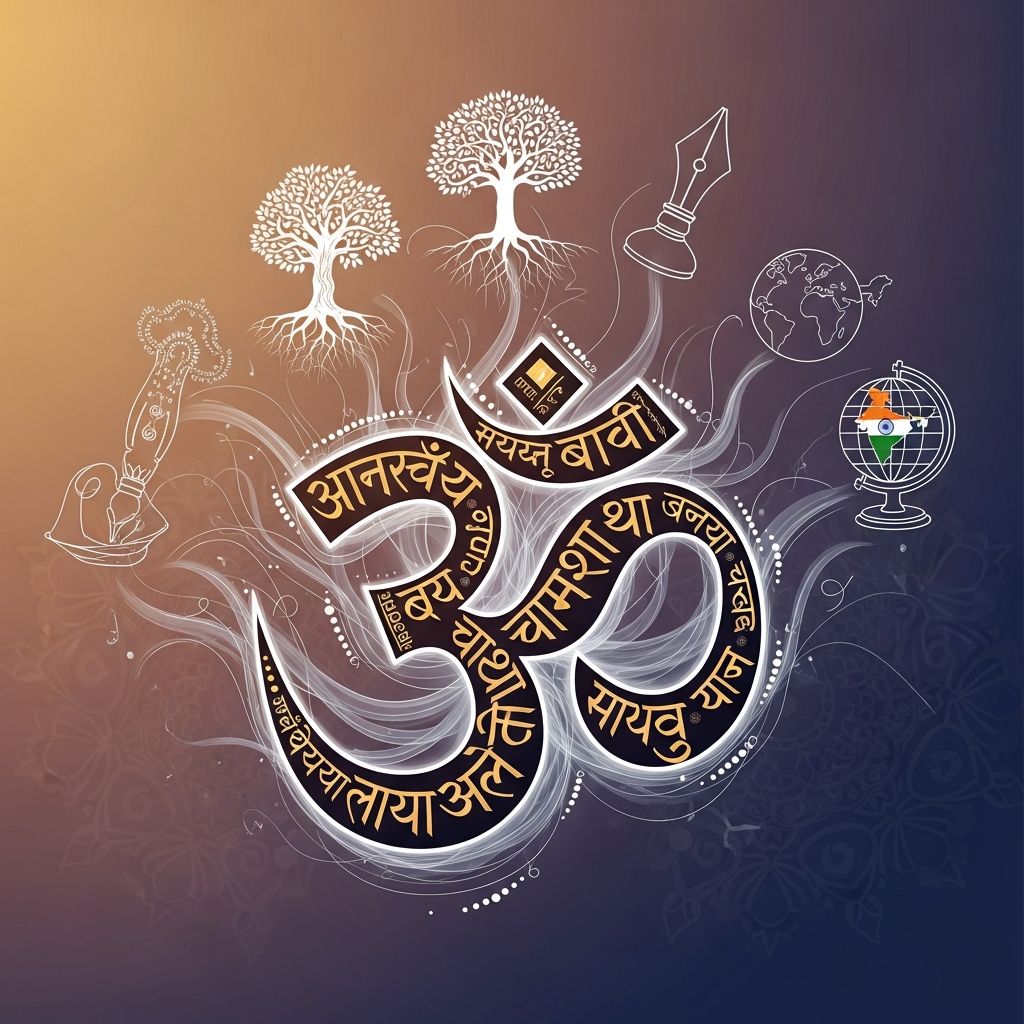
Indian last names carry centuries of history in just a few syllables. They can hint at a family’s ancestral village, profession, caste, religion, or even a long-forgotten title of honor. Yet in modern India and across the diaspora, surnames are also changing, merging, and sometimes disappearing as people redefine what identity means to them.
Why Indian Surnames Are So Diverse
India is home to hundreds of languages, dozens of major cultural regions, and multiple religious traditions. This diversity naturally shows up in family names, which often evolved locally and followed different rules from one region to the next. Even two people with the same surname may speak different languages, follow different customs, or belong to entirely different communities.
Unlike many Western naming systems, Indian surnames are not always fixed across generations. In some communities, a father’s first name or ancestral village becomes the child’s last name, while in others a hereditary family name is passed down unchanged. This flexibility creates a rich but sometimes confusing landscape of names.
Major Ways Indian Last Names Are Formed
Although each region has its quirks, most Indian last names fall into a few broad patterns based on what they originally described. Understanding these patterns makes unfamiliar names easier to decode and appreciate.
1. Place-based surnames
Many last names point back to a village, town, region, or even a geographic feature such as a river or mountain. These place-based surnames often developed when people moved away and became known by where they came from.
- Names formed directly from a town or village name.
- Surnames that include suffixes meaning “from” or “of,” indicating origin.
- Family names based on landmarks, such as a river, hill, or temple.
2. Profession and occupation-based surnames
Another large group of Indian surnames began as descriptions of work. These were linked to farming, priesthood, trade, military service, administration, or specialized crafts. Over time, they became inherited family names, even when descendants had different careers.
- Names meaning farmer, landholder, or village head.
- Titles used for priests, scholars, or scriptural readers.
- Names tied to soldiers, guards, and royal administrators.
3. Clan, lineage, and community names
Some surnames signal membership in a clan (gotra), extended family group, or traditional community. These often trace back to legendary ancestors, warrior lineages, or influential chiefs in a region.
- Clan names associated with royal or warrior houses.
- Family names derived from ancient sages or mythic figures.
- Community labels indicating a shared heritage or lifestyle.
4. Caste- and status-linked surnames
Historically, many Indian last names also signaled caste or social rank. While the caste system is legally abolished and socially contested today, its legacy still shapes naming patterns and social perceptions in subtle and overt ways.
- Names linked to priestly, warrior, trading, or artisan groups.
- Honorific titles that once marked nobles or local leaders.
- Modern trend of dropping explicit caste labels from surnames.
5. Religion-linked surnames
Religious identity often appears in last names, especially in regions where different communities lived side by side. Sometimes a name clearly signals a tradition; in other cases, the overlap between cultures makes it harder to assign a single label.
- Names derived from deities, spiritual concepts, or religious roles.
- Surnames adopted by followers of Sikhism, Islam, Christianity, Jainism, and Buddhism.
- Hybrid or adapted surnames shaped by conversion or colonial history.
Regional Patterns in Indian Last Names
Indian surnames vary dramatically from north to south and east to west. Pronunciation, spelling, and even the position of the surname in the full name can change from one region to another. Looking at regional trends makes it easier to recognize where a surname may have originated.
North Indian surname features
In much of North India, a typical full name follows the pattern of given name followed by one or more family names. Many surnames in this region come from caste titles, professions, or ancestral homelands, sometimes ending in common suffixes that hint at origin.
- Frequent use of caste- or clan-based family names.
- Widespread adoption of honorific titles as surnames.
- Greater tendency for names to remain consistent across generations.
South Indian surname features
Names in South India are often structured very differently. In some communities the village name or father’s name appears before the personal name, and shortened initials may stand in for full ancestral references.
- Use of initials representing birthplace or ancestral home.
- Family names that fold in the father’s given name or a house name.
- Regional suffixes and sounds (such as “-swamy,” “-krishnan,” or “-pillai”) that signal language and heritage.
Eastern and Northeastern surname traditions
Eastern India, including Bengal, Assam, and neighboring areas, blends Sanskritic roots with local languages and long histories of scholarship, trade, and monarchy. Many surnames here evolved from priestly roles, royal service, or local clan structures.
- Family names linked to temple service and scriptural learning.
- Surnames indicating administrative positions under earlier kingdoms.
- Names reflecting indigenous tribal clans and dynasties.
Western Indian surname patterns
In western India, especially in Gujarat, Maharashtra, and Rajasthan, surnames often mark trading communities, farming groups, or historic warrior clans. Maritime trade, migration, and colonial contact introduced spelling variations and new naming habits.
- Occupational surnames tied to trade, moneylending, and agriculture.
- Royal and warrior family names preserved across centuries.
- Anglicized spellings created during the British administration.
Common Themes in the Meanings of Indian Last Names
Although specific surnames differ, many share common themes in what they originally meant. Looking at these themes helps reveal how communities once organized their economies, spirituality, and social order.
| Meaning Type | What It Signified | Examples of Patterns (Not exact names) |
|---|---|---|
| Occupational | Traditional work, such as farmer, priest, soldier, trader, artisan. | Names meaning “landowner,” “scribe,” “teacher,” “weaver,” or “goldsmith.” |
| Geographic | Origin from a village, town, region, river, or landscape feature. | Names derived directly from place names or with suffixes meaning “from.” |
| Caste / status | Social rank or membership in a traditional hierarchy. | Titles associated with nobles, warriors, or particular caste groups. |
| Religious | Devotion to a deity, spiritual title, or religious community. | Names formed from gods’ names, honorifics like “servant of,” or faith labels. |
| Clan / lineage | Belonging to a family group tracing back to an ancestor or clan founder. | Names referencing dynasties, ruling houses, or sage lineages. |
In many cases, a single surname fits more than one category. A name might come from a place associated with a clan that held a particular occupation, making its meaning multilayered rather than simple or literal.
How Indian Surnames Have Changed Over Time
Indian naming customs have never been static. Political shifts, migration, colonization, urbanization, and legal changes have all influenced how people choose and display their last names. These changes continue today as younger generations question old hierarchies and traditional expectations.
From oral identities to written surnames
For much of history, a formal “last name” in the modern sense was not always used. People were often known by first name plus descriptive additions, such as father’s name, village, profession, or honorific. As record-keeping expanded under various kingdoms and later under British rule, many of these descriptors crystallized into fixed surnames.
Colonial record-keeping and anglicization
When colonial administrators created censuses, property records, and official documents, they frequently standardized or simplified Indian names. This produced anglicized spellings, split or merged names, and new conventions about what counted as a “surname.” Many families still use these adapted spellings today, even if the original pronunciation was different.
Post-independence reforms and social mobility
After independence, legal equality and affirmative action policies led some families to rethink surnames that directly signaled caste or community. In cities, professional identity sometimes became more important than traditional labels, encouraging people to adopt neutral family names or drop certain parts of their names altogether.
Modern Trends: Hyphenated, Neutral, and Creative Surnames
Contemporary Indian families, both in India and abroad, are actively reshaping naming practices. New patterns are emerging that emphasize equality, personal choice, or a blended heritage rather than strict adherence to older norms.
Hyphenated and double surnames
To honor both parents’ lineages, an increasing number of couples choose hyphenated or double surnames for themselves or their children. This can be especially common in urban, educated circles and in cross-regional or cross-religious marriages.
- Combining both partners’ surnames in a single hyphenated name.
- Giving children one parent’s surname as a middle name and the other as a last name.
- Alternating which surname is passed to different children in the same family.
Dropping caste markers
Many individuals object to surnames that clearly advertise caste or social rank. As a result, some people shorten their names, use initials, or adopt new surnames that feel more egalitarian. This trend is particularly visible in academic, artistic, and activist communities.
New surnames for a new identity
Occasionally, people adopt entirely new family names to signal a fresh start—after conversion, marriage, political commitment, or personal transformation. Some choose words associated with values such as freedom, knowledge, or equality, turning the surname itself into a statement.
Understanding Indian Last Names in the Diaspora
Indian last names carried abroad through migration now appear across the world, from North America and Europe to Africa, the Middle East, and Southeast Asia. In these new settings, surnames adapt again to local languages and administrative systems.
Spelling changes, shortened names, or even the reversal of given name and surname order are common as families adjust to forms and identity documents designed for very different naming traditions. Yet for many, the surname remains a vital link to ancestral roots, stories, and family networks back in South Asia.
Tips for Choosing or Using an Indian Surname Today
Parents naming a child, couples considering a name change, or individuals reclaiming their heritage often wonder how to handle Indian surnames respectfully and thoughtfully. There is no single correct answer, but some guiding principles can help.
- Understand the meaning first: Before adopting or changing a surname, learn its historical roots, associations, and connotations in different regions.
- Consider how it will be used internationally: Think about pronunciation, spelling, and how documents abroad may handle initials or multiple names.
- Respect community sensitivities: Some surnames are closely tied to particular groups or histories; using them casually can feel appropriative.
- Balance tradition and values: Decide how much you want to preserve ancestral patterns versus expressing modern values such as gender equality or caste neutrality.
Frequently Asked Questions About Indian Last Names
Do all Indians have a surname in the Western sense?
No. In some communities, what appears to be a surname is actually the father’s first name, a village name, or an initial that stands for a longer ancestral label. Legal and social systems often treat the final part of the name as a surname, but traditional practice can be more flexible.
Can two unrelated people share the same Indian surname?
Yes. Because many surnames started as titles, occupations, or place names, unrelated families may share a surname without sharing a direct bloodline. Over centuries, migration and social mobility spread certain surnames widely beyond their original communities.
Is it possible to change an Indian last name legally?
In most jurisdictions, including India and many countries with large Indian diasporas, people can change their names through formal legal procedures. The exact process, documentation, and time frame depend on the local laws where the person lives.
Do Indian women always take their husband’s surname after marriage?
Practices vary widely. Some women adopt their spouse’s family name, others keep their birth surname, some use a hyphenated form, and a growing number of couples both adjust their names to reflect equality. Family preference, regional culture, and personal beliefs all play a role.
How should non-Indians approach using or studying Indian surnames?
Non-Indians who study or interact with Indian surnames should approach them with curiosity and respect. Learning the history and pronunciation, asking people how they prefer to be addressed, and avoiding assumptions about caste or religion based on a name alone are good starting points.
Key Takeaways for Readers and Researchers
Last names in India are more than simple labels. They are living records of how communities moved, worked, prayed, and related to each other over time. For families trying to trace their genealogy or for anyone interested in culture and history, understanding these surnames opens a window into a layered and evolving society.
Whether a surname points to a tiny village, a royal court, a field of scholars, or a story of social change, it tells part of a larger human narrative. Paying attention to these details can turn a simple roll call into a rich lesson in identity, memory, and continuity.