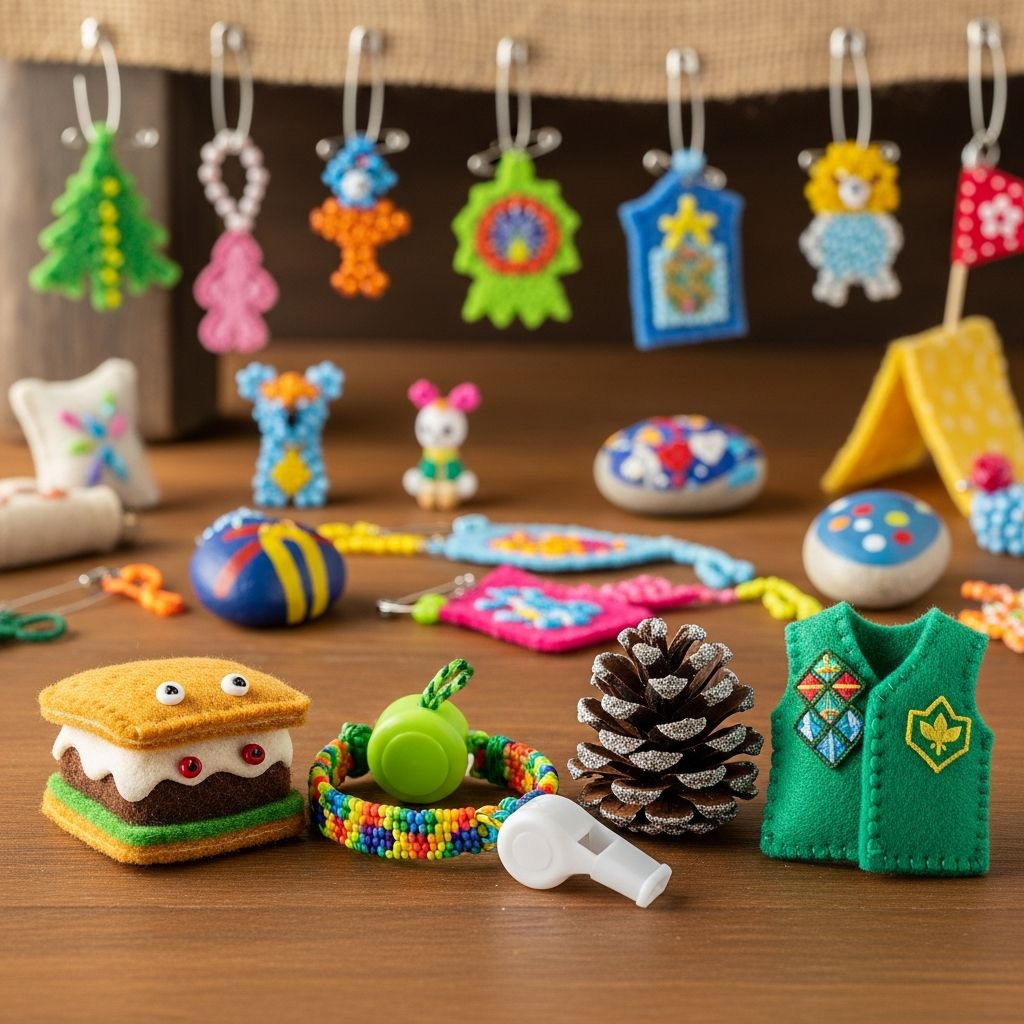
Girl Scout SWAPS are small, handmade tokens that girls trade with one another at camps, events, and gatherings. These tiny creations help Girl Scouts meet new friends, remember special moments, and express creativity in a simple, fun way.
What Are Girl Scout SWAPS?
SWAPS are typically small, inexpensive items that girls create and attach to a safety pin, ribbon, or hook so they can be easily traded and displayed. The word “SWAPS” is often explained as “Special Whatchamacallits Affectionately Pinned Somewhere,” which nicely sums up the charm of these little keepsakes.
Each SWAP usually represents something about the creator, such as her troop, hometown, favorite activity, or the theme of a particular event. When two Girl Scouts exchange SWAPS, they also exchange a brief moment of conversation and connection.
Why SWAPS Matter in Girl Scouts
Although SWAPS are small, the tradition behind them is meaningful. Trading SWAPS encourages girls to step out of their comfort zones, introduce themselves, and practice courtesy and kindness. It is a low-pressure way to build social skills and confidence.
SWAPS also become a visual record of a girl’s Girl Scout journey. Over time, a hat, lanyard, or banner full of SWAPS tells a story of camps attended, events enjoyed, and new friends made along the way.
Basic Guidelines for Making SWAPS
Every troop can set its own expectations, but there are a few common-sense guidelines that help keep SWAPS fun and safe for everyone:
- Keep them small and lightweight so they are easy to wear or carry.
- Use inexpensive or recycled materials to keep costs low.
- Aim for sturdy construction so pieces do not easily fall apart.
- Attach a pin, clasp, or loop so the SWAP can be worn on a hat, vest, or bag.
- Avoid sharp, fragile, or messy materials that could cause problems at events.
Common Materials Used for SWAPS
One of the best parts of SWAPS is that they do not require fancy supplies. Many can be made from items you already have at home or in your troop’s craft box. Here are some commonly used materials:
- Safety pins, key rings, small carabiners, or lanyard clips.
- Felt, foam sheets, fabric scraps, or ribbon.
- Beads, buttons, sequins, and small charms.
- Mini craft sticks, pom-poms, pipe cleaners, and googly eyes.
- Recycled items such as bottle caps, scraps of cardboard, or clean plastic lids.
Simple SWAPS Ideas for Beginners
Leaders and parents often look for quick, easy ideas that younger girls can make on their own with minimal help. Below are a few simple concept-based ideas; you can adjust colors, shapes, and decorations to match your troop’s style or event theme.
- Friendship Flower: Cut small flower shapes from felt or foam, glue a button or bead in the center, and attach to a safety pin. Girls can write their name and troop number on a tiny tag and tie it to the pin.
- Mini Campfire: Use small twigs or toothpicks for logs and a bit of orange and red felt or tissue paper for the flames. Glue the campfire onto a small circle of cardboard and add a pin to the back.
- State or Town Pride: Cut out the shape of your state (or a simple heart) from craft foam and decorate it with a symbol of your city, school, or local landmark.
- Mini S’more: Use small squares of brown and tan foam to represent graham crackers and chocolate. Add a white pom-pom or felt square for the marshmallow and stack them together.
- Initial Charms: Glue letter beads or write each girl’s initials on small wooden shapes or plastic discs, then attach them to pins or key rings.
Planning a SWAPS-Making Meeting
Troop leaders can turn SWAPS creation into a full meeting or part of a pre-camp preparation session. Planning ahead helps ensure that everyone has enough pieces to trade and that the activity remains organized and enjoyable.
Consider these steps when planning:
- Decide on one or more designs that match the event theme or season.
- Gather supplies in advance and set them out in stations (cutting, gluing, tagging, etc.).
- Give girls a clear target number of SWAPS to make, based on expected attendance.
- Allow time for girls to personalize their SWAPS with names, troop numbers, or short messages.
- Discuss SWAPS etiquette (how to trade politely and store them safely) before the event.
SWAPS Etiquette for Girls
Part of the learning experience is understanding good manners while trading. Before attending a camp or event, review simple etiquette guidelines with the troop so that everyone feels comfortable.
- Always ask politely before trading and wait for a response.
- Say “thank you” and smile when you receive a SWAP from someone.
- Accept SWAPS graciously, even if they are similar to one you already have.
- Do not criticize someone’s SWAP or compare it negatively to others.
- Offer trades fairly and avoid pressuring anyone to swap if they are not ready.
How Many SWAPS Should Each Girl Make?
There is no strict rule about numbers, but having a plan helps. For a smaller event, girls might bring 10–20 SWAPS each, while large camps or regional gatherings may call for more.
| Event Type | Approximate Attendance | Suggested SWAPS per Girl |
|---|---|---|
| Troop meetup | 10–20 people | 5–10 SWAPS |
| Service unit event | 30–60 people | 10–20 SWAPS |
| Day camp or weekend event | 50–100 people | 20–40 SWAPS |
| Large council or multi-council event | 100+ people | 40+ SWAPS (as time and budget allow) |
Labeling Your SWAPS
Adding a small label makes each SWAP more personal and meaningful. Labels can be as simple as a slip of paper or as decorative as a printed tag with graphics.
- Include at least the girl’s first name and troop number.
- Optionally add the city or state, the event name, or the year.
- Use clear handwriting or printed labels so others can easily read the information.
Storing and Displaying SWAPS
Once the trading is done, SWAPS can be stored or displayed in many creative ways. Some girls prefer to wear them, while others enjoy creating long-term keepsakes.
- Pin SWAPS on a special hat, bandana, or sash reserved just for displays.
- Attach them to a lanyard that can be worn at future events.
- Arrange SWAPS in a shadow box, corkboard, or framed fabric panel for bedroom decor.
- Keep them in a binder using clear trading-card pages so each SWAP stays protected and visible.
Safety Considerations
Because SWAPS are often worn on clothing or bags, safety is important. Troop leaders should quickly check designs before events, especially for younger girls, to ensure there are no hazards.
- Avoid glass pieces, very sharp edges, or loose pins that can easily open.
- Do not use food items that can spoil, melt, or attract insects.
- Make sure glue is fully dry and parts are securely attached before packing SWAPS.
Tips for Leaders Working with Different Age Levels
The basic idea of SWAPS stays the same across age levels, but the level of complexity can grow as girls get older. Adjust the difficulty of projects based on motor skills, patience, and available time.
- Younger girls: Focus on simple shapes, few steps, and pre-cut pieces to minimize frustration.
- Older girls: Invite them to design their own SWAPS from scratch, experiment with more detailed techniques, or tie the SWAPS to a journey, badge, or service project.
Frequently Asked Questions (FAQs)
Do SWAPS have to follow official rules?
There are no strict official rules, but many councils and troops share similar guidelines for size, safety, and courtesy. As long as SWAPS are safe, respectful, and handmade with care, leaders can adapt the tradition to fit their group.
Can adults trade SWAPS too?
Yes, many leaders and volunteers enjoy making and trading SWAPS alongside the girls. It can be a fun way for adults to connect with one another, model friendly behavior, and share ideas for future troop activities.
Do all SWAPS need to look exactly the same?
No, they do not all need to match, though making a batch of similar SWAPS can save time and simplify planning. Some troops encourage each girl to design her own unique SWAP, while others decide on one design for the whole group.
What if a girl runs out of SWAPS during an event?
Running out of SWAPS can happen, especially at large events. Encourage girls to keep trading friendly and relaxed; they can still say hello, make friends, and enjoy the experience even if they have no more SWAPS to give.
Are store-bought SWAPS allowed?
Some troops allow partial use of store-bought pieces (such as charms or premade shapes), but the spirit of SWAPS is that they are handmade. The goal is not perfection, but personal effort and creativity.