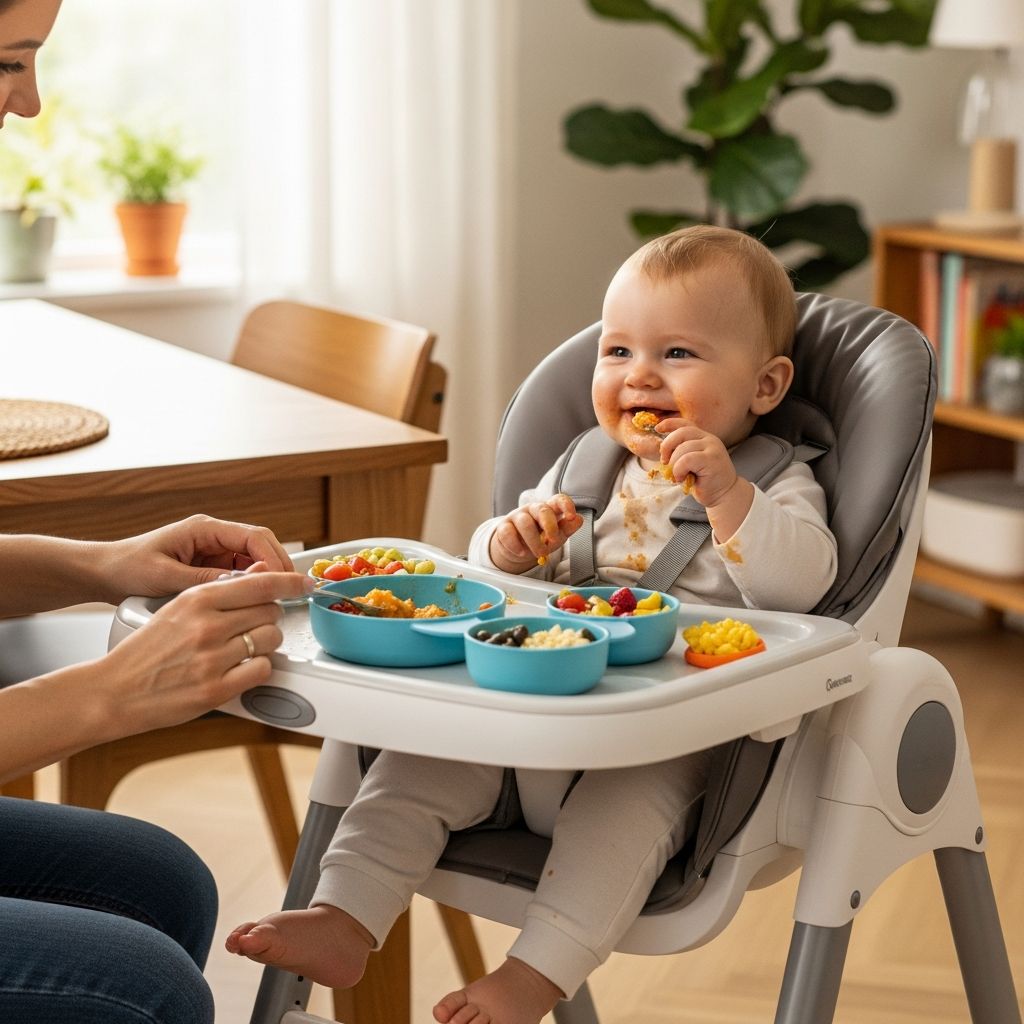
Resources for Infant Educarers (RIE) parenting revolutionizes early childhood care by treating infants as capable individuals deserving of genuine respect. Founded by Magda Gerber, this approach prioritizes observation, clear communication, and trust in a child’s innate abilities, leading to emotionally resilient and independent children.
Core Foundations of RIE Philosophy
RIE parenting rests on the belief that even newborns are whole persons with their own thoughts, feelings, and competencies. Rather than intervening constantly, caregivers observe sensitively to discern true needs, avoiding projections of adult assumptions like assuming a fuss means hunger or boredom. This mindful presence builds basic trust, allowing children to initiate, explore, and learn at their own pace.
Key to RIE is creating a safe, enriching environment that supports cognitive challenges and emotional nurturing without overstimulation. Caregivers act as educarers—part educator, part carer—who facilitate rather than direct, fostering self-reliance from day one.
Authentic Communication: The Heart of Connection
Communication in RIE is direct and adult-like, using normal voices slowed slightly for clarity. Parents narrate actions honestly, such as ‘I’m lifting you now to change your diaper,’ inviting participation and acknowledgment of the child’s responses. This builds dignity and two-way dialogue, encouraging babies to express themselves fully.
- Speak about present realities: Describe what’s happening now, like undressing or feeding, to ground the child in the moment.
- Ask questions and pause: Give time for responses, validating coos, gestures, or cries as meaningful communication.
- Avoid baby talk: Use real words to model language naturally, enhancing comprehension and respect.
By communicating vulnerably and authentically, parents model emotional honesty, strengthening bonds without manipulation.
Fostering Independent Exploration Through Play
Uninterrupted, self-directed play is central to RIE, providing infants from as young as weeks old with safe spaces for solo discovery. Caregivers observe quietly, trusting the child’s choices as inherently valuable—no redirection unless safety demands it. Sessions can last 15 minutes to hours, depending on the child’s engagement.
Environments feature simple, open-ended toys like wooden blocks or scarves, promoting creativity over flashy electronics. This setup allows natural motor and cognitive growth, free from propping, rushing, or teaching shortcuts.
| Play Element | RIE Approach | Benefits |
|---|---|---|
| Safe Space | Gated area with safe, accessible items | Freedom to explore without constant supervision |
| Toys | Minimal, natural materials | Encourages imagination and problem-solving |
| Duration | Child-led, uninterrupted | Builds focus, persistence, and self-trust |
| Caregiver Role | Observe silently | Honors child’s autonomy and competence |
Involving Children in Everyday Care Routines
RIE transforms routine tasks like diapering, dressing, or meals into collaborative experiences. Narrate each step: ‘I’m unfastening your diaper now. Your turn to lift your legs?’ This active involvement shifts children from passive recipients to participants, enhancing security and cooperation.
For older infants, offer choices like handing wipes or pulling up pants, building gross and fine motor skills alongside a sense of agency. Full attention during these moments—no phones—deepens trust and reduces resistance over time.
Embracing Emotions and Setting Empathetic Limits
Children experience the full spectrum of feelings, and RIE encourages open expression without suppression. Acknowledge cries as communication: ‘You sound frustrated. I’m here while you work through it,’ providing proximity without fixing. This validates emotions, teaching self-regulation.
Boundaries are firm yet empathetic—no punishments, timeouts, or distractions. Instead, state limits clearly: ‘I won’t let you hit; hands are for gentle touching,’ modeling calm leadership. This respects the child’s needs while meeting the parent’s, using love over control.
Natural Milestones: Trusting Developmental Timetables
RIE avoids accelerating development, like propping babies to sit before they’re ready. Floor time supports organic progress in crawling, standing, and problem-solving, preventing created dependencies. Trusting these innate rhythms yields confident movers and thinkers.
Conflicts with peers or toys become learning opportunities; intervene minimally to support resolution, fostering social skills and resilience.
Advantages for Children and Parents Alike
Children raised with RIE often display remarkable independence, emotional intelligence, and focus. Parents gain confidence in boundaries, reducing guilt over self-care like using the bathroom uninterrupted. No need for constant entertainment frees adults for rest, modeling healthy limits.
- Child Benefits: Autonomy, better self-regulation, authentic self-expression.
- Parent Benefits: Deeper connections, less burnout, empowered leadership.
Practical Implementation Strategies
Start small: Designate a play area, narrate one routine daily, observe without intervening for 20 minutes. Consistency builds habits; join RIE classes for community support. Challenges like initial resistance fade as trust grows.
Frequently Asked Questions
What age is RIE parenting suitable for?
RIE applies from birth through toddlerhood, adapting to developmental stages while maintaining respect.
Does RIE mean no comforting a crying baby?
No—offer presence and acknowledgment; comfort without stopping the cry, allowing emotional processing.
Are simple toys enough for stimulation?
Yes; open-ended items spark creativity far beyond complex gadgets.
How does RIE handle tantrums?
Acknowledge feelings, hold safe boundaries empathetically, avoiding distractions or punishments.
Can RIE reduce parenting stress?
Absolutely; by trusting child-led play and clear limits, parents feel more in control and less overwhelmed.
Long-Term Impact on Family Dynamics
Over time, RIE cultivates families where mutual respect thrives. Children internalize competence, approaching challenges with grit. Parents evolve into attuned leaders, enjoying playful, secure relationships that extend beyond infancy.
References
- RIE Parenting Basics (9 Ways to Put Respect into Action) — Janet Lansbury. 2013-12. https://www.janetlansbury.com/2013/12/rie-parenting-basics-9-ways-to-put-respect-into-action/
- Understanding the RIE parenting method — Lovevery Blog. N/A. https://blog.lovevery.com/podcast/understanding-rie-parenting/
- What Is RIE Parenting? Method, Definition, Pros, and Cons — Healthline. N/A. https://www.healthline.com/health/parenting/rie-parenting
- Magda Gerber’s Basic RIE Principles — Magda Gerber. N/A. https://magdagerber.org/magdas-writings/magda-gerbers-basic-rie-basic-principles/
- A Deep Dive into RIE Parenting — Melinda Wenner Moyer, Substack. N/A. https://melindawmoyer.substack.com/p/a-deep-dive-into-rie-parenting
- Resources for Infant Educarers: Homepage — RIE.org. N/A. https://rie.org