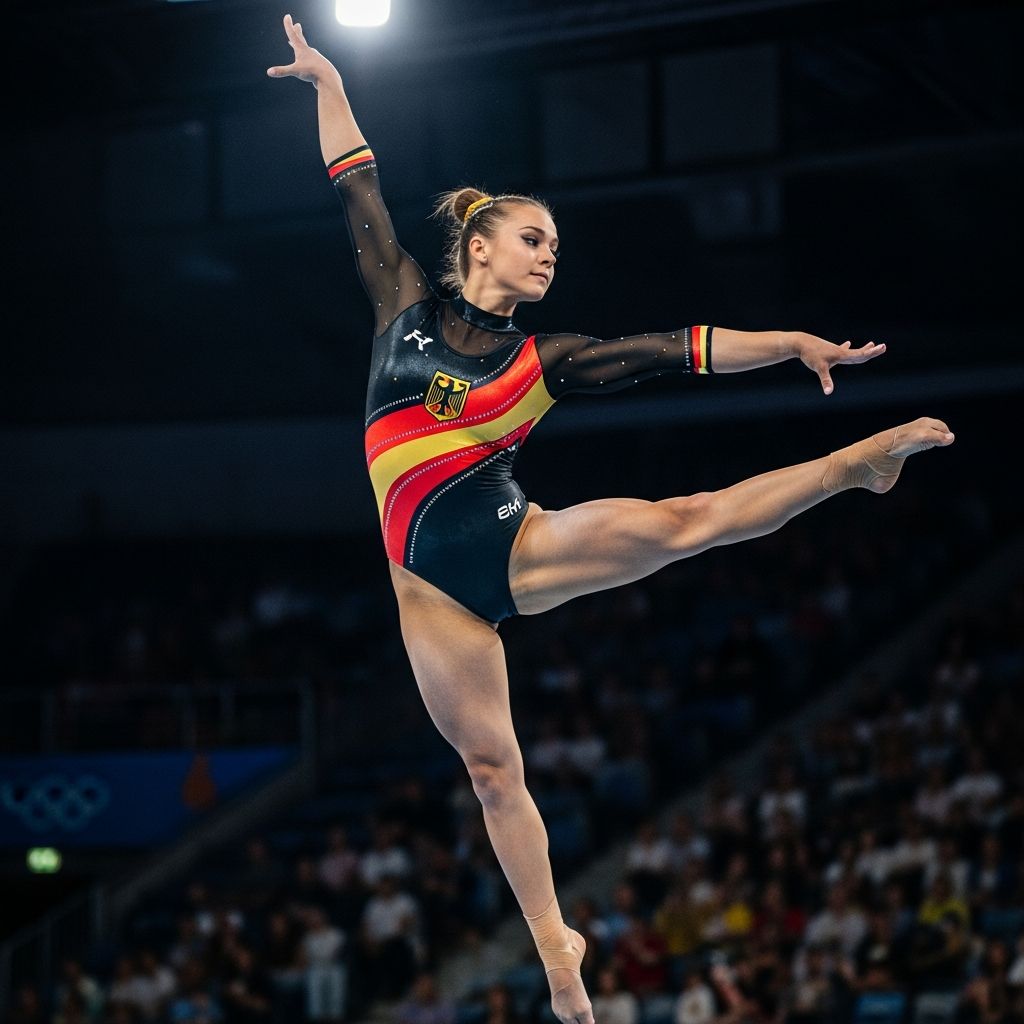
The 2020 Tokyo Olympics marked a pivotal moment in women’s gymnastics when the German team appeared in full-body unitards, extending from shoulders to ankles. This choice was a deliberate protest against the long-standing sexualization of female athletes in the sport, prioritizing comfort and autonomy over tradition.
The Evolution of Gymnastics Attire
Gymnastics uniforms have transformed significantly since the sport’s competitive beginnings. Early routines featured modest, full-coverage outfits, but by the late 20th century, leotards became the standard for women—brief, form-fitting garments that exposed legs and sometimes more. This shift aligned with aesthetic preferences for visual appeal but raised concerns about objectification.
Male gymnasts, by contrast, have long worn long pants or tights paired with tops, allowing greater coverage without scrutiny. The disparity highlights deeper gender norms in sports apparel, where women’s uniforms emphasize exposure while men’s prioritize functionality.
- Historical leotards: Bikini-style designs emerged in the 1970s, amplifying sparkle and skin for audience engagement.
- Male counterparts: Consistent use of trousers, focusing on performance over presentation.
- Cultural impact: Sparkly, revealing outfits became synonymous with elite gymnastics, influencing global perceptions.
Germany’s Unitard Debut: A Statement at Tokyo 2020
During qualifying rounds on July 25, 2021, the German women’s team donned crimson-and-white unitards adorned with crystals, mirroring the glamour of traditional leotards but covering arms and legs fully. Team member Sarah Voss, 21, explained the last-minute decision: the athletes gathered, affirming their desire to compete confidently without discomfort.
This was not impulsive; the team first tested unitards at the European Artistic Gymnastics Championships in April 2021. The German Gymnastics Federation endorsed it as a move ‘against sexualization,’ aiming for aesthetic presentation on athletes’ terms.
“We want to feel amazing, we want to show everyone that we look amazing.” – Sarah Voss, German gymnast
Athlete Voices: Comfort Over Convention
Elisabeth Seitz, a three-time Olympian, emphasized personal choice: “It’s about what feels comfortable. We wanted to show that every woman, everybody, should decide what to wear.” This sentiment resonated amid the Larry Nassar scandal, where the former USA Gymnastics doctor was imprisoned for abusing hundreds of athletes, intensifying calls for reform.
The unitards symbolized empowerment, rejecting the bikini-cut norm that had dominated for decades. While visually striking under arena lights, they shifted focus from bodies to skills, challenging viewers to appreciate gymnastics beyond superficial allure.
Ripple Effects Across Sports
Germany’s action inspired parallels elsewhere. The Norway women’s beach handball team wore shorts instead of mandated bikini bottoms at the 2021 Beach Handball EURO, defying International Handball Federation rules. Fined 1,500 euros (150 per player), the penalty was donated to a women’s sports equality foundation.
| Sport | Action | Outcome | Date |
|---|---|---|---|
| Gymnastics (Germany) | Unitards at Olympics | Global media attention, no penalties | July 2021 |
| Beach Handball (Norway) | Shorts over bikinis | 1,500 euro fine, donated to equality | July 2021 |
These instances underscore a growing push for attire reforms, prioritizing athlete agency amid evolving standards.
Challenges and Criticisms
Not all reactions were supportive. Some argued unitards hindered performance or aesthetics, potentially distracting from routines. Critics noted that while championed online, no other Olympic teams adopted them, suggesting limited immediate impact.
Regulations play a role: Gymnastics bodies require leotards to not extend below hips for mobility, though unitards were permitted as they met fabric and fit criteria. Broader change requires federation updates, balancing safety, fairness, and expression.
Progress Since Tokyo: Ongoing Reforms
Post-Olympics, discussions intensified. Federations reviewed policies, with some allowing more coverage options. The International Gymnastics Federation (FIG) has explored inclusivity, influenced by such protests. By 2023, trials of varied suits appeared in competitions, signaling gradual shifts.
Broader context includes mental health advocacy; athletes report reduced self-consciousness in fuller coverage, aiding focus. This aligns with movements like #MeToo in sports, demanding respect over objectification.
Why This Matters for Future Generations
Germany’s stand educates young athletes on bodily autonomy. Coaches and parents now discuss uniform choices, fostering environments where performance trumps appearance. It challenges the male gaze in sports media, urging broadcasts to highlight technique over physique.
- Empowers choice: Athletes select gear enhancing confidence.
- Promotes equality: Aligns women’s options with men’s.
- Inspires dialogue: Sparks policy reviews globally.
Technical Aspects of Unitard Design
Unitards maintain functionality with breathable, stretchy fabrics like those in leotards. Crystals ensure visual parity, while ankle-length legs prevent riding up during flips. Designers collaborated with athletes for seamless integration of style and utility.
Performance data shows no detriment; German scores remained competitive, proving coverage need not compromise scores.
Frequently Asked Questions
Why did the German team choose unitards for the Olympics?
To protest sexualization and prioritize comfort, debuting them earlier at Europeans.
Were unitards against any rules?
No, they complied with FIG guidelines on coverage and mobility.
Did other teams follow suit?
Not at Tokyo, but it influenced later discussions and trials.
What was the reaction to Norway’s beach handball protest?
Fined but fine donated to equality causes, amplifying the message.
How has this impacted gymnastics uniforms since 2021?
Increased options for coverage in some events, ongoing advocacy.
Conclusion: A Step Toward Inclusive Athletics
The German unitards transcended fashion, igniting a movement for equitable sportswear. As athletes continue advocating, the sport edges toward inclusivity, ensuring future stars compete on their terms. This legacy from Tokyo endures, reshaping norms one routine at a time.
References
- Germany Gymnastics Team Tired of ‘Sexualization,’ Wears Unitards — Sports Illustrated. 2021-07-25. https://www.si.com/olympics/2021/07/25/tokyo-olympics-germany-gymnastics-wears-unitards
- Germany’s female gymnasts wear full-body unitards in stand against “sexualization” of sport — CBS News. 2021-07-26. https://www.cbsnews.com/news/germany-female-gymnastics-unitard-against-sexualization-tokyo-olympic-games/
- Top female athletes speak out amid Olympics, defy convention on uniforms — ABC News. 2021-07. https://abcnews.com/Sports/top-female-athletes-speak-defy-convention-uniforms/story?id=79149087