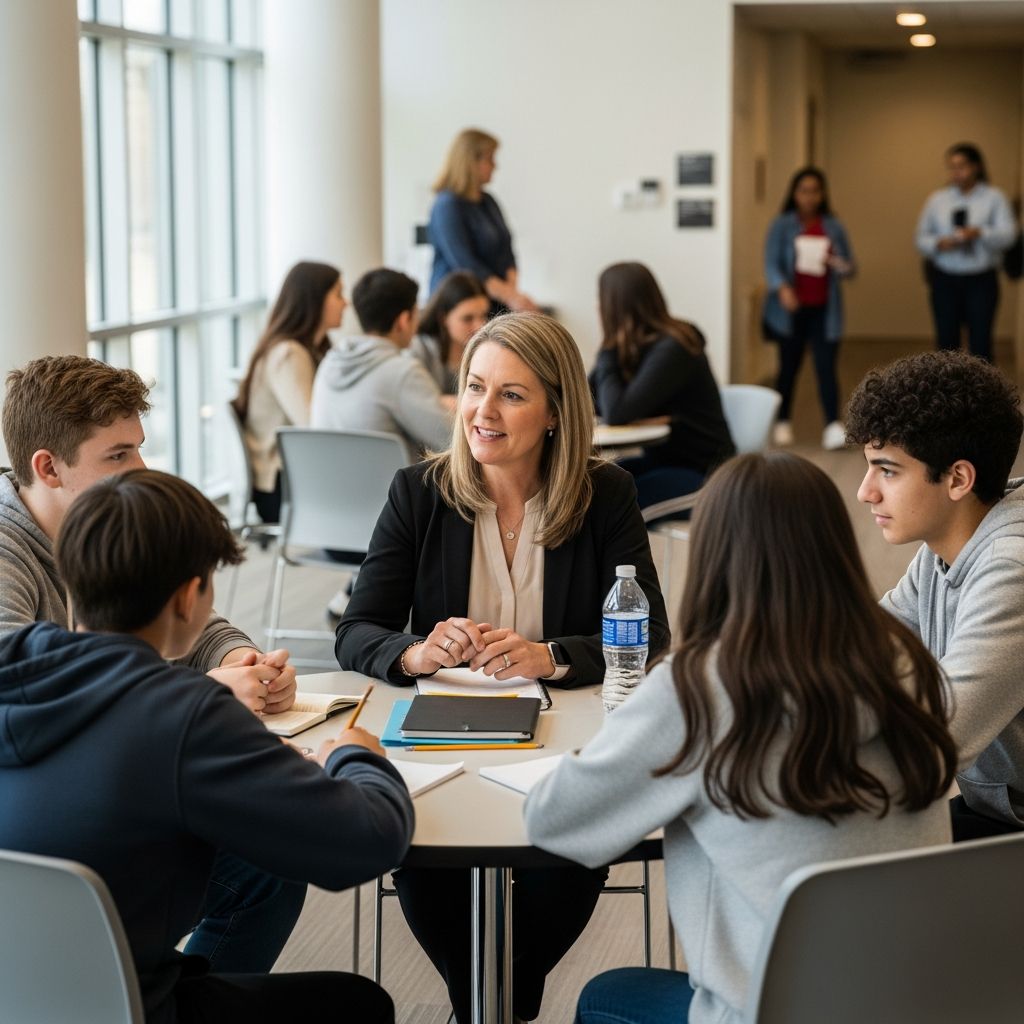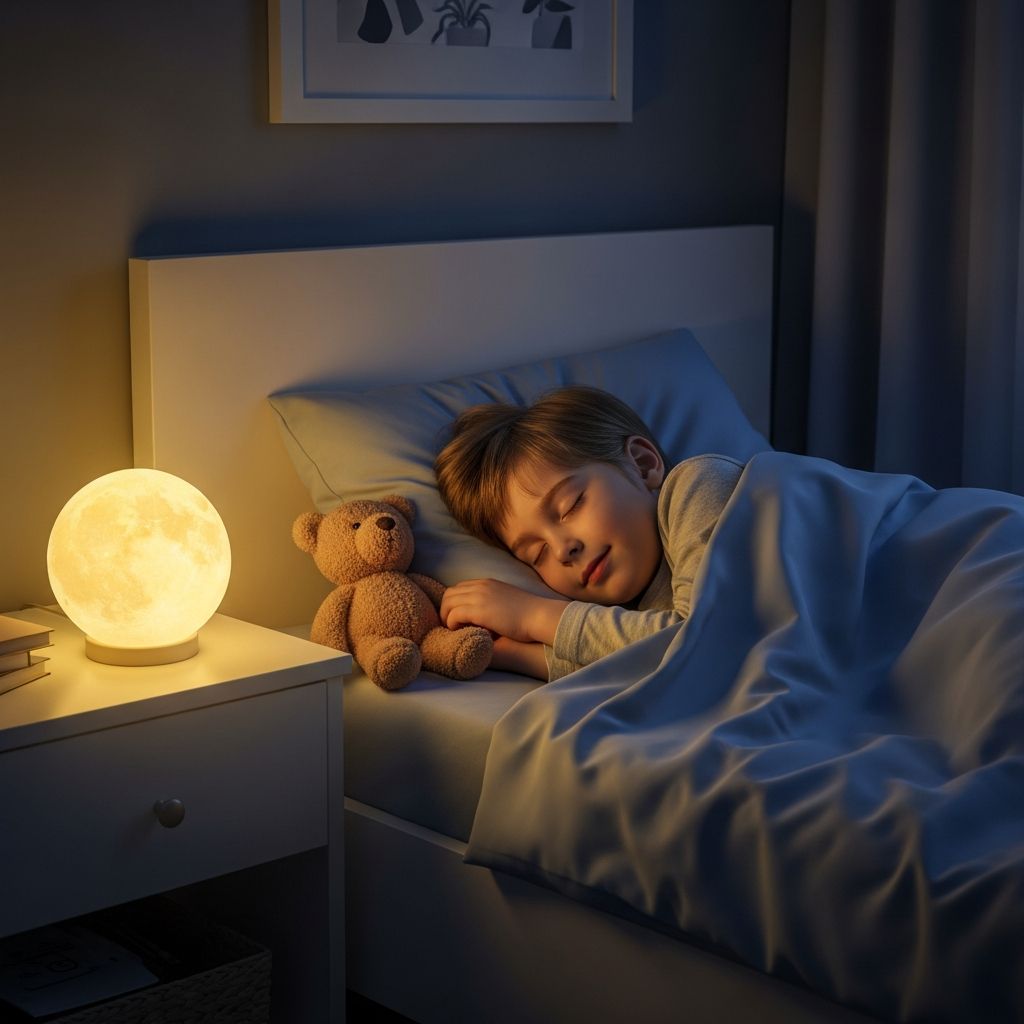
Good sleep is not a luxury for children; it is a daily necessity for healthy growth, learning, mood, and behavior. Research shows that when kids regularly get enough quality sleep, they do better in school, have fewer behavior problems, and are physically healthier. This guide explains how parents can build strong sleep habits at home using simple, practical steps that work for most families.
Why Sleep Matters So Much for Children
During sleep, a child’s brain and body are busy doing essential work. Growth hormone is released, memories are processed, and the immune system is strengthened. Kids who do not sleep enough are more likely to struggle with attention, mood, and behavior, and may also face long-term health risks like obesity.
- Brain and learning: Sleep supports attention, memory, and problem-solving, all of which are critical for school success.
- Emotional health: Tired kids may be more irritable, tearful, or impulsive, and may have more trouble handling stress.
- Physical growth: Deep sleep is when much of children’s growth and tissue repair occurs.
- Immune function: Adequate sleep helps the body fight infections and recover from illness.
Because sleep is so central, experts encourage parents to treat bedtime routines and sleep schedules as important as meals and homework.
How Much Sleep Do Kids Need?
Exact needs vary, but professional organizations provide age-based ranges to guide parents. The table below summarizes typical total sleep needs in 24 hours, including naps for younger children.
| Age | Recommended total sleep per day* | Includes naps? |
|---|---|---|
| Toddlers (1–2 years) | 11–14 hours | Yes |
| Preschoolers (3–5 years) | 10–13 hours | Often |
| School-age (6–12 years) | 9–12 hours | Usually no naps |
| Teens (13–18 years) | 8–10 hours | No naps in most cases |
*Based on guidance from pediatric and sleep medicine organizations.
A useful rule of thumb: if your child needs an alarm to wake up on school days, but wakes on their own on weekends after sleeping longer, they probably are not getting enough weekday sleep.
Core Principles of Good Sleep Habits
Experts often use the term sleep hygiene to describe the daily habits and environment that support healthy sleep. For children, strong sleep hygiene usually rests on four pillars:
- Consistency: Similar bedtimes, wake times, and routines every day, including weekends.
- Calm routines: Predictable, soothing steps leading up to lights-out.
- Sleep-friendly environment: A cool, dark, quiet, and comfortable bedroom.
- Healthy daytime habits: Daytime activity, light exposure, and limited caffeine and late naps.
Designing a Calming Bedtime Routine
A bedtime routine is a sequence of quiet activities that happens in the same order every night. This helps a child’s body recognize that sleep is coming and start to wind down.
How Long and What to Include
Most children do well with a routine that lasts about 15–30 minutes. For younger children it may be shorter; for older kids, it may involve more independent steps.
Examples of soothing activities you can choose from:
- Taking a warm bath or shower
- Brushing teeth and putting on comfortable pajamas
- Reading a physical book together or quietly on their own
- Listening to gentle music or an age-appropriate audio story
- Doing a few minutes of deep breathing or simple relaxation exercises
- Talking briefly about something good from the day and plans for tomorrow
Try to avoid stimulating activities, such as fast-paced games, intense discussions, or screen use, during the last part of the evening.
Keeping the Routine Predictable
Predictability can be very reassuring, especially for young children. You might use the same order every night, such as:
- Bathroom and pajamas
- Short, calm activity (story, songs, or quiet talk)
- Lights dimmed, goodnight phrase, and lights out
Calm, brief check-ins after lights out, if needed, can reassure kids without turning bedtime into a drawn-out interaction.
Setting a Steady Sleep Schedule
The body’s internal clock responds strongly to timing. Going to bed and getting up at roughly the same time each day helps kids fall asleep faster and wake more easily.
Steps to Build a Consistent Schedule
- Pick a realistic wake time based on school or childcare, and anchor the schedule around that.
- Count backward from that wake time using your child’s recommended hours of sleep to find a target bedtime.
- Keep timing similar on weekends – ideally within about an hour – to avoid “social jet lag.”
- Avoid long sleep-ins to “catch up”; they can make bedtime much harder the following night.
If your child is currently going to bed very late, move bedtime earlier slowly, by about 15 minutes every few nights, rather than all at once.
Creating a Bedroom That Encourages Sleep
The sleep environment has a powerful effect on how easily kids fall asleep and stay asleep. Small changes in the bedroom can make a big difference.
Temperature, Light, and Noise
- Temperature: A slightly cool room is usually best for sleep; many experts suggest a range around the mid-60s °F for children and adults, with some variation for comfort.
- Light: Dim lights in the hour before bed and keep the bedroom as dark as possible at night to support natural melatonin production.
- Noise: Keep the room quiet. If outside noise is a problem, consider a fan or white-noise machine to mask irregular sounds.
What Belongs (and Doesn’t Belong) in the Bedroom
- Use the bed mainly for sleep rather than for homework, video games, or long screen time.
- Keep electronic devices out of the bedroom when possible, including TVs, tablets, and phones.
- Limit distractions such as cluttered play areas, bright nightlights, or noisy toys.
- Consider pets: Some children sleep better if pets are not in the bed or bedroom to reduce movement and noise at night.
Screens, Light, and Evening Stimulation
Light from screens and the mental stimulation from digital media can make it harder for kids to fall asleep. Children are particularly sensitive to light in the evening, which can delay their internal body clock.
Practical Screen Guidelines
- Stop using screens at least one hour before bedtime.
- Turn on “night mode” or blue-light-reduction settings in the evening if a device must be used.
- Avoid watching exciting or scary content late at night.
- Charge phones and tablets outside the bedroom overnight.
Families may find it helpful to agree on a household “media curfew,” where all devices are shut down and stored in a common area at a set time each evening.
Daytime Habits That Support Better Sleep
What happens during the day strongly influences sleep at night. Healthy movement, light exposure, and eating patterns make it easier for kids to fall asleep and stay asleep.
Physical Activity and Outdoor Time
Regular physical activity helps children fall asleep faster and improves sleep quality, as long as vigorous exercise is not too close to bedtime.
- Encourage play, sports, or active games earlier in the day.
- Enjoy outdoor time in the morning or afternoon; natural daylight helps set the body clock.
- Avoid intense physical activity in the last hour or two before bed.
Food, Drinks, and Caffeine
Heavy meals, sugary foods, or caffeine late in the day can interfere with sleep.
- Offer a light snack if your child is hungry at bedtime, such as fruit, yogurt, or whole-grain crackers.
- Avoid big meals within a couple of hours of lights-out.
- Limit or avoid caffeine (found in many sodas, energy drinks, and some teas), especially in the afternoon and evening.
Naps: Helpful or Harmful?
For toddlers and many preschoolers, daytime naps are part of healthy sleep and support mood and learning. For older children and teens, long or late naps can make it much harder to fall asleep at night.
- For younger kids, keep naps roughly at the same time each day and avoid napping too close to bedtime.
- For school-age children and teens, try to avoid late-day naps unless they are clearly catching up after illness or a rare very late night.
Helping Worried or Restless Kids at Night
Even with good habits, some children still have trouble winding down or wake during the night. Gentle strategies can help them feel more secure and relaxed.
Managing Bedtime Worries
- Build in a brief “worry time” earlier in the evening where kids can talk about what is on their mind.
- Teach simple relaxation techniques, such as slow belly breathing or imagining a safe, calm place.
- Use a consistent, brief goodnight phrase so your child knows the day is done.
What if They Can’t Fall Asleep?
For older kids who lie awake feeling frustrated, it can help to step out of bed for a few minutes to do something quiet and non-stimulating, then return to bed when sleepy again.
- Keep activities boring: reading a calm book in low light, gentle stretches, or quiet drawing.
- Avoid screens, bright lights, or exciting games.
- If they are still awake after 20–30 minutes, they can repeat this pattern once more.
This approach teaches the brain to associate bed with being sleepy rather than with tossing and turning.
When to Talk to a Health Professional
Sometimes sleep problems are more than a matter of routine. It is wise to speak with your child’s health care provider if you notice any of the following:
- Snoring regularly, especially if it is loud or includes gasps or pauses in breathing
- Nighttime breathing that seems labored or very noisy
- Frequent night terrors, sleepwalking, or unusual movements during sleep
- Severe bedtime struggles that last for weeks despite consistent routines
- Persistent daytime sleepiness, behavior changes, or learning difficulties that may be tied to poor sleep
Pediatricians and sleep specialists can help identify underlying conditions, such as obstructive sleep apnea, restless legs syndrome, or anxiety disorders, and can recommend appropriate treatment.
Sample Evening Flow for Families
Every family is different, but the outline below shows how you might combine the ideas in this guide into a simple weekday evening plan:
- Late afternoon: Outdoor play or organized sports practice; snack and homework.
- Early evening: Family dinner; screens allowed but with a clearly defined cut-off time.
- One hour before bed: Screens off; lights dimmed; quiet play, reading, or calm conversation.
- 30 minutes before bed: Bath or shower if part of your routine; pajamas; teeth brushed.
- Last 15–20 minutes: Bedtime story, songs, or quiet talk; a few minutes of relaxation breathing for older kids.
- Lights out: Brief goodnight, and then let your child fall asleep on their own.
Frequently Asked Questions (FAQs)
How do I know if my child is getting enough sleep?
Signs of adequate sleep include waking on their own close to the desired time, being generally alert during the day, and having relatively steady mood and behavior. If your child regularly needs to be dragged out of bed, falls asleep in the car, or is very irritable or unfocused, they may need more sleep.
My child fights bedtime every night. What can I do?
Start by choosing a consistent bedtime and building a simple, predictable routine that you follow every night. Give your child some small choices within the routine (such as which pajamas or which book) to increase cooperation, but stay firm about the timing. Provide positive attention earlier in the evening so bedtime does not become the main time they get your focus.
Are nightlights okay, or should the room be completely dark?
Many children feel more secure with a soft nightlight. That is usually fine as long as it is dim and placed away from their eyes. Avoid bright lights or screens, which can delay the body’s natural sleep processes.
What about teens who stay up very late?
Teens naturally tend to fall asleep later, but school start times often require early wake-ups. Encourage a consistent schedule, limit evening screen use and caffeine, and keep devices out of the bedroom at night. If your teen still cannot fall asleep until very late or is extremely tired during the day, talk with their health care provider, as delayed sleep-wake phase disorder is common in adolescents.
Can improving sleep really change behavior and school performance?
Yes. Studies show that when children’s sleep is improved, families often see better attention, mood, and behavior, and in many cases better school performance as well. While sleep is not the only factor, it is a powerful and modifiable one.
References
- What is Sleep Hygiene? — Nationwide Children’s Hospital. 2021-06-01. https://www.nationwidechildrens.org/specialties/physical-therapy-sports-and-orthopedic/resources/sleep-hygiene
- 10 Ways to Help Your Child Get a Better Night’s Sleep — Nemours KidsHealth. 2023-07-10. https://kidshealth.org/en/parents/sleep-hygiene.html
- Healthy Sleep in Children — American Thoracic Society. 2020-01-01. https://www.thoracic.org/patients/patient-resources/resources/healthy-sleep-in-children.pdf
- Sleep Strategies for Kids — Sleep Foundation. 2023-05-15. https://www.sleepfoundation.org/children-and-sleep/sleep-strategies-kids
- Sleep: An essential element of success for children — Mayo Clinic Health System. 2022-03-01. https://www.mayoclinichealthsystem.org/hometown-health/speaking-of-health/sleep-an-essential-element-of-success-for-children
- Sleep Hygiene – Children Handout — CHOC Children’s. 2016-04-01. https://choc.org/wp-content/uploads/2016/04/Sleep-Hygiene-Children-Handout.pdf
- How Much Sleep Do Kids Need? — Boston Children’s Hospital Fit Kit. 2019-09-01. https://fitkit.childrenshospital.org/sleep/kids-sleep-needs