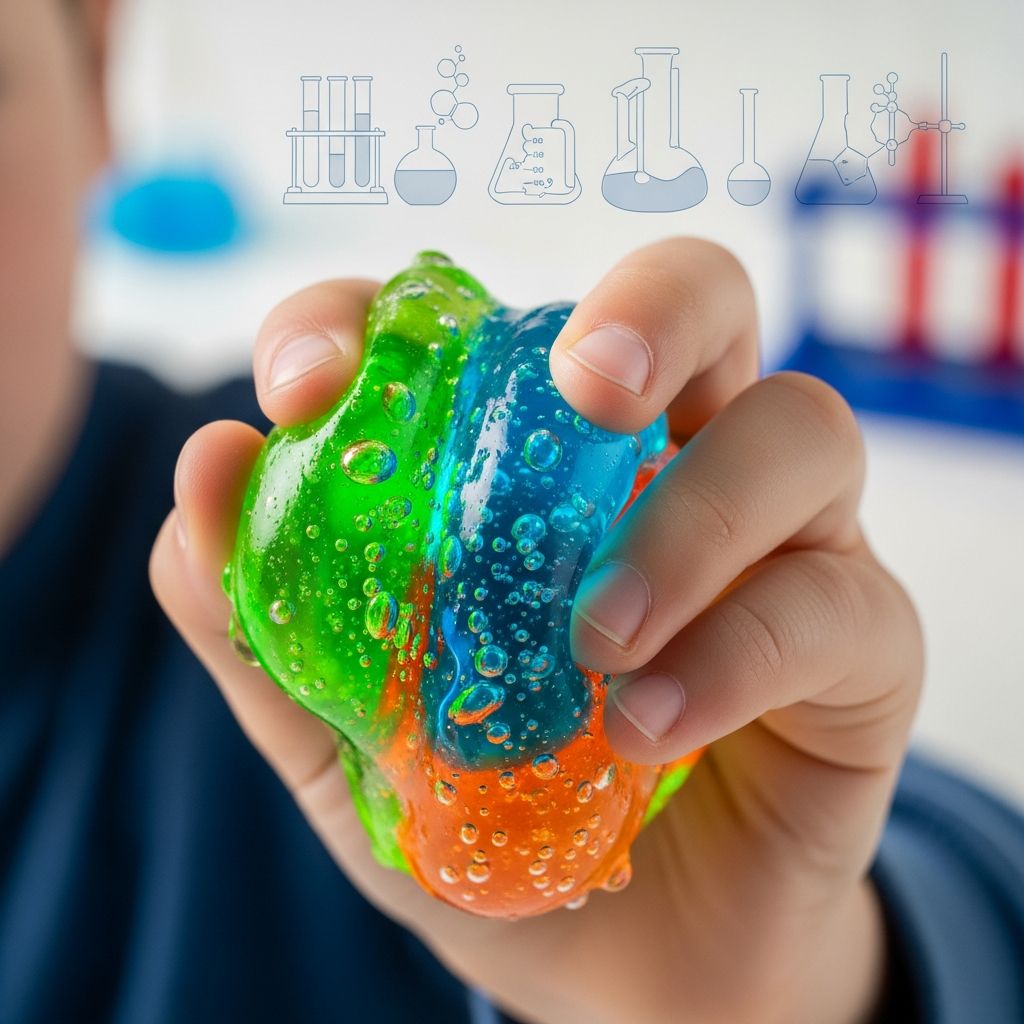
Popular sensory toys filled with colorful gel have surged in popularity among children seeking stress relief and tactile stimulation. However, recent investigations reveal a dark side: these squishy fidget devices can rupture, releasing highly acidic gel that causes severe skin irritation and chemical burns. Parents must understand these hazards to safeguard their little ones from potentially life-altering injuries.
Understanding the Appeal and Perils of Sensory Squeeze Toys
Sensory squeeze toys, often marketed as tools for focus and anxiety reduction, feature soft, gel-filled interiors encased in durable plastic shells. Children love squeezing, stretching, and manipulating them, providing endless entertainment. Yet, fragility issues have led to widespread ruptures during normal play, exposing skin to the inner gel.
Laboratory tests on popular models show varying gel compositions, with some exhibiting extreme acidity comparable to citrus juices. This low pH level erodes skin upon contact, especially in children whose delicate skin offers little resistance. Reports describe red, inflamed patches, peeling epidermis, and blistering that mimic thermal burns but stem from chemical reactions.
Real-World Incidents: Children’s Stories of Harm
Consumer complaints paint a grim picture. On federal safety databases like SaferProducts.gov, parents recount toys bursting open within hours of purchase, drenching arms and legs in sticky gel. One case involved a child rushed to the emergency room for treatment of burns on multiple limbs.
Online reviews echo these tales: products failing rapidly, leaving residue that’s hard to wash off due to its adhesive nature. Prolonged exposure intensifies damage, turning minor irritations into painful wounds requiring medical intervention. Nationwide, including in areas like Las Vegas, families report similar ordeals, highlighting the toys’ ubiquity in stores and online marketplaces.
- Inflamed, red skin appearing minutes after rupture
- Peeling or blistering after hours of contact
- Emergency visits for severe reactions
- Difficulty removing sticky gel completely
The Science Behind Acidic Gel and Skin Damage
Chemical burns occur when substances disrupt the skin’s pH balance, denaturing proteins and causing tissue necrosis. Gels in certain fidget toys register pH levels as low as 2-3, akin to vinegar or lemon juice, far from the skin’s neutral 5.5. Children’s thinner epidermis absorbs these corrosives faster, amplifying risks.
Polyvinyl alcohol, claimed by some manufacturers as the primary ingredient, should be benign. However, additives or impurities may heighten acidity. When gel contacts skin, it triggers immediate erythema, progressing to vesicles if not neutralized promptly with water and mild soap.
| Gel pH Level | Potential Effect on Skin | Example Comparison |
|---|---|---|
| Neutral (7) | Minimal irritation | Water |
| 4-5 | Mild sting, redness | Orange juice |
| <3 | Severe burns, peeling | Lemon juice |
Viral Social Media Challenges Amplify the Threats
TikTok trends have worsened the dangers, encouraging kids to freeze then microwave toys for enhanced squishiness. Tests reveal explosions within seconds, propelling superheated gel at temperatures over 200°F, causing instant thermal burns alongside chemical ones.
One heartbreaking incident saw a 7-year-old girl suffer such catastrophic injuries she required a medically induced coma. Experts warn against any heating, as even brief exposure vaporizes contents, creating projectiles. Parents unaware of these fads face heightened vigilance needs.
Manufacturer Claims Versus Independent Findings
Schylling, maker of NeeDoh products like the Nice Cube and Groovy Glob, asserts their gels are safe, citing polyvinyl alcohol and low incident rates across millions of units sold—only four CPSC reports. They challenge pH testing methods and note alcohol components safe for skin.
Yet, Consumer Reports disputes this, urging CPSC probes into the Nice Cube and similar items due to rupture-prone designs and burn reports. Discrepancies underscore the need for standardized testing and transparent disclosures.
Regulatory Gaps and Calls for Action
The Consumer Product Safety Commission (CPSC) oversees toy safety, but gel fidget toys fall into gray areas without specific standards for internal fillers. Advocacy groups demand investigations, chemical assays, and potential recalls to prevent further harm.
Parents rely on retailers like Amazon and Walmart, yet easy breakage evades initial scrutiny. Enhanced manufacturing—like thicker casings or non-acidic gels—could mitigate risks, alongside bold warnings against tampering.
Practical Safety Guidelines for Parents
Proactive steps empower families:
- Supervise Play: Never leave young children unattended with gel toys.
- Inspect Regularly: Check for cracks or weak spots daily.
- Immediate Response: Rinse skin with cool water for 15+ minutes if rupture occurs; seek medical help for persistent pain.
- Avoid Modifications: Ban freezing, microwaving, or cutting toys.
- Age Appropriateness: Reserve for kids over 8; opt for solid alternatives for toddlers.
- Report Issues: File on SaferProducts.gov to aid investigations.
Choose toys with safety certifications and positive, verified reviews. Dispose of damaged units promptly in sealed bags.
Health Impacts and Long-Term Concerns
Beyond acute burns, repeated exposures risk sensitization, leading to chronic dermatitis. Scarred skin may cause emotional distress, impacting self-esteem. Pediatric dermatologists recommend barrier creams post-incident and monitoring for allergies.
In severe cases, hospitalization follows, with costs and trauma burdening families. Legal avenues like product liability suits address defective designs or inadequate warnings, seeking compensation for medical bills and suffering.
Safer Alternatives to Gel Fidget Toys
Steer toward verified safe options:
- Silicone-based squeezers without liquids
- Fabric stress balls
- Wooden fidget boards
- Therapy putty in sealed containers
- Mesh stretch toys
Consult occupational therapists for child-specific sensory needs, ensuring fun without peril.
Frequently Asked Questions (FAQs)
What should I do if my child’s gel toy ruptures?
Wash the area immediately with cool water and soap for at least 15 minutes. Apply a neutralizing agent like baking soda paste if available, then monitor for worsening symptoms and consult a doctor.
Are all gel fidget toys dangerous?
Not all, but many popular ones like NeeDoh show risks from acidic gels and poor durability. Test pH if possible or stick to reputable, tested brands.
Why do these toys break so easily?
Manufacturing variances lead to thin shells unable to withstand repeated squeezing, especially by enthusiastic children.
Can adults use these toys safely?
Adults with thicker skin face lower risks, but acidic exposure remains hazardous. Supervision and care are still advised.
Has the CPSC recalled these toys?
No recalls yet, but Consumer Reports pushes for investigation. Check CPSC.gov for updates.
Empowering Parents for a Safer Playtime
Informed choices transform play from potential hazard to pure joy. By heeding warnings, reporting issues, and selecting wisely, parents shield kids from unseen threats in trendy toys. Stay vigilant—child safety hinges on it.
References
- Squishy gel fidget toys risks, chemical burns, skin irritation reported — YouTube/Consumer Reports Investigation. 2025. https://www.youtube.com/watch?v=zBfWn7nJJRg
- Consumer Reports Urges CPSC to Investigate Chemical Burn Risks from Gel in Sensory Squeeze Toys — Consumer Reports Advocacy. 2025. https://advocacy.consumerreports.org/press_release/consumer-reports-urges-cpsc-to-investigate-chemical-burn-risks-from-gel-in-sensory-squeeze-toys-including-the-needoh-nice-cube/
- Las Vegas Families Warned After Squishy Fidget Toys Cause Chemical Burns in Children — LV Accident Blog. 2025-12-30. https://lvaccident.com/blog/las-vegas-nv-las-vegas-families-warned-after-squishy-fidget-toys-cause-chemical-burns-in-children/