When a child suddenly starts vomiting or has repeated episodes of diarrhea, many parents worry that something serious is wrong. Gastroenteritis, often called the “stomach bug” or “stomach flu,” is one of the most common reasons kids have these symptoms. It is usually short-lived but can become dangerous if dehydration develops.
This guide explains what gastroenteritis is, why kids get it, how to keep them safe and comfortable at home, and when to seek urgent medical care.
What Is Gastroenteritis?
Gastroenteritis is an infection that irritates the lining of the stomach and intestines. This irritation leads to vomiting, diarrhea, and belly discomfort. In most children, the illness lasts a few days and improves on its own with rest and careful fluid replacement.
Although people often say “stomach flu,” this condition is not the same as influenza, which mainly affects the lungs and causes symptoms like cough, sore throat, and congestion. Gastroenteritis focuses on the digestive system, so problems with stools and vomiting are at the center of the illness.
Why Children Are So Prone to Stomach Bugs
Children, especially babies and toddlers, get gastroenteritis more often than adults because their immune systems are still maturing and they explore the world with their hands and mouths. Close contact in daycare, school, and playgroups allows germs to circulate quickly from child to child.
- Young kids frequently share toys, cups, and snacks.
- Handwashing skills are still developing, so germs spread easily.
- Infants and toddlers have smaller fluid reserves, so they can dehydrate faster.
Main Causes of Gastroenteritis in Kids
Many different germs and exposures can trigger gastroenteritis in children. Understanding the major categories helps parents recognize risks and make better prevention choices.
Viral Infections
Viruses are the most common cause of gastroenteritis in children. These germs are easily passed through tiny stool particles on hands, surfaces, toys, or food. Only a small amount of virus is needed to make a child sick.
- Viruses can live for hours or days on hard surfaces such as tables, doorknobs, or toys.
- Outbreaks are especially frequent in childcare centers, schools, and families with several young children.
- Some viruses are seasonal and occur more often in colder months, while others can appear year-round.
Bacterial Infections
Certain bacteria can inflame the digestive tract and cause more intense symptoms. These infections are often linked to contaminated food, unsafe water, or undercooked animal products.
- Undercooked poultry, eggs, or meat can harbor harmful bacteria.
- Unpasteurized milk or juices, and foods left unrefrigerated too long, increase risk.
- Some bacterial infections are associated with bloody diarrhea and stronger stomach cramps.
Parasites and Other Causes
Parasites, such as those found in untreated water or in crowded settings with poor hygiene, can also infect the intestines. Less commonly, chemicals in spoiled food or certain toxins from plants or seafood can irritate the digestive tract and produce similar symptoms.
- Swallowing water while swimming in lakes, streams, or poorly treated pools can expose children to parasites.
- Travel to areas with unsafe drinking water increases the risk of parasitic gastroenteritis.
Typical Symptoms Parents Notice
Gastroenteritis symptoms can appear suddenly or develop over several hours. Not every child will have the same pattern, but several features are very common.
- Vomiting: Often starts first and may be frequent over the first 12–24 hours.
- Diarrhea: Loose or watery stools, sometimes several times per day.
- Belly pain or cramping: Children may curl up, cry, or hold their stomachs.
- Fever: Mild to moderate fever may appear, depending on the cause.
- Loss of appetite: Many children refuse solids while feeling nauseated.
- Headache, chills, and muscle aches: These may accompany viral infections.
In mild cases, children may have just a few loose stools and some nausea. In more severe illness, they can have repeated vomiting and diarrhea that make it hard to keep up with fluid losses.
Dehydration: The Biggest Risk
The most serious complication of gastroenteritis in children is dehydration, which happens when a child loses more fluids and salts than they take in. Because children have smaller bodies, they can become dehydrated faster than adults.
Recognizing early warning signs allows parents to act quickly and seek medical help when needed.
Early Signs of Dehydration
- Dry lips or tongue.
- Less urine than usual (fewer wet diapers or not urinating for several hours).
- Dark yellow urine.
- Unusual tiredness or low energy.
- More fussiness or irritability than normal.
More Serious Signs (Need Urgent Evaluation)
- Very dry mouth and no tears when crying.
- Sunken eyes or sunken soft spot on a baby’s head.
- Cool hands and feet or mottled skin.
- Rapid breathing or a racing heartbeat.
- Child is difficult to wake, confused, or extremely weak.
Home Care: Keeping Your Child Comfortable and Safe
Most children with gastroenteritis can be cared for at home. The main goal is to prevent or correct dehydration while giving the body time to fight off the infection.
Fluids First
When vomiting and diarrhea are present, fluids and electrolytes are more important than solid food. Small, frequent sips are easier on the stomach than large amounts all at once.
- Offer an oral rehydration solution (ORS) designed for children, as recommended by health professionals.
- For older children, clear fluids such as water or diluted juice may be used if advised by a healthcare provider, but sweet or carbonated drinks can sometimes worsen diarrhea.
- Start with 1–2 teaspoons every few minutes for young children, increasing slowly if it stays down.
Feeding During Recovery
Once vomiting has eased and your child shows interest in food, gentle reintroduction of solids can begin.
- For breastfed babies: Continue breastfeeding on demand; breast milk provides both nutrition and fluid.
- For formula-fed babies: Follow your healthcare provider’s advice about when to restart regular formula.
- For older children: Offer small portions of bland, easy-to-digest foods such as toast, crackers, plain rice, or bananas.
- Avoid heavy, fried, or very sugary foods until stools begin to normalize.
Comfort Measures
- Let your child rest as much as they want; fatigue is common.
- Use a cool cloth on the forehead and light clothing if fever is present.
- Keep a bucket or bowl nearby to reduce stress if vomiting recurs.
- Change diapers quickly and gently clean the skin to prevent irritation or diaper rash.
Medications: What Parents Should Know
Medicines are rarely the main treatment for gastroenteritis in children. Many cases improve with time and good hydration alone. However, some medicines are sometimes used under professional guidance.
- Fever or pain relievers: Products containing acetaminophen or ibuprofen may be recommended for discomfort or fever; always follow age-appropriate dosing and avoid aspirin in children.
- Anti-diarrheal medications: These are generally not recommended for young children, as they can cause side effects and may hide worsening illness.
- Prescription treatments: If a bacterial or parasitic cause is suspected, a healthcare provider may prescribe specific antibiotics or antiparasitic drugs.
Parents should never give over-the-counter medications without checking with a healthcare professional, especially in babies and toddlers.
When to Call the Doctor or Seek Immediate Care
Although most children recover at home, some situations require prompt medical attention. Trust your instincts: if your child seems very unwell, do not hesitate to seek help.
| Situation | Recommended Action |
|---|---|
| Age under 3 months with vomiting or diarrhea | Contact a healthcare provider immediately for guidance. |
| Repeated vomiting for more than several hours or inability to keep any fluids down | Call your doctor or urgent care; dehydration risk is high. |
| Signs of moderate or severe dehydration | Seek emergency evaluation right away. |
| Blood in vomit or stool, or black, tarry stools | Get urgent medical assessment. |
| Severe or worsening belly pain, especially on one side or with a swollen abdomen | Go to an emergency department to rule out surgical problems. |
| High fever that does not respond to medication or lasts more than a couple of days | Consult your child’s healthcare provider. |
| Child seems confused, very drowsy, or difficult to wake | Call emergency services immediately. |
How Doctors Evaluate Gastroenteritis
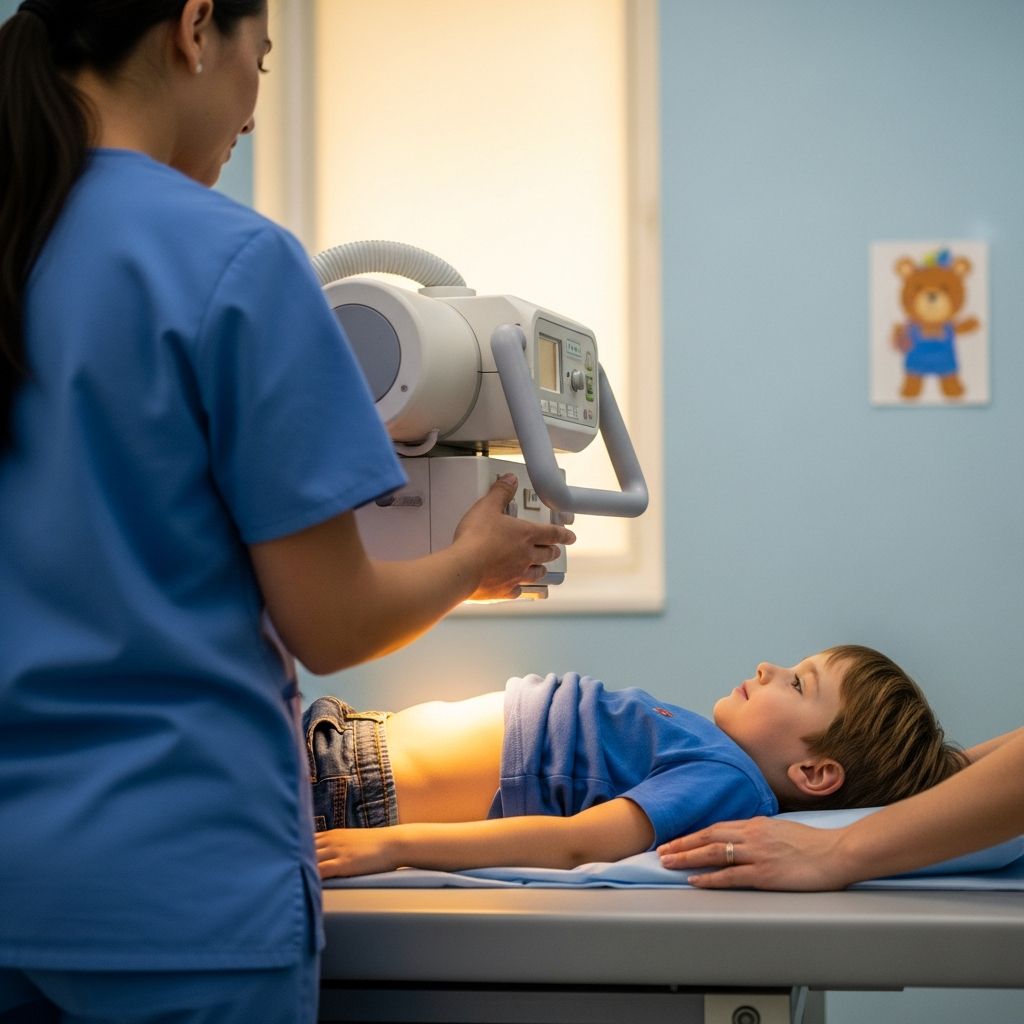
During a medical visit, the clinician will ask detailed questions about your child’s symptoms, recent exposures, diet, and any sick contacts. A physical exam focuses on hydration status, abdominal tenderness, and overall appearance.
- In many cases, no laboratory tests are needed, especially if the illness is mild and improving.
- Stool tests may be ordered if symptoms are severe, prolonged, or involve blood in the stool.
- Blood tests and imaging are reserved for complicated or unclear cases.
Treatment recommendations are then tailored to your child’s age, severity of illness, and suspected cause.
Preventing Gastroenteritis in Your Family
Not every episode of gastroenteritis can be prevented, but several practical habits greatly reduce the risk of infection and spread within a household.
Hand and Hygiene Habits
- Teach children to wash hands with soap and water after using the bathroom, before eating, and after playing outside.
- Help younger children scrub for at least 20 seconds, including between fingers and around nails.
- Use alcohol‐based hand sanitizers when soap and water are not readily available, but do not rely on them alone for visibly dirty hands.
Food and Kitchen Safety
- Cook meat, poultry, and eggs thoroughly to safe internal temperatures.
- Refrigerate leftovers promptly and avoid foods that have been left at room temperature for extended periods.
- Use separate cutting boards for raw meats and ready‐to‐eat foods.
- Encourage children to drink safe, treated water, especially when traveling.
Limiting the Spread at Home
- Keep sick children home from school, daycare, and activities until vomiting has stopped and diarrhea is improving.
- Disinfect frequently touched surfaces, such as bathroom fixtures, doorknobs, light switches, and toys.
- Use gloves or tissues when cleaning up vomit or stool, and wash hands carefully afterward.
- Do not share cups, utensils, or towels during and shortly after an illness.
Vaccination Where Available
In some regions, vaccines are available to protect against certain viruses that commonly cause gastroenteritis in infants and young children. Talk with your child’s healthcare provider about recommended vaccines and the appropriate schedule.
Frequently Asked Questions (FAQs)
Is gastroenteritis the same as food poisoning?
Gastroenteritis and food poisoning can look very similar because both cause vomiting, diarrhea, and stomach pain. Food poisoning usually happens after eating or drinking something contaminated with bacteria, viruses, or toxins, and symptoms may start quickly after a specific meal. Gastroenteritis is a broader term that includes infections from many sources, not just food.
How long does gastroenteritis usually last in children?
Most children start to feel noticeably better within a few days. Vomiting often settles within the first 24–48 hours, while diarrhea can linger for several days longer as the intestines recover. If symptoms are not improving after a week, or are getting worse at any time, a healthcare provider should be consulted.
Can my child go to school with mild diarrhea?
It is best to keep your child home if diarrhea is frequent, if there has been recent vomiting, or if they cannot participate comfortably in usual activities. Returning too quickly may spread germs to classmates and can be exhausting for your child. Schools and childcare centers often have specific guidelines, so checking their policies is helpful.
Should I stop giving my child milk during a stomach bug?
Some children temporarily have trouble digesting lactose after a bout of gastroenteritis, which can make diarrhea slightly worse. For infants, continuing breast milk is usually encouraged. For older children who drink cow’s milk, a short period of reduced dairy intake may be recommended if diarrhea is persistent, but this decision is best made with input from a healthcare provider.
When is it safe to assume my child is no longer contagious?
Most children are more contagious while they have active vomiting and frequent diarrhea. Many viruses can still be shed in the stool for days after symptoms improve, so good handwashing remains important even after your child seems well. As a general rule, keeping kids home until they are fever‐free and able to eat and drink normally, with clearly improving stools, helps protect others.
Key Takeaways for Parents
- Gastroenteritis is very common in children and usually improves on its own, but dehydration can be serious.
- Focus on replacing fluids with small, frequent sips of appropriate drinks, and watch closely for signs of worsening dehydration.
- Most medicines play a minor role; professional advice is essential before using over‐the‐counter treatments in young children.
- Good hygiene, safe food handling, and keeping sick kids home are powerful tools for preventing spread.
With calm observation, thoughtful home care, and timely medical support when needed, most children recover fully from gastroenteritis and are back to their usual energy and appetite within a short time.