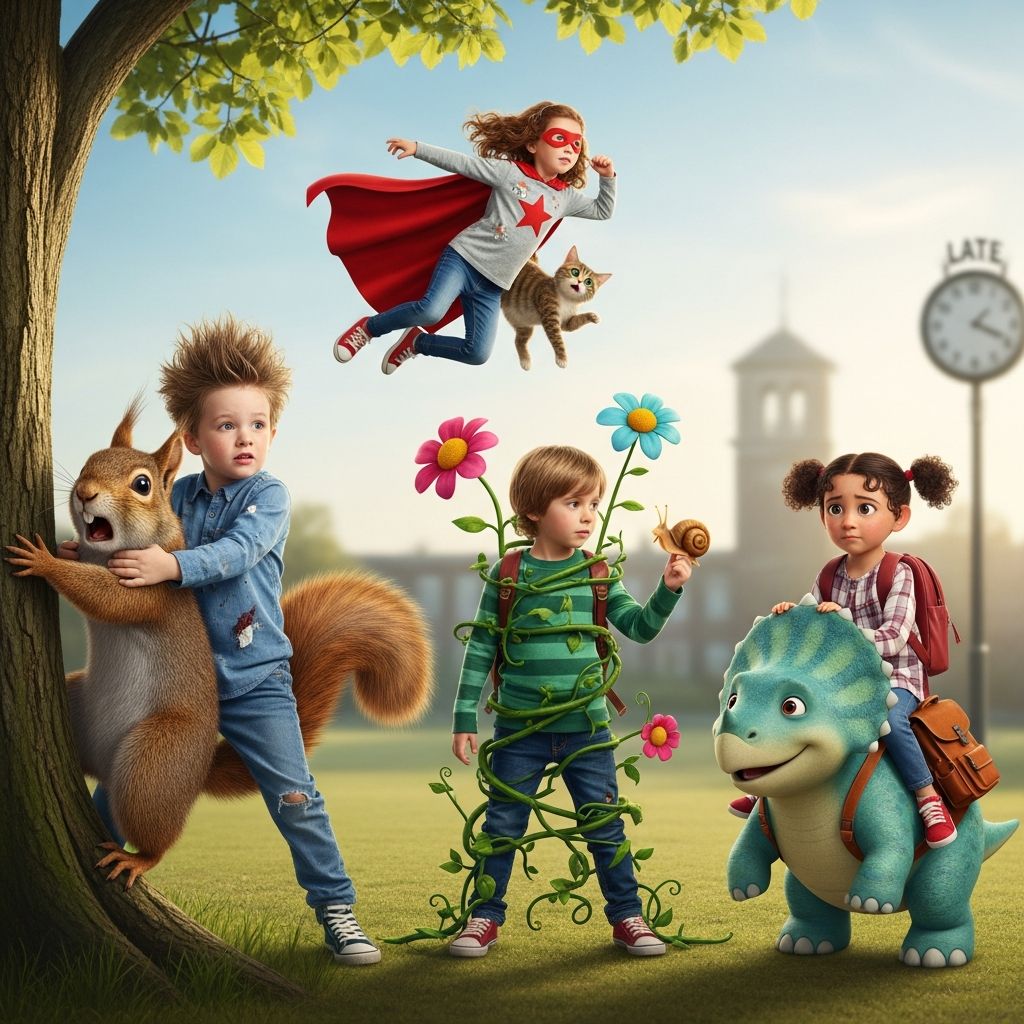
Every parent has experienced the frantic morning rush, only to hear a wildly imaginative excuse from their child about why they’re late for school. These stories, often shared by teachers and parents alike, range from the absurdly relatable to the downright comical. While they provide comic relief, they also shed light on common household challenges that disrupt daily schedules.
The Classic Oversleeping Epidemic
Oversleeping tops the list as the most frequent culprit behind school tardiness, affecting kids and parents equally. Children blame alarm clocks that “didn’t go off,” while parents confess to hitting snooze one too many times themselves. One common tale involves entire families entangled in a web of extended sleep, where waking up becomes a group effort fraught with delays.
Imagine a child declaring, “The sun wasn’t up yet, so I thought it was still nighttime!” Such innocence highlights how young minds interpret time. In reality, inconsistent bedtimes and screen time before bed contribute heavily, disrupting natural sleep cycles, especially in adolescents whose biological clocks shift later.
- Alarm ignored because “it was too loud and scared me back to sleep.”
- Parents sleeping through their own wake-up calls, leaving kids to fend for themselves.
- Debates over whose turn it is to make breakfast, stretching minutes into hours.
Bathroom Battles and Grooming Gone Wrong
Bathrooms often turn into battlegrounds where minutes vanish. Kids emerge with tales of epic struggles: endless hair styling sessions, wardrobe malfunctions, or mysterious plumbing issues. Teachers report excuses like “I had to wait for my sibling to finish a marathon shower” or “My toothbrush betrayed me by hiding.” These moments underscore the need for structured morning hygiene routines.
Beyond humor, prolonged bathroom time can signal deeper issues like anxiety over appearance, common in school-aged children facing peer pressure. Establishing time limits and preparing outfits the night before can prevent these delays.
| Common Bathroom Excuse | Funny Twist | Quick Fix |
|---|---|---|
| Hair took forever to dry | “It was rebelling against the brush!” | Air-dry or night prep |
| Shower ran too long | “I discovered a new song playlist.” | Timer on devices |
| Outfit didn’t match | “My socks fought each other.” | Choose clothes ahead |
Sibling Squabbles and Family Fiascos
Nothing derails a morning like sibling rivalry. Fights over the last waffle, arguments about who sits shotgun, or one child refusing to let the other use the bathroom first—these scenarios are legendary. Parents recount tales where older siblings dawdle to tease younger ones, or vice versa, turning the household into chaos central.
Family dynamics play a big role; when parents are juggling work, multiple kids, or personal fatigue, punctuality suffers. Excuses like “My brother hugged every kid on the way to class” add a layer of hilarity to the mayhem. To counter this, family meetings to assign roles—such as one child packing lunches while another feeds the pet—can streamline operations.
Food Frenzies and Breakfast Blunders
Hunger strikes at the worst times lead to creative delays. Kids insist on gourmet breakfasts, from elaborate cereal art to demands for fresh bakery runs. “We stopped for donuts because cereal was boring” is a frequent offender. These pit stops at coffee shops extend commutes, prioritizing taste over time.
Nutrition experts recommend quick, nutritious options like overnight oats or smoothies to satisfy without sacrificing speed. Yet, the joy of a family breakfast often clashes with school bells, creating a delicate balance.
Transportation Troubles and Outdoor Obstacles
Once out the door, external hurdles await. Bus delays, bike tire flats, or “my shoe flew off mid-run” provide endless excuses. Rural families face longer drives, while urban ones battle traffic or public transit woes. Weather exacerbates everything—rain means lost umbrellas, snow means snowball fights.
Serious barriers like unreliable rides highlight inequities; low-income students often miss school due to these systemic issues, not laziness. Schools with later start times see fewer transportation-related lates, as teens get more sleep.
Pet Problems and Animal Antics
Pets add unpredictable flair. “The dog ate my homework—and my shoes, so I had to find new ones” evolves into full mornings chasing escaped cats or walking demanding dogs. These loyal companions demand attention right when families need to leave, leading to tardy slips.
Pro tip: Exercise pets the evening before or enlist older kids for quick walks. The laughter from these excuses reminds us of the warmth pets bring, even if it costs punctuality points.
Fashion Faux Pas and Style Statements
Appearance obsessions peak in tweens and teens. “I couldn’t crease my new sneakers by walking fast” or “Outfit needed 17 mirror checks” are gems. Social media fuels perfectionism, where looking Instagram-ready trumps arriving on time.
Encourage capsule wardrobes for faster choices. While style matters for confidence, balance it with time management lessons.
Tech Temptations and Gadget Glitches
Screens steal mornings: one more TikTok video, charger hunts, or “My phone died, so I lost track of time.” Devices buzz with notifications, derailing focus.
Set charging stations away from bedrooms and no-phone mornings to reclaim time. Digital detoxes teach discipline amid tech’s pull.
When Lateness Signals Something Serious
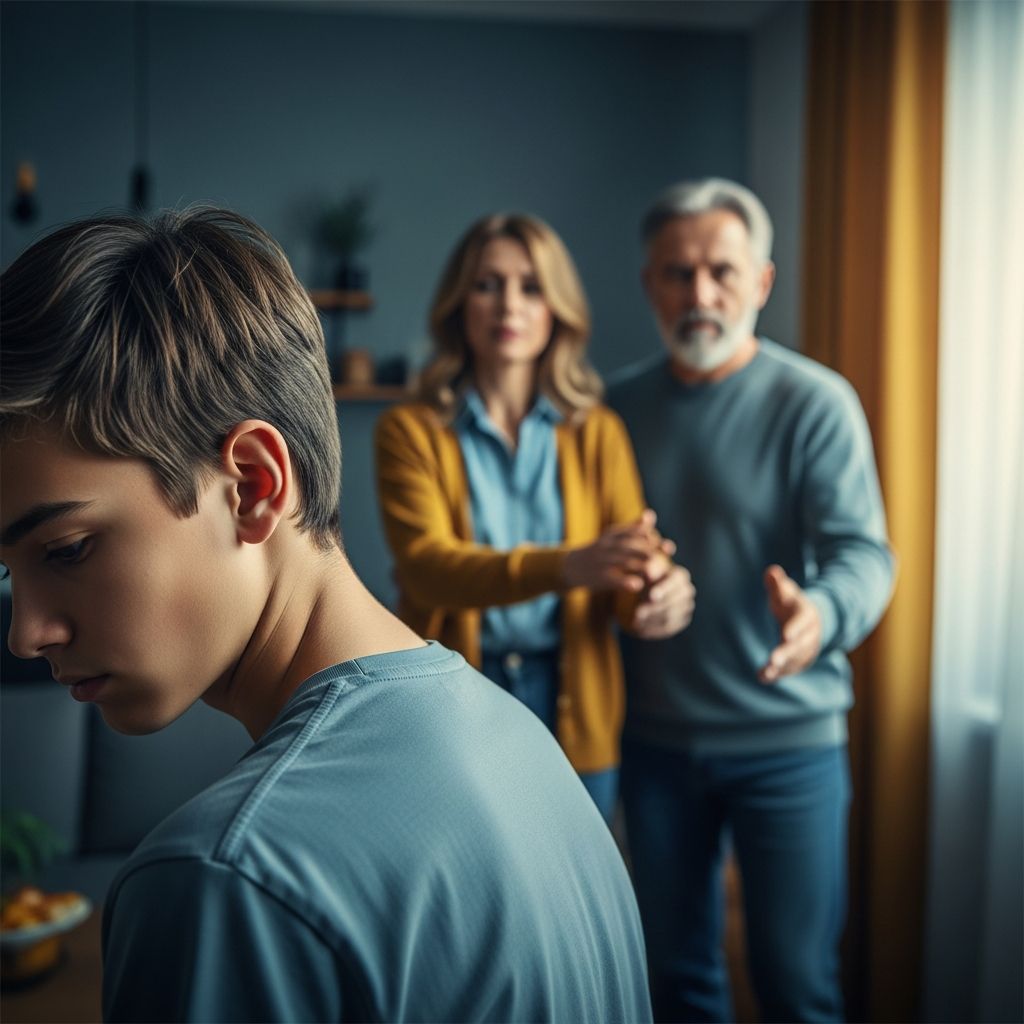
Not all excuses are funny; chronic tardiness often masks mental health struggles like anxiety or depression, where school feels overwhelming. Signs include consistent patterns, withdrawal, or vague explanations. Family instability, bullying, or health issues amplify risks, linking to higher dropout rates.
Educators note aversion to specific classes or peers as red flags. Approach with empathy: talk openly, connect to counselors, and track patterns without immediate punishment.
Practical Strategies to Beat the Morning Rush
Turn chaos into clockwork with these tips:
- Prep the Night Before: Lay out clothes, pack bags, set lunches.
- Visual Timers: Sand timers or apps gamify routines.
- Reward Systems: Stickers or privileges for on-time arrivals.
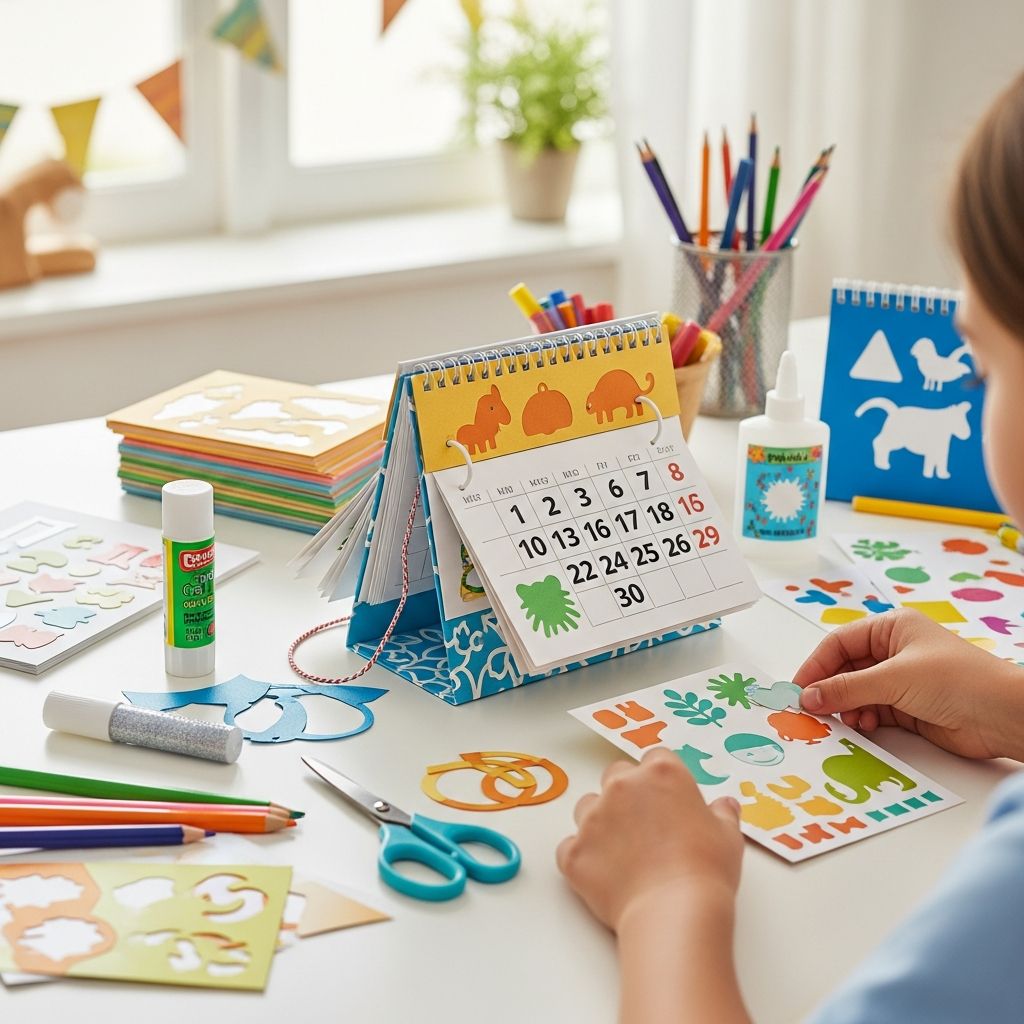
- Family Calendar: Shared schedules prevent surprises.
- Earlier Bedtimes: Align with age-appropriate sleep needs.
Schools can help with flexible policies, mental health check-ins, and transportation aid.
Frequently Asked Questions (FAQs)
What are the most common funny excuses for being late to school?
Oversleeping, bathroom marathons, sibling fights, and pet escapades top the charts, often delivered with straight-faced sincerity.
How can parents prevent chronic school tardiness?
Establish routines, prep ahead, monitor mental health, and use positive reinforcement. Address root causes like anxiety promptly.
Is tardiness a sign of bigger problems in kids?
Yes, frequent lateness can indicate mental health issues, bullying, or family challenges. Watch for patterns and intervene early.
Should schools punish students for being late?
Punitive measures often fail; understanding and support work better, especially for deeper issues.
How much sleep do school kids need?
9-12 hours for ages 6-12, 8-10 for teens. Later school starts reduce oversleeping lates.
References
- The Funniest and Strangest Excuses for Being Late to School — TeacherTapp. Accessed 2026. https://teachertapp.com/articles/the-funniest-and-strangest-excuses-for-being-late-to-school/
- Solutions to Tardiness: Why Students Are So Late to School (Part 1) — Lightspeed Systems. Accessed 2026. https://www.lightspeedsystems.com/blog/solutions-to-tardiness-why-students-are-so-late-to-school-part-1/
- Child Constantly Late for School? — GoStudent. Accessed 2026. https://www.gostudent.org/en-gb/blog/child-constantly-late-for-school
- Why Your Child is Reluctant to go to School — Parenting.org. Accessed 2026. https://www.parenting.org/articles/-why-your-child-is-reluctant-to-go-to-school
- Identify the root causes of absence — Attendance Works. Accessed 2026. https://www.attendanceworks.org/chronic-absence/addressing-chronic-absence/3-tiers-of-intervention/root-causes/