Understanding Modern Childhood: Freedom Within Structure
Parenting in contemporary society presents a unique paradox. We want our children to grow into respectful, responsible adults, yet we also recognize the irreplaceable value of authentic childhood experiences. The challenge lies not in choosing between these goals, but in understanding how they can coexist harmoniously. Teaching children to be conscientious members of society does not require sacrificing their right to be carefree, playful, and genuinely young.
The phrase \”kids will be kids\” has evolved considerably over decades. What once referred to children getting dirty playing outdoors now encompasses a broader understanding of childhood development. Yet the core principle remains unchanged: children possess an inherent nature that drives them toward exploration, play, and learning through experience. Rather than fighting against this fundamental aspect of childhood, effective parenting channels this energy constructively.
The Foundation: Teaching Values Without Suppressing Joy
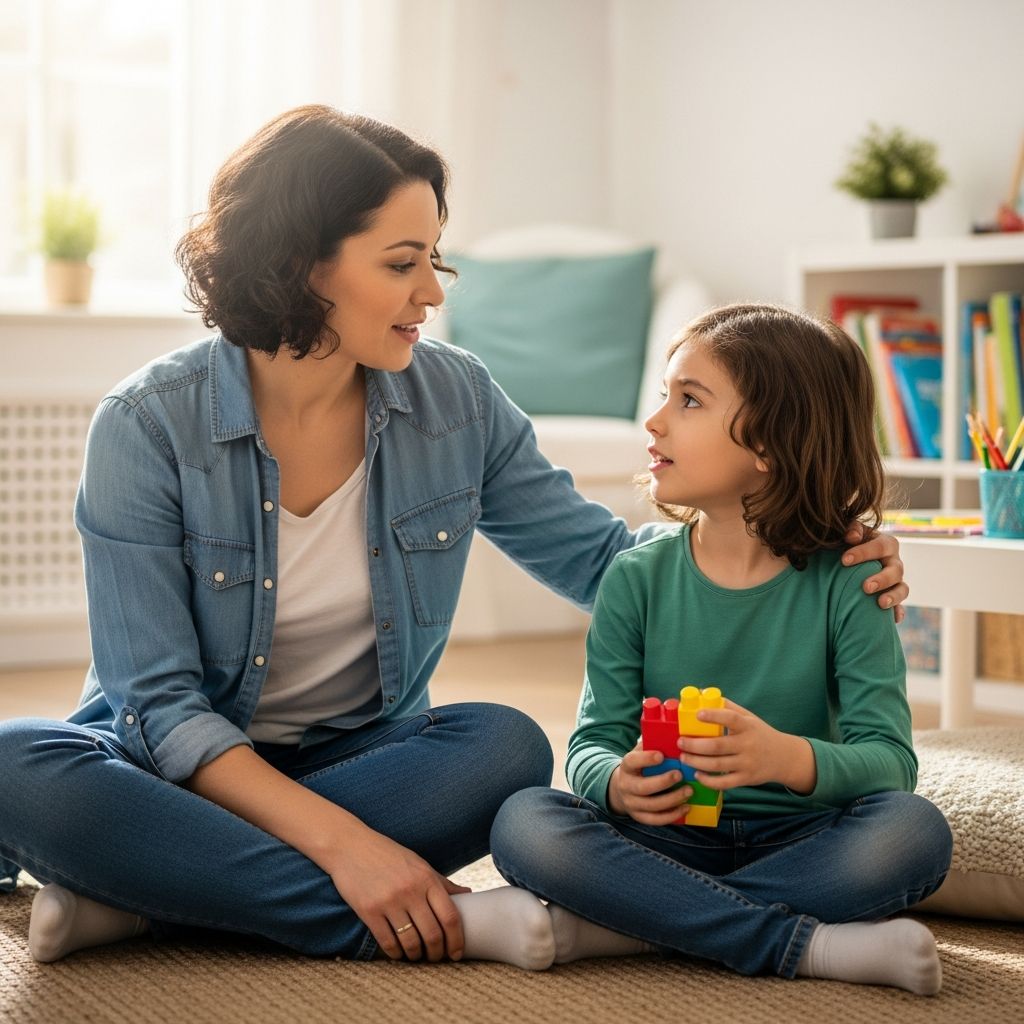
Instilling respect and kindness in children represents a cornerstone of parenting. These values form the basis for healthy social interactions, emotional intelligence, and future success in various life domains. However, teaching these principles does not mean children must become miniature adults, constantly monitoring their behavior and suppressing natural enthusiasm.
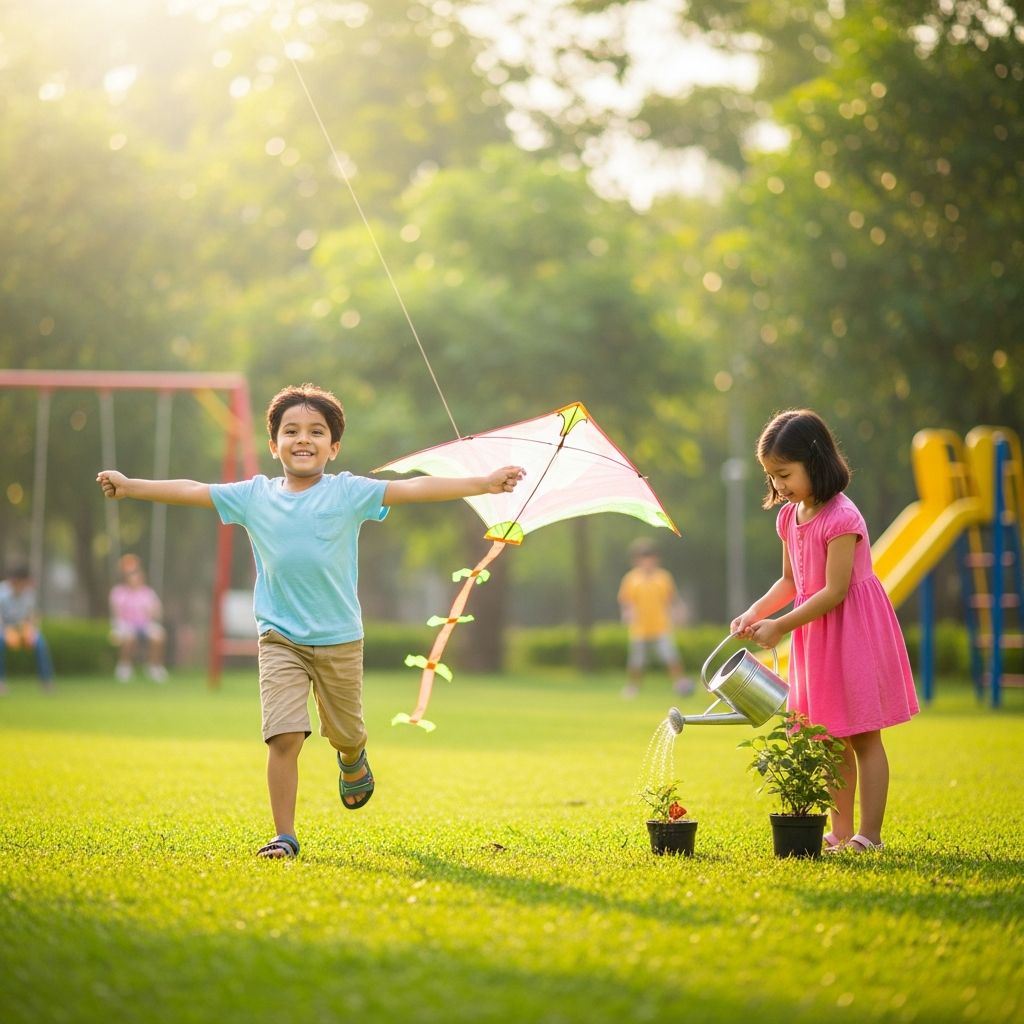
Respectful children can still laugh loudly while riding bicycles through neighborhoods. They can occasionally emit enthusiastic whoops and hollers without undermining the lessons about appropriate behavior in different settings. The distinction lies in helping children understand context and appropriateness while validating their youthful exuberance as a healthy expression of childhood.
Consider the practical application of teaching respect: children learn to make eye contact during handshakes, to offer their seats to elderly individuals on public transportation, to say please and thank you, and to avoid disruptive behavior in inappropriate spaces. These lessons need not be delivered through strict, joyless training. Instead, they become part of a child’s growing understanding of how their actions affect others and how they can be both kind and spirited simultaneously.
The Contemporary Challenge: Overscheduling and Stress
Modern family life often involves a relentless pace that can inadvertently strip childhood of its spontaneity and joy. Between school schedules, extracurricular activities, homework commitments, and structured playdates, many children experience stress levels comparable to adults managing demanding careers. Parents, caught in their own demanding schedules, may inadvertently pass this pressure to their children.
This \”rat race\” mentality, as some parenting experts describe it, creates an environment where children feel constantly evaluated, scheduled, and directed. They lose opportunities for unstructured play, imaginative exploration, and the simple act of being bored—which, counterintuitively, often sparks creativity and self-directed learning.
The consequences of excessive structure extend beyond mere unhappiness. Children who never experience downtime may struggle with self-regulation, creative problem-solving, and the ability to entertain themselves. They may develop anxiety around performance and perfectionism that follows them into adulthood. More fundamentally, they miss out on the essential experience of childhood itself.
Creating Space for Authentic Childhood Experiences
Allowing children to be kids requires intentional choices and sometimes counterintuitive decisions. It means recognizing that not every moment requires structured learning or measurable outcomes. It means permitting children to:
- Eat when hunger strikes, rather than adhering rigidly to scheduled mealtimes
- Express emotions—including crying, frustration, and exuberance—without immediate correction
- Engage in imaginative play without predetermined endpoints or educational objectives
- Experience natural consequences of minor mistakes within safe parameters
- Pursue interests that emerge organically rather than only those selected by parents
- Have unscheduled time for daydreaming, wandering, and self-directed exploration
These seemingly simple allowances represent profound shifts in parenting philosophy. They acknowledge that childhood development occurs through play and experience, not solely through instruction. They recognize that joy and responsibility are not opposing forces but complementary aspects of healthy development.
The Role of Parental Modeling
Children internalize parenting approaches most effectively through observation and modeling rather than through direct instruction alone. Parents who rush through life in constant stress mode send messages about what matters and how to navigate the world. Conversely, parents who occasionally pause to appreciate a sunset, laugh freely, or engage in playful activities demonstrate that joy and responsibility can coexist.
This doesn’t suggest parents should abandon their responsibilities or model irresponsibility. Rather, it involves demonstrating balanced living—being dependable and conscientious while also enjoying life, taking breaks, and occasionally acting silly. When children witness their parents valuing play, relationships, and presence alongside productivity and achievement, they absorb a healthier worldview about what constitutes a fulfilling life.
Finding Your Family’s Unique Balance
No universal formula applies to every family, as each has different values, circumstances, and needs. Some families thrive with more structure, while others flourish with greater flexibility. The critical question isn’t whether to follow a specific parenting model, but rather whether the current approach actually serves the family’s wellbeing.
Parents might consider asking themselves:
- Do my children seem genuinely happy, or primarily stressed and compliant?
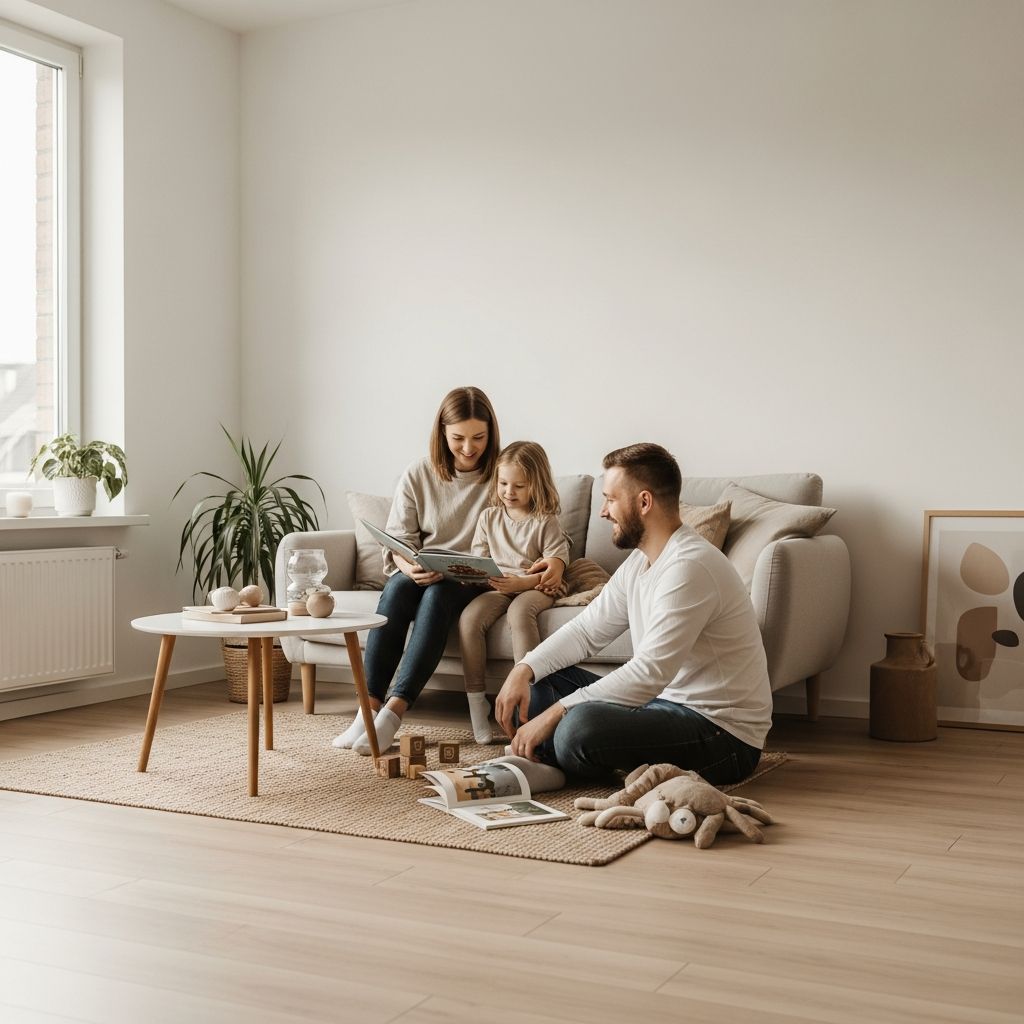
- Do we have regular time for unstructured family connection?
- Am I imposing my own childhood experiences or current anxieties onto my children’s lives?
- Are my expectations realistic for their developmental stage?
- Do my children have freedom to be playful and silly, or must they maintain constant \”appropriate\” behavior?
Honest answers to these questions can illuminate whether adjustments might benefit the family system. Small changes—like reducing one activity, establishing a \”no-screens\” evening weekly, or creating a backyard space for uninstructed play—can significantly impact family stress levels and childhood satisfaction.
Responsibility and Freedom: Not Opposing Forces
An important realization for many parents involves understanding that allowing children freedom and teaching responsibility need not be contradictory. A child who experiences natural consequences while being physically safe learns cause-and-effect relationships far more effectively than one subjected to constant parental control.
Similarly, children permitted to make age-appropriate choices develop decision-making skills and confidence. They learn to trust their instincts and take responsibility for outcomes. A seven-year-old who decides to wear shorts on a cool day and then feels cold has learned more about weather preparation than countless parental warnings could convey.
The safety-autonomy balance shifts as children mature. Toddlers require close supervision and clear boundaries for their physical safety. School-age children can navigate wider independence with periodic check-ins. Adolescents need opportunities to make increasingly significant choices with guidance rather than control. Throughout all stages, children can be both safe and genuinely free to be themselves.
Long-Term Benefits of Childhood Authenticity
Research in child development consistently demonstrates that children who experience supportive freedom alongside appropriate guidance develop stronger self-esteem, better emotional regulation, more resilience, and healthier relationships than children raised under rigid control or perfectionist expectations. These children tend to maintain closer relationships with parents into adulthood because they don’t associate parental involvement with constant criticism or suppression of their authentic selves.
Furthermore, children who experience genuine childhood—with its play, exploration, occasional messiness, and freedom to simply be—often become adults with better-developed creativity, problem-solving abilities, and capacity for joy. They haven’t learned to prioritize achievement above all other values or to experience their worth as dependent on performance.
Parenting with Confidence and Grace
Perhaps the most radical act in contemporary parenting involves refusing to apologize for allowing children their childhood. This doesn’t mean permitting harmful behavior or ignoring teaching opportunities. Rather, it means confidently asserting that children belong in the world and their natural behaviors—enthusiasm, spontaneity, occasional loudness, curiosity-driven exploration—are acceptable parts of normal human development.
Parents need not feel defensive about their children laughing enthusiastically, moving energetically, or expressing joy audibly. These expressions of childhood represent health and vitality, not problems requiring correction. The goal involves teaching children when different behaviors suit different contexts, not eliminating their youthful nature entirely.
Frequently Asked Questions
How do I teach my children to be respectful while still allowing them to be playful?
Respect and playfulness aren’t mutually exclusive. Teach context-appropriate behavior by explaining why certain actions suit specific situations—for example, loud play works in parks but quiet behavior is needed in libraries. Children can learn these distinctions while maintaining their natural enthusiasm and joy in appropriate settings.
What if my child’s behavior bothers other people?
Consider whether the behavior is actually problematic or whether others have unrealistic expectations of children. Normal childhood activities—running, laughing, occasional loudness—shouldn’t require constant suppression. If genuine issues arise, address them through teaching rather than shame, helping your child understand impact and develop better choices.
How do I balance letting kids be kids with preparing them for adult responsibilities?
Balance develops through age-appropriate expectations and natural consequences. Young children need play and freedom; as they mature, gradually increase responsibilities and expectations. Children who experienced genuine childhood typically become more responsible adults because they weren’t over-controlled or anxious about performance.
Should I reduce my child’s activities to give them more downtime?
Consider your family’s stress levels and happiness. If constant scheduling creates stress rather than enrichment, reducing commitments often improves wellbeing. Quality experiences matter more than quantity, and unstructured family time provides irreplaceable benefits.
How do I know if my parenting approach is working?
Observe your children’s overall happiness, emotional regulation, and willingness to connect with you. Children thriving under your approach typically show genuine joy, express emotions openly, maintain strong family bonds, and develop increasing competence and confidence naturally.
References
- Child Development and Parenting Approaches — American Psychological Association. 2024. https://www.apa.org/science/about/psa/parenting
- Play in Child Development — UNICEF. 2024. https://www.unicef.org/early-childhood-development/play
- Childhood Stress and Mental Health — Centers for Disease Control and Prevention. 2025. https://www.cdc.gov/ncbddd/children/childhood-stress.html
- The Importance of Unstructured Play — American Academy of Pediatrics. 2025. https://www.healthychildren.org/English/ages-stages/preschool/pages/the-importance-of-play.aspx