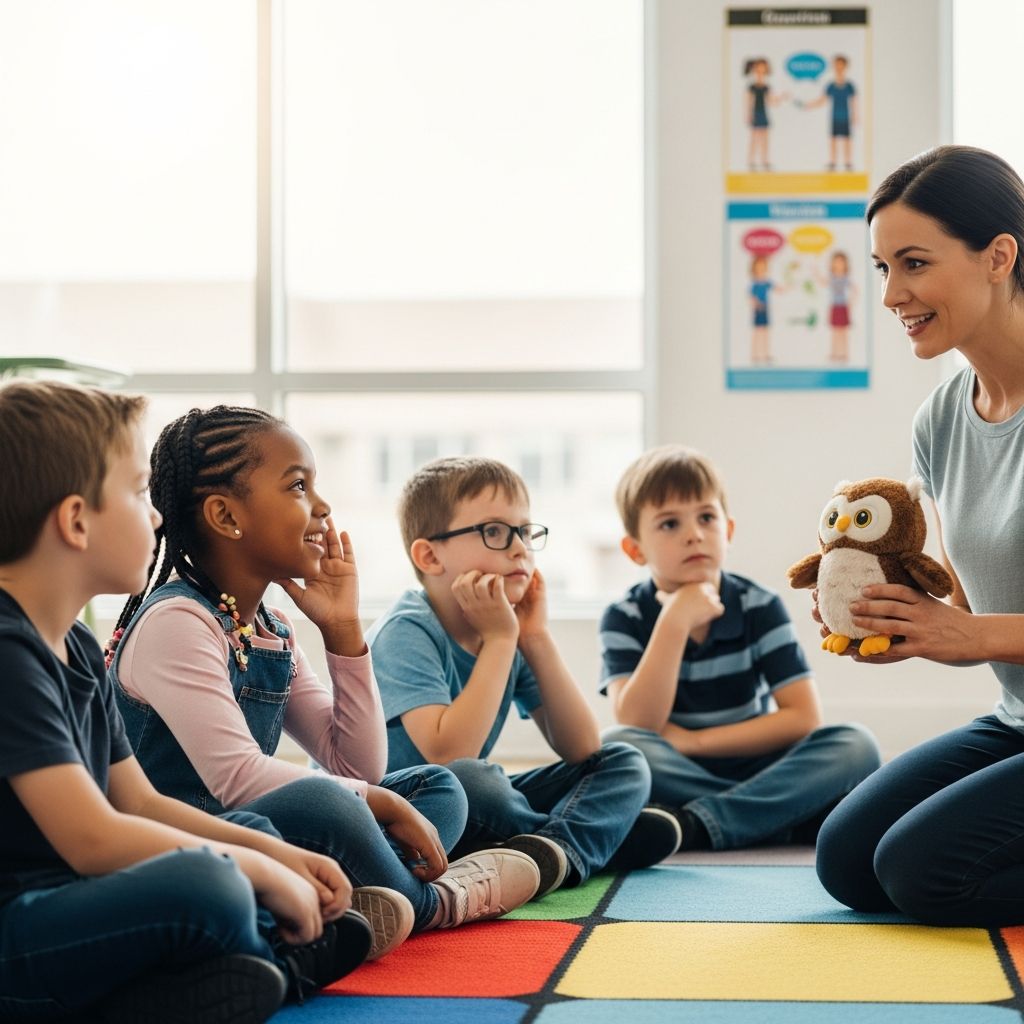
Parenting often involves guiding children toward better behavior, and one powerful tool is the thoughtful use of consequences. When delivered effectively, consequences teach responsibility and encourage listening without resorting to yelling or punishment. This approach builds a stronger parent-child relationship while helping kids understand the impact of their actions.
Understanding the Power of Consequences in Parenting
Consequences differ from punishments by focusing on learning rather than retribution. They connect a child’s choice directly to its outcome, promoting self-regulation and accountability. Research from child development experts emphasizes that positive discipline strategies, including logical consequences, lead to improved behavior and emotional health.
For instance, if a child leaves toys out, a natural consequence might be stepping on them later, while a logical one could involve extra cleanup time. This method empowers children to make better decisions over time.
Establishing Firm Foundations with Clear Rules
Children listen best when expectations are unambiguous. Start by defining household rules using simple, positive language tailored to their age. Instead of vague commands like “Behave,” specify “Walk inside to keep everyone safe.”
- Involve kids in rule creation to boost ownership.
- Display rules visually, such as on a family chart.
- Review rules during calm moments, not mid-conflict.
Consistency across caregivers is crucial; mixed messages confuse children and undermine authority.
The Role of Positive Reinforcement Alongside Consequences
While consequences address missteps, praising good behavior reinforces listening. Specific feedback like “Thank you for putting your shoes away right away—that helped us leave on time!” is more impactful than generic praise.
Balance is key: use rewards sparingly to avoid dependency, focusing instead on intrinsic motivation. A table of reinforcement ideas can help:
| Behavior | Positive Response |
|---|---|
| Completes chore promptly | “Great job finishing quickly—you’re reliable!” |
| Follows instructions first time | High-five or sticker on a chart |
| Handles frustration calmly | “I appreciate how you took a deep breath.” |
This duo of reinforcement and consequences creates a supportive environment.
Crafting Natural and Logical Consequences
Natural consequences occur organically, like getting hungry after skipping snack time, teaching cause-and-effect without parental intervention. Logical consequences are parent-guided but related, such as no bike ride if homework isn’t done first.
Tips for effectiveness:
- Ensure direct link: No dessert if dinner isn’t eaten (hunger-related).
- Apply immediately and calmly to maximize learning.
- Avoid essentials like meals or sleep as leverage.
These methods reduce resistance and encourage proactive choices.
Staying Calm: The Key to Delivery
A soft, firm tone prevents escalation. Yelling models poor emotional control and erodes respect. Instead, state the expectation and consequence neutrally: “If the toys aren’t picked up by bedtime, they go in timeout until tomorrow.”
Model composure by apologizing for your own slip-ups, showing accountability. This teaches children that everyone learns from mistakes.
Consistency: The Backbone of Lasting Change
Inconsistent enforcement invites testing boundaries. Align with co-parents or caregivers on rules and outcomes. If a child delays compliance, gently require acknowledgment like “Yes, I’ll do it now,” to affirm immediate response.
Track progress with a simple journal to stay committed during tough phases.
Active Listening to Uncover Root Causes
Misbehavior often signals unmet needs. Practice active listening by kneeling to eye level, reflecting feelings: “You seem upset about sharing the game. Let’s figure this out.” This de-escalates and builds trust.
Address patterns, like jealousy sparking defiance, through open talks rather than snap consequences.
Modeling Desired Behaviors Daily
Kids mimic parents, so demonstrate listening and respect in your actions. Use polite requests, solve problems collaboratively, and handle stress gracefully. When you say, “I need a moment to calm down,” you teach healthy coping.
Empowering Kids with Problem-Solving Tools
Shift from dictating to guiding: “What can we do so both get turns with the toy?” This fosters independence and reduces future conflicts. Start small for young kids, expanding as they grow.
Age-Appropriate Adaptations
Tailor approaches by developmental stage:
| Age Group | Strategy Focus | Example |
|---|---|---|
| 0-2 Years | Distraction & modeling | Redirect from danger with a toy |
| 3-5 Years | Simple choices & natural outcomes | “Coat on or feel cold outside” |
| 6-10 Years | Logical consequences & discussions | Lost privileges for unfinished tasks |
Adjust for maturity to ensure understanding.
Common Mistakes and How to Avoid Them
- Over-explaining: Keep instructions concise; repeat only once.
- Empty threats: Follow through every time.
- Power struggles: Offer two acceptable choices to restore control.
- Ignoring good behavior: Attention fuels positive actions.
Frequently Asked Questions (FAQs)
What if my child ignores consequences?
Reassess if it’s age-appropriate and consistently applied. Increase logical links and pair with positive reinforcement for better results.
How soon do I see improvements?
Changes vary; consistency over weeks yields habits. Patience is essential.
Does this work for strong-willed kids?
Yes, with firm empathy. Focus on choices to avoid battles.
Should I use time-outs?
As a brief reset if related to behavior, but combine with teaching.
What about teens?
Emphasize natural consequences like missed opportunities, involving them in solutions.
Long-Term Benefits for Family Dynamics
Implementing these strategies cultivates respectful, self-reliant children. Families report fewer arguments, deeper bonds, and smoother routines. Track small wins to stay motivated—progress builds momentum.
Parenting evolves, so refine techniques as kids grow. Resources from pediatric organizations reinforce these evidence-based practices.
References
- 7 Effective Strategies for Positive Discipline: A Nurturing Approach — Nurturing Parenting. 2023. https://www.nurturingparenting.com/blog/7-effective-strategies-for-positive-discipline-a-nurturing-approach/
- 5 Ideas for Raising an Obedient Child — Children Central. 2023. https://childrencentral.net/obedient-child/
- What’s the Best Way to Discipline My Child? — American Academy of Pediatrics (healthychildren.org). 2024-01-15. https://www.healthychildren.org/English/family-life/family-dynamics/communication-discipline/Pages/Disciplining-Your-Child.aspx
- Tips for Using Discipline and Consequences — Centers for Disease Control and Prevention (CDC). 2024-02-01. https://www.cdc.gov/parenting-toddlers/discipline-consequences/index.html
- Positive Discipline for Young Children — Canadian Paediatric Society. 2023. https://caringforkids.cps.ca/handouts/behavior-and-development/positive-discipline-for-young-children