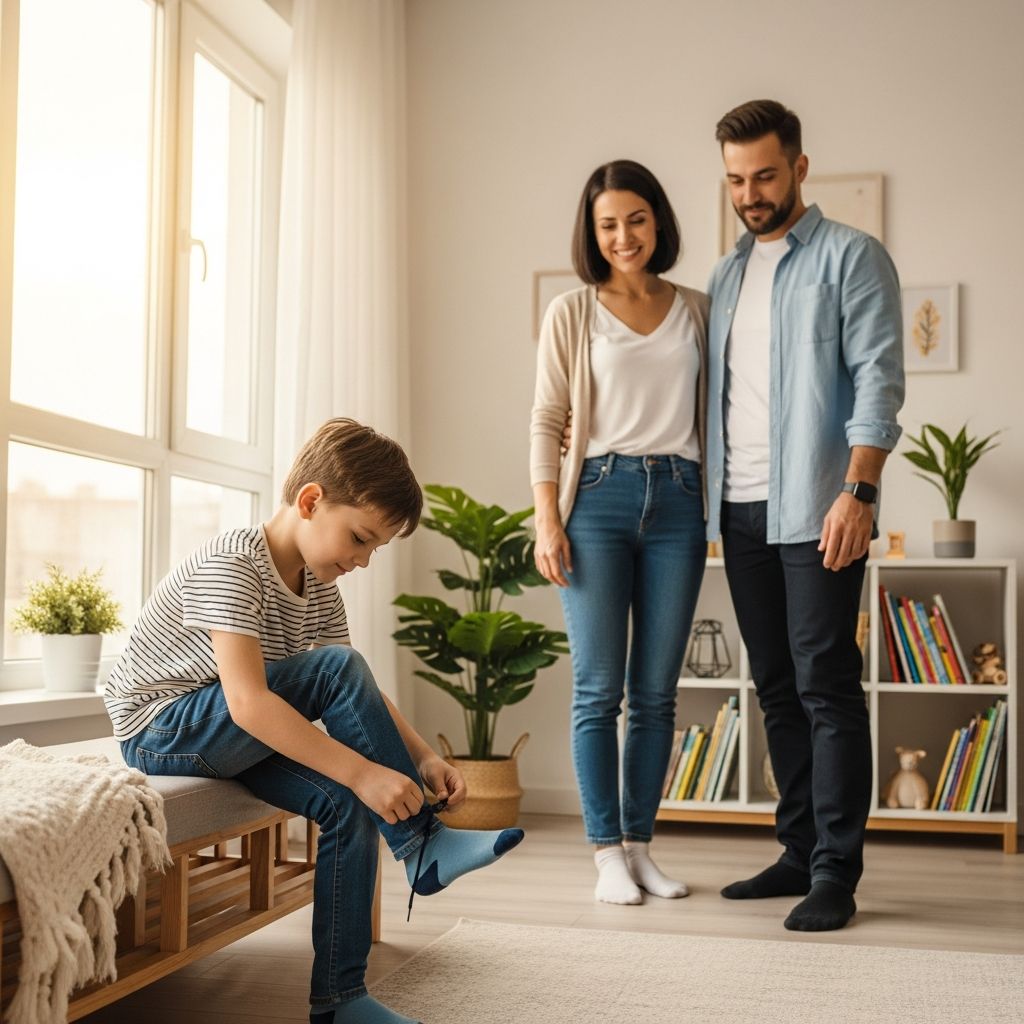
Understanding the Philosophy of Independent Child Development
The way parents approach supervision and oversight has shifted dramatically over recent decades. Where earlier generations allowed children considerable freedom to explore their neighborhoods and solve problems independently, modern parenting has increasingly trended toward constant monitoring and intervention. This shift has prompted many child development experts and parents to reconsider what balance truly looks like. A philosophy focused on fostering independence encourages parents to step back strategically, allowing children to navigate challenges, make decisions, and learn from natural consequences while still maintaining appropriate safety guardrails.
This approach differs fundamentally from neglect. While negligent parenting involves the chronic absence of necessary care, attention, and provision of basic needs, independent-focused parenting maintains engaged and present parents who deliberately choose when to step back. The distinction is critical: parents using this method are making intentional choices about which situations warrant direct intervention and which ones present valuable learning opportunities.
Core Components of Independence-Focused Parenting
Successfully implementing a philosophy that emphasizes independence requires understanding its foundational elements. Parents who adopt this approach restructure their daily interactions, decision-making processes, and environmental setup to create space for children to develop capability.
- Unscheduled exploration time: Children receive designated periods to play, explore, and engage with their environment without adult direction or constant supervision. This might include riding bicycles around the neighborhood, visiting local parks independently, or simply spending time outdoors without structured activities.
- Problem-solving responsibility: Rather than immediately resolving conflicts or challenges, parents guide children toward identifying solutions themselves. When a child encounters a disagreement with a peer or faces an obstacle, the parent asks questions that help the child think through potential approaches rather than implementing solutions directly.
- Age-appropriate skill building: Parents teach concrete safety skills and competencies—such as how to navigate public transportation, recognize traffic signals, respond to emergencies, or manage basic first aid—and then trust children to apply these skills in real situations.
- Natural consequence learning: When children face the natural outcomes of their choices—arriving late to school because they dawdled getting ready, or realizing they forgot supplies for a project—the brain processes these experiences differently than parental punishment might. This helps develop internal motivation and practical wisdom.
- Reduced technology-mediated monitoring: This approach typically involves less reliance on constant check-ins through phones, GPS tracking, or video monitoring, instead building trust through clear expectations and periodic communication.
Developmental Advantages of Greater Autonomy
Research into children’s independent mobility and autonomy reveals significant developmental benefits across multiple domains. When children spend time away from direct adult supervision, navigating their own challenges and making decisions, their development unfolds differently than in highly controlled environments.
Enhanced problem-solving capacity: Children who regularly encounter situations requiring independent solutions develop stronger critical thinking skills. When a child must figure out how to resolve a friendship conflict, find an alternate route home, or entertain themselves with available materials, they exercise their cognitive problem-solving muscles. This develops actual competence, not just theoretical knowledge about how problems might be solved.
Genuine confidence development: Confidence that comes from successfully handling challenges independently differs markedly from encouragement offered by parents. When a child climbs a tree they were unsure about, navigates a social situation without parental mediation, or solves a practical problem on their own, they internalize evidence of their own capability. This self-belief becomes resistant because it’s grounded in actual experience rather than external reassurance.
Resilience in face of setbacks: Children who experience failure, disappointment, and the need to persist without immediate rescue develop realistic attitudes about adversity. They learn that setbacks are temporary, survivable, and often lead to improved approaches on subsequent attempts. This builds psychological resilience that serves them throughout life.
Authentic personality emergence: When children have space to make choices about their activities, interests, and approaches, their individual personalities develop more fully. A child who decides whether to climb or swing, join a game or observe, create or organize, develops a stronger sense of their own preferences and identity compared to a child whose activities are highly directed.
Benefits for Mental and Physical Health
Beyond immediate behavioral and social benefits, research suggests this parenting approach influences broader health markers. Studies examining children’s independent mobility have identified correlations with improved mental health outcomes, reduced anxiety levels, and better physical fitness.
Anxiety reduction: Children who learn actual safety skills and encounter manageable challenges in supported environments develop more realistic threat assessment. Rather than viewing the world as inherently dangerous, they develop calibrated caution based on actual experience. This often results in lower baseline anxiety compared to children who have been protected from most challenges and uncertain situations.
Increased physical activity: When children have unstructured time and freedom to play outdoors without constant adult direction, they naturally engage in more physical activity. The lack of formal structure means children invent their own games, explore their environment physically, and move more than they might in organized activities or indoor settings.
Superior social development: Navigating peer relationships independently teaches children skills that formal social instruction cannot replicate. They learn to negotiate conflicts, manage group dynamics, handle exclusion, and build friendships without parental mediation. These experiences, while sometimes uncomfortable, develop genuine social competence.
Creativity stimulation: Unstructured time and space activate different cognitive processes than organized activities. Children with time to explore freely invent games, experiment with materials, solve problems creatively, and develop original ideas. This type of thinking differs from the more constrained cognition that emerges in highly structured, adult-directed settings.
Establishing Appropriate Boundaries and Safety
Implementing independence-focused parenting successfully requires establishing clear frameworks rather than relying on either unrestricted freedom or constant supervision. Parents serve as thoughtful architects of their child’s environment and opportunities.
Assessing readiness: Rather than allowing independence universally or withholding it completely, parents evaluate whether individual children have developed the maturity, judgment, and skills necessary for specific situations. A child ready to bike to a friend’s house may not yet be ready to navigate public transportation alone. This assessment changes over time as children develop.
Teaching before releasing: Parents who use this approach don’t simply throw children into unsupervised situations. They explicitly teach relevant skills—how to cross streets safely, respond to strangers appropriately, seek help when needed—and gradually increase independence as children demonstrate capability.
Creating safe exploration spaces: While the approach involves less supervision, it doesn’t mean unsafe environments. Parents identify neighborhoods, parks, and contexts appropriate for their child’s age and skill level, establishing reasonable geographic and contextual boundaries within which independence can develop.
Maintaining communication channels: Though constant check-ins aren’t part of this approach, clear communication about expectations, reasonable ways to contact adults if needed, and genuine interest in what children experience remains important. Parents remain available and engaged while avoiding intrusive monitoring.
Distinguishing Independence from Neglect
A fundamental concern about any approach emphasizing child autonomy involves the potential confusion with neglect. Understanding the distinction is essential for both practitioners and those evaluating this parenting philosophy.
Neglect involves the systematic failure to provide necessities—adequate food, shelter, medical care, emotional attention, and basic supervision. Neglectful parents are characteristically absent, disengaged, or indifferent to their children’s wellbeing. In contrast, parents implementing independence-focused approaches remain actively involved, make deliberate decisions about supervision levels, teach important skills, and maintain awareness of their children’s needs and safety.
The independence approach requires more parental thoughtfulness, not less. Parents must carefully assess their children’s readiness, teach necessary competencies, establish appropriate boundaries, and remain engaged with their children’s experiences and development. This demands significant parental presence and attention, even though visible supervision decreases.
Addressing Common Concerns
Parents considering more autonomy-focused approaches often encounter several recurring concerns worth addressing directly.
Safety in an uncertain world: Modern awareness of potential dangers—through news media and internet access—can make the idea of unsupervised children feel irresponsible. However, statistically, stranger danger and the types of emergencies that make headlines remain rare. Children taught appropriate caution and safety skills, who develop realistic risk assessment, often navigate the world more safely than anxious children whose fears haven’t been grounded in actual capability.
Social comparison and peer pressure: In communities where other parents maintain tighter supervision, allowing children greater independence can feel countercultural and create social friction. Navigating these differences with both children and other parents requires confidence in the approach and clear communication about the parenting philosophy underlying these choices.
Balancing protection with dignity: The core challenge involves respecting children’s emerging capabilities and dignity as developing people while still maintaining necessary protection. This requires ongoing calibration as children mature, changing the balance incrementally rather than shifting abruptly.
Implementation Across Different Ages
Independence-focused parenting looks different at various developmental stages. The fundamental principles remain consistent, but specific applications change significantly.
Early childhood (ages 4-7): At this stage, independence might involve unstructured playtime in safe yards or parks with periodic check-ins, opportunities to help with age-appropriate household tasks, and early problem-solving support where parents ask guiding questions rather than solving problems immediately.
Middle childhood (ages 8-11): This period often introduces greater geographic independence, such as walking or biking within defined neighborhoods, managing some aspects of their own schedule and belongings, navigating peer conflicts with parental coaching rather than intervention, and taking on household responsibilities with increasing autonomy.
Adolescence (ages 12+): Teenagers benefit from substantial freedom to make decisions about their activities, time management, peer relationships, and personal interests, with parents serving as advisors rather than directors. This period requires the most trust, as teens are developing the adult decision-making capacities they’ll need after leaving home.
Frequently Asked Questions
Q: At what age can children be left unsupervised?
A: There’s no universal age; it depends on the individual child’s maturity, the specific situation, local laws, and the parents’ assessment of readiness. Some eight-year-olds demonstrate readiness for limited unsupervised time that other twelve-year-olds don’t yet possess.
Q: How is independence-focused parenting different from just neglecting my children?
A: Independence-focused parenting involves deliberate choices about when to step back, paired with skill-teaching, engagement with your child’s experiences, and maintenance of safety boundaries. Neglect involves chronic absence of care and attention regardless of a child’s needs.
Q: Will my child fall behind if they spend less time in structured activities?
A: Research suggests unstructured play and independent problem-solving develop competencies that structured activities sometimes don’t—creativity, self-direction, and genuine problem-solving. Balance between structured and unstructured time often serves children best.
Q: What if my community culture expects different parenting approaches?
A: Clear communication with your child about your family’s approach, confidently explaining your parenting choices to other parents when appropriate, and finding community with like-minded families can help navigate these differences successfully.
Q: How do I know if my child is ready for more independence?
A: Readiness indicators include demonstrated responsibility with current tasks, ability to follow safety guidelines, reasonable judgment in problem-solving, and emotional maturity for their age. Gradual expansion of independence allows you to assess readiness in specific domains.
References
- Free-Range Parenting: Definition, Characteristics, Pros, & Cons — Choosing Therapy. 2024. https://www.choosingtherapy.com/free-range-parenting/
- Free-Range Parenting: Raising Independent Kids — Kidslox. https://kidslox.com/guide-to/free-range-parenting/
- Free-Range Parenting: Just the Right Amount of Freedom or Too Extreme — Family Education. https://www.familyeducation.com/family-life/relationships/parenting/free-range-parenting-just-right-amount-freedom-or-too-extreme
- Free-Range Parenting: 6 Pros and Cons — Healthline. 2024. https://www.healthline.com/health/parenting/free-range-parenting
- Free-Range Parenting: The Pros and Cons — PsychCentral. https://psychcentral.com/blog/do-kids-have-too-much-freedom
- Free-Range Parenting: Balancing Protection with the Dignity of Risk — Empowering Parents. https://www.empoweringparents.com/article/free-range-parenting-balancing-protection-with-the-dignity-of-risk/