Turning 16 is a major milestone. It often comes with new independence, deeper friendships, and big emotions about growing up. Whether your teen wants an epic bash or a low-key hangout, you can create a day that feels personal, meaningful, and fun without losing your sanity or your savings.
This guide walks you through practical, realistic ideas to plan a memorable 16th birthday, including themes, activities, budgeting tips, and answers to common parent questions.
Understanding What 16 Really Means
Before you pick a theme or book a venue, it helps to understand why this birthday can feel so significant to teens.
- New independence: In many places, teens can begin driving or working at 16, which contributes to a sense of adult identity and responsibility.1
- Stronger peer connections: Mid-adolescence (around ages 14–17) is marked by a growing focus on friendships, social status, and belonging.2
- Identity building: Developmental research shows that these years are crucial for forming values, interests, and long-term goals.2
When you keep those factors in mind, planning becomes less about impressing people and more about honoring who your teen really is.
Step One: Talk to Your Teen (and Actually Listen)
The best 16th birthday idea is the one your teen is excited about. Start with a short, focused conversation.
- Ask what vibe they want: chill, adventurous, fancy, silly, or mixed.
- Clarify their guest list expectations: a few close friends, a medium group, or a big party.
- Discuss budget early so they understand the limits and can help prioritize.
- Check their comfort with photos, social media, and family involvement.
Framing the day as a collaboration can make your teen feel respected and reduce conflicts about expectations.
Choosing the Right Kind of Celebration
Not every 16-year-old wants the same thing. Use this quick comparison to help decide the basic direction before you dive into details.
| Type of Celebration | Best For | Pros | Things to Consider |
|---|---|---|---|
| Big Party | Social teens who love being the center of attention | High energy, lots of memories, great photos | Higher cost, more planning, more supervision needed |
| Small Gathering | Teens who value close friends over big crowds | Easier to manage, budget-friendly, more meaningful conversation | Guest list decisions can be sensitive |
| Day Experience | Adventurous or outdoorsy teens | Built-in activity, often less pressure on social performance | Weather, travel, and safety planning matter |
| Family-Focused | Teens close to siblings or extended family | Traditions, meaningful rituals, lower social stress | May want to pair with a friend event on another day |
Creative Party Themes Teens Actually Like
Themes don’t have to be childish or over the top. Focus on flexible ideas your teen can customize with their own style, music, and food.
1. Chill Lounge & Late-Night Hangout
Perfect for introverts or teens who just want to relax with their closest friends.
- Turn your living room, basement, or backyard into a cozy lounge with floor cushions, string lights, and low tables.
- Set up a self-serve snack bar with popcorn, candy, nachos, and easy finger foods.
- Provide conversation games, card games, or a playlist and let them control the evening.
This kind of unstructured time can support peer bonding and emotional well-being, especially when teens feel they have a safe space to talk and decompress.2
2. DIY Creation Studio
For artsy teens or those who like to make things, a creative party can be both fun and productive.
- Offer 2–3 project stations: custom tote bags, bracelet making, mini canvases, or phone charm kits.
- Choose activities that don’t require perfection so guests of all skill levels feel comfortable.
- Provide aprons or old shirts and cover surfaces—photo-friendly mess is part of the fun.
Hands-on activities promote problem-solving, fine motor skills, and collaboration, while also giving guests something to take home.3
3. Backyard Festival Night
Recreate the feel of an outdoor festival without leaving home.
- Use fairy lights, lanterns, or glow sticks to mark out different “zones” (dance area, game corner, chill spot).
- Queue up multiple playlists: upbeat, chill, and sing-along classics.
- Offer simple festival-style food like sliders, fries, fruit cups, and mocktails.
Consider a strict no-alcohol rule and clear expectations, especially if neighbors are close by.
4. Adventure & Action Day
If your teen loves movement and adrenaline, plan a day built around one big activity.
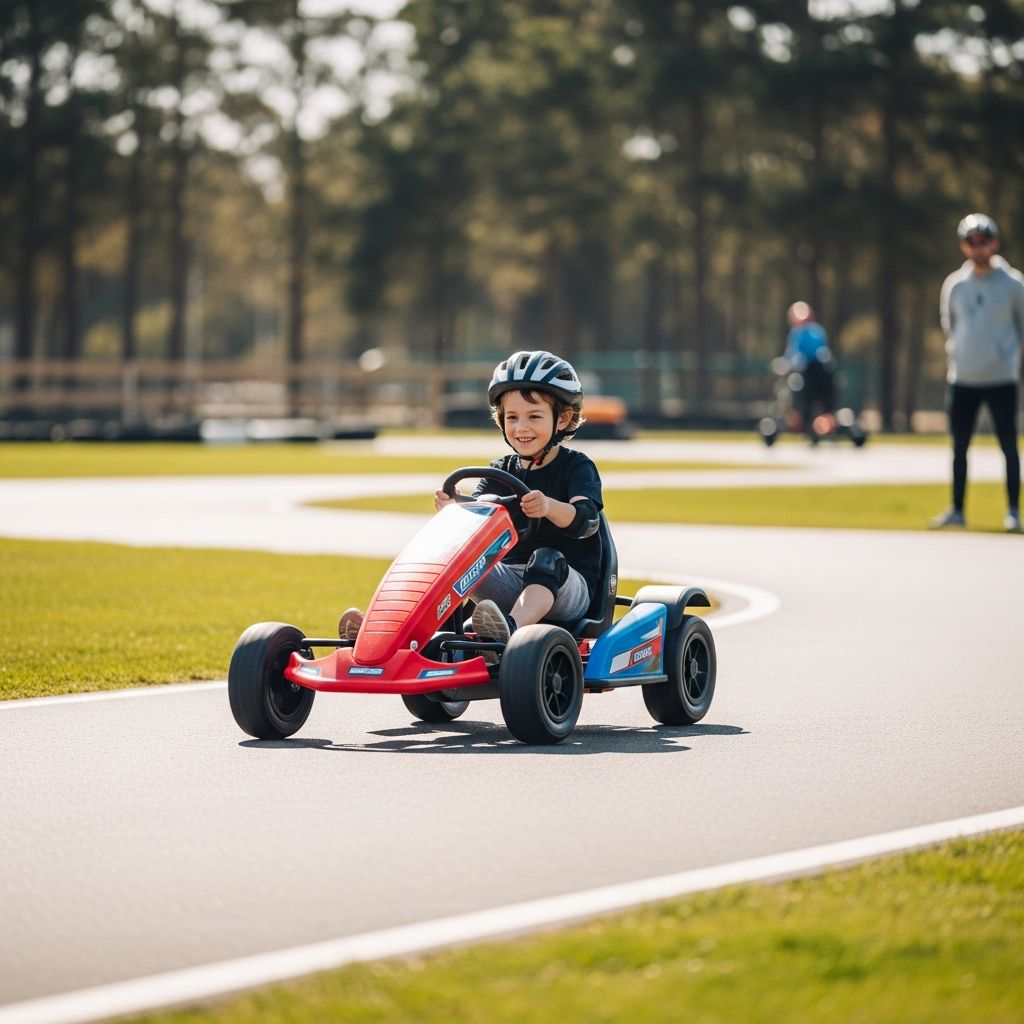
- Options include indoor climbing gyms, ropes courses, ice skating, go-karts, or trampoline parks (many offer birthday packages).
- Keep the guest list smaller so you can maintain safety and supervision.
- Pack a cooler with water and snacks rather than relying solely on venue food to keep costs in check.
Physical activity can support mood regulation and reduce stress, which is especially helpful during the emotionally intense teen years.4
5. Memory Lane & Milestone Night
For sentimental teens (or families), design an evening that highlights memories and personal growth.
- Create a photo timeline from babyhood to 16 and display it around the room.
- Invite a few loved ones to share short, positive stories or blessings.
- End with a private moment where you give a letter, journal, or keepsake box with notes from family and friends.
This type of celebration emphasizes connection and can help teens process what it means to take on more responsibility and independence.
Budget-Smart Planning Strategies
Social pressure can make parents feel like every Sweet 16 needs to be extravagant. In reality, research on adolescent well-being highlights the importance of supportive relationships and positive experiences, not expensive events.2
Use these strategies to stay financially grounded:
- Set a clear total budget first and share it with your teen in a calm, factual way.
- Prioritize what matters most: venue, food, decor, entertainment, or photos—usually you don’t need all of them at premium levels.
- Host at home or in a public park (if local rules allow) to reduce venue costs.
- DIY decor: reuse lights, jars, and linens you already own; add a few key themed items instead of starting from scratch.
- Consider a joint celebration with a friend who has a similar social group, splitting costs and workload.
Food and Drinks Teens Actually Eat
Food can easily become the biggest line in your budget. Keep it simple, filling, and easy to serve.
Easy Crowd-Pleasing Options
- Build-your-own bars: tacos, sliders, baked potatoes, or personal pizzas.
- Snack boards: mix salty and sweet—pretzels, chips, cut fruit, veggie sticks, dips, and cookies.
- Cake alternatives: cupcake towers, donuts, brownies, or an ice cream sundae bar.
For drinks, stick with water, flavored seltzers, and fun non-alcoholic mocktails in clear cups. This keeps everything safe and transparent.
Allergies and Dietary Needs
- Ask about allergies and dietary preferences on the invitation.
- Label foods that are dairy-free, nut-free, gluten-free, or vegetarian.
- Keep ingredient lists or packaging available in case questions come up.
Activities That Keep Teens Engaged (Without Feeling Forced)
Many 16-year-olds don’t want rigid schedules, but having a few structured options prevents boredom and awkward downtime.
- Photo challenges: Provide a list of fun shots to capture (group pose, funniest face, recreation of a baby photo).
- Casual tournaments: card games, video games, foosball, ping-pong, or backyard games.
- Music moments: sing-along songs, a lip-sync battle, or a short karaoke segment.
- Collaborative art: a large poster or canvas everyone can add messages or doodles to as a keepsake.
Safety, Boundaries, and Clear Expectations
As teens gain independence, parents often worry about risk-taking. The World Health Organization notes that adolescence is a time when experimentation can increase, especially around substances and peer pressure.5
Protect your teen and their friends by setting clear boundaries:
- Decide in advance whether guests can leave and return or if the party is “no re-entry.”
- Establish rules about alcohol, vaping, and other substances and communicate them calmly, not in a panic.
- Have enough adults nearby to supervise discreetly without hovering.
- Collect contact info for caregivers if you don’t already have it.
When expectations are clear, teens are more likely to feel safe and respected, which can contribute to healthier decision-making.5
Meaningful Traditions to Mark the Milestone
Beyond the party, you can build small traditions that help 16 feel special and reflective.
- A letter to their future self: Have your teen write a letter to open at 18 or 21 about their current hopes and worries.
- Symbolic gift: A piece of jewelry, a watch, a key, or another item that represents trust and growing independence.
- Responsibility ritual: Talk about one new responsibility they are ready to take on (managing part of their own budget, scheduling appointments, or leading a family project).
- Gratitude moment: Invite them to share one thing they’re proud of from the past year and one thing they’re looking forward to.
Sample Timelines for Different Styles of 16th Birthdays
Use these example outlines as a flexible starting point. Adjust times, order, and length to match your teen’s preferences and your schedule.
Cozy Evening with Close Friends (Approx. 4 Hours)
- 00:00–00:30 – Guests arrive, grab snacks, choose music.
- 00:30–01:30 – Games or movie start; casual conversation.
- 01:30–02:00 – Cake or dessert bar and photos.
- 02:00–03:30 – Free time: music, games, crafts, or chatting.
- 03:30–04:00 – Wind-down, rides arranged, quick tidy-up.
Adventure Day Plus Simple Night at Home
- Morning – Head to main activity (climbing, skating, or similar).
- Midday – Lunch at a casual spot or picnic.
- Afternoon – Rest time at home.
- Evening – Family dinner, cake, and a short slideshow or memory moment.
Frequently Asked Questions (FAQs)
How many guests is reasonable for a 16th birthday?
It depends on your space, budget, and your teen’s social style. For home parties, 8–15 guests is common. Larger venues can handle more, but a smaller group often leads to deeper connection and less stress for everyone.
Do I have to throw a huge “Sweet 16” party?
No. Research on adolescent well-being emphasizes quality relationships and supportive parenting over expensive experiences. A small, thoughtful celebration that reflects your teen’s personality is just as meaningful as a big event, and sometimes more so.
Should I let my teen help pay or contribute to the party?
Involving your teen in financial decisions can build responsibility and life skills. You might cover a base budget and let them contribute their own money for extras like a special cake, a DJ, or party favors if they want upgrades.
How long should a 16th birthday party last?
Three to four hours is usually enough for most gatherings. Shorter events can feel rushed; longer ones may lead to fatigue and more supervision challenges. For sleepovers, set a clear lights-out time and end time the next morning.
What if my teen doesn’t want a party at all?
Some teens prefer a low-key day, a special one-on-one outing, or a practical gift instead of a party. Validate their feelings, offer a few options (like a weekend trip, concert, or experience), and mark the milestone in a way that still feels special but respects their personality.
References
- Teen Driving Laws — U.S. Department of Transportation, National Highway Traffic Safety Administration. 2023-05-10. https://www.nhtsa.gov/road-safety/teen-driving
- Adolescent Development Explained — U.S. Department of Health and Human Services, Office of Population Affairs. 2019-08-01. https://opa.hhs.gov/adolescent-health/adolescent-development-explained
- The Arts and Human Development: Framing a National Research Agenda for the Arts, Lifelong Learning, and Individual Well-Being — National Endowment for the Arts. 2011-11-01. https://www.arts.gov/sites/default/files/TheArtsAndHumanDev.pdf
- Physical Activity Facts — Centers for Disease Control and Prevention. 2022-03-17. https://www.cdc.gov/physical-activity-basics/benefits/index.html
- Adolescent health — World Health Organization. 2021-11-05. https://www.who.int/news-room/fact-sheets/detail/adolescents-health-risks-and-solutions