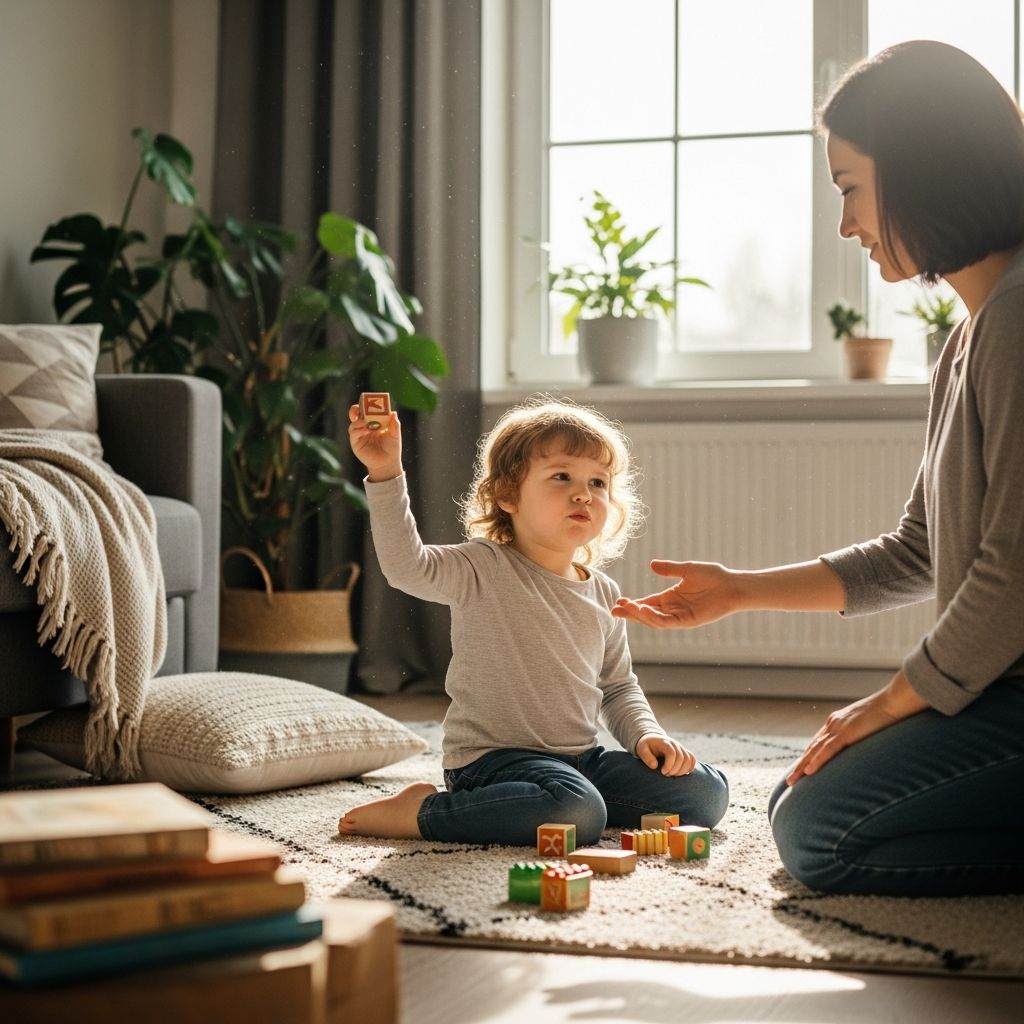
Homeschool co-ops can transform learning from a solo activity into a shared adventure. A well-planned class lets families pool strengths, divide preparation, and give kids opportunities for collaboration, discussion, and hands-on projects that are harder to create at home alone. This guide offers fresh, practical ideas for homeschool co-op classes across age levels and subjects, all designed to be adaptable to your group’s size, meeting frequency, and teaching style.
Planning Co-op Classes That Actually Work
Before choosing specific topics, it helps to think about how a class will function in a group setting. Co-ops often meet weekly or biweekly, and research on effective instruction emphasizes the value of interaction, immediate feedback, and varied activities for deeper learning.
- Keep sessions interactive: Plan movement, discussion, or small-group tasks every 10–15 minutes to maintain attention.
- Use simple, repeatable structures: For example, each week might include a short warm-up, a core activity, and a closing reflection.
- Assume mixed abilities: Offer extension tasks for advanced learners and scaffolds (sentence frames, visuals, manipulatives) for those who need more support.
- Decide on homework expectations: High school classes seeking credit may include readings and projects at home, while early elementary may stay self-contained.
- Use clear routines: Predictable beginnings and endings help younger students feel secure and make transitions smoother.
Early Years: Preschool and Kindergarten Co-op Ideas
At this stage, co-op classes work best when they are short, sensory-rich, and focused on play and social skills. Young children learn effectively through play and hands-on exploration, which supports language, motor skills, and early cognitive development.
Playful Literacy and Language
- Storybook Explorers: Read a picture book aloud, then follow with a related craft, acting out a scene, or a simple sequencing activity.
- Sound & Rhyme Games: Use clapping games, rhyming songs, and picture matching activities to build phonological awareness.
- Letter Detective Club: Each week spotlight one or two letters with scavenger hunts, tactile letters (sand, playdough), and name recognition games.
Hands-on Early Math
- Counting in Motion: Combine movement with counting—jumping ten times, clapping patterns, or counting steps during a short walk.
- Shape Builders: Hunt for shapes around the room, then recreate them using craft sticks, yarn, or bodies on the floor.
- Sort & Compare Lab: Sort objects by color, size, or texture and talk about “more,” “less,” “bigger,” or “smaller.”
Nature and Science Discovery
- Season Watchers: Observe weather, leaves, and daylight changes; make simple observation journals with drawings.
- Creature Curiosity: Explore one animal per class with photos, stuffed animals, and simple habitats made from blocks or loose parts.
- Senses Station: Rotate through smell, touch, and sound stations (always checking allergy and safety needs in advance).
Social Skills and Life Habits
- Kind Helpers Club: Practice greetings, sharing, taking turns, and saying “please” and “thank you” through role-play.
- Healthy Habits Time: Introduce handwashing routines, simple food groups, and the idea of rest and movement.
- Safety Basics: Talk about safe adults, simple emergency rules, and how to ask for help, aligning with age-appropriate safety guidance.
Elementary Co-op Classes: Building Skills Through Fun
Elementary-aged students are ready for more structure and content, but still thrive on games and creative projects. Cooperative learning—students working together toward shared goals—has been shown to support both academic achievement and positive peer relationships in this age group.
Language Arts and Communication
- Book Club for Kids: Choose short, engaging chapter books. In class, discuss characters, act out favorite scenes, or create alternate endings.
- Young Authors Workshop: Guide students through planning, drafting, and illustrating their own stories, culminating in a “publishing party.”
- Readers’ Theater: Use simple scripts to build fluency and confidence in reading aloud while developing listening skills.
- Show & Tell with Purpose: Students bring an object and prepare a short, structured talk (3–5 sentences) to build presentation skills.
Math in Action
- Math Game Lab: Use card and board games to reinforce addition, subtraction, multiplication, and division facts.
- Fraction Fun: Explore fractions through food (slicing fruit or tortillas), paper folding, and fraction art.
- Real-Life Math: Simulate a small store where students “buy” and “sell” items using play money and calculate change.
Science Explorers
- Earth and Sky Investigators: Track shadows, make simple models of the Earth and Moon, and talk about day/night.
- Kitchen Chemistry: Safe experiments with mixtures and solutions, such as dissolving substances or making simple doughs.
- Nature STEM Challenges: Build bridges, towers, or shelters using natural or recycled materials, discussing strength and stability.
History, Geography, and Culture
- Time Travel Tales: Focus each week on a different historical period using stories, maps, and simple costumes or props.
- Passport Around the World: Each meeting features a country with basic geography, a simple phrase in the local language, and a craft or music sample.
- Community Study: Invite local helpers (firefighters, librarians, farmers) to talk about their roles and how communities function.
Everyday Life Skills
- Junior Chefs: Practice measuring, stirring, and assembling simple snacks while reviewing kitchen safety and hygiene.
- Garden & Grow Club: Plant seeds, observe growth, and learn about basic plant needs and pollinators.
- Money Smart Kids: Introduce saving, giving, and simple spending choices with jars or envelopes.
Middle School Co-op Ideas: Depth, Debate, and Independence
Middle schoolers are starting to think more abstractly and are ready for projects that extend beyond a single class meeting. Educational research notes that inquiry-based and project-based learning at this level can increase motivation and support long-term retention.
Critical Thinking and Communication
- Speech & Debate Club: Teach basic argument structure and respectful disagreement, moving from short impromptu speeches to simple debates.
- Journalism & Media Literacy: Students create a co-op newspaper or blog, studying how to gather facts, quote sources, and detect bias.
- Creative Writing Studio: Explore poetry, short stories, and personal essays with peer feedback circles.
STEM Challenges
- Engineering Design Lab: Provide weekly build challenges (bridges, rubber band cars, marble runs) using inexpensive materials.
- Intro to Coding: Use free block-based or text-based tools to introduce loops, conditionals, and simple algorithms.
- Forensics & Mystery Science: Simulate a “crime scene” and learn about fingerprints, simple chromatography, and observation skills.
History, Civics, and Worldview
- World History through Projects: Assign each student or group a civilization or era to research and present, with timelines and artifacts.
- Civics in Action: Explore branches of government, local elections, and how laws are made, then write mock bills or public service announcements.
- World Cultures Seminar: Combine geography, religion, and cultural practices in respectful, comparative discussions.
Personal Development and Life Skills
- Study Skills Boot Camp: Practice note-taking styles, test preparation strategies, and time management tools.
- Financial Foundations: Cover budgeting, needs vs. wants, banking basics, and the concept of interest.
- Service & Leadership: Plan small service projects together, reflecting on community needs and personal strengths.
High School Co-op Classes: Credit-Worthy and Future-Focused
High school co-op classes often aim to support transcript-building and preparation for college, trades, or direct entry into the workforce. Studies on college readiness emphasize critical thinking, writing, problem-solving, and self-management as key competencies for postsecondary success.
Academic Core and Advanced Topics
- Literature & Discussion Seminar: Read classic or contemporary works and hold Socratic-style discussions, emphasizing textual evidence and respectful dialogue.
- Research Writing Lab: Guide students from topic selection through thesis statements, note-taking, source evaluation, and citation formats.
- Advanced Science in Community: Use a chosen curriculum for biology, chemistry, or physics and reserve co-op time for labs, problem-solving, and review.
- Mathematical Problem Solving: Focus on multi-step problems, modeling, and applications rather than routine practice alone.
Social Sciences and Humanities
- Comparative Government: Study different political systems, constitutions, and electoral processes with student-led presentations.
- Economics & Personal Finance: Blend basic economic concepts (supply and demand, markets) with practical money management skills.
- World Religions & Culture: Survey major world religions, historical contexts, and cultural practices, with emphasis on respectful understanding.
College, Career, and Adulting Skills
- Life After High School Workshop: Explore paths like college, trade school, entrepreneurship, and gap years, including application basics and goal setting.
- Everyday Adulting: Cover topics such as reading contracts, basic car maintenance, household management, and digital safety.
- Career Exploration: Invite guest speakers, conduct informational interviews, and help students map interests to potential careers.
Creative and Technical Electives
- Digital Media & Film: Teach storyboarding, filming techniques, and basic video editing with a final short film project.
- Entrepreneurship Lab: Guide students in planning a simple business or product, including branding, budgeting, and basic marketing concepts.
- Advanced Art Studio: Offer focused instruction in drawing, painting, photography, or graphic design, with a portfolio at the end of the term.
Sample Co-op Class Ideas by Age and Subject
| Age Group | Subject Area | Example Class Idea |
|---|---|---|
| Preschool–K | Literacy | Storybook Explorers (read-aloud + craft or dramatization) |
| Elementary | Science | Nature STEM Challenges (build with natural/recycled materials) |
| Middle School | Humanities | Civics in Action (mock elections, bills, and PSAs) |
| High School | Language Arts | Literature & Discussion Seminar (Socratic-style dialogue) |
| High School | Life Skills | Everyday Adulting (finance, contracts, basic maintenance) |
Practical Tips for Running Successful Co-op Classes
- Clarify goals: Decide whether the class is enrichment-focused, credit-focused, or social-focused and plan accordingly.
- Share the load: Ask parents to rotate roles—lead teacher, assistant, materials organizer, or discussion facilitator.
- Prepare for variability: Have a short backup activity (like a discussion question or quick game) in case something finishes early.
- Build in reflection: End with a one-minute share, exit ticket, or quick round of “one thing I learned” to reinforce retention.
- Review safety basics: Especially for science, cooking, outdoor, or early childhood classes, ensure adults understand safety expectations and emergency plans.
Frequently Asked Questions (FAQs)
How long should homeschool co-op classes last for different ages?
Many groups find that 30–45 minutes works best for preschool and early elementary, 45–60 minutes for upper elementary and middle school, and 60–90 minutes for high school, especially if students are doing labs or discussions.
Do co-op classes need formal curricula?
Not always. Some subjects, like high school science for credit, benefit from a structured curriculum. Others, like book clubs, STEM challenges, or art, can work well with teacher-created plans and library or online resources, as long as goals and expectations are clear.
How many students are ideal in a co-op class?
Small groups of 6–12 students usually allow rich discussion and manageable classroom dynamics. Larger groups can work with additional adult helpers, clear routines, and more small-group work.
Can mixed-age co-op classes be effective?
Yes. Mixed-age classes often mirror real-world environments and can foster mentoring relationships. Plan flexible activities with varying levels of challenge so older students can take leadership roles and younger ones receive extra support.
How do we handle grading and credit in a co-op?
Co-ops typically provide participation records, project rubrics, or sample assignments, while parents remain the teachers of record. For high school, agree in advance on workload, expectations, and how parents will document the class on transcripts.
References
- Giant List of Ideas for Homeschool Co-op Classes — Hummingbird Homeschool. 2024-04-10. https://hummingbirdhomeschool.com/homeschool-blog/homeschool-coop-classes-ideas
- The Ultimate Homeschool Co-op Class Ideas for Middle School & High School — A Heart Full of Joy. 2021-08-15. https://aheartfullofjoy.com/the-ultimate-homeschool-co-op-class-ideas-for-middle-school-high-school/
- The Best Classes to Teach at a Homeschool Co-op — I Choose Joy. 2022-02-01. https://ichoosejoy.org/the-best-classes-to-teach-at-a-homeschool-co-op/
- Teaching Life Skills in Health Education — Centers for Disease Control and Prevention (CDC). 2019-10-01. https://www.cdc.gov/healthyschools/sher/characteristics/teaching-life-skills.htm
- Improving Adolescent Literacy: Effective Classroom and Intervention Practices — U.S. Department of Education, Institute of Education Sciences. 2008-08-01. https://ies.ed.gov/ncee/wwc/PracticeGuide/8
- Cooperative Learning in Elementary Schools: Effects on Achievement — Institute of Education Sciences, What Works Clearinghouse. 2013-04-01. https://ies.ed.gov/ncee/wwc/Docs/InterventionReports/wwc_coop_041613.pdf