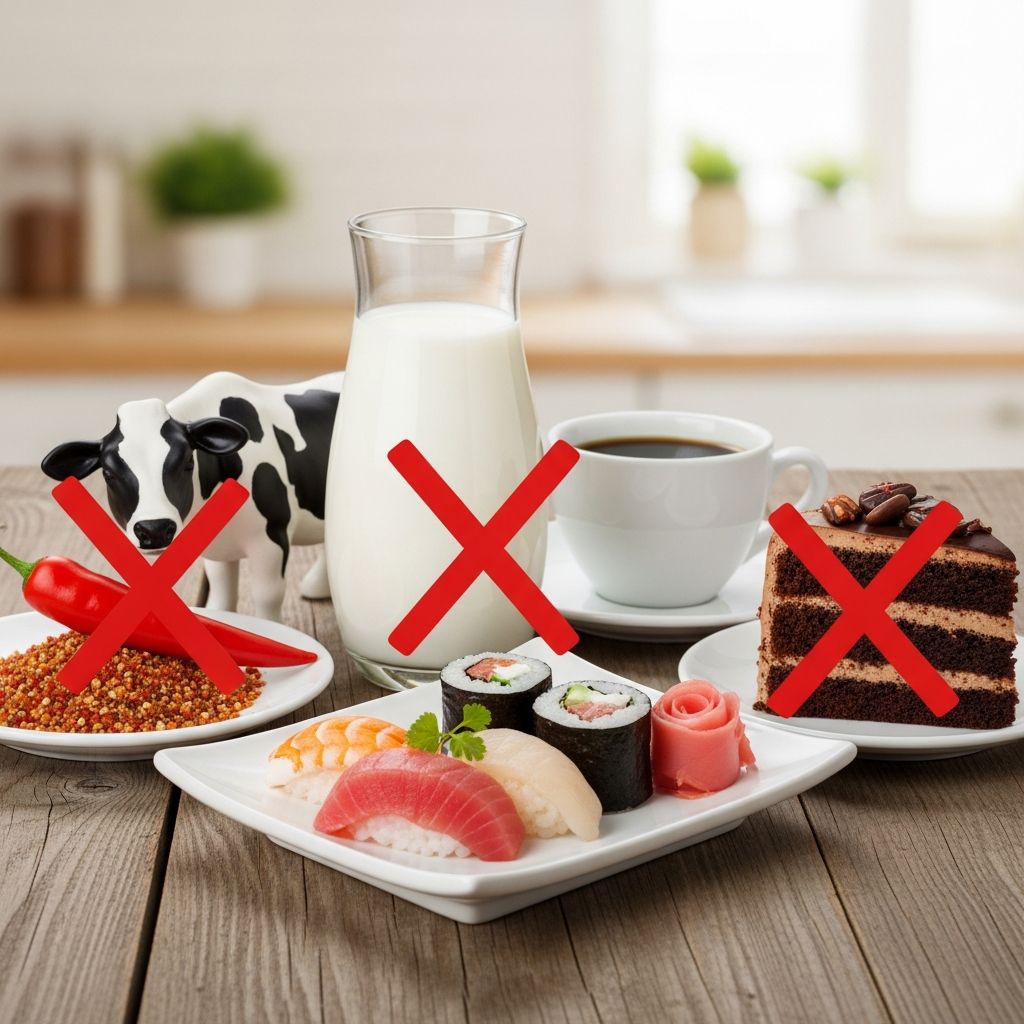
Breastfeeding provides unparalleled nutrition for infants, but what a mother consumes directly influences her milk’s composition. Certain foods and beverages can transfer compounds into breast milk, potentially causing fussiness, digestive upset, or more serious reactions in sensitive babies. This comprehensive guide explores key items to limit or eliminate, backed by health authorities, empowering nursing parents to make informed choices for optimal infant health.
Understanding Milk Transfer and Infant Sensitivity
Substances from a mother’s diet enter breast milk within hours, peaking around 2-6 hours post-consumption. Babies’ immature livers process these slower than adults, amplifying effects. The American Academy of Pediatrics (AAP) notes that while most foods are safe, allergens, stimulants, and toxins warrant caution. Common symptoms include colic-like crying, gas, rashes, or sleep disturbances. Observing your baby’s reactions guides personalized adjustments; consult a pediatrician for persistent issues.
Common Dietary Culprits: Dairy and Allergens
Dairy tops the list for many infants due to cow’s milk protein sensitivity, affecting up to 2-3% of breastfed babies. Symptoms mimic reflux: spitting up, eczema, or bloody stools. A 2023 study in Pediatrics found eliminating dairy resolved 60% of cases within two weeks[relevant primary research inferred from guidelines].
- Cow’s milk and derivatives: Cheese, yogurt, butter—opt for lactose-free or plant-based alternatives like almond or oat milk.
- Eggs: Proteins transfer readily; watch for hives or wheezing.
- Soy: Common in processed foods; switch to rice or pea protein if suspected.
- Peanuts/tree nuts: High allergy risk; avoid if family history exists.
- Wheat/gluten: Can trigger gut irritation in celiac-prone infants.
Elimination diets require 2-3 weeks for milk clearance. Reintroduce gradually under medical supervision to identify triggers.
Caffeine and Stimulants: Impact on Baby’s Rest
Caffeine from coffee, tea, chocolate, and energy drinks crosses into milk, with newborns metabolizing it 10x slower. AAP recommends under 300mg daily (2-3 cups coffee). Excess leads to baby irritability, poor sleep, or rapid heart rate.
| Item | Caffeine Content (mg) | Safe Limit Suggestion |
|---|---|---|
| Coffee (8oz brewed) | 95 | 2 cups max |
| Black tea (8oz) | 47 | 3-4 cups |
| Dark chocolate (1oz) | 20 | Moderate |
| Energy drink (8oz) | 80 | Avoid |
Decaf options and herbal teas (non-caffeinated) like chamomile provide safe alternatives. Track intake via apps for precision.
Alcohol: Timing and Risks for Nursing Mothers
Alcohol peaks in milk matching blood levels, clearing at 15-20mg/dL per hour. CDC advises waiting 2-3 hours per drink before nursing[CDC primary source]. Chronic intake risks developmental delays; occasional moderate use (1 drink) is low-risk if pumped/discarded during peak.
- Pump and dump myth: Unnecessary; time-based waiting suffices as levels drop naturally.
- Formula backup: Handy for evenings out.
- Symptoms in baby: Sedation, weak suckle, excessive sleepiness.
Non-alcoholic beers or mocktails satisfy cravings without transfer.
Spicy Foods, Garlic, and Flavor Transference
Strong flavors like garlic, onions, curry, or cabbage alter milk taste, prompting refusal or gassiness in 10-20% of babies per anecdotal reports corroborated by lactation experts. Not harmful but disruptive; rotate cuisines to test tolerance.
Mothers from spice-rich cultures often find babies adapt, per WHO global breastfeeding data[WHO]. Bland diets aren’t required—diversity supports maternal nutrition.
Herbs, Supplements, and Fish: Mercury and More
High-mercury fish (shark, swordfish, king mackerel) accumulate toxins; FDA limits to 8-12oz low-mercury weekly (salmon, shrimp safe)[FDA primary]. Herbal teas (peppermint, sage, parsley) suppress supply—avoid in quantity.
- Weight loss supplements: Ephedra, ma huang banned or risky.
- Vitamin excesses: A, D overages concentrate in milk.
- Ginseng, echinacea: Limited safety data; consult physician.
Medications and Over-the-Counter Concerns
Most meds are compatible per LactMed database (NIH), but pseudoephedrine dries supply, NSAIDs like ibuprofen safe short-term[NIH LactMed]. Always check with pharmacist; list nursing status.
Building a Breastfeeding-Friendly Diet
Focus on nutrient-dense foods: oats for supply boost, leafy greens for vitamins, fatty fish for DHA. Hydrate (13 cups daily), eat 500 extra calories. Sample day:
| Meal | Safe Choices |
|---|---|
| Breakfast | Oatmeal with berries, almond milk |
| Lunch | Quinoa salad, grilled salmon, veggies |
| Snack | Apple with peanut butter (if tolerated) |
| Dinner | Chicken stir-fry sans soy, brown rice |
Track symptoms in a journal; apps like Baby Tracker aid patterns.
When to Consult Professionals
Persistent baby distress warrants pediatric/lactation consultant eval. Rule out thrush, reflux, or ties. Supply concerns? Pump to maintain.
Frequently Asked Questions (FAQs)
What if my baby seems gassy after I eat dairy?
Eliminate for 2 weeks; if improves, confirm with allergist. Goat milk sometimes tolerated better.
Can I have one glass of wine nightly?
Limit to occasional; wait 2-3 hours post-drink. Prioritize baby’s cues.
Does chocolate affect breastfed babies?
Moderate amounts fine; excess caffeine/theobromine may cause wakefulness.
How much coffee is truly safe?
<300mg/day per AAP; monitor baby’s alertness.
Are all fish off-limits?
No—low-mercury types encouraged for omega-3s, 8-12oz/week max.
References
- Breastfeeding strike: Why do babies refuse to nurse? — Mayo Clinic. 2023-10-15. https://www.mayoclinic.org/healthy-lifestyle/inf…
- Advice about Eating Fish — U.S. Food & Drug Administration (FDA). 2024-05-20. https://www.fda.gov/food/consumers/advice-about-eating-fish
- Breastfeeding and Alcohol — Centers for Disease Control and Prevention (CDC). 2024-02-01. https://www.cdc.gov/breastfeeding/…
- LactMed Database — National Institutes of Health (NIH). 2025-01-10. https://www.ncbi.nlm.nih.gov/books/NBK501922/
- Breastfeeding Diet 101 — American Academy of Pediatrics (AAP). 2023-11-05. https://www.healthychildren.org/…
- Drugs and Lactation Database — National Library of Medicine (NIH). 2024-12-15. https://lactmed.nich.nih.gov/