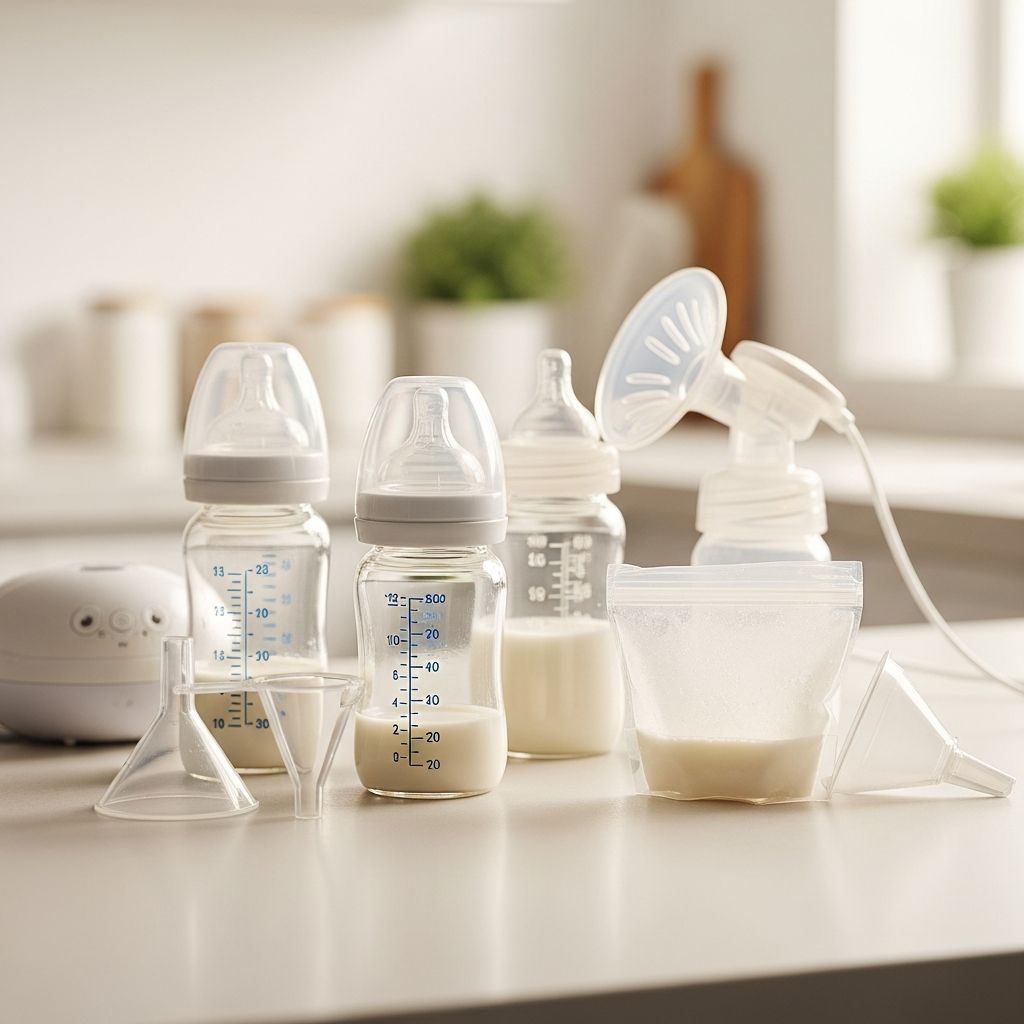
Breastfeeding and pumping can feel like a full-time job, and the right bra can make that job dramatically easier. A well-designed nursing and pumping bra lets you feed your baby, pump milk, and move through your day with far less juggling and a lot more comfort. This guide walks you through what these bras are, how they work, and how to choose one that fits your body and your lifestyle.
Why Hands-Free Nursing and Pumping Bras Matter
During the first year of your baby’s life, your breasts grow, shrink, leak, and generally ignore your calendar. A traditional bra is not built for that level of change or for the frequent access that breastfeeding and pumping require. A hands-free nursing and pumping bra is specifically engineered to support soft breast tissue, protect milk ducts, and give you quick access for both nursing and pumping without stripping off layers of clothing.
- They stabilize breast pump flanges so you can type, eat, or cuddle your baby while you pump.
- They offer gentle, flexible support that adapts to changing breast size throughout pregnancy and postpartum.
- They simplify night feeds, on-the-go pumping, and multitasking at home or work.
What Is a Nursing–Pumping Combo Bra?
A nursing–pumping combo bra is an undergarment that combines two functions in one: it provides easy access for breastfeeding and built-in openings or panels that hold pump parts in place for hands-free pumping. Instead of changing into a separate pumping bandeau or zipping on a pumping corset, you wear one bra all day that does it all.
These bras usually feature layered cups or hidden slits that accommodate standard pump flanges or wearable pumps. Many also include removable pads for leaks and stretchy fabrics that expand and contract with your milk supply fluctuations. The goal is simple: you clip, slide, or pull a panel, attach the pump, and then go back to whatever you were doing.
Key Features to Look For
The best combo bras are less about brand names and more about thoughtful design. When you’re evaluating options, focus on features that will actually improve your day-to-day experience rather than trendy prints or matching sets.
Support and Comfort
- Wide, soft straps: Help distribute the weight of full breasts and reduce shoulder digging.
- Firm but stretchy band: Keeps the bra anchored without squeezing your ribcage or restricting your breathing.
- Wireless design: Many lactation professionals recommend avoiding rigid underwires that may press on milk ducts and contribute to blockages for some people.
- Breathable fabric: Cotton blends, bamboo, and modern moisture-wicking fabrics help with sweat and milk leaks.
Hands-Free Pumping Functionality
- Secure flange openings: Slits or layered panels should hold pump flanges snugly without slipping, even when bottles get heavy.
- Compatibility: Check that your bra is designed to work with your style of pump—traditional flanges, wearable pumps, or both.
- Independent layers: Ideally, you can open the pumping layer or the nursing layer separately, which makes it easier to nurse on one side and pump on the other.
Easy Nursing Access
- One-handed clips or pull-aside cups: You should be able to open a cup while holding a wiggly baby.
- Wide nursing openings: Allow a deep latch without fabric bunching near your baby’s nose or mouth.
- Discreet design: Some bras look like regular T-shirt bras under clothes, making public feeds and conference-room pumping less awkward.
Adaptability and Fit
- Multiple rows of hooks: A longer back closure helps your bra grow and shrink with your body.
- Removable pads: Offer modesty under thin shirts and help catch light leaks.
- Seamless or low-seam construction: Minimizes irritation on sensitive skin and keeps the bra invisible under fitted tops.
Types of Nursing and Pumping Bras
There is no single right bra for every breastfeeding parent or every stage of postpartum. You might use one kind for sleeping, another for office days, and another for workouts. Understanding the main categories helps you build a small, flexible bra wardrobe.
| Type | Best For | Key Benefits | Potential Drawbacks |
|---|---|---|---|
| Seamless everyday combo bra | Daily wear, under T-shirts and work clothes | Invisible under clothes, comfortable support, quick nursing and pumping access | May not offer enough support for very large cup sizes |
| Sleep and lounge bra | Night feeds, early postpartum, naps | Soft, stretchy, forgiving sizing, gentle support while lying down | Less structured pumping support; flanges may shift if fabric is too soft |
| Sports nursing and pumping bra | Light workouts, walks, errands | Extra support, moisture-wicking fabric, secure fit while moving | Can feel tight during sudden engorgement; some styles are harder to unclip |
| Shaping or structured bra | Office wear, special events, fitted outfits | More defined cup shape, strong hold for pump parts, polished appearance | Less forgiving if your size fluctuates a lot from morning to evening |
How to Choose the Right Size
Sizing can be tricky because your breast size changes through pregnancy, immediately after birth, and again as your supply settles. Instead of fixating on your pre-pregnancy size, treat this as a new fitting process. A good nursing and pumping bra should feel snug enough to hold pump parts steady yet soft enough that you forget you are wearing it within a few minutes.
- Measure your ribcage directly under your breasts while wearing a non-padded bra or a snug tank top.
- Measure around the fullest part of your bust, keeping the tape level.
- Use the brand’s size chart rather than guessing based on your old bra drawer; each manufacturer runs differently.
- If you are between sizes, size up early postpartum when engorgement is common, or choose bras with strong stretch fabrics and extra hook rows.
When you try on the bra, check that the band sits level, the straps don’t dig, and the cups encase your breast tissue without cutting in along the top or sides. Pump with the bra before removing tags if possible; it should hold flanges firmly without discomfort or visible bulging around the openings.
Daily Life With a Hands-Free Bra
The real magic of these bras appears in the small moments of your routine. Instead of balancing flanges with your forearms or leaning awkwardly over a table, you attach your pump and reclaim your hands. This can make pumping feel less like a chore and more like something that can slide quietly into the background of your day.
- At home: Answer messages, drink water, or read while you pump rather than sitting motionless and bored.
- At work: Clip in your pump, pull a loose top over the setup, and review documents or join virtual meetings more easily.
- On the go: With wearable pumps, a supportive combo bra helps keep the pump secure while you walk, tidy, or prepare meals.
- With baby: Nurse on one side and pump on the other to build a freezer stash or protect your supply if your baby skips a feeding.
Common Fit and Comfort Issues (and How to Fix Them)
Even a high-quality bra can feel wrong if the fit is off by a little. Most problems stem from sizing, strap adjustment, or pump positioning. Tweaking one or two of these elements often solves discomfort or leaks.
- Pain or red marks along the band: Loosen the band by moving to an outer hook row or try a larger band size. You want firm support, not compression.
- Flanges slipping out: Tighten the straps slightly, or adjust the opening so the fabric crosses over more of the flange base. If the bra is very stretchy, you may need a more structured style for pumping sessions.
- Spillage at the top of the cup: Move up a cup size or select a fuller-coverage bra. Overfilled cups can rub delicate skin and create pressure points.
- Straps digging into shoulders: Tight straps often mean the band is too loose and not doing its job. Try tightening the band or choosing a smaller band size with wider straps.
Building a Small Nursing Bra Wardrobe
You do not need a drawer overflowing with specialty bras, but a few strategic pieces can make a big difference. Think about your daily routine, laundry habits, and how often you pump when deciding how many bras you need.
- Minimum starter set: Two to three combo bras so you can wear one, wash one, and keep a backup for leaks or spit-up disasters.
- Nighttime option: One soft, stretchy bra or bralette for overnight feeds, especially if you leak heavily while sleeping.
- Activity bra: If you plan to exercise, consider one sports-style nursing and pumping bra for walks, yoga, or stroller jogs.
Rotate bras every day or two to let the elastic recover and extend their lifespan. Keeping a spare bra in your diaper bag or work locker saves you from returning to a damp or milk-stained bra if you have an unexpected leak or pump spill.
Care and Washing Tips
Proper care helps your bras last longer and maintain their shape, especially when they endure frequent use and regular milk exposure. While always following the care label on your specific bra, some basic guidelines are fairly universal.
- Wash bras in a lingerie bag on a gentle cycle or hand-wash to reduce stretching and fabric damage.
- Use mild detergent and skip fabric softeners, which can interfere with moisture-wicking properties.
- Hang or lay flat to dry instead of putting bras in the dryer, which can break down elastic and plastic clips.
- Rinse milk from the inner layer with cool water after pumping if you will not be able to wash the bra for a day or two.
Balancing Style and Practicality
Function is essential when you depend on a bra multiple times a day, but that does not mean style must disappear. Many modern designs look more like regular lingerie or athletic wear than medical gear. Choosing a few pieces that make you feel put-together can be a small but meaningful boost in the haze of early parenthood.
- Look for neutral colors for everyday wear and a fun color or lace detail if it lifts your mood.
- Choose smooth cups for work clothes and higher necklines if you prefer more coverage when bending or lifting.
- Consider matching underwear if coordinated sets help you feel more like yourself amid the constant baby gear.
Frequently Asked Questions About Nursing and Pumping Bras
When should I buy my first nursing and pumping bra?
Many people buy their first soft, stretchy nursing bra in the third trimester when their pre-pregnancy bras become uncomfortable. A more structured combo bra is often easiest to size about two to four weeks after birth, once the early engorgement has eased and cup size stabilizes a bit. If you know you will be pumping early, you can still buy a couple of flexible, multi-size options in late pregnancy.
Can I sleep in a hands-free pumping bra?
Yes, you can sleep in a soft, wireless combo bra, especially if it keeps breast pads in place and makes night feeds easier. For comfort, choose bras labeled for sleep or lounge wear with stretchy bands and minimal hardware rather than firm sports-style bras that might feel restrictive when lying down.
Do I really need a special bra for pumping?
You can technically hold flanges with your hands while pumping, but that limits what you can do during each session and can lead to awkward posture or sore arms. A hands-free pumping bra supports the pump securely, encourages better body positioning, and frees your hands for other tasks, which can make long-term pumping more sustainable.
Are underwire nursing bras safe?
Some breastfeeding parents wear underwire nursing bras without any issues, but others find that rigid wires can press on milk ducts or sensitive tissue, especially if the fit is not perfect. If you choose an underwire style, be meticulous about fit and consider switching to wireless options when your breasts feel especially full or tender.
How many hours a day can I wear a pumping bra?
Most well-fitted combo bras are designed for all-day wear, including time between pumping and feeding sessions. If you notice persistent pressure marks, tingling, or discomfort, give your body a break by switching to a softer bra or going braless for a while at home, and reassess the fit of your primary bra.
Empowering Your Feeding Journey
Breastfeeding and pumping require time, energy, and emotional bandwidth. A thoughtfully chosen nursing and pumping bra is a small but powerful tool that can simplify the logistics so you can focus on your baby rather than your bra straps. By understanding how these bras work, which features matter most, and how to fit and care for them, you can create a setup that supports both your milk supply and your day-to-day life.
Whether you nurse exclusively, pump full-time, or do a bit of both, you deserve gear that respects your body and your schedule. A good hands-free nursing and pumping bra will not solve every challenge, but it can give you back your hands—and a little more freedom—one session at a time.