The Journey of Fetal Development: A Complete Overview
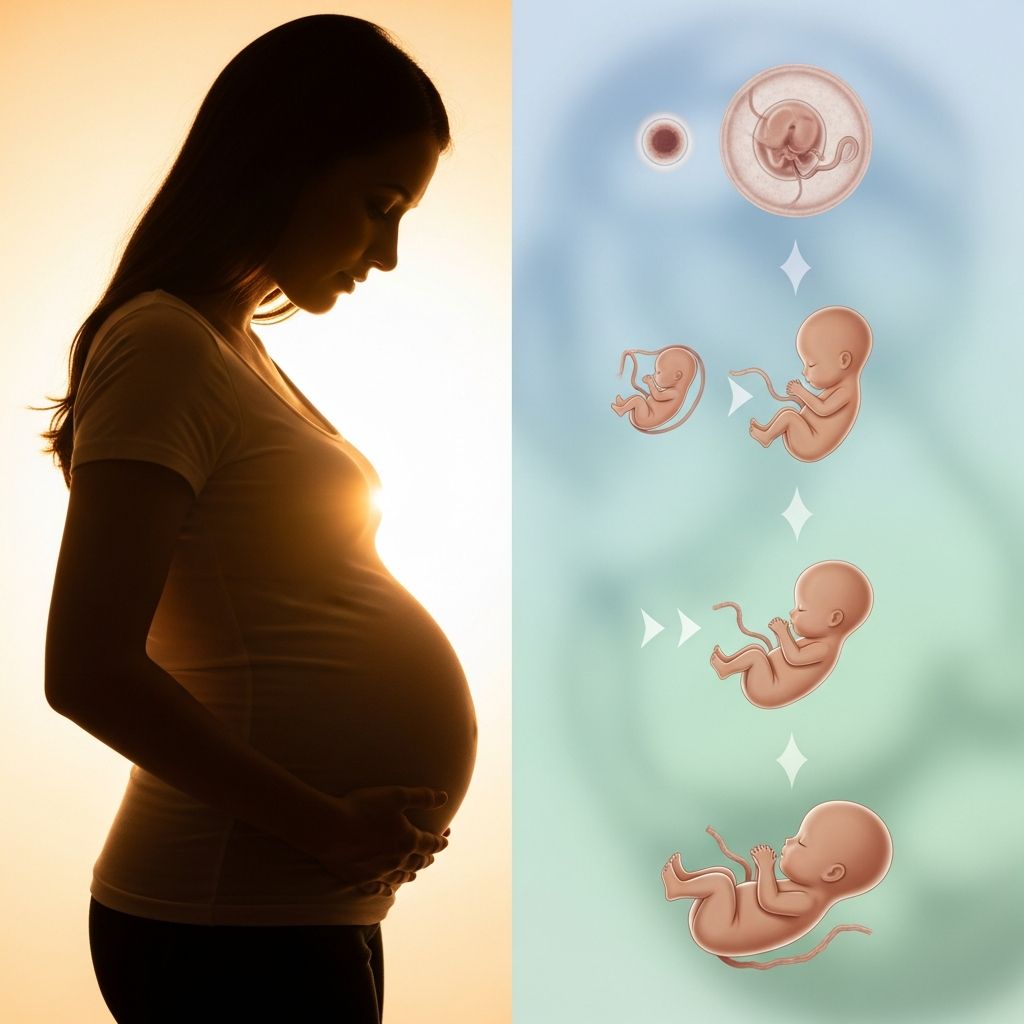
Pregnancy is a remarkable nine-month journey during which a single fertilized cell transforms into a fully developed human being. Understanding how your baby develops at each stage of pregnancy can help you feel more connected to your growing child and better appreciate the incredible biological processes occurring within your body. From the moment of conception through delivery, your baby undergoes dramatic changes, developing essential organs, sensory systems, and physical features that will enable independent life outside the womb.
The development of a baby follows a predictable pattern organized into three distinct periods known as trimesters. Each trimester brings significant milestones and transformations that showcase the body’s remarkable capacity for growth and adaptation. By learning about these developmental stages, expectant parents can gain insight into what their baby is experiencing and what to anticipate at each phase of pregnancy.
The First Trimester: Foundation and Formation
The first trimester encompasses the initial twelve weeks of pregnancy, beginning from conception through the end of week twelve. During this critical period, your baby transforms from a microscopic cluster of cells into a recognizable human form with distinguishable features and functioning body systems.
Weeks 1-4: The Beginning
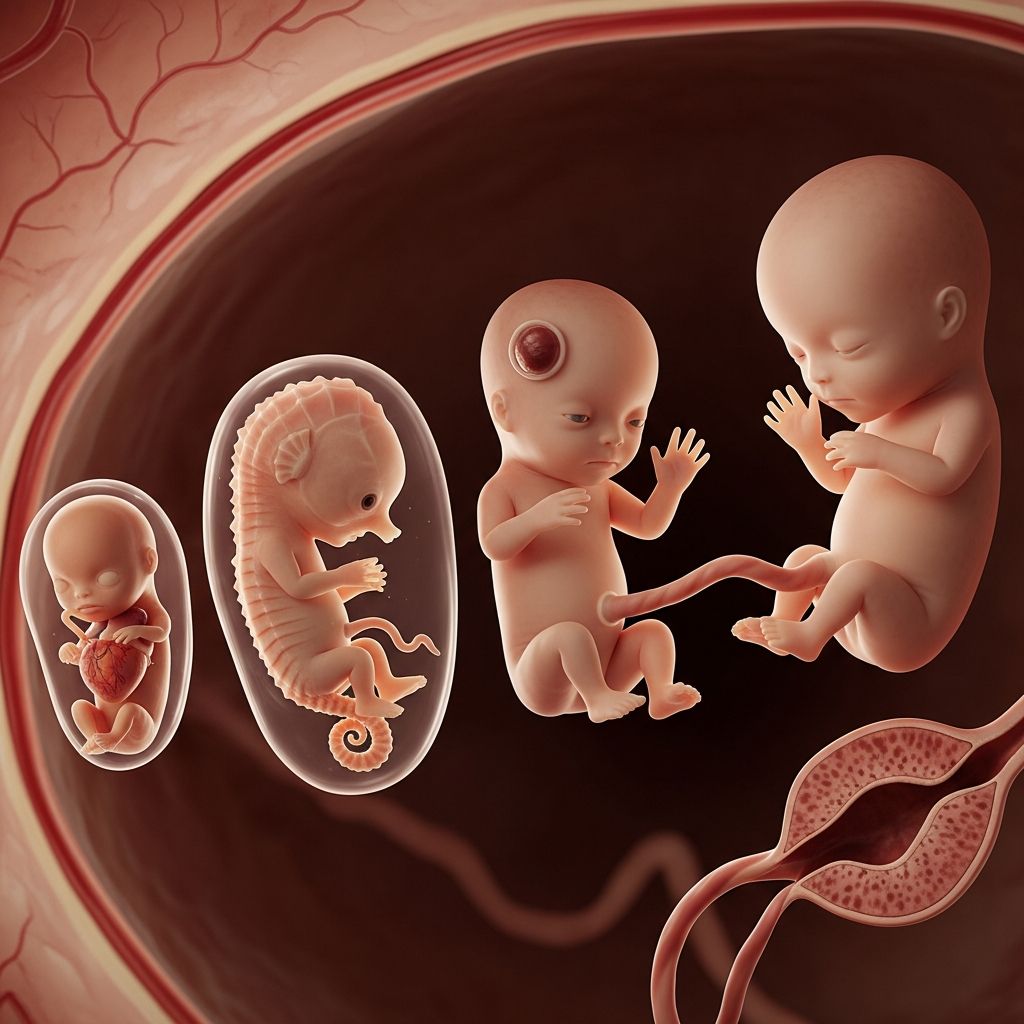
In the earliest weeks of pregnancy, the fertilized egg divides rapidly as it travels toward the uterus. By the end of week four, the embryo is smaller than a grain of rice, yet the cells are already organizing to form the various body systems, including the foundations of the digestive system. The protective amnion—a fluid-filled sac—begins to develop, along with the yolk sac, which provides essential nourishment during these early weeks.
Weeks 5-8: Critical Development Phase
During this pivotal period, the embryo takes on its distinct shape as fundamental structures begin to form. The neural tube, which will eventually become the brain and spinal cord, develops during week five. By week six, the baby is approximately three millimeters in length and is now classified as an embryo. At this stage, the developing body secretes hormones that prevent the mother from experiencing menstrual periods.
The heart is one of the first organs to function, beginning to beat around week five to six at approximately 105 times per minute. Simultaneously, tiny buds emerge that will eventually develop into arms and legs. The digestive and respiratory systems also begin forming during week six. By week seven, the baby’s facial features become more defined, with the mouth, nose, ears, and eyes taking shape. The arm buds develop hands that resemble paddles at their ends.
By the conclusion of week eight, the embryo has grown to approximately 0.5 to 1 inch in length—about the size of a black bean. Most major organs and body systems have begun their development, marking the transition from the embryonic stage to the fetal stage.
Weeks 9-12: Transition to Fetal Stage
Around week nine, the embryo officially becomes a fetus. During this week, tiny buds appear that will become teeth, and the eyes, mouth, and tongue continue forming. The fetus is now close to half an inch long, and tiny muscles allow for movement. Blood cells begin production in the liver.
By week ten, the fetus measures approximately 2.5 centimeters in length. All major bodily organs have formed, and the hands and feet, which previously appeared as nubs or paddles, are now developing distinct fingers and toes. The brain becomes active and demonstrates brain wave activity. Fingernails and toenails begin forming by week twelve, marking the conclusion of the first trimester.
The Second Trimester: Growth and Sensory Development
The second trimester spans weeks thirteen through twenty-six and represents a period of rapid growth and maturation. During this phase, the fetus gains weight and length, and distinctive features become increasingly recognizable.
Weeks 13-17: Establishing Identity
The second trimester begins with significant development in the reproductive organs. By week fourteen, the genitals are well developed, though external ultrasound detection may not be possible for several more weeks. The baby’s facial features become more refined, with eyelids developing and eyes beginning to move behind the lids. Hair follicles form beneath the skin, and the skin itself starts to thicken and become less translucent.
During weeks fifteen through seventeen, the fetus becomes increasingly active, flipping and rolling within the amniotic fluid. Bones continue to strengthen, and they become visible during ultrasound examinations. The kidneys begin producing urine, and the heart actively pumps blood throughout the developing body. Hair, eyelids, eyelashes, and nails become well-developed during this period, and the heartbeat becomes clearly audible using a Doppler instrument.
Weeks 18-22: Sensory Awakening
By the midpoint of pregnancy around week twenty, the fetus measures approximately twenty-one centimeters in length. Ears are now fully functional, allowing the fetus to hear muffled sounds from the outside world. Fingerprints become distinctive, and the genitals can be identified through ultrasound imaging.
The fetus’s sense of touch is rapidly developing during weeks twenty-one and twenty-two. Taste buds form during this period, enabling the baby to taste the amniotic fluid. Some babies begin interacting with their environment by touching their toes or other body parts. Ears have moved into their final position on the sides of the head, and the baby likely begins hearing external sounds more clearly.
Weeks 23-26: Physical Maturation
By week twenty-four, the fetus measures approximately thirty-three centimeters in length. Significant eye development occurs during this period—the fused eyelids separate into distinct upper and lower lids, enabling the baby to open and close the eyes. The skin becomes covered in fine, downy hair called lanugo and protected by a waxy secretion known as vernix, which shields the skin in the amniotic environment. The baby makes breathing movements with the lungs in preparation for postnatal breathing. The fetus becomes more responsive to sounds and may move suddenly when hearing loud noises.
The Third Trimester: Final Preparation for Birth
The third trimester encompasses weeks twenty-seven through forty and represents the final phase of pregnancy. During this period, the fetus undergoes dramatic increases in weight and continues to develop reflexes and responses necessary for survival outside the womb.
Weeks 27-34: Rapid Weight Gain
During the third trimester, the majority of fetal weight gain occurs as the baby prepares for independent life. The central nervous system continues developing, and reflexes become increasingly coordinated. The baby becomes capable of responding to sounds, blinking in response to light, grasping objects, and turning the head toward stimuli. These coordinated responses indicate the maturation of neural pathways essential for newborn survival.
The lungs continue developing and maturing during this period, with the production of surfactant—a substance that enables the lungs to expand properly during breathing. This development is crucial for the baby’s ability to breathe air after delivery. The baby’s movements may feel stronger and more pronounced to the mother, though movement patterns may change as the fetus grows larger and has less room to move freely.
Weeks 35-40: Final Preparations
During the final weeks of pregnancy, the fetus reaches its full maturity. The baby measures approximately eighteen to twenty inches in length and typically weighs at least seven pounds, though weight varies considerably among newborns. The lungs become fully mature, preparing the baby for breathing outside the womb. The digestive system is ready to process food, and all major organ systems have completed their development and are functioning as integrated systems.
In these final weeks, fetal movement often decreases as space becomes limited within the uterus. The baby typically moves into a position optimal for delivery, with the head facing downward toward the birth canal. This positioning, known as “engaged,” indicates that the body is preparing for the labor and delivery process. The baby’s reflexes are now fully coordinated and responsive, enabling immediate feeding and response to environmental stimuli upon birth.
Key Developmental Milestones Summary
| Trimester | Weeks | Major Developments | Size Reference |
|---|---|---|---|
| First | 1-12 | Neural tube formation, organ systems begin, heart beats, limb buds appear, facial features form | Less than 1 inch to black bean size |
| Second | 13-26 | Rapid growth, reproductive organs develop, senses awaken, movement increases, fingertints form | Black bean to 13 inches |
| Third | 27-40 | Rapid weight gain, lung maturation, reflex coordination, positioning for birth | 18-20 inches, 7+ pounds |
Understanding Organ System Development
Different organ systems develop on varying timelines throughout pregnancy, with some beginning earlier than others. Understanding which systems develop when can help parents appreciate the remarkable complexity of fetal development.
Cardiovascular System
The heart is among the first organs to develop and function, with cells clustering around weeks five to six. The heart’s ability to pulse marks one of the earliest signs of fetal life. By the early second trimester, the heartbeat becomes audible through a Doppler device, providing expecting parents with tangible evidence of their developing baby’s existence.
Nervous System
The neural tube, which forms during week five, becomes the foundation for the entire nervous system. The brain and spinal cord develop from this structure, with brain wave activity detectable by week ten. Throughout pregnancy, the brain undergoes continued development, with neural connections multiplying as the fetus grows.
Sensory Systems
Sensory development occurs progressively throughout pregnancy. The ears develop early and become fully functional during the second trimester, allowing the fetus to perceive sound. Eyes form early but remain fused shut until week twenty-four. Taste buds develop during the second trimester, and the sense of touch becomes increasingly sophisticated as pregnancy advances.
Digestive and Respiratory Systems
The digestive system begins forming in week six and continues developing throughout pregnancy. The respiratory system also develops early, with the baby making practice breathing movements by the second trimester. These systems don’t become fully functional until after birth, when the baby transitions to feeding and independent breathing.
Factors Influencing Fetal Development
- Maternal nutrition: Adequate intake of essential nutrients supports healthy fetal growth and organ development
- Prenatal care: Regular medical checkups help monitor development and identify potential concerns
- Lifestyle choices: Avoiding harmful substances and maintaining overall health supports optimal development
- Maternal health: Managing chronic conditions and infections helps prevent complications
- Environmental factors: Stress levels and environmental exposures can influence fetal well-being
What to Expect During Prenatal Appointments
Regular prenatal care is essential for monitoring fetal development and ensuring both mother and baby remain healthy throughout pregnancy. During these appointments, healthcare providers assess growth, listen to the fetal heartbeat, and perform ultrasound examinations to visualize development and confirm proper positioning.
Ultrasound technology provides remarkable glimpses into fetal development, allowing parents to see their baby at different stages. These imaging studies help confirm due dates, assess development against expected milestones, identify the baby’s sex if desired, and detect any potential abnormalities requiring attention. Hearing the fetal heartbeat during appointments provides reassurance and strengthens the connection between parents and their developing baby.
Frequently Asked Questions About Fetal Development
When can I first hear my baby’s heartbeat?
The fetal heartbeat can typically be heard using a Doppler device around the end of the first trimester or early second trimester, usually between weeks ten and twelve of pregnancy.
When will I feel my baby move?
First-time mothers typically feel noticeable fetal movements around week twenty, though some may perceive subtle movements earlier. The sensation is often described as butterflies or gentle fluttering.
How often should I have prenatal checkups?
Most pregnancies follow a standard schedule of monthly appointments during the first and second trimesters, increasing to every two weeks during the third trimester and weekly near the due date.
Can the baby hear sounds during pregnancy?
Yes, the fetus can hear muffled sounds from the outside world beginning around week twenty, when the ears become fully functional. Babies respond to loud sounds and their parents’ voices.
What is the normal weight range for a newborn?
Most full-term babies weigh between five and nine pounds at birth, though the typical range is seven to seven and a half pounds. Weight varies based on genetics, maternal health, and other factors.
How accurate are due dates?
Due dates are estimated based on the first day of the last menstrual period or confirmed through early ultrasound. Most babies arrive within two weeks before or after the estimated due date.
Conclusion: Appreciating the Miracle of Development
The nine months of pregnancy represent one of nature’s most extraordinary processes. From the formation of the neural tube in the earliest weeks through the maturation of all organ systems by delivery, your baby undergoes remarkable transformations. Each week brings new developments that build upon previous milestones, creating an increasingly complex and capable human being.
By understanding the progression of fetal development, expectant parents can better appreciate the incredible journey their baby is experiencing and the profound responsibility of nurturing this new life. Regular prenatal care, healthy lifestyle choices, and emotional connection to your developing baby all contribute to optimal outcomes for both mother and child.
References
- Pregnancy Week by Week — March of Dimes. 2025. https://www.marchofdimes.org/pregnancy-week-week
- Pregnancy – week by week — Better Health Channel, State Government of Victoria, Department of Health. 2024. https://www.betterhealth.vic.gov.au/health/healthyliving/pregnancy-week-by-week
- Fetal Development: Week-by-Week Stages of Pregnancy — Cleveland Clinic. 2025. https://my.clevelandclinic.org/health/articles/7247-fetal-development-stages-of-growth
- A Week-by-Week Pregnancy Calendar — Nemours KidsHealth. 2025. https://kidshealth.org/en/parents/pregnancy-calendar-intro.html
- Baby Development Month By Month — American Pregnancy Association. 2024. https://americanpregnancy.org/healthy-pregnancy/week-by-week/baby-development-month-by-month/
- Week-by-week guide to pregnancy — NHS Best Start in Life. 2024. https://www.nhs.uk/best-start-in-life/pregnancy/week-by-week-guide-to-pregnancy/