Modern parenting demands gear that balances practicality with personal style, and Fawn Design has mastered this equation. Founded by a young mother spotting a gap in the market, the brand offers leather diaper bags that transition seamlessly from baby hauls to everyday chic. This article delves into the origins, growth strategies, and enduring appeal of Fawn Design, highlighting how social media propelled a home-based project into a celebrated enterprise.
From Personal Need to Product Innovation
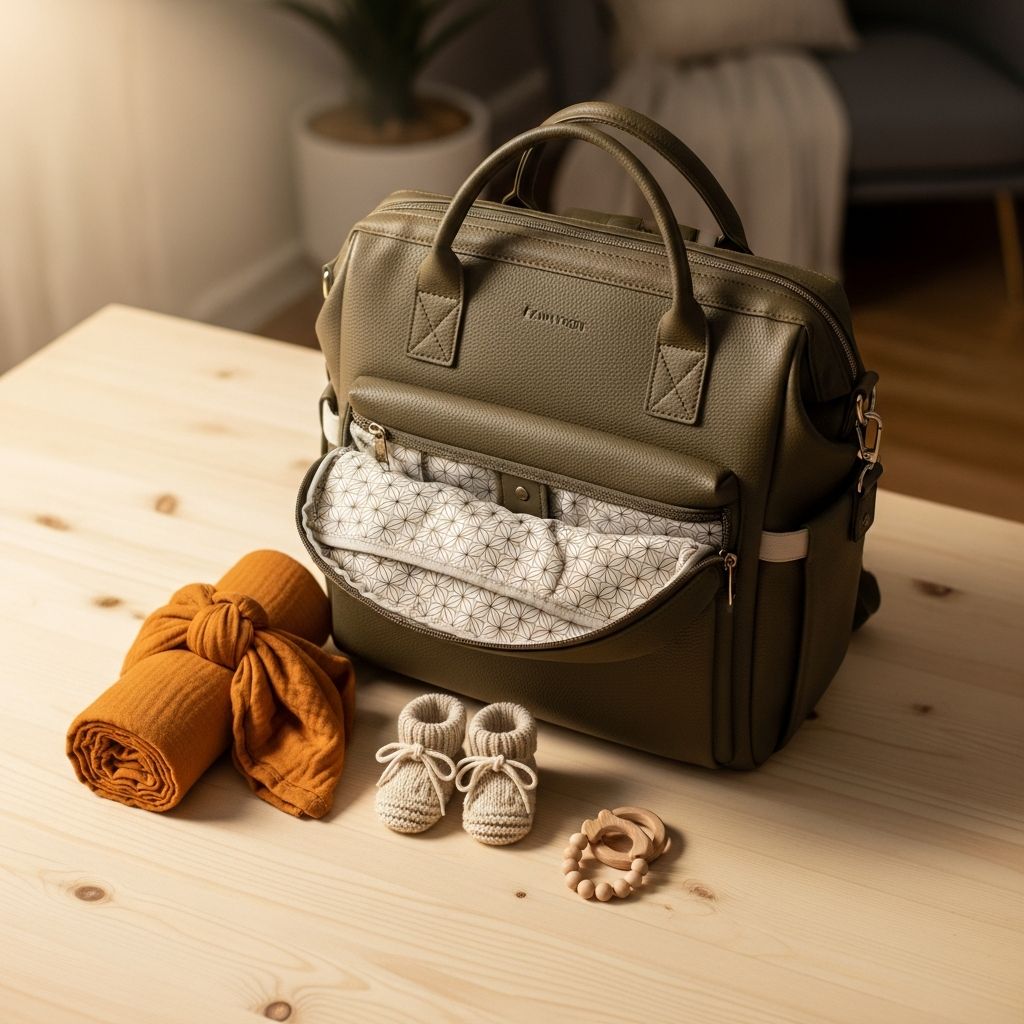
The story of Fawn Design begins with Jenny Wecker, a 21-year-old new mom frustrated by the lack of diaper bags that were both functional and fashionable. Traditional options were either overly utilitarian or sacrificed durability for aesthetics. Inspired by a friend’s complaint about the same issue, Jenny sketched her ideal bag: spacious compartments for diapers, wipes, bottles, and changing pads, yet sleek enough to pair with any outfit.
She spent months perfecting the prototype, testing fabrics for wipeability and strength, and incorporating features like insulated pockets and stroller attachments. By January 2014, Jenny handcrafted her first batch of nearly 100 bags. These sold out rapidly through word-of-mouth among local parents, proving demand for a product that didn’t scream ‘diaper bag.’
- Key Design Innovations: Wipe-clean exteriors, multiple insulated sections, and convertible straps for crossbody or backpack use.
- Material Choices: High-quality leather that ages beautifully, avoiding the cheap plasticky feel of competitors.
- Versatility Focus: Bags double as work totes or travel companions post-baby phase.
This hands-on approach allowed Jenny to iterate quickly based on real-user feedback, setting the foundation for scalable production.
Crowdfunding Triumph: Validating the Vision
With overwhelming initial sales, Jenny launched a Kickstarter campaign in December 2014 to fund manufacturing. Opting for a bold 15-day window instead of the standard 30, she set a modest $25,000 goal. The campaign shattered expectations, raising $42,000 from excited backers eager for stylish parenting solutions.
This success wasn’t just financial; it provided crucial validation. ‘The Kickstarter not only gave me the money to start manufacturing but also confirmed that people truly wanted these bags,’ Jenny reflected. It shifted Fawn Design from a solo sewing operation to a professional brand, enabling partnerships with ethical factories.
| Milestone | Date | Achievement |
|---|---|---|
| First Batch Production | January 2014 | 100 handmade bags sold out |
| First Sale | April 2014 | Sold to idea-originating friend |
| Kickstarter Launch | December 2014 | $42K raised in 15 days |
| Manufacturing Scale-Up | Post-2014 | Ethical production in China |
The table above outlines pivotal moments, illustrating rapid growth fueled by community support.
Social Media: The Engine of Organic Growth
Fawn Design’s ascent owes much to savvy social media use, turning everyday moms into brand evangelists. Platforms like Instagram became virtual showrooms, where Jenny shared behind-the-scenes prototyping, user testimonials, and styled photos of bags in real-life scenarios—from park outings to date nights.
Hashtag campaigns like #WeAreWeCan spotlighted mothers using the bags, fostering a sense of community. User-generated content exploded as parents posted their own photos, tagging Fawn and amplifying reach organically. This peer-to-peer endorsement built trust faster than traditional ads.
Key tactics included:
- Authentic storytelling: Posts about motherhood challenges and triumphs resonated deeply.
- Visual appeal: High-quality images showcased the bags’ luxury without overt sales pitches.
- Engagement loops: Responding to comments and DMs created loyal followers who became repeat buyers.
By prioritizing relatability over polish, Fawn Design cultivated a cult following, with bags often selling out in hours.
Ethical Production and Quality Commitment
Scaling meant choosing partners wisely. Today, Fawn Design bags are crafted in China by an all-female team of mothers, ensuring ethical labor practices and empathy in production. High-grade leathers are selected for longevity, with every stitch tested for durability.
This commitment extends to sustainability: Bags are designed to last beyond the diaper phase, reducing waste. Parents appreciate the investment, as one user noted, ‘It’s not bulky and passes as a normal bag.’
Balancing Business with Motherhood
Jenny’s dual role as CEO and mom shaped Fawn Design profoundly. ‘Becoming a mom has really inspired everything we’re doing,’ she shared. Daily life informed features like easy-access changing mats and bottle warmer pockets, born from her own routines.
Managing both worlds involved delegation: Hiring a team allowed focus on vision while handling operations. Social media remained personal, with Jenny often posting family moments to humanize the brand.
Market Impact and Competitor Edge
Fawn Design disrupted a market dominated by bulky, gendered bags. Competitors offered style but skimped on function; Fawn delivered both. Sales velocity—selling out in days—signals strong demand, with expansions into accessories like changing pads and totes.
Customer loyalty stems from reliability: No zippers failing mid-change or pockets too shallow for essentials. This edge keeps Fawn ahead in a crowded parenting gear space.
Lessons for Aspiring Mompreneurs
Fawn Design’s path offers blueprints for parent entrepreneurs:
- Solve Your Own Pain Points: Jenny’s bag fixed her frustrations first.
- Leverage Crowdfunding: Kickstarter provided funds and proof-of-concept.
- Harness Social Proof: Real moms marketing via shares built credibility.
- Stay Authentic: Motherhood narratives connected emotionally.
- Prioritize Quality: Durable products ensure word-of-mouth buzz.
These strategies prove small ideas, validated digitally, can scale massively.
Frequently Asked Questions (FAQs)
What makes Fawn Design diaper bags unique?
They combine luxury leather aesthetics with practical features like insulated pockets and stroller straps, functioning as everyday bags too.
How did Fawn Design start?
Jenny Wecker handcrafted the first 100 bags in 2014 after a friend’s suggestion, selling out quickly via personal networks.
Was the Kickstarter successful?
Yes, it raised $42,000 in 15 days against a $25,000 goal, funding manufacturing.
Where are Fawn bags made?
Ethically produced in China by a team of mothers using high-quality materials.
Can Fawn bags be used beyond diapering?
Absolutely—sleek designs make them ideal for work, travel, or daily use.
Future Horizons for Fawn Design
Looking ahead, Fawn plans expansions like customizable options and eco-friendly lines. Social media evolution—think TikTok reels and Reels—will sustain growth. Jenny’s story inspires: Motherhood isn’t a barrier; it’s rocket fuel for innovation.
(Word count: 1678)
References
- Meet Jenny: The Mastermind Behind Fawn Design — Baby Cubby. 2014. https://www.babycubby.com/blogs/parenting/meet-jenny-the-mastermind-behind-fawn-design
- A diaper bag to fawn over—how Fawn Design used social media to find success — Mother.ly. N/A. https://www.mother.ly/life/a-diaper-bag-to-fawn-overhow-fawn-design-used-social-media-to-find-success/
- Meet Jenny Wecker, the Mom Behind Fawn Diaper Bags — The Everymom. N/A. https://theeverymom.com/jenny-wecker-career-questions-the-everymom/
- The Best Diaper Bag — Fawn Design (official). N/A. https://fawndesign.com/pages/the-best-diaper-bag
- Meet the Women of #WeAreWeCan: Michelle Pearson — Fawn Design (official). N/A. https://fawndesign.com/blogs/news/meet-the-women-of-wearewecan-michelle-pearson