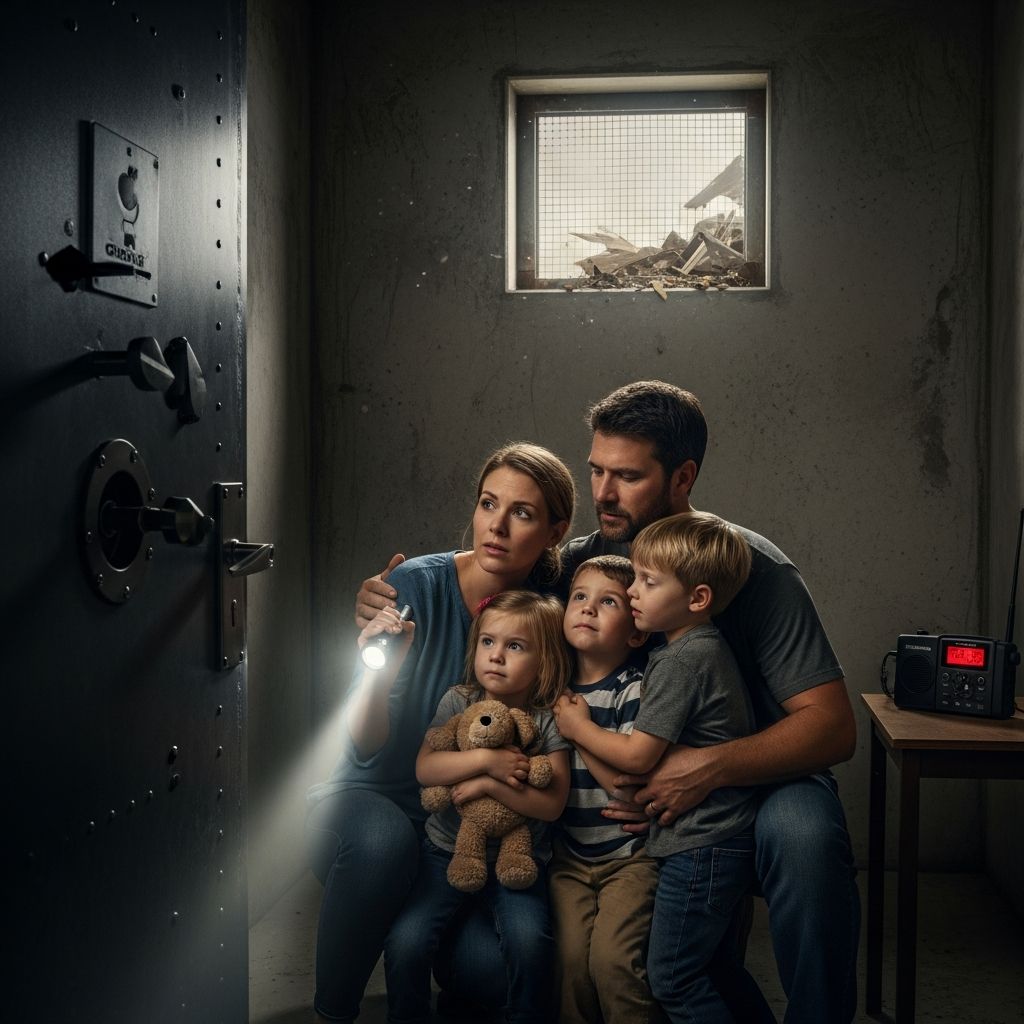
Tornadoes can form quickly and change a family’s life in minutes. Parents who plan ahead, practice safety steps with their children, and know where to go have a much better chance of keeping everyone safe when storms turn serious. This guide walks you through what to do before, during, and after a tornado in clear, kid-friendly ways.
Understanding Tornado Risks in Simple Terms
Explaining tornadoes to kids in calm, simple language helps them feel prepared instead of afraid. A tornado is a powerful rotating column of air that stretches from a thunderstorm cloud to the ground and can damage buildings, trees, and power lines. While they can happen at any time of year, they are more common in the spring and early summer in many parts of the United States.
Let children know that:
- Adults, weather forecasters, and emergency workers watch the weather carefully.
- Warning systems are designed to give families as much notice as possible.
- Practicing a plan is like a safety drill at school — it’s done to keep everyone safe.
Weather Alerts: What Parents and Kids Need to Know
Knowing the different types of alerts can guide your actions and help you explain what is happening to your child.
| Alert Type | What It Means | Family Action |
|---|---|---|
| Tornado Watch | Weather conditions could produce tornadoes. | Review your plan, move supplies nearby, follow local weather updates. |
| Tornado Warning | A tornado has been seen on the ground or indicated by radar. | Go to your safe place immediately and stay there until it is declared safe. |
Have kids practice repeating what a watch and a warning mean so they feel part of the safety team.
Choosing the Safest Places to Shelter
Before storm season, walk through your home and other places your child spends time (school, daycare, a relative’s house) and decide where you would go in a tornado.
Best Shelter Spots at Home
- Basement or storm cellar: This is often the safest place because it is below ground level.
- Interior room on the lowest floor: If you don’t have a basement, choose a small room without windows such as a bathroom, hallway, or closet near the center of the home.
- Away from glass and large heavy objects: Stay away from windows, exterior doors, and rooms with big, unsecured furniture or appliances.
In your chosen safe room, plan how you will:
- Get everyone low to the ground.
- Cover heads and necks with arms, pillows, or a mattress.
- Protect bare feet with sturdy shoes.
If You Live in a Mobile Home or Manufactured Housing
Mobile homes are not safe during strong tornado winds, even if they are tied down. Plan ahead to:
- Know the nearest sturdy building or designated storm shelter.
- Arrange a way to get there quickly, especially at night or if you don’t have a car.
- Leave early when a tornado watch is issued, not when a warning is already in effect.
Safety When Caught Outside or in a Vehicle
Sometimes you may be away from home when a tornado warning is issued. Official guidance recommends:
- In a car: If you can safely reach a sturdy building, go there immediately. If not, as a last resort, you may need to get out, move to a low area like a ditch, lie flat, and protect your head and neck.
- Outdoors on foot: Try to get into a solid building right away. If you cannot, move to low ground, lie flat, and cover your head.
- Bicycles and helmets: Teach kids that if a tornado threatens while they are biking, they should keep helmets on for extra head protection and quickly move to a safe shelter.
Building a Family Tornado Safety Plan
A written, easy-to-follow plan helps everyone react quickly when seconds count. Include these basic pieces:
- Safe places: Clearly list safe rooms at home, school, daycare, and relatives’ houses.
- Communication steps: How your family will contact one another if separated.
- Meeting spots: One safe place near home and one outside your neighborhood.
- Responsibilities: Which adult grabs the emergency kit, who helps younger kids, and who checks on pets.
Keep a copy of the plan on the refrigerator, in your emergency kit, and as a photo on your phone.
Practicing Home Tornado Drills
Practice turns information into instinct. Emergency agencies recommend that families practice severe weather drills regularly so everyone knows what to do.
To run a simple home drill:
- Choose a signal such as a whistle, timer, or phrase like “Tornado drill!”
- Have everyone move quickly to the safe room using the planned route.
- Practice the protective position: low to the floor, facing an interior wall, with heads and necks covered.
- Time the drill and encourage kids by calmly celebrating improvements.
Repeat drills a few times each storm season and adjust the plan if you find obstacles.
Packing Emergency Kits Kids Can Help With
Storms can knock out power, water, and phone service. Government and aid organizations recommend preparing emergency supplies ahead of time so your family can either stay at home or leave quickly if needed.
Basic Stay-at-Home Supplies
- Drinking water (at least several days’ supply for each person).
- Non-perishable foods (canned meals, granola bars, baby food if needed).
- Manual can opener and basic utensils.
- Battery-powered or hand-crank weather radio.
- Flashlights and extra batteries for each family member.
- First aid kit with bandages, disinfectant, and any daily medications.
- Blankets, sleeping bags, and extra pillows.
- Hygiene items (wipes, soap, toothbrushes, diapers if needed).
Grab-and-Go Tornado Bag
Keep a lighter, portable bag near your shelter area or main exit door. Include:
- Copies of important documents in a waterproof pouch (IDs, insurance cards, medical information).
- Small amount of cash.
- Cell phone chargers and a charged power bank.
- Emergency contact list written on paper for each family member.
- Sturdy closed-toe shoes for every person.
- Long pants, long-sleeved shirts, and a light jacket for each family member in case of debris or broken glass.
Special Items for Kids and Vulnerable Family Members
- Comfort items (a favorite small toy, stuffed animal, or blanket).
- Age-appropriate snacks and formula or baby food, if needed.
- Prescribed medications, inhalers, or special medical supplies, labeled clearly.
- Diapers, wipes, and rash cream for infants.
First Aid and Health Readiness
After a major storm, emergency services may be delayed by blocked roads or damaged communication systems. Basic first aid skills help families manage minor injuries until help arrives. Consider:
- Taking a first aid and CPR course, especially if you have older kids or infants.
- Reviewing how to treat cuts, sprains, and minor burns.
- Checking your first aid kit twice a year and replacing expired items.
Coordinating With Schools and Caregivers
Children spend much of their day away from parents. Learn how those places will protect your child during tornadoes and make sure your home plan matches theirs.
- Ask the school or daycare for a copy of their tornado and severe weather procedures.
- Find out where children shelter during drills and real events.
- Confirm how you will be notified during an emergency (text, email, phone call).
- Update emergency contact forms with current phone numbers, medical needs, and who is allowed to pick up your child.
Talk through the school plan with your child so instructions feel familiar and not frightening.
What To Do After the Tornado Passes
Once the winds die down and officials say it is safe to come out, there are still dangers to consider.
Staying Safe in the Aftermath
- Listen to a weather radio or local news for updates and instructions from authorities.
- Watch for broken glass, nails, downed power lines, and unstable debris.
- Keep kids and pets away from damaged buildings and floodwaters.
- Do not touch or go near downed power lines; report them to the utility company or emergency services.
- Use flashlights instead of candles to reduce fire risk.
Checking on Family Health and Needs
- Look everyone over for cuts, bruises, or signs of shock.
- Clean small wounds and apply bandages from your first aid kit.
- Seek medical attention for serious injuries right away.
- Offer water and snacks as soon as it is safe to eat and drink.
Supporting Kids Emotionally After a Storm
Tornadoes can be upsetting for children, even if they were well prepared. Some kids may feel clingy, have trouble sleeping, or want to talk about the storm repeatedly. You can help by:
- Reassuring them that they are safe now and that adults are working to repair damage.
- Letting them share their feelings through talking, drawing, or play.
- Keeping routines (meals, bedtime) as normal as possible.
- Limiting repeated exposure to scary news images.
Talking to Kids About Tornadoes Without Scaring Them
Children take their emotional cues from the adults around them. Calm, honest communication builds confidence.
When you discuss tornadoes:
- Use simple, age-appropriate language (“A tornado is a very strong wind storm. We have a plan to stay safe.”).
- Explain that drills are like practice games that help everyone know what to do.
- Encourage questions and answer them truthfully without adding unnecessary details.
- Highlight community helpers such as meteorologists, first responders, and utility workers.
Quick Family Tornado Safety Checklist
- Know the difference between a tornado watch and a tornado warning.
- Choose safe rooms at home and know where your child shelters at school.
- Create and practice a written family tornado plan.
- Prepare both stay-at-home and grab-and-go emergency kits.
- Update emergency contacts and medical information for every family member.
- Teach kids how to protect their heads and necks during a drill.
Frequently Asked Questions (FAQs)
How often should we practice a home tornado drill with our kids?
Many safety experts recommend practicing severe weather drills at least once or twice a year and more often during active storm seasons so that children remember what to do without panicking.
What if my child is at school or daycare when a tornado happens?
Schools and child care programs in tornado-prone areas are encouraged to have written plans and conduct regular drills. Ask for a copy of the plan, talk it over with your child, and make sure your contact information is current so you can receive timely updates.
Do we really need a weather radio if we have smartphones?
Phones are helpful, but they can lose power or signal during severe storms. A battery-powered or hand-crank weather radio is recommended as a backup so you can still receive official warnings and instructions if networks fail.
How can I tell if my home’s safe room is a good choice?
A good shelter space is on the lowest floor, away from windows, in a small interior room or hallway, with as many walls as possible between you and the outside. If you have questions about structural safety, consider asking a local building professional or emergency management office.
My child is very anxious about storms. What can I do?
Focus on what you and your child can control: making a plan, preparing your supplies, and practicing calm drills. Keeping routines, limiting exposure to distressing news, and offering extra reassurance after storms can also reduce anxiety. If fear interferes with sleep or daily activities, consider talking with your child’s health care provider.
References
- Tornado Safety Tips — American Red Cross. 2024. https://www.redcross.org/get-help/how-to-prepare-for-emergencies/types-of-emergencies/tornado.html
- Prepare! Don’t let Tornadoes Take You by Surprise — National Weather Service (NOAA). 2023-03-15. https://www.weather.gov/safety/tornado-prepare
- Tornado Safety Tips — Massachusetts Emergency Management Agency (Mass.gov). 2022-05-10. https://www.mass.gov/info-details/tornado-safety-tips
- The Ultimate Guide to Tornado Preparedness — Hope Force International. 2023-04-01. https://hopeforce.org/tornadoes/the-ultimate-guide-to-tornado-preparedness/
- Preparing for Tornado Season — Office of Head Start, U.S. Department of Health and Human Services. 2022-04-14. https://headstart.gov/publication/preparing-tornado-season
- Tornado preparedness for pregnant women and families with infants — American Public Health Association (GetReady). 2019-01-01. http://www.getreadyforflu.org/resources/fact-sheets/family-tornadoes