Understanding the Shift Toward Comprehensive Size Options in Athletic Apparel
The athletic apparel industry has undergone significant transformation in recent years, with a growing emphasis on making performance wear accessible to women of all body types. This evolution represents more than just adding larger sizes to existing collections; it reflects a fundamental reimagining of how brands approach design, fit, and representation. Athletic companies are recognizing that true inclusivity requires intentional effort, comprehensive planning, and a commitment to serving customers across the full spectrum of body sizes.
The movement toward broader sizing options stems from both market demand and a cultural shift in how the fashion and athletic industries view their responsibility to consumers. Women seeking quality athletic wear in extended sizes have historically faced limited options, forcing them to choose between fit, style, and performance features. By expanding their size ranges, brands are acknowledging this gap and working to ensure that performance, quality, and contemporary design are available regardless of size.
The Strategic Approach to Redesigning Fit Across Multiple Size Ranges
Creating clothing that fits well across an extended size range requires substantially different methodology than simply scaling up existing patterns. Leading athletic brands now invest years in research and development to ensure that garments maintain their performance characteristics, aesthetic appeal, and structural integrity across all sizes.
The process begins with extensive consultation with consumers across different size ranges. Design teams conduct wear-testing sessions, gather feedback on comfort and functionality, and make iterative adjustments to ensure that each size performs as intended. Rather than using traditional grading methods that simply enlarge or reduce a standard size block, progressive brands create separate design blocks for extended sizes. This approach ensures that proportions remain appropriate and that garments fit naturally rather than appearing stretched or distorted.
Technical considerations play a crucial role in this process. Seam placement, strap length, and underarm gusset dimensions all require adjustment to accommodate different body proportions. Performance features such as moisture-wicking capabilities, compression levels, and support mechanisms must function equally well across the entire size spectrum. This level of attention to detail distinguishes thoughtful size expansion from superficial attempts at inclusivity.
Transforming the In-Store Shopping Experience
The physical retail environment plays a vital role in making extended sizing feel genuinely inclusive rather than like an afterthought. Strategic brands are reimagining store layouts to normalize extended sizes and ensure that customers of all sizes feel welcome and represented.
One transformative approach involves merchandising extended sizes alongside standard sizes rather than segregating them to separate sections. When a customer browses a style, they encounter the full range of available sizes displayed together on the same rack or shelving unit. This strategy eliminates the stigma traditionally associated with shopping in specialized sections and reinforces the message that all sizes are equally valued.
Visual representation through size-inclusive mannequins represents another crucial element of the in-store experience. Traditional mannequin displays typically feature only smaller sizes, creating an unconscious message that these are the “aspirational” or “normal” body types. By displaying clothing on mannequins representing various sizes and body shapes, retailers provide customers with accurate representations of how garments fit and appear on different figures. This visual inclusivity helps customers make informed decisions and see themselves represented in the brand’s vision.
Staff training programs focused on inclusive service create an additional layer of in-store inclusivity. When store associates receive education on body-positive language, the principles of size inclusivity, and how to assist customers across all sizes, they contribute to a welcoming environment. Associates trained to discuss fit, function, and personal preference rather than size numbers help shift conversations away from weight and toward style and performance.
Digital Retail Strategies for Inclusive Shopping
Online shopping platforms offer unique opportunities to advance size inclusivity beyond what physical stores can achieve. Progressive athletic brands are leveraging digital tools to create shopping experiences that celebrate body diversity and make size selection feel empowering rather than limiting.
Digital platforms can feature clothing displayed on models representing various sizes, body shapes, and ethnicities. When an online shopper browses a style, they can view the same garment on multiple body types, helping them visualize how it might fit their own frame. This approach provides valuable information that sizing charts alone cannot convey and helps reduce purchase hesitation and returns.
Advanced filtering and search capabilities make it easier for customers to find styles available in their size. Rather than requiring extended-size shoppers to spend additional time searching or navigate to separate sections, well-designed platforms integrate size availability into the browsing experience seamlessly. Product pages can include customer reviews from people wearing each size, providing peer insights into fit and quality across the size range.
The digital environment also enables brands to tell inclusive stories through targeted content and marketing. Rather than presenting size inclusivity as a secondary initiative, leading brands weave diversity into their overall brand narrative. Editorial content, styling guides, and inspirational imagery featuring athletes and active women across size ranges reinforce the message that fitness, strength, and style exist at every size.
Expanding Collections Through Ongoing Development
True commitment to size inclusivity involves not just launching extended sizes but continuously expanding the percentage of the collection available in those sizes. Successful brands set ambitious timelines for rolling out extended sizing across all product categories rather than limiting it to select styles.
Initial launches typically focus on best-selling styles and core categories, allowing brands to perfect fit and gather customer feedback before scaling more broadly. As confidence and expertise increase, extended sizes gradually become available across a wider range of styles, including specialized categories such as sports bras, swimwear, and performance-specific apparel. Over time, the goal becomes making extended sizes the norm rather than the exception.
Seasonal product development cycles provide ongoing opportunities to introduce new styles in extended sizes. By prioritizing extended sizes during the design phase rather than treating them as an afterthought, brands ensure that innovation and fresh designs benefit all customers simultaneously. This approach also eliminates the frustration that extended-size customers experience when they see styles they love available only in standard sizes.
The Broader Industry Context and Competitive Landscape
The athletic apparel industry remains competitive, with multiple brands vying for market share among consumers seeking quality performance wear. Size inclusivity has emerged as a meaningful differentiator, with customers increasingly choosing brands that align with their values around body acceptance and representation.
Market analysis reveals that consumers across all size ranges appreciate when brands make genuine efforts toward inclusivity. Even customers who wear standard sizes often support and patronize brands that demonstrate commitment to serving the full spectrum of body types. This expanded customer loyalty creates business incentive for comprehensive sizing initiatives beyond simple moral imperative.
The extended-size athletic wear market continues growing, driven both by demographic realities and by changing cultural attitudes toward body diversity. As more consumers prioritize fitness and active lifestyles, demand for quality athletic wear in extended sizes grows correspondingly. Brands that position themselves as leaders in this space gain first-mover advantages and establish lasting relationships with diverse customer bases.
Marketing Messages That Reinforce Inclusivity
The messaging that brands use when promoting extended sizing sends powerful signals about their true commitment to inclusivity. Effective campaigns frame size expansion not as a special offering or niche market accommodation but as a fundamental element of the brand’s identity and mission.
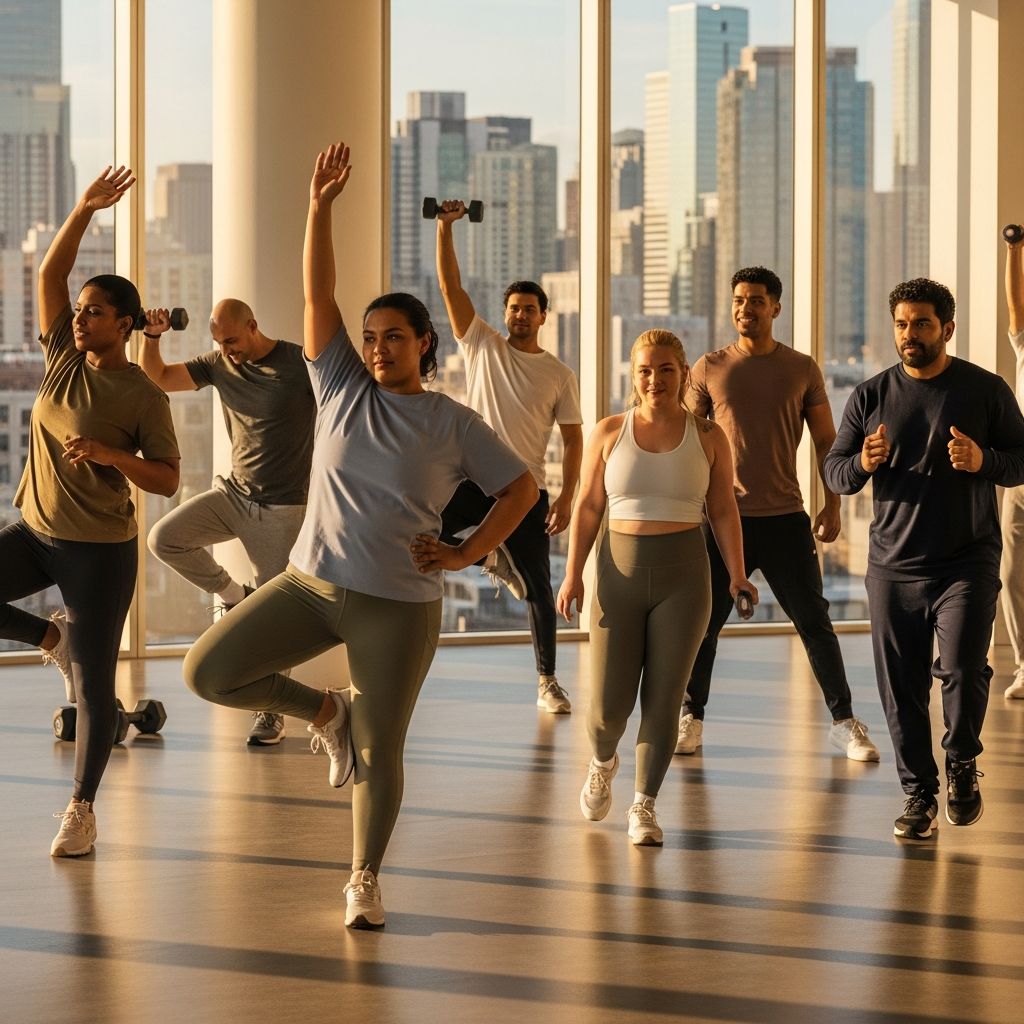
Inclusive marketing campaigns feature diverse models in authentic scenarios, celebrating strength, capability, and confidence at all sizes. Rather than using euphemistic or diminishing language when discussing extended sizes, leading brands employ the same confident, aspirational tone they use for all customer segments. Marketing visuals and copy position extended sizes as simply another way the brand serves its community rather than as a separate or supplementary initiative.
Storytelling plays a particularly powerful role in reinforcing inclusive messaging. Brands that share stories of customers across size ranges—their fitness journeys, their style preferences, their experiences with the brand—create emotional connections and demonstrate that people of all sizes belong within the brand community. Manifesto-style campaigns that explicitly articulate the brand’s commitment to empowerment and inclusivity provide clear communication about values and priorities.
Sustainability and Extended Sizing Considerations
Expanding size ranges represents an additional complexity for brands committed to sustainable production practices. Larger pieces require more material, and increasing style variations across multiple sizes creates supply chain challenges. However, progressive brands view this as an opportunity to strengthen sustainability commitments rather than a reason to delay inclusive initiatives.
Sustainable design practices such as efficient pattern grading, thoughtful material selection, and responsible manufacturing become even more important when serving broader size ranges. Some brands use their extended sizing initiatives as an opportunity to source more sustainable materials and partner with manufacturers committed to ethical labor practices. By integrating sustainability into their size inclusivity work, brands can advance multiple important goals simultaneously.
Frequently Asked Questions About Extended Sizing in Athletic Apparel
Q: How is extended sizing different from simply making clothes bigger?
A: Extended sizing involves completely redesigning garments to ensure appropriate fit and proportions across different body types. Rather than simply enlarging patterns, designers create separate design blocks for extended sizes, accounting for differences in body proportions and adjusting technical features accordingly.
Q: Why did it take athletic brands so long to offer extended sizing?
A: Proper extended sizing requires substantial investment in design, testing, and manufacturing infrastructure. Brands must completely rethink their design processes and invest in wear-testing with diverse body types. This complexity makes genuine extended sizing more challenging than superficial size expansion.
Q: Are extended sizes more expensive than standard sizes?
A: Pricing varies by brand. Some companies charge the same price across all sizes, while others may charge slightly more for extended sizes to reflect additional material costs. The trend increasingly moves toward consistent pricing as extended sizing becomes normalized.
Q: How can I tell if a brand’s extended sizing is genuinely inclusive?
A: Look for brands that merchandise extended sizes alongside standard sizes, employ diverse models in marketing materials, invest in staff training around inclusive service, and continuously expand the percentage of their collection available in extended sizes.
Q: Will extended sizing eventually become standard across the entire athletic apparel industry?
A: Market demand and evolving consumer values suggest that comprehensive sizing will increasingly become an industry norm. Brands that fail to offer genuine extended sizing may find themselves at a competitive disadvantage as consumers increasingly choose companies aligned with their values.
References
- Athleta launches extended sizing — Fashion United. 2021-01-22. https://fashionunited.com/news/retail/athleta-launches-extended-sizing/2021012237628
- Athleta extends sizing to offer sizes up to 3X — ABC News. 2021-01-21. https://abcnews.com/GMA/Shop/athleta-extends-sizing-offer-sizes-3x/story?id=75408455
- From extended sizing to pro athletes: Inside Athleta’s play for dominance in athletic apparel — Glossy. 2019. https://www.glossy.co/fashion/from-extended-sizing-to-pro-athletes-how-athleta-is-aiming-for-dominance-in-athletic-apparel/
- Athleta extends sizing across its collection — Retail Dive. 2021-01-21. https://www.retaildive.com/news/athleta-extends-sizing-across-its-collection/593826/
- Athleta Adds Extended Sizing to 350 Styles in Its 200 Stores and Online — NASDAQ. 2021-01-21. https://www.nasdaq.com/press-release/athleta-adds-extended-sizing-to-350-styles-in-its-200-stores-and-online-2021-01-21