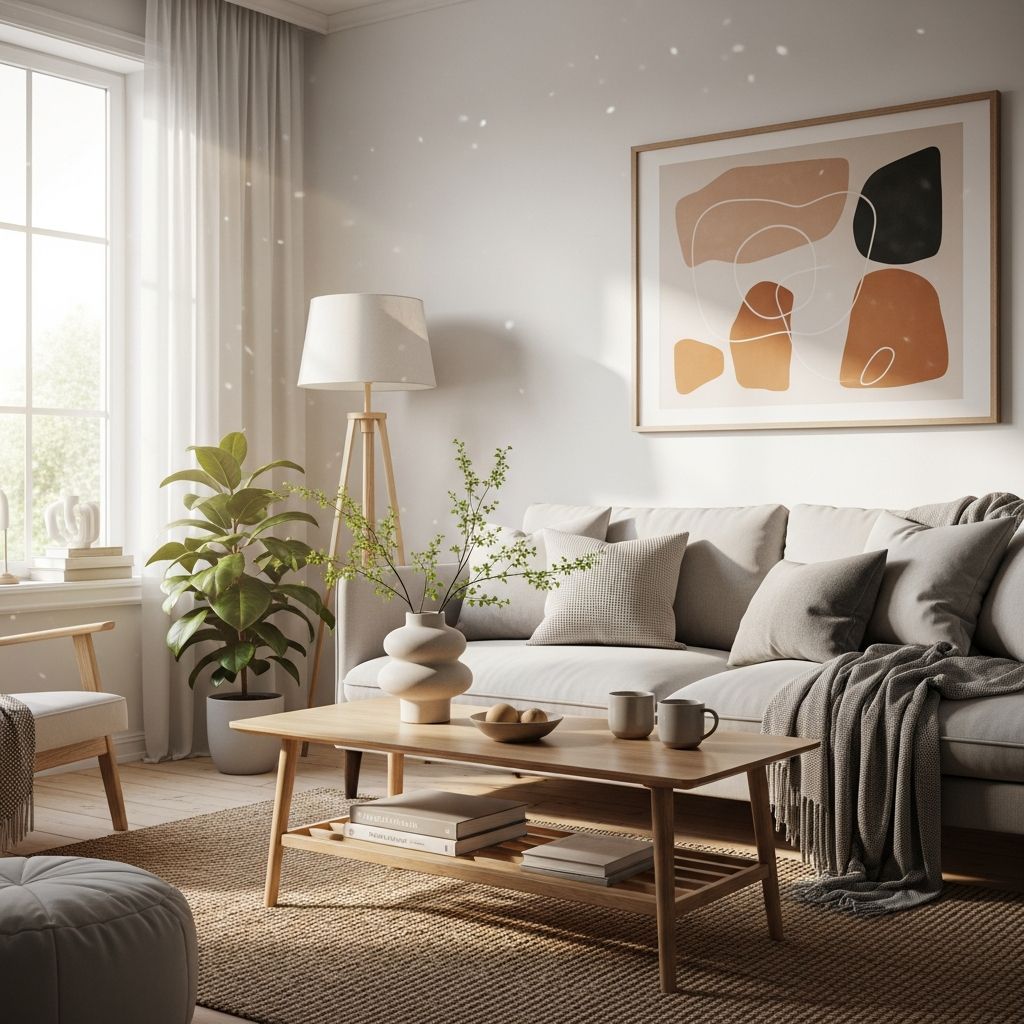
The minimalist design movement has captured the imagination of homeowners seeking cleaner, more organized living spaces. However, a common misconception persists that minimalism requires sacrificing comfort, warmth, and the character that makes a house feel like a true home. This contradiction becomes particularly challenging for families who want uncluttered environments without losing the personal touches that reflect their loved ones’ personalities and daily lives. The solution lies in understanding that minimalism and familial warmth are not mutually exclusive—they can exist harmoniously when approached with intentionality and thoughtful planning.
Modern families face the challenge of maintaining organized homes while accommodating the natural collection of items that comes with raising children. Toys, books, artwork, and everyday essentials inevitably accumulate. Rather than viewing this as a failure of minimalist principles, forward-thinking families have discovered that the core philosophy of minimalism—keeping only what serves a purpose or brings joy—provides a framework for creating spaces that feel both serene and deeply connected to the people who inhabit them. This approach transforms minimalism from a rigid aesthetic into a flexible lifestyle philosophy that celebrates meaningful possessions while eliminating unnecessary clutter.
The Foundation: Understanding Warm Minimalism for Family Living
Warm minimalism represents an evolution of traditional minimalist design, one that prioritizes human comfort alongside simplicity. This approach recognizes that beautiful, functional homes need not feel sterile or institutional. Instead, warm minimalism integrates natural textures, inviting color palettes, and personal elements that ground a space in authenticity. For families, this philosophy becomes particularly valuable because it acknowledges that homes with children require both order and expression, both organization and identity.
The distinction between cold minimalism and warm minimalism lies primarily in material choices, color temperature, and the intentional inclusion of personal elements. Where stark minimalism might feature white walls, metal furniture, and sparse decoration, warm minimalism embraces cream tones, natural wood, layered textiles, and carefully curated personal touches. This subtle shift dramatically changes how a space feels while maintaining the core benefits of minimalist design: reduced visual chaos, improved functionality, and a calming atmosphere.
Establishing Your Color Foundation
The color palette you select serves as the visual foundation for your entire home environment. Rather than defaulting to pure white, which can feel institutional, consider warm neutral tones that create a cozy backdrop for family life. Soft whites with warm undertones, creams, pale beiges, greiges (the sophisticated blend of grey and beige), and gentle taupes provide the minimalist foundation while contributing genuine warmth to your spaces.
These neutral base colors accomplish multiple objectives simultaneously: they make rooms feel larger and more peaceful, they provide a cohesive backdrop that lets personal elements stand out, and they reflect natural light beautifully throughout your home. The key is selecting shades with warm undertones rather than cool, gray-leaning neutrals that can create an uninviting atmosphere.
Once your neutral foundation is established, you can thoughtfully introduce accent colors through larger elements like sofas, rugs, and curtains. Warm accent colors that work particularly well in family homes include soft olive greens, terracotta, blush pink, camel, rust, and mustard yellow. These colors add personality and visual interest without requiring you to fill your spaces with numerous decorative objects.
The Power of Natural Materials and Textures
In a minimalist home, the materials you select become even more important because fewer items occupy your visual field. Natural materials such as wood, linen, wool, stone, and cotton contribute inherent warmth that synthetic alternatives cannot replicate. These materials possess character, depth, and a sense of authenticity that transforms a sparsely furnished room from feeling empty to feeling intentionally curated.
Incorporating wood in various forms provides substantial visual and tactile warmth. A reclaimed wood dining table, solid wood bed frame, or natural wood shelving immediately grounds a space and introduces the organic beauty of nature indoors. Similarly, introducing layered textiles creates dimension within a minimal framework. A chunky knit throw draped over a simple sofa, a wool area rug anchoring your living room, or linen curtains filtering natural light through windows all add softness and comfort without requiring excessive quantities of items.
Textural variety prevents minimalist spaces from feeling flat or monotonous. The contrast between smooth ceramic surfaces, rough woven baskets, soft upholstery, and sleek wood creates visual interest that maintains viewer engagement without introducing clutter. This textural layering is particularly valuable in family homes where you want spaces to feel inviting and comfortable for children and adults alike.
Displaying Personal Identity Through Thoughtful Curation
One of the most powerful ways to transform a minimal home into a warm family space involves thoughtfully displaying elements that reflect your family’s identity and relationships. Rather than covering walls with numerous framed photographs or cluttering shelves with endless memorabilia, the minimalist approach to personal display emphasizes quality over quantity and intentional placement.
Consider displaying meaningful family photographs in coordinated frames using consistent materials and finishes. This creates a gallery wall that feels curated rather than chaotic. Similarly, framing children’s artwork provides a beautiful, ever-changing display of their creativity and development. Rather than posting every drawing on the refrigerator, select pieces that showcase their artistic growth, rotating displays seasonally or as new masterpieces emerge.
Personal items serve a dual purpose in warm minimalist homes: they provide genuine joy and connection to family members while simultaneously contributing to the aesthetic of the space. A beautiful handmade ceramic bowl from a family member’s pottery class, a plant propagated from a grandmother’s garden, or artwork created by your children all carry emotional weight alongside their decorative function. This approach to displaying personal elements ensures that your home tells your family’s story while maintaining visual order and intentionality.
Strategic Storage Solutions That Support Both Organization and Safety
Families with children require robust storage systems that simultaneously hide clutter and ensure items remain accessible. The minimalist approach to storage emphasizes concealment without complexity. Rather than displaying toys, books, and supplies throughout your home, invest in thoughtful storage furniture that contains these items while maintaining the visual cleanliness that defines minimalist spaces.
Low-profile storage benches, baskets that coordinate with your color palette, wall-mounted shelving with concealed backing, and furniture pieces that serve dual purposes (storage plus seating, for example) allow you to maintain a minimal aesthetic while accommodating the genuine needs of family life. The philosophy here involves hiding the infrastructure of family living—the educational toys, craft supplies, and seasonal items—while leaving the space open and calm for actual living.
Safety considerations become particularly important when designing storage for homes with young children. Securing plants in weighted, baby-proof baskets prevents curious toddlers from accessing soil while still allowing you to enjoy the air-purifying and aesthetic benefits of indoor greenery. Storing sharp objects, small choking hazards, and cleaning supplies in closed, locked cabinets combines minimalist organization with practical childproofing. This integration of safety into your design strategy ensures that your minimalist home supports your family’s wellbeing across all age ranges.
Creating Functional Living Spaces for Active Families
Family homes require furniture and spaces that accommodate active daily life: playing, learning, eating together, and relaxing. Rather than viewing these activities as obstacles to minimalist design, thoughtful families integrate them into their aesthetic by selecting furniture that serves multiple purposes while maintaining clean lines and minimal visual footprint.
A coffee table in your living room, for instance, can simultaneously serve as a display surface for your family’s favorite books and puzzles, provide rounded edges for safety as babies learn to walk, and offer hidden storage compartments for items you use regularly. This multipurpose approach allows your furniture to support your family’s actual life while contributing to rather than detracting from minimalist principles.
The living room often serves as the heart of family homes, hosting playing, movie watching, reading, and conversation. Designing this central space with a minimalist lens means selecting a few high-quality pieces that genuinely serve your family’s needs rather than filling the room with numerous smaller furniture items. This approach creates an open, peaceful environment that remains functional for the dynamic activities families require.
Integrating Natural Elements for Continuous Vitality
Living plants represent one of the most effective strategies for introducing continuous, living color into minimal spaces without introducing clutter. Beyond their aesthetic contribution, plants improve indoor air quality and create a connection to the natural world. For families with children, plants offer opportunities to develop environmental awareness and responsibility through gardening activities.
Strategic plant placement transforms minimal spaces into living, breathing environments. Rather than scattering numerous small plants throughout your home, consider featuring a few larger specimens or creating a grouping of plants in a specific area. Coordinating plant containers with your color palette ensures they contribute to rather than distract from your overall aesthetic.
Natural elements extend beyond living plants. Incorporating branches, stones, and natural materials gathered from outdoor experiences creates organic décor elements that connect your family to nature and memory. These items cost nothing or very little while adding authentic character and reminding family members of shared experiences and adventures.
Lighting as Both Functional and Aesthetic Element
Lighting design profoundly influences how warm or cold a minimal space feels. Layered lighting using various sources creates depth and warmth while maintaining functionality. Soft, warm-toned floor lamps, table lamps with linen shades, and strategically placed accent lighting work together to prevent your home from feeling harsh or institutional.
The color temperature of your light bulbs significantly impacts the atmosphere you create. Warm white bulbs (2700K color temperature) enhance the cozy feeling of your neutral palette, while bright white or cool-toned lighting can undermine your warmth efforts. This seemingly small technical choice dramatically affects how your family experiences your home throughout the day and evening.
FAQ: Common Questions About Minimalist Family Living
Q: How can I maintain minimalism with children’s toys and belongings?
A: Implement a thoughtful rotation system where only a curated selection of toys remains visible while others stay stored. Establish clear categories for items and use attractive storage containers that coordinate with your décor. Regularly assess what toys and possessions genuinely serve your children’s development and happiness, releasing those that no longer do.
Q: Won’t a minimal home feel impersonal or cold?
A: Only if you overlook the warm minimalism approach. By incorporating natural materials, warm color tones, personal displays, and textural variety, your minimal home becomes deeply personal and inviting. The key is selecting fewer items intentionally rather than purchasing more items to fill space.
Q: What’s the best starting point for transitioning to minimalist family living?
A: Begin with your color palette and foundational materials. Paint walls in warm neutrals, invest in natural wood and textile pieces, and then gradually reduce visible items while establishing storage systems. Involve family members in the process so everyone understands and supports the transition.
Q: Can I use color in a minimalist family home?
A: Absolutely. Introduce color through larger elements like rugs, sofas, and curtains using warm, muted tones. This adds personality while maintaining minimalist principles. Accent colors should coordinate with your neutral base and be limited to prevent visual overwhelm.
Q: How do I balance minimalism with displaying my children’s artwork?
A: Create a dedicated gallery wall using consistent frames and matting. Rotate displays seasonally or monthly, photograph pieces for memory books, and be selective about which artwork you display. This honors your children’s creativity while maintaining intentional curation.
References
- Warm Minimalism: How to Create a Calm & Elegant Home — Suzie Anderson Home. 2024. https://www.suzieandersonhome.com/a/blog/warm-minimalism-how-to-create-a-calm-textural-elegant-home
- Minimalist Home Decor That Still Feels Warm — SpaceJoy. 2024. https://www.spacejoy.com/interior-designs-blog/minimalist-home-decor-that-feels-warm
- Embracing Warm Minimalism: A Guide to Cozy, Clutter-Free Living — Scandinavian Designs. 2024. https://scandinaviandesigns.com/blogs/the-scandinavian-style-edit/warm-minimalism
- Minimalist Home: Adding Warmth Without Adding Stuff — Miss Minimalist. 2011. https://www.missminimalist.com/2011/02/adding-warmth-and-charm-to-your-minimalist-home/
- 6 Simple Ideas to Create a Warm Minimalist Home — Your DIY Family. 2024. https://yourdiyfamily.com/2024/11/6-simple-ideas-to-create-a-warm-minimalist-home/