Understanding Sibling Rivalry
Sibling rivalry is a common challenge in many families, often rooted in competition for attention, resources, or parental approval. While some level of conflict is normal, persistent rivalry can impact family harmony and children’s emotional well-being. Recognizing the underlying causes—such as jealousy, differences in personality, or unmet needs—helps parents address the issue constructively.
Core Principles for Reducing Sibling Conflict
- Model respectful communication and conflict resolution in your own interactions.
- Avoid comparing siblings or labeling them, as this can fuel resentment and competition.
- Encourage each child’s individuality and celebrate their unique strengths.
- Establish clear, positive family rules that everyone agrees to follow.
Practical Strategies for Parents
One-on-One Time
Spending dedicated time with each child strengthens their sense of security and reduces competition for attention. Even ten minutes a day of focused interaction—such as reading together, playing a game, or simply talking—can make a significant difference in how siblings relate to each other.
Encourage Positive Interactions
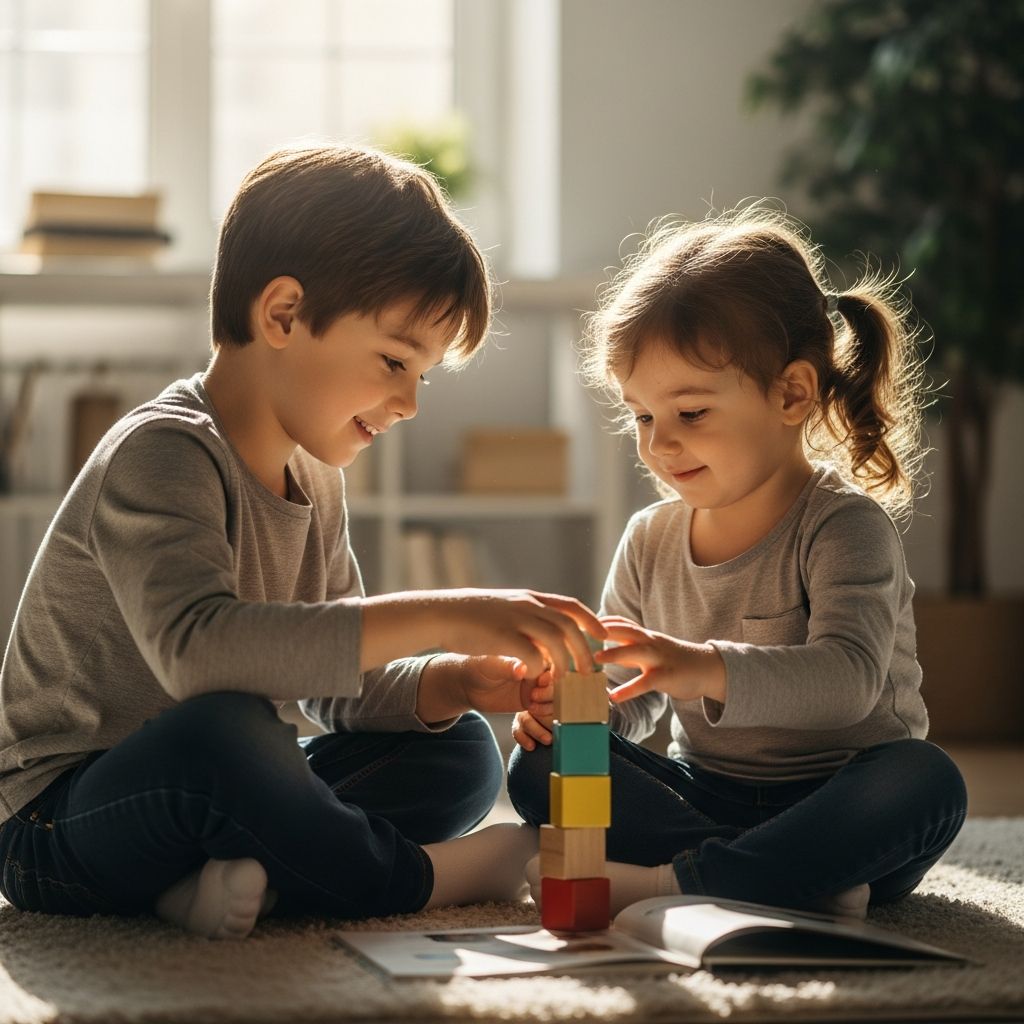
Notice and praise moments when siblings cooperate, share, or show kindness to one another. Specific praise, such as “I saw how you helped your brother with his homework—that was really thoughtful,” reinforces prosocial behavior and motivates children to repeat it.
Set Up Routines and Fair Systems
Clear routines for chores, playtime, and shared spaces minimize disputes over turns and resources. For example, rotating who chooses the movie or game each week, or assigning specific times for bathroom use, helps children feel that things are fair and predictable.
Teach Conflict Resolution Skills
Guide children through resolving disagreements by listening to each side, validating their feelings, and helping them brainstorm solutions together. Role-playing scenarios or discussing past conflicts can help children practice these skills in a safe environment.
Provide Private Spaces and Special Items
Allow each child to have some personal belongings or a private space they don’t have to share. This helps them feel respected and reduces territorial disputes.
Sample Daily Routine Table
| Activity | Child A | Child B |
|---|---|---|
| TV Time | 6:30–7:00 PM | 7:30–8:00 PM |
| Game Choice | Saturday | Sunday |
| Bathroom Use | Morning First | Afternoon First |
| Chores | Garbage Duty (Week 1) | Drying Dishes (Week 1) |
FAQs: Sibling Rivalry
How can I stop my children from fighting all the time?
Consistently reinforce positive behavior, set clear routines, and provide each child with individual attention. When conflicts arise, guide them through resolution rather than taking sides.
Should I intervene in every sibling argument?
Intervene only when there is physical or emotional harm, or when the conflict is escalating. Otherwise, allow children to practice resolving minor disagreements on their own.
How do I handle favoritism accusations?
Be mindful of your words and actions. Celebrate each child’s achievements in a way that is appropriate for them, and avoid comparing siblings.
What if one child is always the aggressor?
Address the behavior calmly and consistently, focusing on teaching empathy and problem-solving skills. If the pattern persists, consider seeking professional guidance.
Conclusion
Building peaceful sibling relationships requires patience, consistency, and a focus on positive reinforcement. By modeling healthy communication, providing individual attention, and teaching conflict resolution, parents can transform rivalry into cooperation and lasting bonds.