If you are looking for a simple, exciting way to entertain toddlers and preschoolers during the fall season, an exploding pumpkin science activity is an ideal mix of Halloween fun and early STEM learning.
What Is the Exploding Pumpkin Activity?
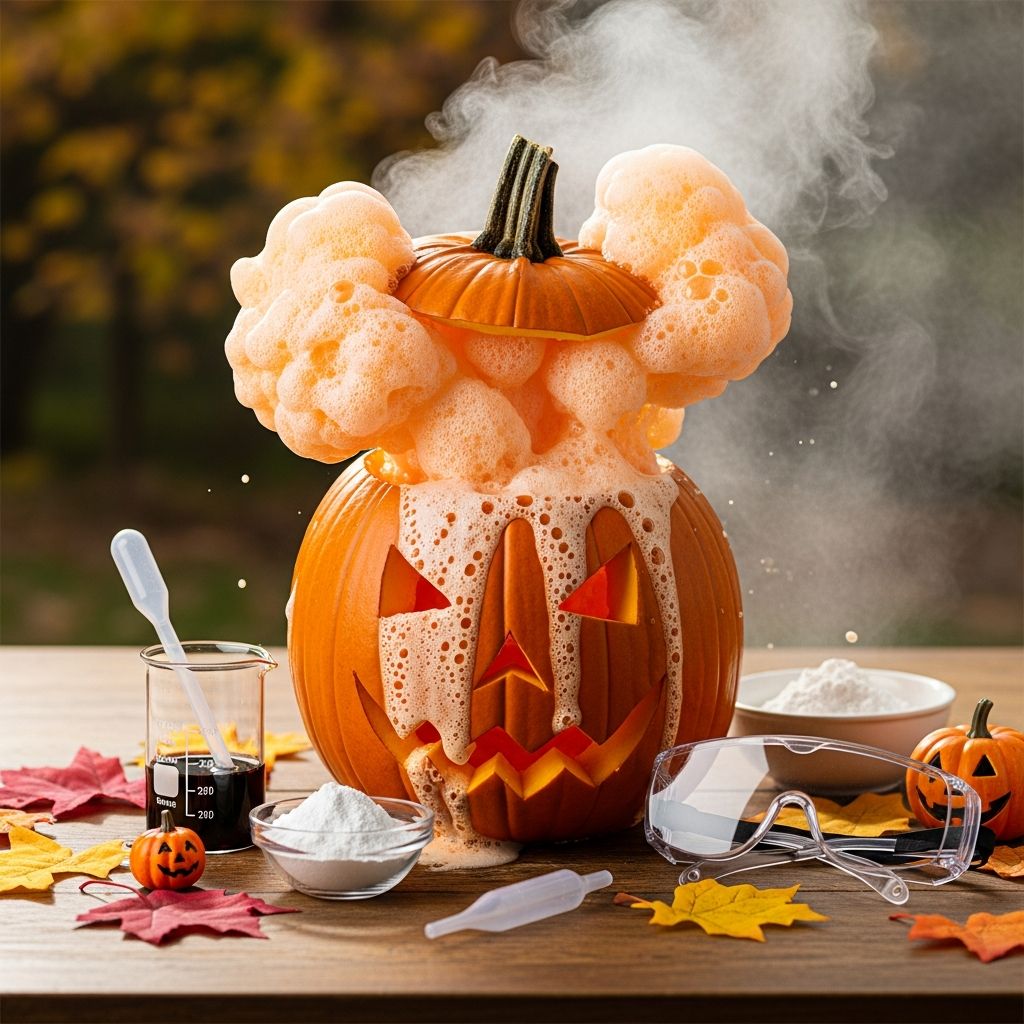
The exploding pumpkin activity is a hands-on science experiment where a hollowed-out pumpkin is filled with simple ingredients that react together to create fizzing, foaming “explosions” that bubble over the top. It looks dramatic, but it is designed to be gentle, playful, and safe when set up correctly for young children.
This style of activity has become popular with parents who want to keep toddlers entertained, especially when stuck indoors, while also sparking curiosity about cause and effect, textures, colors, and basic chemistry concepts in an age-appropriate way.
Why Kids (and Parents) Love It
- Visually exciting: Foamy, colorful bubbles overflow from the pumpkin, giving kids a big “wow” moment.
- Simple ingredients: The activity uses common household materials, so there is no need for special supplies.
- Short attention span–friendly: The main reaction happens quickly, which is perfect for toddlers who lose interest fast.
- Replayable: You can reset the pumpkin and repeat the explosion several times in one session.
Parents often use this type of experiment as a screen-free alternative when kids are stuck at home and full of energy, especially during the buildup to Halloween.
Supplies You Will Need
One of the biggest advantages of this exploding pumpkin activity is that it uses inexpensive, easy-to-find items. Exact brands do not matter, and you can adapt based on what is already in your kitchen.
Basic Materials
- 1 small or medium pumpkin (real or craft-style hollow pumpkin)
- Baking soda
- Vinegar
- Dish soap (optional but helps create thicker foam)
- Food coloring or liquid watercolors (for colorful eruptions)
- Spoon or small scoop
- Cup or small pitcher for pouring vinegar
- Tray, baking sheet, or large container to catch the mess
- Towels, paper towels, or wipes for quick cleanup
Optional Extras for Play
- Plastic eye droppers, pipettes, or squeeze bottles for slow motion fizzing
- Small cups or bowls for separating colors
- Child-safe scoops, spoons, or measuring cups for sensory play
- Simple decorations to turn the pumpkin into a friendly jack-o’-lantern face
How to Prepare the Pumpkin
Before kids get involved in the experiment, an adult should prepare the pumpkin. This step can be as simple or as decorative as you like, depending on the time and energy you have.
- Choose a pumpkin size: A small to medium pumpkin is usually easier to handle. A big pumpkin works too but may require more ingredients.
- Cut off the top: An adult should carefully cut a lid from the top of the pumpkin, the same way you would when carving a jack-o’-lantern.
- Scoop out the inside: Remove the seeds and stringy pulp. You can save the seeds for roasting or for a separate sensory bin activity.
- Optional: Add a face: Carve or draw a simple smiley face or spooky expression if you want the foam to flow out of the eyes and mouth.
- Place on a tray: Set the pumpkin in a shallow tub or on a baking sheet to contain the overflow.
Step-by-Step Exploding Pumpkin Instructions
Once the pumpkin is prepared, it is time to invite your child to help. Encourage them to pour, scoop, and observe as much as possible while you manage any sharp tools or open bottles.
Basic Fizzing Pumpkin Version
- Add baking soda: Help your child scoop several spoonfuls of baking soda into the hollow pumpkin. A generous layer at the bottom works well.
- Add color: Let your child squeeze in a few drops of food coloring or liquid watercolor. You can choose traditional orange, spooky green, bright pink, or any favorite color.
- Optional dish soap: Add a small squirt of dish soap on top of the baking soda to produce thicker, longer-lasting foam.
- Get the vinegar ready: Pour vinegar into a cup, small jug, or squeeze bottle that your child can hold easily.
- Pour and watch: Invite your child to pour the vinegar into the pumpkin and stand back slightly to watch the bubbling, foaming reaction overflow.
- Repeat: When the foam slows down, you can add more baking soda and vinegar to create several rounds of eruptions.
Slow and Steady Version for Toddlers
- Use droppers or small squeeze bottles filled with vinegar to let toddlers add small amounts at a time.
- Encourage them to aim the vinegar at different spots in the pumpkin to see where the bubbles appear.
- Talk about the sounds, motion, and color changes as the foam rises and spills over.
Simple Science Behind the Explosion
This activity looks magical to kids, but the reaction is created by two common kitchen ingredients. When baking soda and vinegar mix, they create bubbles of gas that push foam up and out of the pumpkin.
| Ingredient | Role in the Reaction |
|---|---|
| Baking soda | A base that reacts when combined with an acid. |
| Vinegar | An acid that triggers fizzing when poured onto baking soda. |
| Dish soap | Traps the gas in bubbles, creating bigger, longer-lasting foam. |
| Food coloring | Adds bright color so the reaction is easier and more fun to observe. |
You do not need to go into deep chemical equations for toddlers; instead, use simple language like “When we mix these two things together, they make bubbles and foam that try to escape the pumpkin.”
Age-Appropriate Learning Goals
While the original inspiration for this activity focused on keeping a toddler busy and entertained, it also supports multiple areas of early learning in a playful, low-pressure way.
Sensory and Motor Skills
- Scooping, pouring, and squeezing help strengthen fine motor control.
- Kids explore textures such as rough baking soda, slick soap, and bubbly foam.
- Watching the foam move encourages visual tracking and focus.
Early Science and Curiosity
- Children see how combining ingredients can cause a visible change.
- They learn to make simple predictions like “What will happen if we add more vinegar?”
- Repeating the reaction helps them notice patterns and cause-and-effect.
Safety Tips for Grown-Ups
Even though this activity uses mostly gentle household ingredients, adult supervision is essential, especially for toddlers who like to touch and taste everything.
- Keep all sharp tools (like knives for cutting the pumpkin) out of children’s reach.
- Set clear rules about not drinking vinegar or putting foam in the mouth or eyes.
- Consider having children wear play clothes or aprons, since food coloring can stain fabric.
- Do the experiment on a washable surface or outside to make cleanup easier.
- Stay close by to guide pouring and to prevent slipping on spilled liquid.
Clean-Up and Easy Reset
The mess from an exploding pumpkin looks big, but it is made mostly of water, vinegar, baking soda, and soap, so it usually wipes up easily. Plan a quick cleanup routine so the activity ends on a calm note instead of chaos.
- Use towels or paper towels to soak up excess foam around the pumpkin.
- Wipe the tray or surface with warm soapy water once the activity is over.
- Rinse out the pumpkin with water if you plan to repeat the experiment another day.
- If you carved a real pumpkin, keep in mind it may start to soften after several wet play sessions.
Fun Variations to Try
Once your child loves the basic exploding pumpkin, you can refresh the activity on another day by making small changes. This keeps the experience new while reusing the same basic supplies.
- Rainbow pumpkin: Add several colors of food coloring in different spots inside the pumpkin, then pour the vinegar to see streaks of color in the foam.
- Mini pumpkin set: Use several tiny pumpkins, each with a different color, and line them up for a series of small eruptions.
- Jack-o’-lantern gush: Carve a simple face and watch foam pour out of the eyes and mouth.
- Slow-motion fizz lab: Offer droppers and invite your child to add just a little vinegar at a time to compare gentle fizzing versus big eruptions.
Tips for Doing This With Toddlers
The original mom-created version of this activity was designed with a toddler in mind, so it focused on keeping the steps simple and the reaction big enough to hold attention. When you set this up for very young children, a few small adjustments can make things smoother.
- Prepare the pumpkin and measure ingredients before inviting your toddler into the space.
- Keep directions short and concrete, such as “Scoop this in” or “Pour this here.”
- Allow your toddler to repeat the parts they enjoy, even if that means scooping and stirring longer than expected.
- Focus on their reactions and joy rather than trying to explain every scientific detail.
Using the Activity as a Halloween Tradition
For many families, this kind of exploding pumpkin activity can become a yearly ritual alongside carving jack-o’-lanterns, visiting pumpkin patches, or dressing up in costumes. The experiment is flexible enough to work on a quiet afternoon before Halloween or as part of a themed party.
- Use it as a pre-trick-or-treat activity to burn off energy.
- Pair it with a simple Halloween storybook about pumpkins or potions.
- Let older siblings help set up and explain the steps to younger children.
Frequently Asked Questions
Is the exploding pumpkin activity safe for toddlers?
The activity is generally safe when an adult handles sharp tools, supervises closely, and prevents children from tasting the ingredients. Use small amounts of vinegar at a time and keep everything at arm’s length for extra caution with very young kids.
Can I use a fake pumpkin instead of a real one?
Yes, a hollow craft pumpkin or plastic pumpkin bucket can work if it is sturdy and waterproof. A real pumpkin adds seasonal charm, but a reusable container allows you to repeat the activity throughout the fall without worrying about the pumpkin spoiling.
How many times can we make it explode?
You can repeat the reaction several times in one session by adding more baking soda and vinegar. Eventually, the pumpkin may become soggy if it is real, so plan to enjoy multiple rounds in a single day rather than stretching the same pumpkin over many weeks.
Does the pumpkin still work for carving or cooking afterward?
If the pumpkin has been soaked with vinegar and soap, it is best to keep it only for play and decoration. For cooking or roasting seeds, use a separate pumpkin that has not been part of the experiment.
What if my child is scared of the word “exploding”?
You can rename the activity as a “pumpkin volcano,” “foaming pumpkin,” or “bubbly pumpkin potion” to make it sound more friendly. Emphasize that it is just bubbles and foam, not loud bangs or fireworks.
SEO-Friendly Key Takeaways
- This exploding pumpkin activity is an easy, low-prep Halloween STEM experiment for toddlers and preschoolers.
- It uses simple materials like baking soda, vinegar, dish soap, and food coloring inside a hollow pumpkin.
- Kids enjoy dramatic, colorful foam while practicing fine motor skills and exploring basic science concepts.
- With supervision and simple safety steps, the activity is a fun way to keep young children engaged during the fall season.