Teaching children foundational abilities early fosters independence, emotional strength, and cognitive growth. These competencies, drawn from expert frameworks by organizations like UNICEF, WHO, and Harvard’s Center on the Developing Child, prepare kids for school, relationships, and future challenges. Parents play a pivotal role by integrating these skills into daily routines, turning ordinary moments into powerful learning opportunities.
Why Prioritize Life Skills in Early Childhood?
Core life skills underpin success across life domains. International bodies such as UNICEF, UNESCO, and WHO identify ten key areas: problem-solving, critical thinking, communication, decision-making, creative thinking, interpersonal skills, self-awareness, empathy, and stress management. Harvard emphasizes executive functions like planning, focus, self-control, awareness, and flexibility for youth. Ellen Galinsky’s research highlights seven skills—focus, perspective-taking, communication, connections, critical thinking, challenges, and engaged learning—that emerge through everyday interactions.
Early instruction boosts self-esteem, resilience, and adaptability. Children who master these become confident problem-solvers, reducing reliance on adults and enhancing social-emotional health. In a distraction-heavy world, these tools equip kids to thrive academically and personally.
Building Focus and Self-Control
The cornerstone of executive function, focus and self-control enable children to regulate attention and impulses. Routines provide security, helping kids predict daily events and manage behavior. Establish consistent schedules for meals, play, and bedtime. Designate spots for belongings like shoes and coats to instill organization.
Quiet activities counteract distractions: reading aloud, puzzles, or sensory play sharpen concentration. NAEYC suggests games requiring waiting turns, like board games, to practice restraint. Model calm responses during tantrums, verbalizing emotions: “I feel frustrated, so I’ll take deep breaths.” Over time, children internalize these strategies, building resilience against impulses.
- Create visual daily schedules with pictures for preschoolers.
- Incorporate 10-15 minutes of mindfulness, like guided breathing.
- Praise efforts: “You stayed focused on that puzzle—great job!”
Mastering Effective Communication
Communication—verbal, nonverbal, and written—is vital for relationships and expression. It fosters empathy, social cues reading, and clear idea-sharing. Daily interactions build these: greet neighbors, discuss feelings at dinner.
Active listening is key. Set distraction-free talk times, reflecting back: “You said you’re excited about the park—tell me more.” Role-play scenarios like ordering food to practice politeness. Nonverbal cues matter—teach eye contact and body language through mirror games. By elementary school, kids handle conflicts verbally, reducing misunderstandings.
| Age Group | Communication Activities | Expected Outcomes |
|---|---|---|
| 2-4 years | Songs, simple greetings | Basic social exchanges |
| 5-7 years | Role-play, storytelling | Express needs clearly |
| 8+ years | Debates, letter-writing | Handle disagreements |
Cultivating Critical Thinking and Problem-Solving
Critical thinking involves analyzing, hypothesizing, and deciding. Open-ended play is ideal: building blocks, pretend scenarios encourage risk-taking and iteration. Ask “What if?” to spark inquiry: “What if the tower falls—how can we fix it?”.
Decision-making builds through choices: snack selection or outfit picking, discussing consequences. Puzzles and riddles hone logic. Harvard notes these develop executive functions essential for school and life. Errors are teachers—frame failures positively: “What did we learn?”.
- Daily choices: lunch or park time.
- Science experiments with predictions.
- Board games teaching strategy.
Fostering Creative Thinking and Connections
Creativity links ideas innovatively, promoting imagination. Free play with art supplies or nature walks reveals patterns: “How is a tree like a tower?”. Sorting toys or weather-appropriate dressing builds connections.
Extracurriculars amplify this—drawing, music nurture expression when words fail. Encourage “what if” brainstorming during storytime. Galinsky stresses connections deepen understanding.
Encouraging Resilience Through Challenges
Resilience—bouncing back—is crucial. Balanced environments with structure and freedom promote risk-taking: tree-climbing, bike-riding. Praise persistence: “You kept trying—amazing!”.
Model coping: share adult setbacks resolved. Gradual independence like solo baths by age 5-6 builds confidence.
Promoting Independent Engaged Learning
Curiosity-driven learning prevents boredom. Limit screens; prioritize books, crafts, exploration. Library visits, open-ended toys spark joy. Model enthusiasm: “Let’s discover bugs!”.
By 12, kids manage routines, chores, hygiene, basic finances.
Practical Daily Skills for Independence
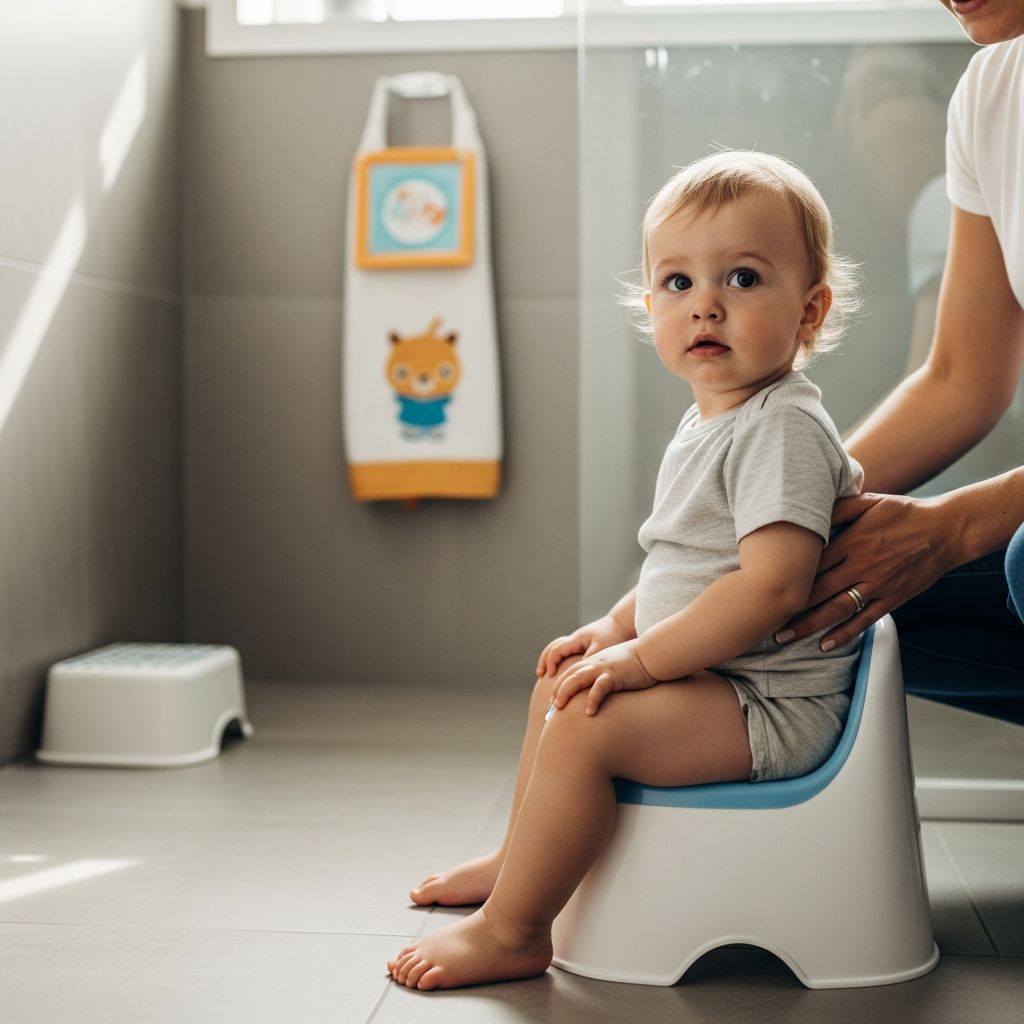
Beyond cognitive, practical abilities matter. Teach hygiene: handwashing, dressing. Chores: laundry sorting, bed-making, simple cooking. Money basics: saving jars for goals. Safety: stranger awareness, emergency calls.
| Skill Category | Examples by Age | Benefits |
|---|---|---|
| Hygiene | 3+: Brush teeth; 7+: Laundry | Self-reliance |
| Chores | 5+: Set table; 10+: Cook basics | Responsibility |
| Finance | 8+: Allowance saving | Wise spending |
Integrating Skills into Family Life
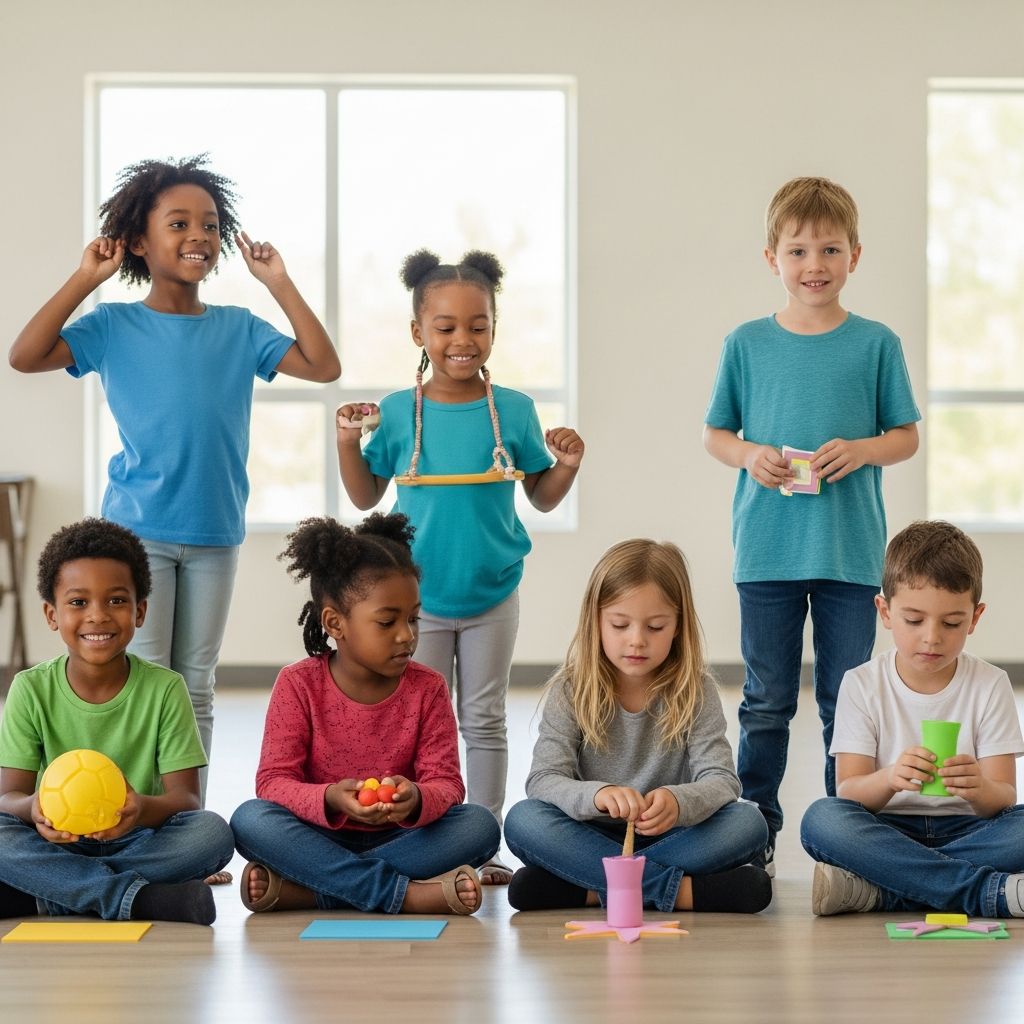
Weave skills seamlessly: family meetings for decisions, game nights for thinking. Consistency matters—track progress with charts. Adapt to ages: toddlers need modeling, older kids independence. Parental involvement predicts success.
Frequently Asked Questions (FAQs)
What age should life skills training begin?
From infancy via routines; intensify by preschool for focus and communication.
How much time daily for skill-building?
15-30 minutes integrated into routines suffices—no formal lessons needed.
What if my child resists challenges?
Start small, celebrate efforts to build resilience gradually.
Do screens hinder life skills?
Yes; limit to encourage play and interaction.
Can these skills improve school performance?
Absolutely—executive functions correlate with academic success.
(Word count: 1723)
References
- Life Skills for Young Children — First 5 Nevada. 2023. https://www.first5nevada.org/news-and-articles/life-skills-for-young-children/
- 7 Essential Life Skills for Kids — Bright Horizons. 2024-10-15. https://www.brighthorizons.com/article/education/teaching-kids-life-skills-seven-essential-life-skills-to-succeed
- 10 Important Life Skills Kids Should Know — Caliday. 2023-05-20. https://www.caliday.org/caliday-blog/10-important-life-skills-kids-should-know
- Building the Core Skills Youth Need for Life — Harvard Center on the Developing Child. 2022. https://developingchild.harvard.edu/resources/handouts-tools/building-core-skills-youth/
- Good Guidance: The 7 Essential Life Skills — NAEYC. 2016-02-01. https://www.naeyc.org/resources/pubs/tyc/feb2016/good-guidance-7-essential-life-skills
- The Importance of Teaching Life Skills To Children — Nido. 2023. https://www.nidolove.com/whats-importance-teaching-life-skills-children