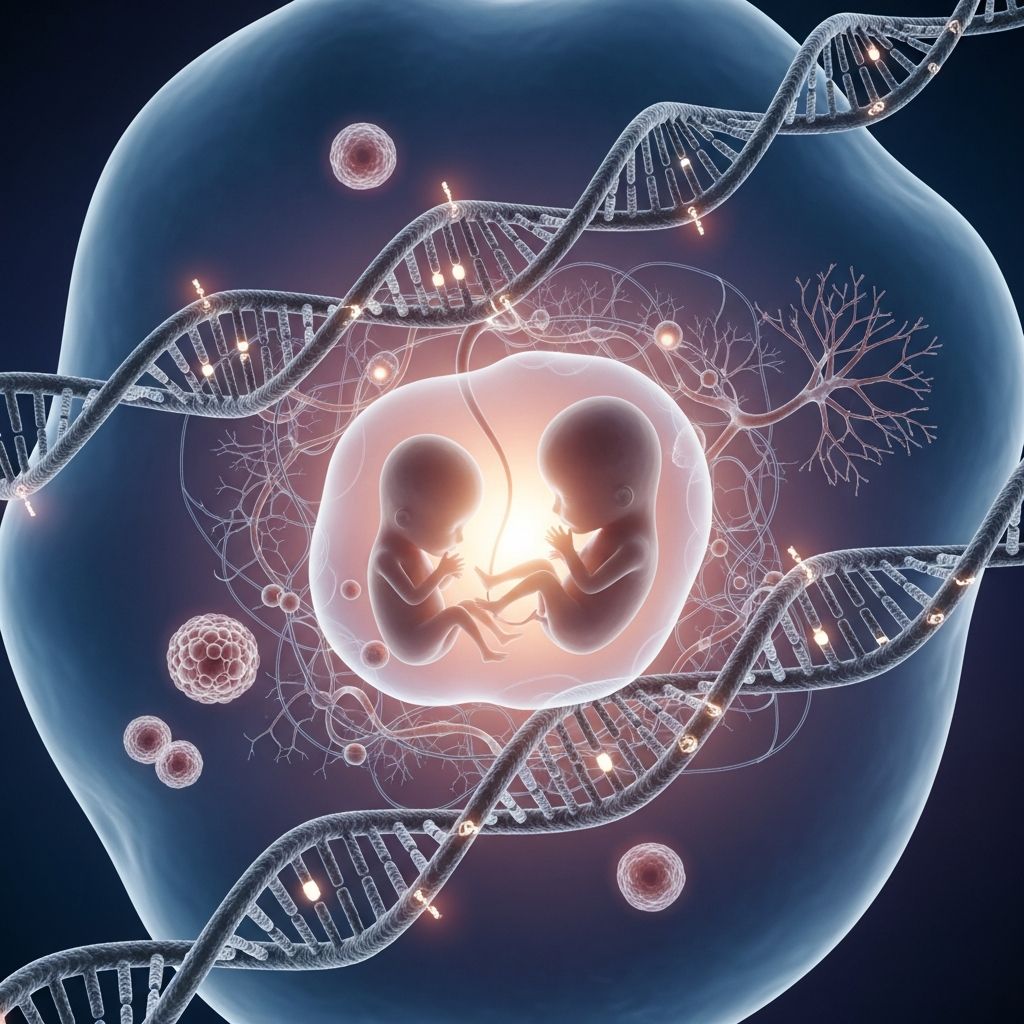
The Science of Twin Formation and Development
Twin pregnancies represent a fascinating biological phenomenon that occurs more frequently than many people realize. According to the Centers for Disease Control and Prevention, approximately 32.1 out of every 1,000 births in the United States result in twins, making this a relatively common occurrence in modern obstetrics. Understanding the different types of twins requires knowledge of how fertilization and embryonic development proceed differently depending on the specific circumstances surrounding conception. The formation of twins involves distinct biological pathways that determine not only the physical similarities between siblings but also their genetic relationships and developmental trajectories within the womb.
Identical Twins: The Single-Origin Pathway
Identical twins, scientifically referred to as monozygotic twins, originate from a single fertilized egg that spontaneously divides into two separate embryos. This process begins when one sperm fertilizes one egg, creating a zygote containing genetic material from both parents. Shortly after the fertilization process initiates and cellular division begins, the developing embryo spontaneously separates into two distinct clusters of cells, each capable of developing into a complete human being. Because both embryos originate from the same genetic source, they possess virtually identical chromosomal compositions.
The genetic identity of monozygotic twins extends to all inherited traits. Both twins carry the same combinations of genes responsible for characteristics such as eye color, hair texture, height potential, and blood type. This complete genetic matching means that identical twins will always be assigned the same sex at birth, as the sperm that fertilized the original egg determined the sex chromosomes before the division occurred. The likelihood of identical twins being born is considered a random event and does not appear to run in families, suggesting that this type of twinning is not influenced by hereditary factors.
However, a crucial distinction must be made: while identical twins share the same genetic code, they do not share identical fingerprints. Even within the controlled environment of the womb, each developing fetus comes into contact with different parts of the amniotic sac and placental tissue, creating subtle variations in the patterns that form on their fingertips. This biological detail demonstrates that genetic identity alone does not determine every physical characteristic.
Variations in Identical Twin Placentation
Identical twins can develop with different placental and sac configurations depending on the timing of the embryonic split. These variations include:
- Dichorionic diamniotic twins: The embryo splits within the first three days after fertilization, resulting in two completely separate placentas and two separate amniotic sacs, mimicking the development pattern of fraternal twins.
- Monochorionic diamniotic twins: Separation occurs between days three and eight of development, creating a single shared placenta but two distinct amniotic sacs, allowing each fetus independent movement and development space.
- Monochorionic monoamniotic twins: Division happens after day eight, resulting in one shared placenta and one shared amniotic sac, requiring the twins to occupy the same gestational environment throughout pregnancy.
Fraternal Twins: The Multi-Origin Pathway
Fraternal twins, medically termed dizygotic twins, result from an entirely different reproductive mechanism. Rather than a single egg dividing, fraternal twinning occurs when the pregnant individual’s ovaries release two separate eggs during a single ovulation cycle. Each of these eggs becomes fertilized by a different sperm cell, creating two independent zygotes with distinct genetic compositions. This fundamental difference in origin produces twins who are genetically as similar as any other siblings born to the same parents, sharing approximately 50 percent of their chromosomal material.
The genetic diversity between fraternal twins means they may look markedly different from one another. One twin might inherit genes producing brown eyes while the other receives genes for blue eyes. Their hair color, skin tone, height potential, and countless other physical characteristics can vary considerably. Additionally, fraternal twins may be assigned different sexes at birth, a characteristic that could never occur with identical twins. This biological fact provides one of the clearest diagnostic indicators for determining zygosity in newborn pairs.
Fraternal twinning demonstrates a hereditary component that distinguishes it from identical twinning. The tendency to release multiple eggs during ovulation can run in families, particularly along the maternal lineage. Factors including maternal age, family history of dizygotic twinning, and fertility treatments that stimulate egg production can increase the likelihood of conceiving fraternal twins. This contrasts sharply with identical twins, where no known hereditary predisposition exists.
Placental Development in Fraternal Twins
Fraternal twins consistently develop with separate placentas and umbilical cords throughout pregnancy, a condition described medically as dichorionic. The term reflects the presence of two distinct chorionic layers, the tissue that forms the outer boundary of each pregnancy sac. Through these separate placentas, each fetus receives independent supplies of oxygen and nutrients from the maternal circulation. While space constraints within the uterus occasionally cause these two separate placentas to fuse together physically, they remain structurally and functionally distinct entities with separate blood vessel systems. Medical professionals must exercise caution in interpreting placental findings, as the visual appearance of a single placenta does not automatically indicate identical twins.
Mirror-Image Twins: Reversed Symmetry
A specialized category within identical twinning exists for mirror-image twins, which develops when the embryonic split occurs relatively late in the developmental process, specifically around day five of growth. This timing produces twins whose physical features appear as mirror images of one another. For instance, one twin might be left-handed while the other is right-handed, or they might have hair whorls that spiral in opposite directions. Birthmarks or physical asymmetries that appear on the right side of one twin may manifest on the left side of their sibling. Despite these reversed characteristics, mirror-image twins remain genetically identical and share all the typical features of monozygotic twins.
Rare and Unusual Twin Types
Beyond the common categories of identical and fraternal twins, several rare variants exist that represent unusual variations in twin formation and development.
Semi-Identical Twins
Semi-identical twins, also called sesquizygotic twins, represent an extraordinarily rare phenomenon with only two documented cases in medical literature as of 2019. This type occurs when one egg is fertilized by two separate sperm cells simultaneously, a condition known as polyspermy. The fertilized egg then divides into two embryos. These twins share all genetic material from their birthing parent but only approximately 50 percent of their genetic material from their non-birthing parent, hence the designation “half-identical.” They may or may not share the same sex assignment at birth and typically display similarities intermediate between identical and fraternal twins.
Polar Twins
During the normal division of the egg in identical twinning, the original cell typically splits into one larger portion and one smaller polar body. In extremely rare circumstances, this polar body survives and becomes fertilized by a separate sperm cell while the larger portion is fertilized by yet another sperm. This unusual scenario produces polar twins, who share identical chromosomes from the birthing parent but receive different chromosomes from the non-birthing parent. The resulting genetic similarity falls somewhere between identical and fraternal twins, and they may or may not be assigned the same sex at birth.
Conjoined Twins
Conjoined twins represent the rarest and most medically complex form of identical twinning. These twins remain physically connected throughout development, with the connection point varying considerably. While chest and abdominal connections are most common, conjoined twins can be joined at virtually any location on their bodies. The severity of conjoining also varies significantly; some twins share only skin and soft tissue connections, while others share vital organs such as the heart, liver, or brain. Despite their physical attachment, conjoined twins are distinct individuals with separate consciousness, thoughts, and personalities. Medical intervention, including surgical separation when feasible, may be pursued depending on the specific circumstances and shared anatomy.
Fetus in Fetu
An exceptionally rare condition called fetus in fetu occurs when one twin develops inside the body of the other twin. The smaller twin grows within the larger twin’s body rather than developing independently in the womb. This condition requires medical intervention when discovered, as the enclosed fetus will not survive without surgical removal.
Acardiac Twins and Twin-to-Twin Transfusion Syndrome
When identical twins share a single placenta, abnormalities in blood circulation can develop. In the most severe form, called acardiac twins, one twin receives excessive blood flow while the other receives insufficient blood supply. This extreme imbalance can result in one twin developing without a functioning heart. A milder version of this condition, known as twin-to-twin transfusion syndrome (TTTS), occurs more frequently and involves unequal blood flow between the twins. Modern surgical interventions can improve outcomes for these conditions, though they represent serious complications requiring specialized prenatal care and monitoring.
Sex Chromosome Variations in Identical Twins
In extremely rare instances, identical twins can be assigned different sexes at birth despite originating from the same fertilized egg. This occurs when one twin experiences a genetic mutation affecting their sex chromosomes after the embryo has divided. Turner syndrome represents one such mutation in which one twin loses part or all of one sex chromosome, changing their chromosomal composition from XY (typical male) to X0 (atypical female). While this twin will be assigned female at birth, Turner syndrome can be associated with developmental differences and potential fertility challenges throughout life. The twin who does not experience this mutation remains unaffected and develops typically with standard male chromosomal composition.
Determining Twin Type: Diagnostic Approaches
Healthcare providers use multiple strategies to determine whether twins are identical or fraternal. Placental examination during delivery provides important clues, though it is not definitive. The number of placentas and amniotic sacs observed through prenatal ultrasound offers valuable diagnostic information. Advanced genetic testing comparing DNA from both twins provides the most accurate determination of zygosity and can identify specific genetic similarities or differences. Appearance at birth and physical similarities throughout infancy can also suggest zygosity, though visual assessment alone is unreliable.
Frequently Asked Questions About Twins
Are identical twins always the same sex?
Identical twins are almost always the same sex because they originate from a single fertilized egg whose sex was determined by the sperm. However, extremely rare exceptions occur when genetic mutations affecting sex chromosomes develop in one twin after embryonic division.
Can fraternal twins look identical to each other?
While fraternal twins typically look different, they can occasionally appear quite similar to one another since they share the same genetic diversity as any other siblings. However, they will never be as genetically identical as monozygotic twins.
Does the number of placentas definitively indicate twin type?
While placental configuration provides important diagnostic clues, it is not completely definitive. Fraternal twins always have separate placentas, but identical twins can have either separate or shared placentas depending on when embryonic division occurred. Genetic testing provides the most accurate determination.
Can identical twins have different fingerprints?
Yes, identical twins have different fingerprints despite their genetic identity. Environmental factors within the womb create subtle variations in fingerprint patterns for each fetus.
Is there a genetic predisposition to having identical twins?
No, identical twinning appears to be a random event that does not run in families. Fraternal twinning, however, can be influenced by hereditary factors.
What health risks are associated with monochorionic monoamniotic twins?
Twins sharing both a placenta and amniotic sac face increased risks including cord entanglement and unequal blood flow. These pregnancies require close monitoring and specialized prenatal care.
Conclusion: The Diversity of Twin Development
Twin pregnancies encompass a remarkable range of biological possibilities, from the common fraternal and identical types to extraordinarily rare variations. Understanding these different formation pathways provides insight into the genetic relationships between twins and helps explain the physical similarities and differences observed among twin pairs. Modern medicine continues to improve diagnostic capabilities and treatment options for complicated twin pregnancies, enhancing outcomes for these special pregnancies.
References
- Types of Twins: Identical, Fraternal, and Other Unique Types — Healthline. 2024. https://www.healthline.com/health/pregnancy/types-of-twins
- Twin — Wikipedia. 2025. https://en.wikipedia.org/wiki/Twin
- There Are More Types of Twins Than You Might Think — Cleveland Clinic. 2023. https://health.clevelandclinic.org/types-of-twins
- Twins: from a genetic point of view — Medicover Genetics. https://medicover-genetics.com/twins-from-a-genetic-point-of-view/
- Fraternal twins, identical twins and other types of twins — Raising Children Australia. 2024. https://raisingchildren.net.au/pregnancy/health-wellbeing/twin-pregnancy/twins
- Twins — Yale Medicine, Reproductive and Placental Research Unit. https://medicine.yale.edu/obgyn/kliman/placenta/twins/
- Identical or non-identical? — Twins Trust. https://twinstrust.org/information/pregnancy-and-birth/finding-out/identical-or-non-identical.html