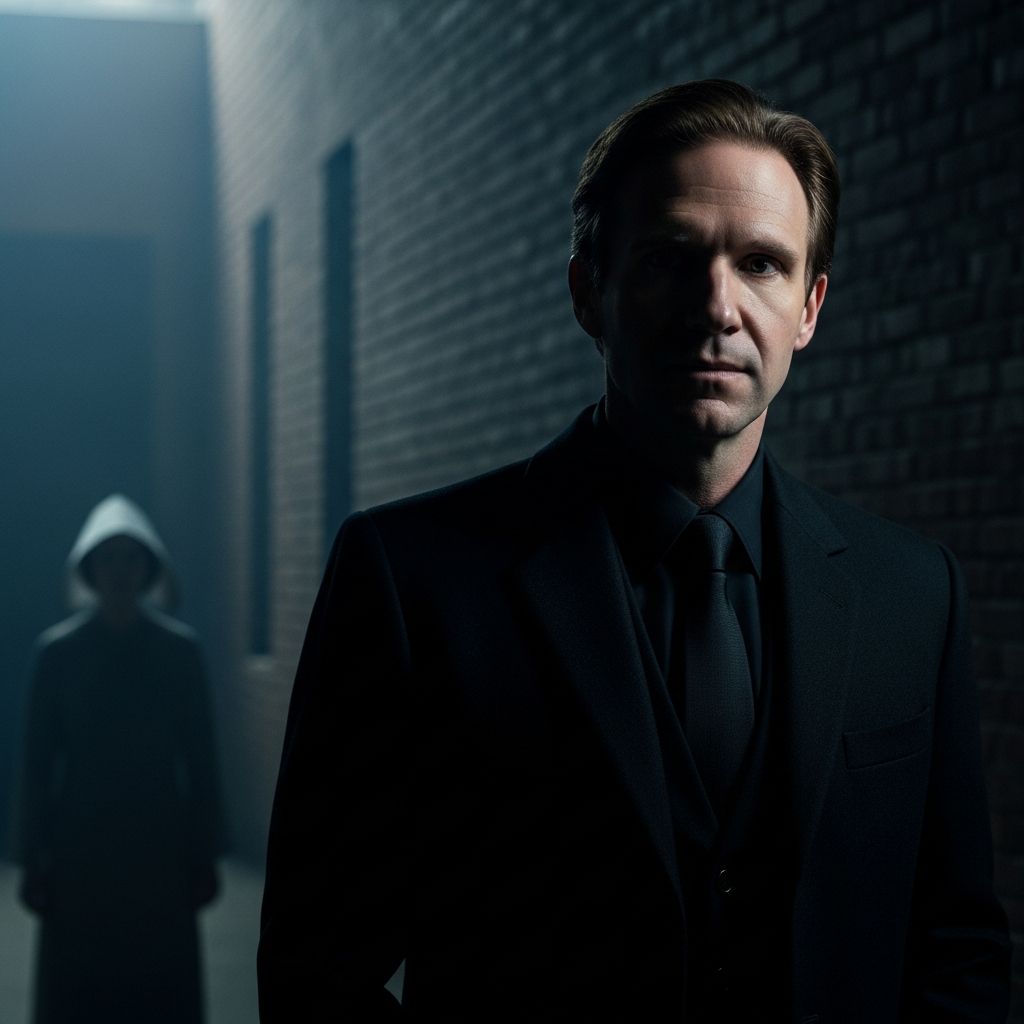
Joseph Fiennes’ performance as Commander Fred Waterford in The Handmaid’s Tale has become one of television’s most unsettling portraits of power, control, and moral decay. Rather than playing a cartoon villain, Fiennes offers a quietly chilling figure who feels disturbingly plausible in the real world, especially when viewed through the lens of parenting, masculinity, and modern politics.
From Romantic Lead To Chilling Commander
Many viewers first came to know Joseph Fiennes through romantic and historical dramas, where he often played intense but sympathetic leads. The shift from Shakespearean lover to authoritarian commander made his role in The Handmaid’s Tale all the more jarring, because it weaponizes his familiar charm and redirects it toward something deeply sinister.
This contrast highlights an important truth about real-world abuse of power: the most dangerous figures are often not obvious monsters, but people who can appear reasonable, educated, and even gentle when it suits them. The show’s writers and Fiennes’ performance lean into this tension, allowing Fred’s warmth and cruelty to coexist in ways that keep the audience constantly off balance.
- Fiennes uses stillness and restraint instead of outbursts to signal Fred’s dominance.
- Moments of apparent kindness become tools of manipulation rather than genuine empathy.
- The familiarity of his earlier roles makes Fred feel like a betrayal of the audience’s trust.
Fred Waterford As A Face Of Patriarchal Power
In the world of Gilead, Fred Waterford is not simply a powerful man; he is one of the architects and beneficiaries of a system built on the controlled suffering of women. His authority is legal, religious, and social, creating a layered power that is difficult to challenge from within the world of the show.
What makes Fred especially disturbing is how normal he can appear in routine scenes—discussing policy, sharing a quiet drink, or making small talk with his wife and their captive handmaid. The banality of his evil reinforces how systems of oppression are often maintained not just by fanatics, but by men who see themselves as rational caretakers or reluctant participants while they continue to enforce cruelty.
| Dimension | How It Shows Up | Why It Matters |
|---|---|---|
| Legal authority | He creates and enforces rules that strip women of rights. | Normalizes cruelty as “law” rather than personal choice. |
| Religious narrative | He frames subjugation as divine will or moral duty. | Makes rebellion feel like blasphemy, not justice. |
| Domestic control | He dominates within the home while claiming to protect it. | Shows how abuse often hides behind the language of family. |
| Emotional manipulation | He offers small privileges to maintain loyalty and silence. | Turns victims into reluctant collaborators in their own oppression. |
Charm, Cruelty, And The Illusion Of Intimacy
One of the most unsettling aspects of Fiennes’ portrayal is the way Fred seeks emotional closeness with those he harms. He flirts, confides, or creates spaces that appear private and safe, even as every interaction happens under the shadow of his absolute power. This is not intimacy; it is strategic grooming disguised as connection.
By blending tenderness with threat, Fred keeps others guessing about his motives and their own safety. That mixture of apparent affection and underlying menace is familiar in many abusive relationships, where the hope that a harmful person might change becomes another chain keeping victims from leaving.
- Fred’s “kindness” always comes with conditions or expectations.
- He reframes exploitation as special treatment or favor.
- His victims are pressured to feel grateful for small mercies in an intolerable system.
Fatherhood In The Shadow Of Gilead
Watching Fred Waterford through the eyes of a parent raises uncomfortable questions about the stories adults pass on to children about gender, morality, and power. The world of Gilead is an extreme version of ideas that already exist in milder forms: that men should rule, that women’s bodies are resources, and that obedience is more important than justice.
What makes this particularly resonant for modern parents is how easily similar ideas slip into everyday life. Jokes about “protecting daughters” while ignoring the need to raise respectful sons, expectations that women do the emotional labor of family life, or the normalization of male entitlement in media can be seen as distant cousins of the logic that drives Gilead.
- Fathers who value equality must actively challenge sexist jokes, norms, and traditions.
- Conversations about consent and respect should start early and be ongoing, not one-time talks.
- Children learn as much from what adults tolerate as from what they explicitly teach.
Lessons About Masculinity And Complicity
Fred is not just a symbol of power; he is a lesson in how masculinity can go wrong when it is defined by dominance instead of responsibility. He sees respect as something enforced through fear rather than earned through integrity. In his world, to question the system he helped build would feel like surrendering his identity.
For viewers, this invites a deeper reflection on how men are socialized. When boys are praised chiefly for toughness, control, and winning at all costs, they can grow into adults who confuse empathy with weakness and mistake submission for love. By contrast, healthier models of masculinity emphasize courage in admitting fault, strength in listening, and leadership that makes others safer instead of smaller.
Why This Villain Feels So Close To Home
Unlike fantastical villains, Fred Waterford feels frighteningly plausible. He could be a senior official, a CEO, or a community leader in almost any contemporary society that quietly tolerates discrimination while publicly claiming moral high ground. His evil is not rooted in chaos; it is rooted in order taken to a cruel extreme.
That plausibility is precisely why the character has resonated so strongly. Audiences do not simply fear Gilead as fiction—they recognize echoes of real-world debates about reproductive rights, surveillance, religious authority, and the policing of women’s bodies. The show takes those anxieties and personifies them in one man, whose polite voice and tailored suit make it harder to dismiss him as a distant fantasy.
Using Difficult Stories As Teaching Tools
Dark stories can serve a powerful purpose when used thoughtfully in family life. While The Handmaid’s Tale is not appropriate for young children, older teens and adults can use it as a springboard for serious discussions about rights, consent, and the dangers of extremism. Characters like Fred provide a starting point for asking, “How do ordinary people become part of something this cruel?”
Parents and caregivers who choose to watch and discuss the show with mature teens can turn discomfort into insight. Instead of treating the series as “just entertainment,” they can frame it as a cautionary narrative that makes abstract ideas—like authoritarianism or systemic misogyny—concrete and emotionally understandable.
- Ask teens what parts of the show feel uncomfortably close to reality and why.
- Compare Gilead’s rules to real-world laws or customs that limit people’s freedoms.
- Discuss how bystanders and collaborators help oppressive systems survive.
Recognizing Everyday Red Flags
One of the quiet achievements of Fiennes’ portrayal is how it encourages viewers to recognize red flags long before violence becomes explicit. The way Fred interrupts, dismisses, and gently overrules the women around him offers a magnified version of behaviors that often go unchallenged in real life because they seem merely “old-fashioned” or “traditional.”
By paying attention to these subtler dynamics, audiences can become more attuned to patterns of control in their own environments. Spotting problems early—whether in a relationship, workplace, or community—can make it easier to set boundaries and support those who are being slowly isolated or undermined.
- Belittling or mocking concerns, then insisting it was “just a joke.”
- Controlling access to information, money, or social contact.
- Framing obedience as proof of love or loyalty.
Reclaiming Power Through Resistance And Solidarity
If Fred represents the suffocating weight of patriarchal control, the women who resist him represent the stubborn endurance of human dignity. Their small acts of rebellion—sharing information, forming secret alliances, refusing to break—show that even in a world designed to crush them, people still find ways to assert their humanity.
For viewers, these moments of resistance offer more than dramatic satisfaction. They act as reminders that oppressive systems rely on isolation and fear, and that solidarity is often the first step toward change. Whether in activism, parenting, or everyday life, choosing to believe and support those who are silenced can be a profound act of defiance.
FAQs About Joseph Fiennes And The Handmaid’s Tale
Why is Joseph Fiennes’ portrayal of Fred Waterford so effective?
His performance works because it refuses to make Fred a one-note monster. Instead, he plays a man who sees himself as reasonable and even caring, which makes his cruelty more insidious and his moments of apparent tenderness more disturbing.
Is Fred Waterford meant to represent real people?
While Fred is a fictional character in a dystopian world, he is built from recognizable traits: entitlement, moral certainty, and a willingness to benefit from injustice as long as it serves his interests. These qualities echo patterns seen in some real-world leaders, abusers, and gatekeepers of rigid social systems.
What can parents learn from watching The Handmaid’s Tale?
Parents can use the show as a lens for talking about consent, bodily autonomy, and how quickly rights can erode when people stop paying attention. It also underscores the importance of modeling respectful relationships at home, where children form their earliest ideas about gender and power.
Is it necessary to watch the show to understand its themes?
Even without watching every episode, the broad themes—control over reproduction, religious extremism, and the policing of women’s lives—are highly relevant to ongoing public debates. However, seeing the story unfold on screen can make those themes more emotionally immediate and memorable.
How can viewers cope with the emotional heaviness of the series?
Because the show is intense, it helps to watch in moderation, take breaks, and talk with others about what it raises. Treating it as both art and a starting point for reflection can transform discomfort into motivation to think differently about justice, empathy, and everyday choices.
Joseph Fiennes’ turn as Commander Fred Waterford is more than a standout television performance; it is a mirror held up to the audience, asking who benefits when fear rules, whose stories are silenced, and what it really means to resist. By engaging with this character thoughtfully, viewers and parents alike gain a sharper vocabulary for recognizing power, questioning harmful norms, and building a world where no one’s dignity is negotiable.