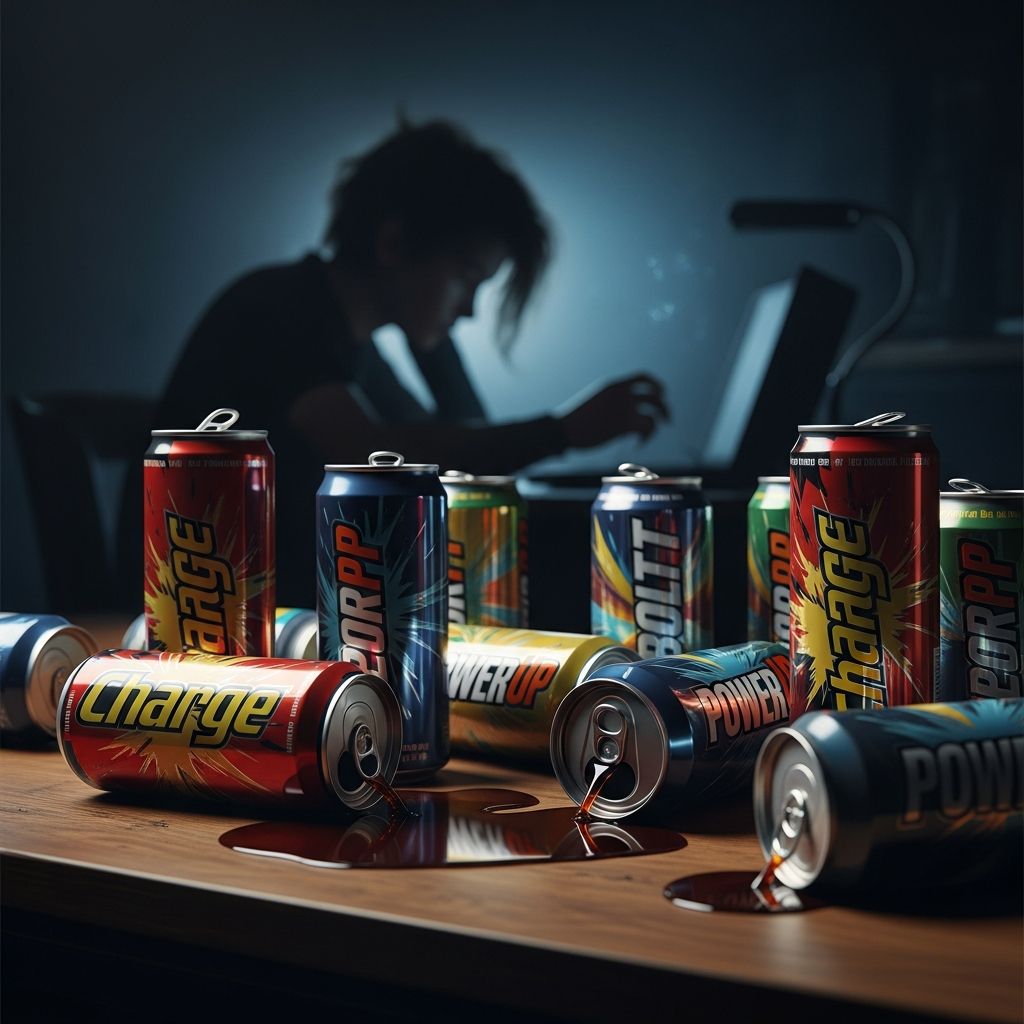
Popular energy drinks promise quick boosts in alertness and performance, but they harbor ingredients that can foster addiction, particularly in children and teenagers whose brains are still developing. High levels of caffeine combined with sugar create powerful reward responses, leading to tolerance, cravings, and withdrawal symptoms that mimic substance dependence.
Understanding the Addictive Power of Energy Drink Ingredients
At the core of energy drinks’ appeal lies a cocktail of stimulants and sweeteners designed for rapid effects. Caffeine, often exceeding 200-300mg per serving—far more than a typical coffee—triggers dopamine release in the brain, fostering pleasure and reinforcing repeated consumption. This central nervous system stimulant blocks adenosine receptors, promoting wakefulness but building tolerance over time, where users require escalating doses for the same buzz.
Sugar content, frequently 60-80 grams per can, amplifies this by spiking blood glucose levels, activating similar reward pathways as drugs like cocaine. B vitamins, L-taurine, and herbal extracts such as guarana and ginseng enhance metabolism and caffeine absorption, intensifying the high while setting the stage for crashes of fatigue and irritability.
| Ingredient | Typical Amount per Can | Addiction Mechanism |
|---|---|---|
| Caffeine | 200-300mg | Dopamine release, tolerance buildup |
| Sugar | 60-80g | Reward pathway activation, cravings |
| L-Taurine | 1,000mg+ | Enhances caffeine effects |
| Guarana/Ginseng | Varies | Additional caffeine sources |
This synergistic blend delivers an intense rush followed by a precipitous drop, compelling users to consume more to avoid lethargy. Developing brains in youth are especially vulnerable, as repeated exposure alters neurotransmitter production, reducing natural energy regulation.
Warning Signs of Energy Drink Dependence in Children
Parents should watch for behavioral and physical cues indicating budding addiction. Common symptoms include compulsive consumption despite health complaints, intense cravings, and escalating intake to chase initial effects—a hallmark of tolerance.
- Headaches, irritability, and fatigue upon skipping a drink, signaling withdrawal.
- Mood swings, anxiety, or restlessness from adrenaline surges and sugar crashes.
- Difficulty concentrating or chronic tiredness without the beverage, pointing to disrupted sleep and natural arousal systems.
- Hoarding cans or secretive drinking patterns, akin to other dependencies.
Short-term physical effects like rapid heartbeat, dehydration, and digestive upset often escalate to severe issues with prolonged use, underscoring the urgency of early intervention.
Health Consequences Beyond Addiction
Regular energy drink intake inflicts multifaceted damage, particularly on growing bodies. Dental erosion from acidity erodes enamel, while kidneys and liver strain under processing heavy stimulant loads, risking long-term organ impairment.
Cardiovascular strain manifests as elevated heart rates and blood pressure, heightening chances of arrhythmias or hypertension in youth. Metabolic disruptions from sugar overload contribute to obesity, insulin resistance, and type 2 diabetes risks, even in active teens.
Mental health tolls are profound: heightened anxiety disorders, depression linked to blood sugar volatility, and sleep disturbances perpetuating a vicious fatigue cycle. Adolescents report diminished focus and heightened stress, impairing academic and social functioning.
Gateway to Riskier Behaviors and Substances
Emerging patterns link energy drink habits to broader substance experimentation. Youth consuming these beverages are three times likelier to try tobacco, alcohol, or illicit drugs, possibly due to desensitized reward thresholds.
Mixing with alcohol masks intoxication, spurring binge drinking and perilous judgment lapses. Cannabis and stimulant attractions rise among 18-25-year-olds, with energy drinks potentially priming brains for stronger highs like Adderall or cocaine via shared dopamine mechanisms.
This trajectory alarms experts, viewing energy drinks as a ‘gateway’ normalizing altered states, easing transitions to harder substances during formative years.
Why Teens and Children Are Most at Risk
Adolescent brains undergo critical wiring for impulse control and reward processing until age 25, rendering them hypersensitive to stimulants. Marketing targets this demographic with vibrant packaging and endorsements from influencers, glamorizing extreme sports and all-nighters.
Peer pressure in schools amplifies use, with teens perceiving drinks as essential for focus amid packed schedules. Yet, scant regulation allows excessive caffeine in products accessible without age gates, unlike alcohol.
FDA notes toxic thresholds at 1,200mg rapid intake, achievable via multiple cans, risking seizures—especially dire for under-researched youth impacts.
Empowering Parents: Prevention and Intervention Tactics
Proactive parenting counters these threats effectively. Initiate open dialogues framing energy drinks as risky, not cool, backed by health facts over scare tactics.
- Model Healthy Habits: Stock homes with water, herbal teas, and nutrient-rich snacks; demonstrate balanced energy via sleep and nutrition.
- Read Labels Together: Teach comparing caffeine/sugar to daily limits (FDA: 400mg adults; less for kids).
- Set Boundaries: Ban at home/school events; monitor vending access.
- Promote Alternatives: Encourage exercise, 9+ hours sleep, balanced meals for sustained vitality.
For suspected dependence, gradual reduction averts withdrawal; consult pediatricians for tailored plans. Cognitive behavioral strategies address cravings, fostering resilience.
Advocate school policies limiting sales and educate via workshops, amplifying community safeguards.
Frequently Asked Questions About Energy Drinks and Youth
Are energy drinks safe for occasional teen use?
No, even sporadic intake risks tolerance buildup and health strains due to concentrated stimulants unsafe for developing systems.
What daily caffeine limit applies to children?
Under 12: none medically advised; 12-18: max 100mg, per expert consensus—far below most energy drink servings.
Can energy drinks cause permanent brain changes?
Yes, chronic use alters dopamine pathways and neurotransmitter balance, potentially impairing natural motivation long-term.
How to spot if my child is addicted?
Look for cravings, withdrawal headaches, escalating consumption, and defensiveness about use—prompt professional assessment.
What if my teen mixes energy drinks with alcohol?
This heightens binge risks and accidents; intervene immediately, seeking counseling for polysubstance patterns.
By staying vigilant and informed, parents can steer youth from energy drink pitfalls toward thriving, addiction-free futures. Prioritize natural vitality sources for lasting well-being.
References
- Are Energy Drinks Fueling Addiction? — West LA Recovery. 2023-2024. https://westlarecovery.com/are-energy-drinks-fueling-addiction/
- Energy Drink Addiction: Symptoms, Risks & Recovery — White Light Behavioral Health. 2024-2025. https://whitelightbh.com/resources/energy-drink/
- Are Energy Drinks the New Gateway Drug for Teenagers? — Addictions.com. 2023. https://www.addictions.com/blog/are-energy-drinks-the-new-gateway-drug-for-teenagers/
- Energy Drink Addiction: All You Need to Know — Healthline. 2024-01-15. https://www.healthline.com/nutrition/energy-drink-addiction
- What’s the latest buzz on energy drinks? — Mayo Clinic Health System. 2025-06-10. https://www.mayoclinichealthsystem.org/hometown-health/speaking-of-health/the-buzz-on-energy-drinks