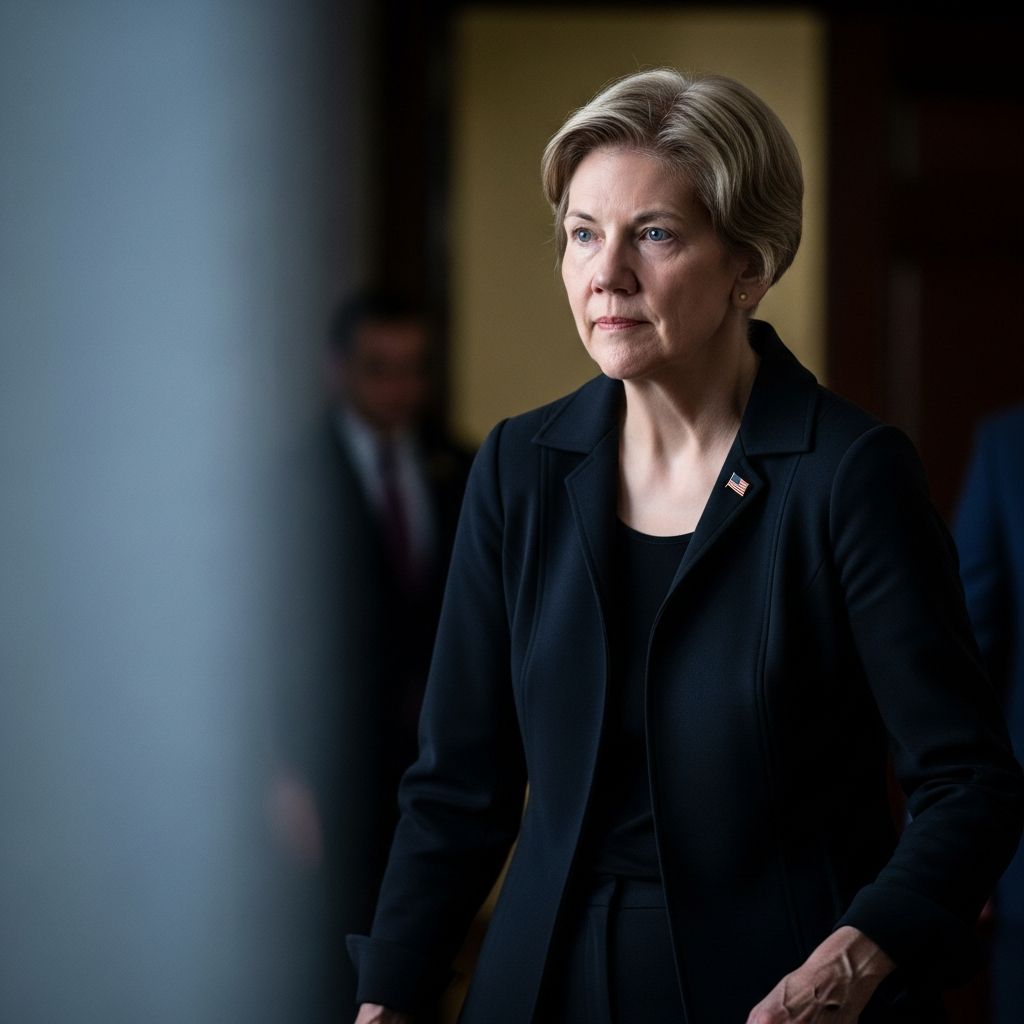
Senator Elizabeth Warren from Massachusetts officially suspended her campaign for the Democratic presidential nomination on March 5, 2020, following underwhelming performances across multiple primary contests, including a third-place finish in her home state on Super Tuesday.
Campaign Announcement and Early Momentum
Warren launched her bid on February 9, 2019, in Lawrence, Massachusetts, choosing a location tied to the historic 1912 Bread and Roses Strike to underscore her focus on workers’ rights and economic justice. This symbolic start galvanized supporters who saw her as a champion for progressive reforms. Throughout 2018, she had been viewed as a leading contender, buoyed by calls from fans who had wanted her to run in 2016.
Her campaign quickly gained traction through detailed policy proposals, earning her the nickname for having a “plan for everything.” These plans targeted economic populism, addressing issues like wealth inequality, corporate accountability, and consumer protections—areas where Warren’s background as a Harvard law professor and former chair of the Consumer Financial Protection Bureau lent her credibility.
Primary Challenges and Electoral Setbacks
Despite initial buzz, Warren struggled in the early primaries. She finished no higher than third in the first four contests held in February 2020, signaling challenges in converting policy enthusiasm into votes. The campaign peaked too early, with her popularity waning as voters prioritized electability against President Donald Trump.
Super Tuesday proved decisive, with voting in 14 states yielding no victories for Warren. Her third-place result in Massachusetts—behind former Vice President Joe Biden and Senator Bernie Sanders—was particularly stinging, highlighting a failure to consolidate support even locally. This across-the-board disappointment prompted the suspension announcement to her staff, where she acknowledged falling short of goals but emphasized lasting impacts from their efforts.
Strategic Factors Behind the Suspension
Several dynamics contributed to Warren’s exit. Commentators point to the primaries’ emphasis on candidates seen as viable against Trump, diluting her appeal. Positioned between Sanders’ bold progressivism and Biden’s moderation, she struggled to carve a distinct lane, alienating both flanks.
- Progressive Policies vs. Moderate Voters: Embracing ambitious agendas like Medicare for All and wealth taxes excited the left but repelled centrists seeking unity.
- Early Peak: High visibility in late 2019 faded amid attack ads and internal campaign shifts.
- Resource Strain: Fundraising, while solid initially, couldn’t sustain prolonged battles without wins.
Post-suspension, Warren conferred with Biden and Sanders, evaluating alignments with her priorities before any endorsement. This deliberation reflected her commitment to advancing her agenda through the remaining contenders.
Impact on Women in Politics and the Democratic Field
Warren’s departure dimmed prospects for a female Democratic nominee in 2020, marking another cycle without a woman atop the ticket after Hillary Clinton’s 2016 loss. It underscored persistent barriers for women candidates, from fundraising gaps to media scrutiny on likability.
With her out, Biden and Sanders emerged as the primary rivals for the nomination to challenge Trump. This consolidation shifted the race toward a likely Biden-Sanders showdown, influencing party strategy ahead of remaining contests.
| Key Primary Results for Warren | Date | Position | Notes |
|---|---|---|---|
| Iowa Caucus | Feb 2020 | 3rd or lower | Early setback |
| New Hampshire Primary | Feb 2020 | 3rd or lower | No momentum gain |
| Nevada Caucus | Feb 2020 | 3rd or lower | Consistent underperformance |
| South Carolina Primary | Feb 2020 | 3rd or lower | Pre-Super Tuesday losses |
| Super Tuesday (14 states) | Mar 3, 2020 | No wins, 3rd in MA | Campaign-ending |
Warren’s Policy Legacy and Enduring Influence
Though the bid ended without the top prize, Warren’s emphasis on systemic change rippled through the primaries. Her detailed blueprints forced rivals to address inequality, student debt relief, and childcare—issues now central to Democratic platforms.
She told staff: “We didn’t reach our goal, but what we have done together… has made a lasting difference… the changes will have ripples for years to come.” This optimism highlighted her Senate role’s continuity, where she could push legislation unencumbered by campaign demands.
Post-Campaign Trajectory and Party Dynamics
Warren’s non-immediate endorsement kept options open, potentially swaying progressives toward Sanders or moderates to Biden. Her campaign’s end accelerated consolidations, paving Biden’s path to the nomination after Super Tuesday dominance.
Reflecting broader trends, her experience illustrated voter preferences for familiarity in high-stakes races, favoring Biden’s experience over policy novelty.
Lessons for Future Progressive Campaigns
Warren’s run offers blueprints for aspiring candidates: balance bold visions with electability narratives; sustain momentum beyond hype; and navigate ideological divides adeptly.
In a polarized era, her story reminds that policy depth alone may not suffice without broad coalitions.
Frequently Asked Questions (FAQs)
Why did Elizabeth Warren drop out of the 2020 race?
Warren suspended her campaign after failing to win any Super Tuesday states and placing third in Massachusetts, compounded by earlier primary losses.
Did Warren endorse Biden or Sanders immediately?
No, she spoke with both but delayed endorsement to assess agenda alignment.
What were Warren’s main campaign policies?
Key focuses included economic populism, wealth taxes, student debt forgiveness, and consumer protections via detailed plans.
How did Super Tuesday affect the Democratic primaries?
It winnowed the field, boosting Biden and leaving Sanders as main rivals after Warren’s exit.
Will Warren run for president again?
She has not announced plans, focusing instead on Senate work post-2020.
Broader Implications for Democratic Strategy
The 2020 cycle exposed tensions between progressive ideals and pragmatic voting, shaping future platforms. Warren’s influence persists in ongoing fights against corporate power and for equitable policies.
Her campaign, spanning over a year, mobilized volunteers and donors, injecting fresh energy into discourse despite electoral shortfalls.
References
- Elizabeth Warren Ends Democratic Presidential Bid — Voice of America (VOA). 2020-03-05. https://www.voanews.com/a/usa_us-politics_elizabeth-warren-ends-democratic-presidential-bid/6185326.html
- Elizabeth Warren ends her presidential bid — WHYY. 2020-03-05. https://whyy.org/articles/elizabeth-warren-ends-her-presidential-bid/
- Elizabeth Warren 2020 presidential campaign — Wikipedia (sourced from primary reports). 2020 (ongoing). https://en.wikipedia.org/wiki/Elizabeth_Warren_2020_presidential_campaign