Understanding the Advantages of Batch-Baked Pancakes
The traditional approach to preparing pancakes involves standing at a stove, flipping individual pancakes one at a time while managing multiple burners and griddles. This method, while classic, demands significant attention and effort, particularly when serving a large family or group. The emergence of sheet pan baking techniques has revolutionized breakfast preparation by allowing home cooks to prepare multiple servings simultaneously in a single oven cycle.
Batch baking pancakes offers several compelling advantages that extend beyond mere convenience. When you prepare pancakes in bulk using an oven and a large baking sheet, you eliminate the need to constantly hover over a hot stovetop. This approach frees up time for other breakfast preparations, such as setting the table, brewing coffee, or preparing side dishes. Additionally, the uniform heat distribution in an oven tends to produce more consistently cooked pancakes compared to stovetop methods, where some areas of a griddle may cook hotter than others.
Essential Ingredients for Wholesome Sheet Pan Pancakes
Creating nutritious sheet pan pancakes begins with selecting quality ingredients that provide both flavor and nutritional value. The foundation of this recipe combines traditional whole-grain flour with complementary ingredients that enhance texture and nutritional density.
The Grain Foundation
Whole-wheat flour serves as the primary dry ingredient, contributing a nutty flavor and significantly more fiber compared to refined all-purpose flour. Whole-wheat flour contains the bran and germ, which retain nutrients lost during the refining process. Pairing whole-wheat flour with almond flour creates a more complex texture profile while adding healthy fats, protein, and micronutrients including vitamin E and magnesium. This combination ensures the pancakes remain moist and tender rather than becoming dense, a common concern when baking exclusively with whole grains.
Wet Ingredients and Binding Components
The wet ingredient mixture typically includes large eggs, which provide structure and binding properties, along with milk of your preferred type. Whether you choose dairy milk, almond milk, oat milk, or another alternative depends on your dietary preferences and nutritional goals. Pure maple syrup functions as both sweetener and moisture provider, contributing a distinctive flavor profile that complements the whole-grain undertones. The syrup also contributes natural sugars that aid in browning the surface of the pancakes during baking.
Leavening Agents and Flavor Enhancers
Baking powder and baking soda work together to create the lift necessary for fluffy pancakes. Baking powder provides immediate rise through its reaction with moisture and heat, while baking soda requires acidic components to activate, though the whole-wheat flour itself can provide sufficient acidity. Kosher salt enhances flavor perception without adding chemical aftertaste, and a quality unsalted butter or cooking spray ensures proper pan preparation.
Step-by-Step Preparation Process
Successful sheet pan pancake baking depends on proper technique and temperature management. Understanding each step ensures professional-quality results.
Oven and Pan Preparation
Begin by preheating your oven to 500°F and generously greasing a standard baking sheet with unsalted butter or cooking spray. The elevated initial temperature creates heat that quickly sets the bottom of the pancakes, promoting browning and developing a slightly crispy exterior. The preheating process typically requires 10-15 minutes, allowing your oven to reach thermal stability.
Combining Dry and Wet Components
In a large mixing bowl, combine eggs, your choice of milk, and pure maple syrup. Whisk these components thoroughly until well integrated. In a separate bowl, combine whole-wheat flour, almond flour, baking powder, baking soda, and kosher salt. When you combine the wet and dry ingredients, use an actual whisk—not a fork or spoon—to evenly distribute the leavening agents and ensure uniform mixing. Whisk only until the ingredients are incorporated; avoiding overmixing prevents the development of gluten, which would result in tough, dense pancakes rather than the desired tender crumb.
The Baking Process
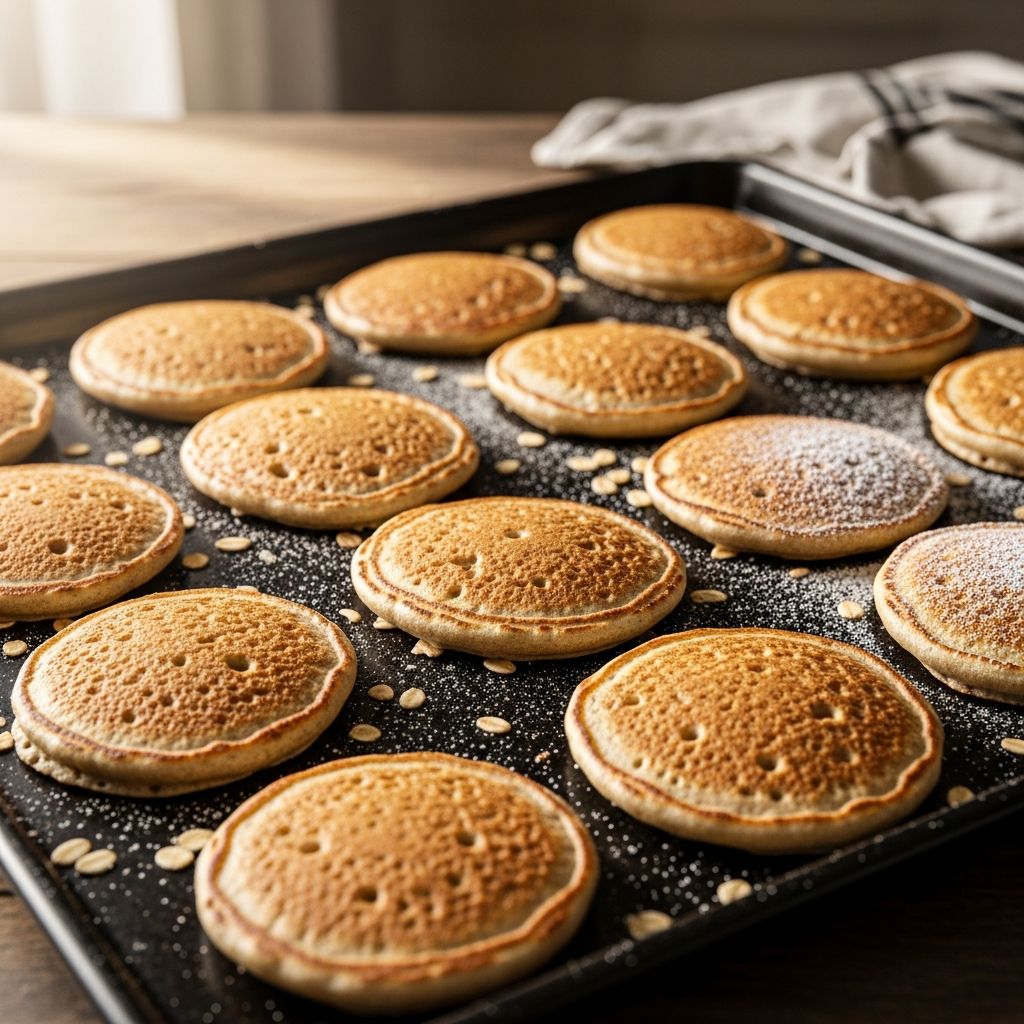
Pour the batter onto your prepared baking sheet, distributing it as evenly as possible. Place the sheet on the middle oven rack and immediately reduce the oven temperature to 400°F. This temperature reduction prevents excessive browning while allowing the center to set properly. Bake for 15 to 18 minutes, monitoring carefully to avoid overbaking. The pancake is ready when the surface appears set and achieves a golden-brown color. Insert a toothpick into the center; it should emerge clean when the pancake has cooked through.
Understanding Temperature and Timing Variables
| Oven Temperature | Initial Purpose | Adjusted Temperature | Baking Duration |
|---|---|---|---|
| 500°F preheat | Rapid heat development and browning | 400°F after pan placement | 15-18 minutes |
| Benefits | Creates exterior texture and seal | Prevents over-browning | Ensures thorough cooking |
Quick Variations for Time-Pressed Mornings
Life often presents mornings where traditional pancake recipes require more preparation time than available. Quick-mix variations can satisfy pancake cravings without extensive planning.
Two-Ingredient Banana Pancakes
Overripe bananas present an excellent opportunity for rapid pancake preparation. Mash four ripe bananas in a medium bowl and whisk together with four large eggs. To this base, add half a cup of whole-wheat flour, half a teaspoon of baking powder, a pinch of salt, and optional vanilla extract. This mixture can be cooked in a non-stick skillet with melted butter over medium heat, yielding approximately 15 individual pancakes. For added indulgence, distribute chocolate chips across the cooking surface before flipping, allowing them to melt slightly into the cooked side of each pancake.
This approach works particularly well when household members request pancakes but time constraints limit options. The natural sweetness of bananas eliminates the need for added sugar, and the simplicity of the ingredient list reduces preparation complexity. These pancakes freeze exceptionally well, allowing you to prepare extra servings for quick reheating on future rushed mornings.
Scaling Recipes for Different Serving Sizes
The sheet pan pancake approach inherently produces larger quantities than stovetop methods, typically serving eight to ten people from a single baking session. However, adjusting yield requires understanding ingredient ratios.
The basic formula involves maintaining consistent ratios rather than simply multiplying all ingredients equally. Leavening agents, particularly baking powder and baking soda, should increase more gradually than other components. For example, if increasing a recipe by fifty percent, increase baking powder by only thirty percent to prevent excessive lift and undesirable texture. Salt similarly requires moderate increases to avoid overwhelming the final product.
For smaller households or to test recipes before committing to larger quantities, reducing the recipe by half works effectively. Use a half sheet pan (approximately 13×9 inches) instead of a standard sheet pan, reduce all ingredients proportionally, and bake for slightly less time—approximately 12 to 15 minutes rather than the full 15 to 18 minutes.
Selection and Application of Flavor Enhancements
While the base recipe provides satisfying flavor through whole grains and maple syrup, numerous additions customize the pancakes to specific preferences and dietary goals.
Fruit Integration Methods
Fresh or frozen berries distribute easily across the batter surface before baking. Blueberries, raspberries, and blackberries maintain their structure during oven baking better than softer fruits. Thinly sliced fresh fruit such as strawberries or bananas can be arranged decoratively atop the batter, creating visually appealing presentations. Dried fruits including cranberries, raisins, or chopped apricots incorporate into the batter itself for distributed flavor throughout.
Texture and Crunch Elements
Granulated sugar sprinkled lightly across the batter surface creates a subtle sparkly finish and promotes browning through caramelization during baking. Ground nuts such as walnuts or pecans can be folded into the batter or sprinkled on top. Mini chocolate chips melt slightly during baking, creating pockets of richness distributed throughout the pancake.
Spice and Aromatic Additions
Ground cinnamon, nutmeg, or pumpkin pie spice blend into the dry ingredients for warm, subtle flavor enhancement. Vanilla extract amplifies the overall sweetness perception even without adding sugar. Almond extract pairs particularly well with almond flour components, creating sophisticated undertones.
Frequently Asked Questions About Sheet Pan Pancakes
Can I prepare the batter ahead of time?
Yes, you can prepare the dry ingredients in advance and store them in an airtight container. Mix wet ingredients just before baking to maximize the benefits of leavening agents. Combine everything and bake immediately for best results, though the prepared batter can stand for up to fifteen minutes if necessary.
How do I store leftover pancakes?
Allow pancakes to cool completely before storing in an airtight container in the refrigerator for up to four days. For longer storage, freeze individual portions in freezer bags for up to three months. Reheat in a toaster oven at 350°F for about five minutes, or microwave individual servings for 30-45 seconds.
What milk alternatives work best?
Dairy milk, almond milk, oat milk, and coconut milk all work effectively. Oat milk provides additional creaminess, while almond milk contributes complementary nutty notes. Coconut milk adds subtle tropical flavor. Avoid very thin milk alternatives; use regular rather than “lite” versions for proper batter consistency.
Why are my pancakes turning out dense?
Dense pancakes typically result from overmixing the batter, which develops excessive gluten and traps too much air. Additionally, ensure your baking powder and baking soda haven’t expired, as inactive leavening agents cannot provide necessary lift. Avoid overbaking; remove pancakes when the toothpick test indicates doneness.
Can I substitute regular flour for whole-wheat flour?
Yes, all-purpose flour can replace whole-wheat flour entirely, though you’ll lose the nutritional benefits and distinctive flavor profile. The texture will be slightly lighter but potentially less robust. Consider using three-quarters all-purpose flour to one-quarter whole-wheat flour as a compromise option.
What’s the best way to serve these pancakes?
Serve warm from the oven with melted butter and warm maple syrup. Additional toppings might include whipped cream, Greek yogurt, fresh berries, or nut butters. Cold pancakes can be eaten plain or with jam for different applications.
References
- Rainbow Sheet Pancakes — Motherly. 2024. https://www.mother.ly/food/rainbow-sheet-pancakes/
- Sheet Pan Rainbow Pancakes — Emily Enchanted. 2024. https://www.emilyenchanted.com/sheet-pan-rainbow-pancakes/
- Quick and Easy Sheet Pan Pancakes — The BakerMama. 2024. https://thebakermama.com/recipes/quick-and-easy-sheet-pan-pancakes/
- Rainbow Pancakes — Practically Homemade. 2024. https://practicallyhomemade.com/rainbow-pancakes/